

5G Service to Get a Boost from Space
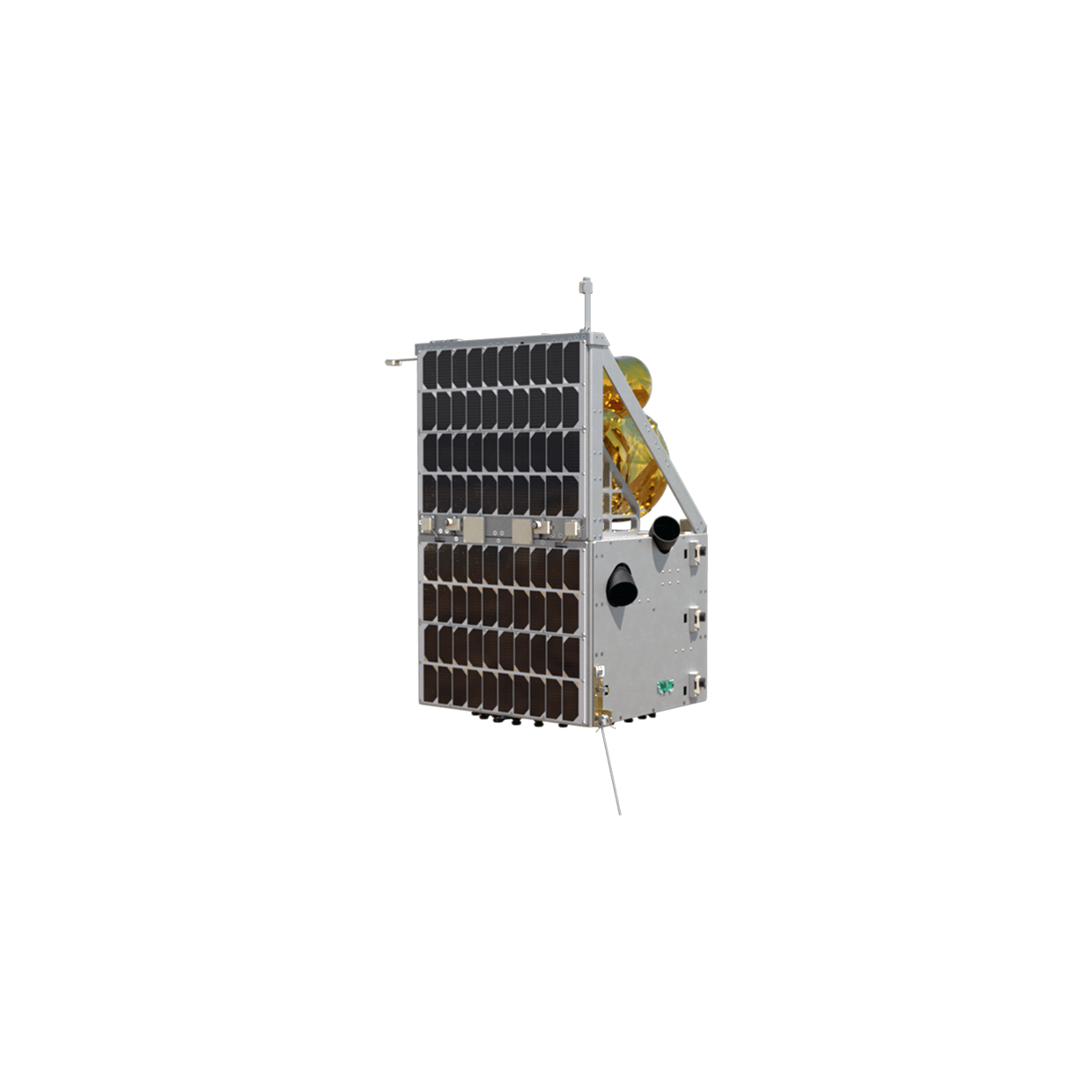
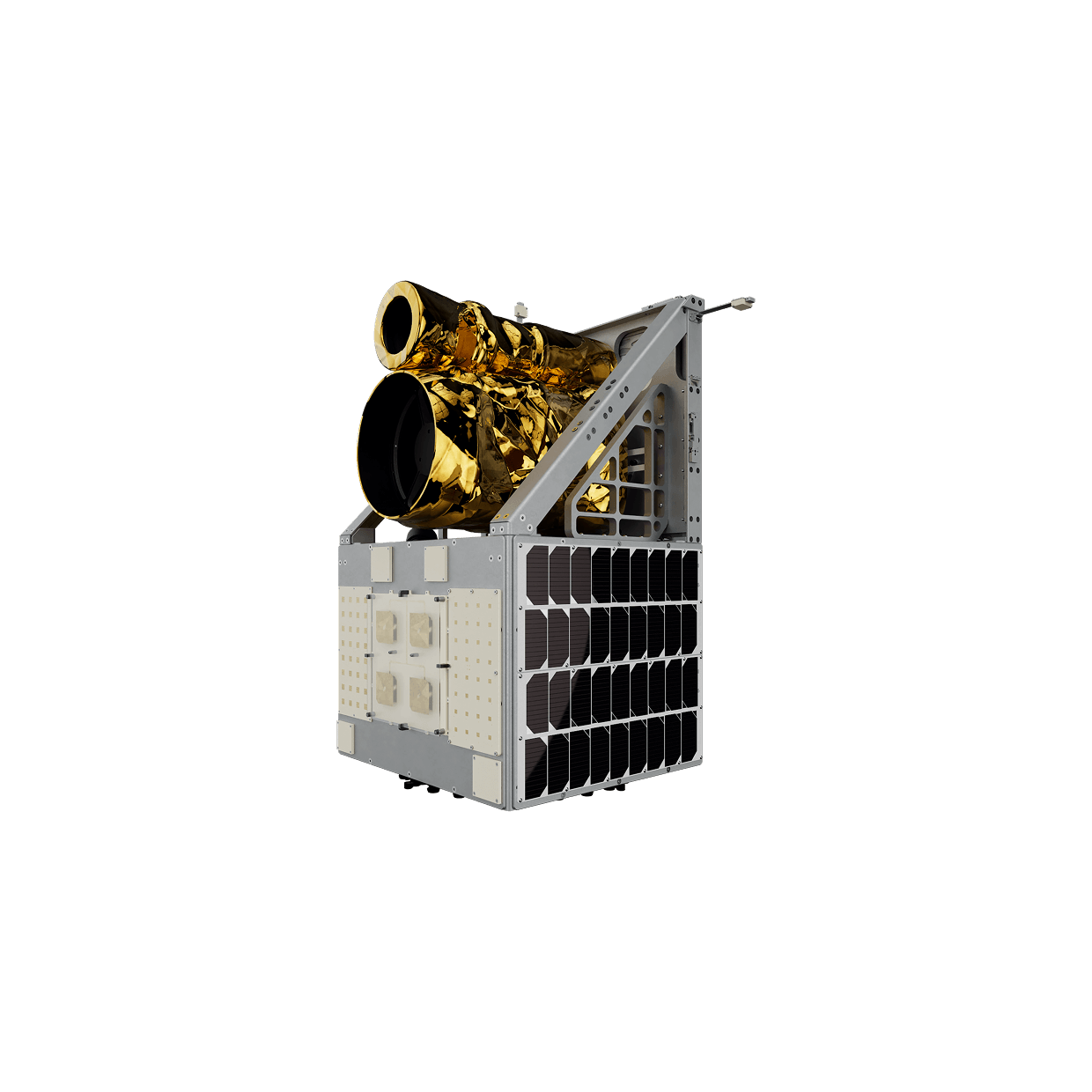
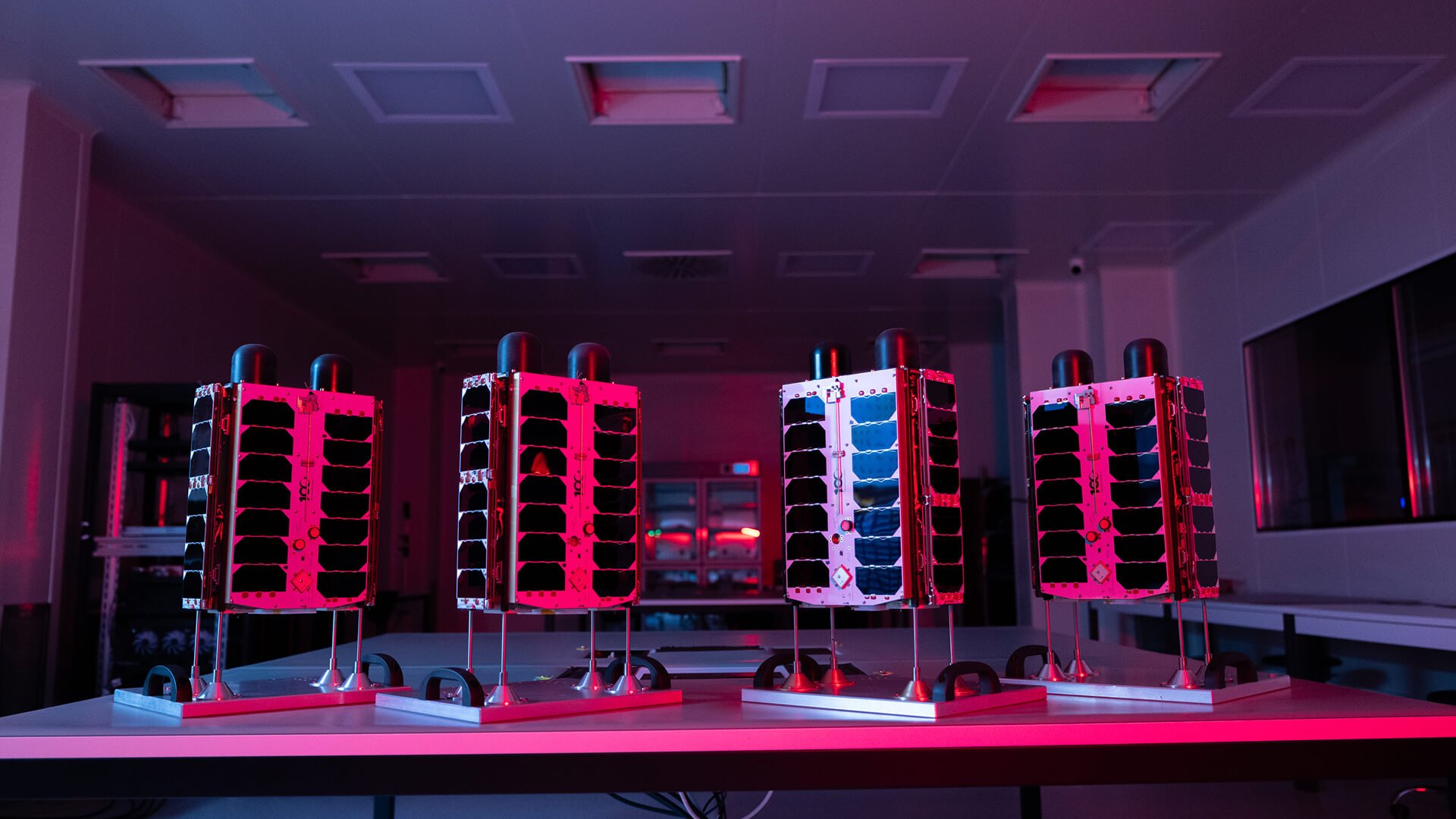
The next-generation Connecta IoT satellites, scheduled for launch next year, will be equipped with 5G NB-IoT technology.

October 26, 2025

4 minute reading
#5G
#CONNECTA
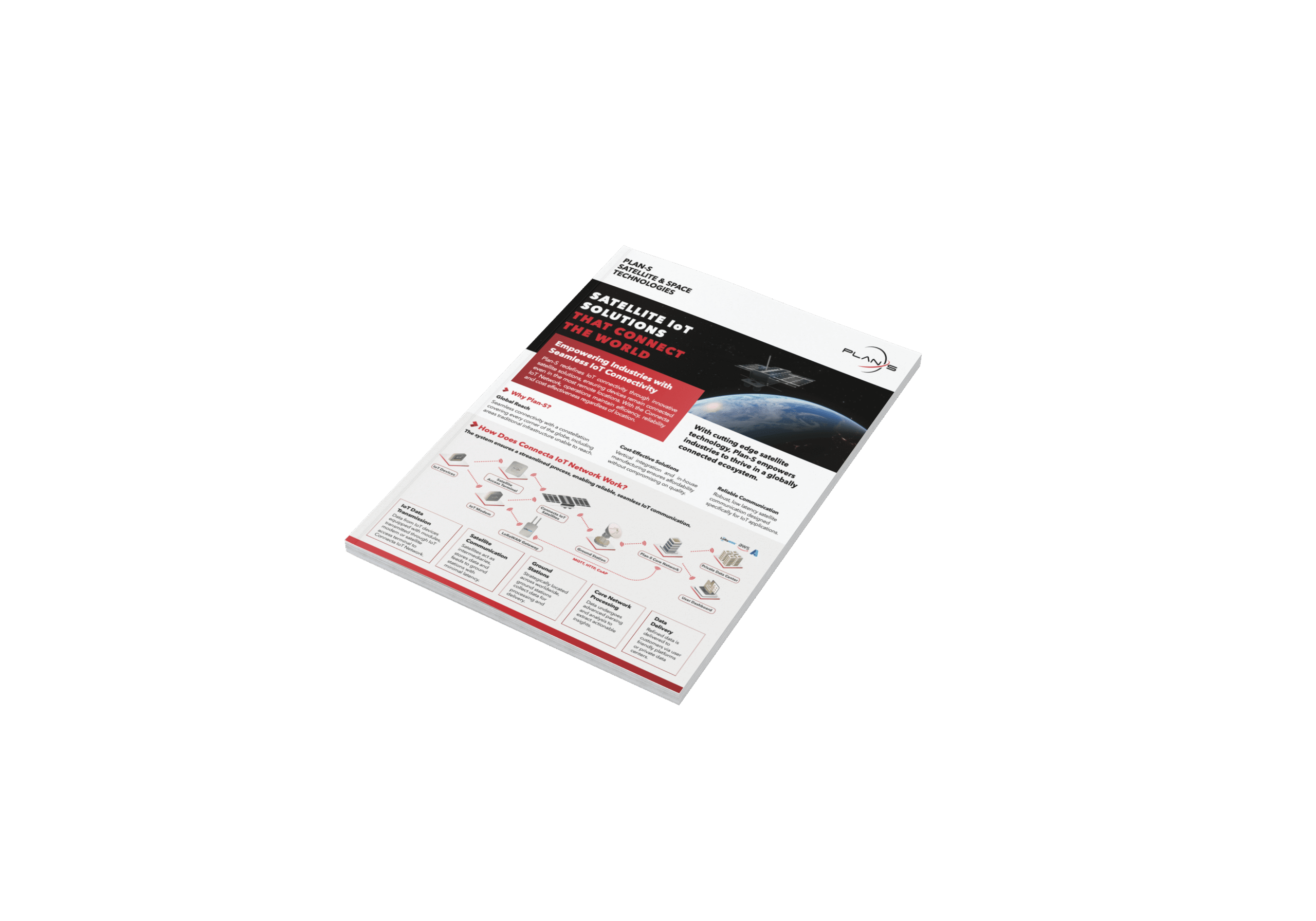
5G Service to Get a Boost from Space. As Türkiye prepares for the widespread adoption of 5G services, mobile operators are set to expand their coverage and enhance flexibility through integrated, satellite-based solutions. Plan-S, which already provides satellite-based IoT services using its national satellites, is now incorporating 5G NB-IoT technology into its portfolio.
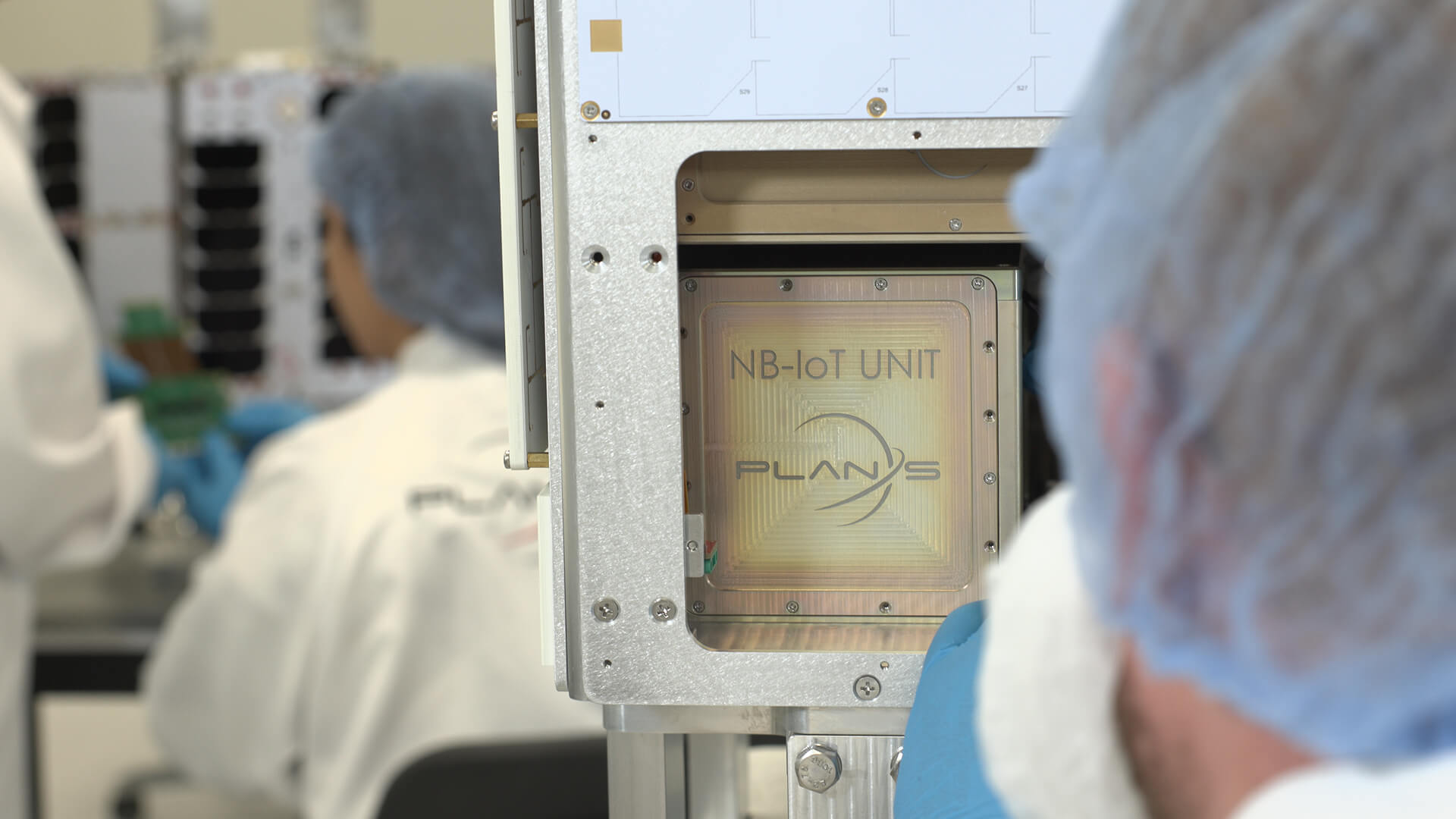
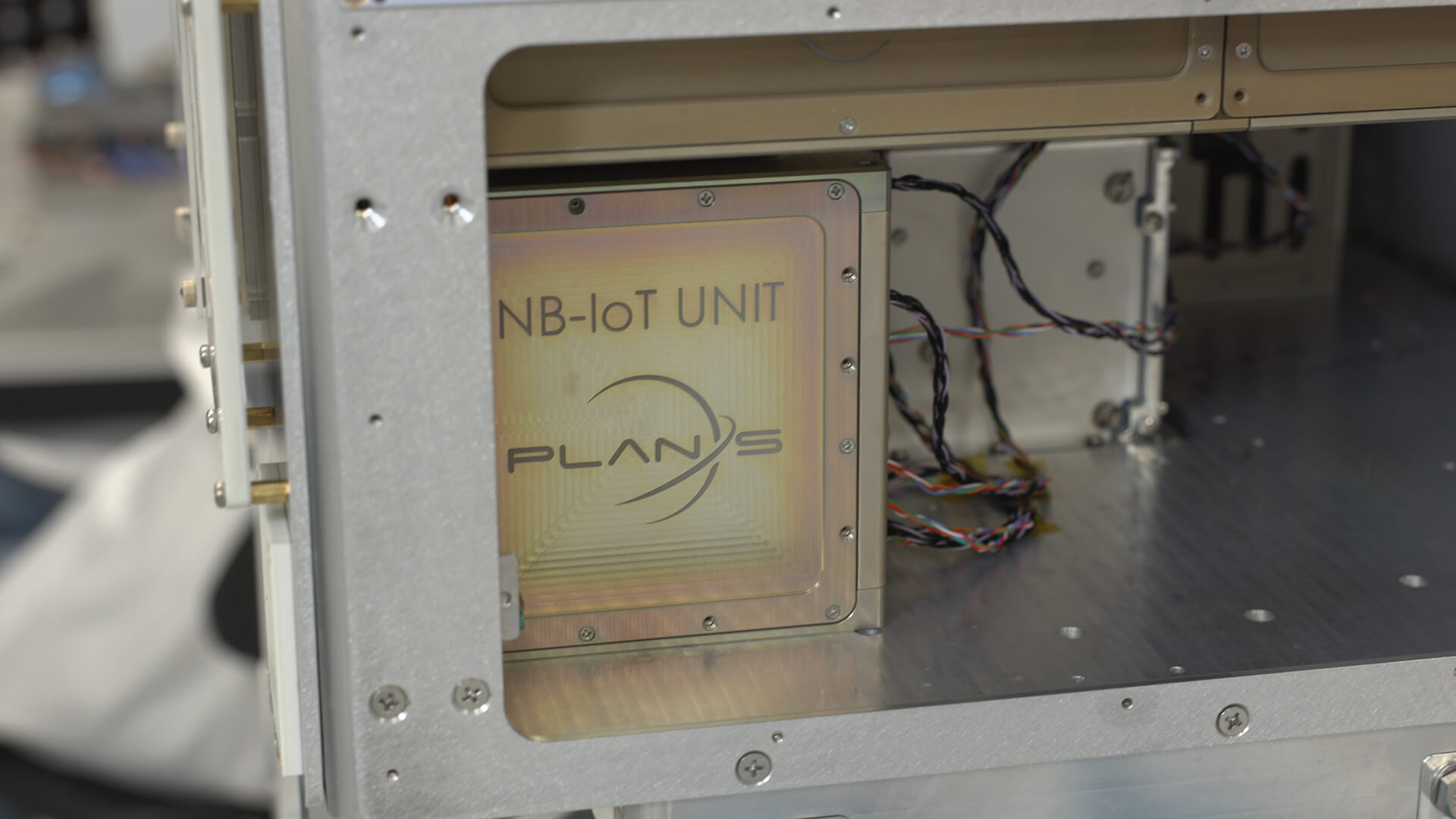
This will allow it to cover IoT devices even in the most remote areas via Low Earth Orbit (LEO) satellites. Consequently, services will achieve global coverage in integration with mobile operators. The next-generation Connecta IoT satellites, scheduled for launch next year, will be equipped with 5G NB-IoT technology. This will enhance the existing LoRa-based IoT services, offering mobile ecosystems opportunities for expansion and greater flexibility. With this move, Plan-S will become the world’s first and only satellite operator to offer both 5G NB-IoT and LoRa technologies simultaneously.
In a statement to an AA correspondent, Plan-S CEO Özdemir Gümüşay highlighted the immense potential in IoT, noting that there are millions, even billions, of devices in the field that need to be monitored and managed. Gümüşay emphasized that 5G was developed specifically to meet this need. He explained that the technology within 5G, known as NB-IoT, makes it possible to collect data from and control devices with minimal power consumption.
He outlined their plan to deploy this technology in the space layer, stating: “Our roadmap from the start was to begin with LoRa and subsequently adapt NB-IoT. We currently have 12 satellites in space that can communicate via LoRa. We are launching four more satellites by the end of this year. For this, we’ve implemented a design change that hardware includes NB-IoT. By 2026, we will complete the necessary software work and will be able to provide services via both LoRa and NB-IoT.
Our subsequent satellites will also include both technologies. While there are other satellite companies using these technologies separately, we will be the first and only example of their combined use. We are arriving with a solution that encompasses both core technologies. This will make us highly flexible and allow us to offer complementary solutions. In terms of customer diversity, we will embrace both ecosystems, which will be a significant advantage for us.”
Providing details on the business model, Gümüşay said that on the NB-IoT side, they will work in integration with mobile operators, who will handle the sales of the products and services. Through agreements, they will provide operators with coverage-extending and complementary services for their terrestrial devices via satellite. Gümüşay illustrated: “Let’s say there is an NB-IoT device. When it’s within a cell tower’s coverage area, it will send its data through that. But consider a sensor measuring the fuel level of a tanker truck traveling across Türkiye. While in the city, it uses the cell tower coverage; when it moves outside the city and beyond that coverage, it will transmit its data via our satellites.”
New Capabilities for Emergency Communication
Gümüşay also pointed out that NB-IoT technology will enable new solutions for emergency communication via mobile devices. “Currently, solutions for emergency communication can be implemented using standard mobile devices. We will also pave the way for such solutions. This will provide a significant benefit for public safety, and for creating awareness and enabling response in events like earthquakes or floods,” he stated.
Gümüşay added that they will offer a complementary solution for mobile operators’ IoT services, both in Türkiye and globally, which is expected to multiply their business potential several times over. He stressed that this technology will provide a single solution that can communicate via both terrestrial networks and satellite, under one product umbrella, eliminating coverage concerns for users.
“A Cell Tower Operating from Space”
Explaining that this approach will provide mobile operators with additional infrastructure capabilities for their licensed frequencies, Özdemir Gümüşay said: “They will be able to allocate the frequencies they acquired at high cost to their core services. A sensor will need to contain either a chipset that communicates with terrestrial base stations or with our satellites. There will be a common chipset for this, so there will be no need to buy a new device or make a new investment to connect to the satellite.
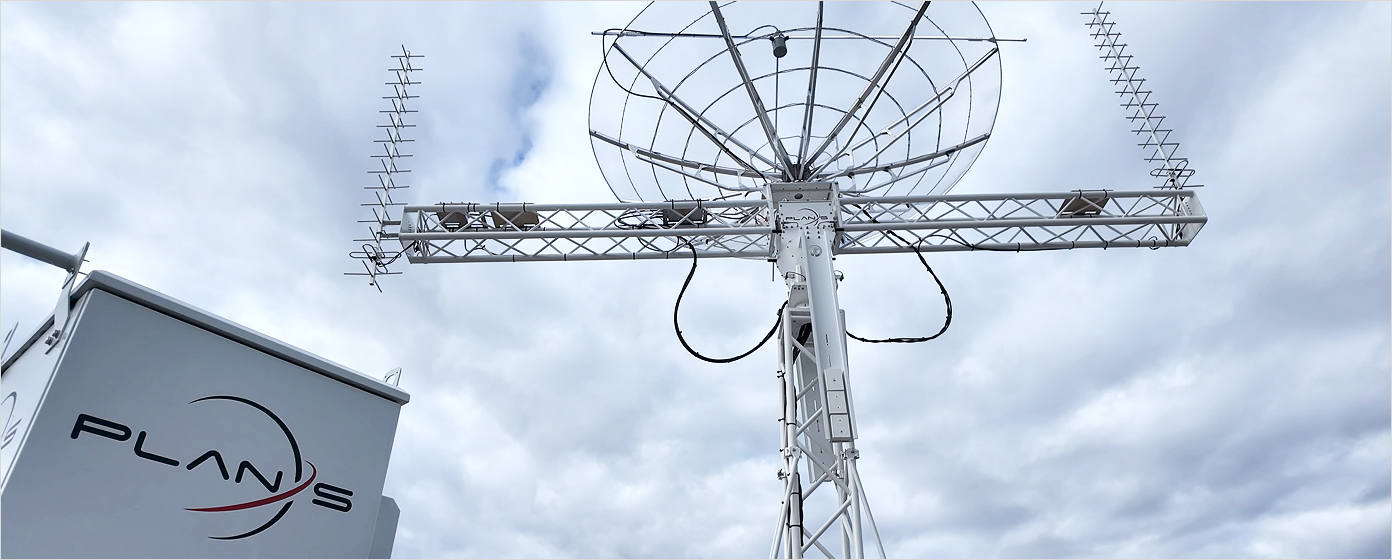
A simple NB-IoT device with a small antenna will be able to operate via our satellites. To enable this, we are making the satellite side more complex. We have essentially created a cell tower operating from space — one specialized for NB-IoT. We have developed this domestically and nationally. We aim to finalize the relevant software parts next year and launch these services. Our goal thereafter is to establish collaborations with global mobile operators.”
NEWS
Related Insights
Explore how space assets and ground infrastructure work together, use cases, architectures, and field results from Plan-S projects.


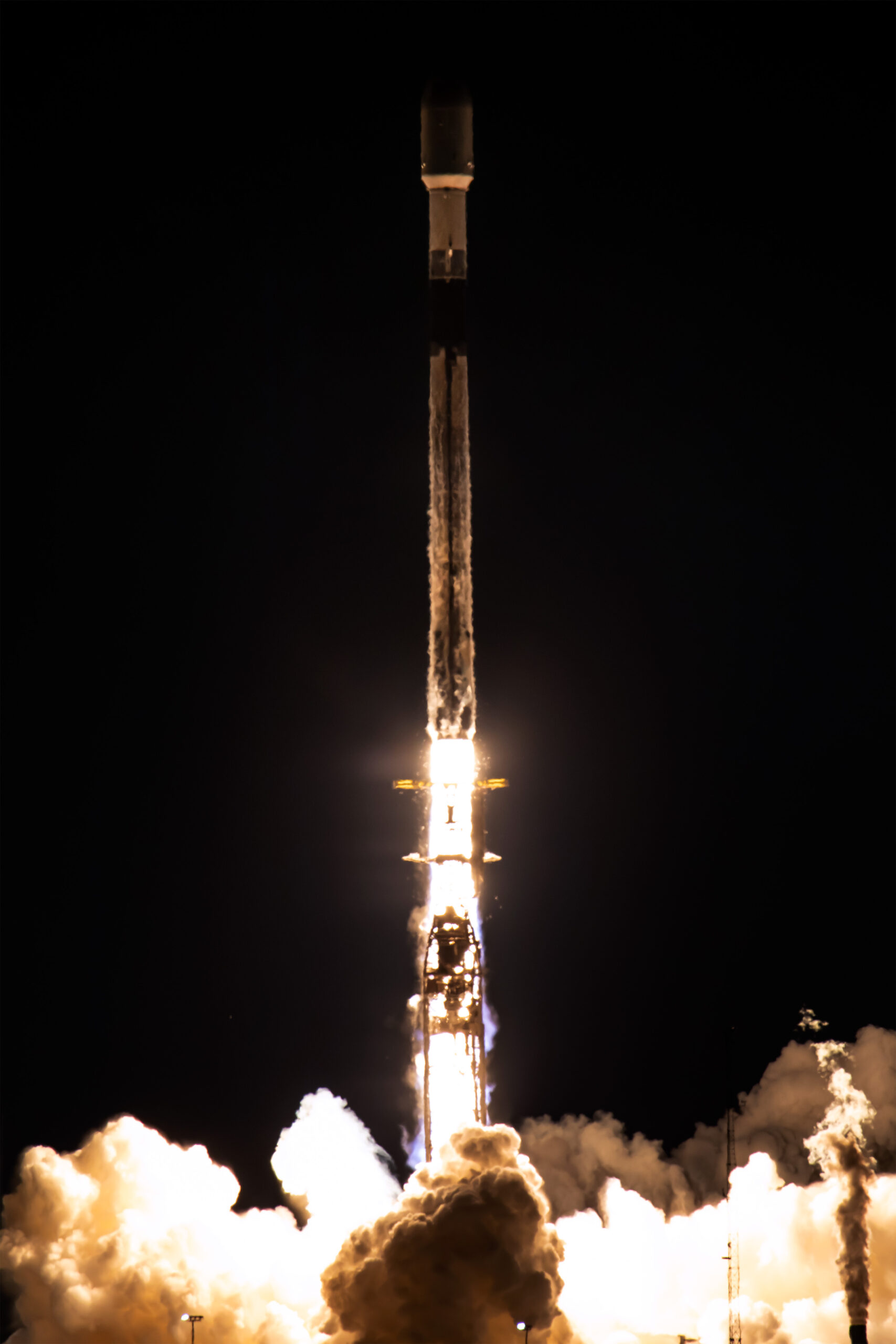
Plan-S Expanted Connecta Constellation to 16, Launched 4 New Satellites More
Plan-S, one of Türkiye’s leading companies in the global space sector, has successfully launched four new Connecta Internet of Things (IoT) satellites into orbit as part of SpaceX’s Twilight mission, increasing its total number of active IoT satellites to 16.
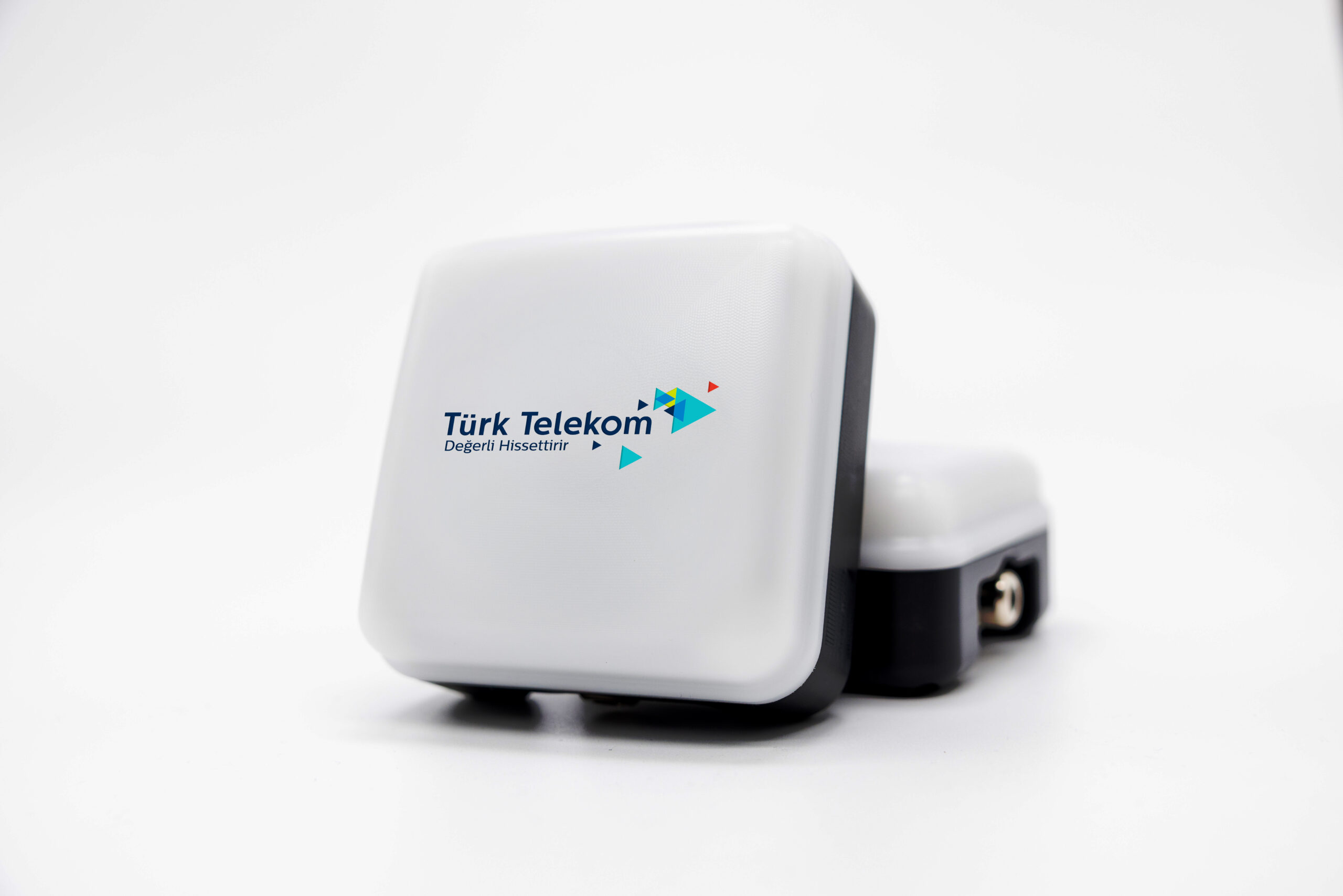
Plan-S and Türk Telekom Forge Strategic Collaboration in Satellite-Based Internet of Things
Plan-S, Türkiye’s next-generation satellite and space technologies company, and Türk Telekom, a pioneer in digital transformation, have signed a strategic agreement to disseminate satellite-based Internet of Things (IoT) services across Türkiye and offer them integrated into Türk Telekom’s solutions. Under the agreement, Türk Telekom will incorporate the Low Earth Orbit (LEO) satellite IoT connectivity service, provided by Connecta (a 100% subsidiary of Plan-S), into its own product portfolio.
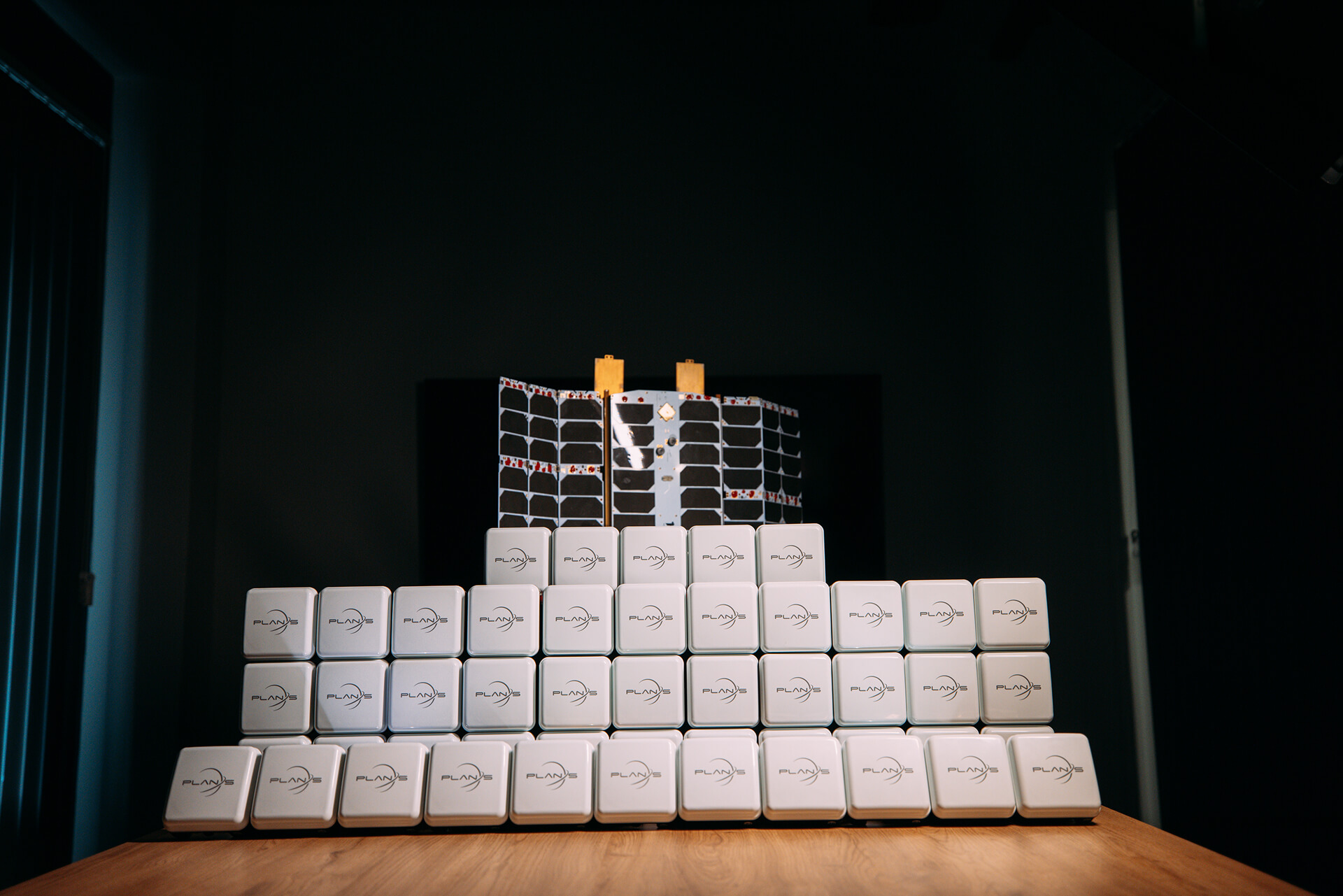
Plan-S Strengthens Its Position in the Global Market with Turkish Satellite Technologies
Following the completion of regulatory processes in Türkiye, Australia, and Denmark for satellite-based Internet of Things (IoT) communications, Plan-S has reached a significant milestone in its global growth strategy.
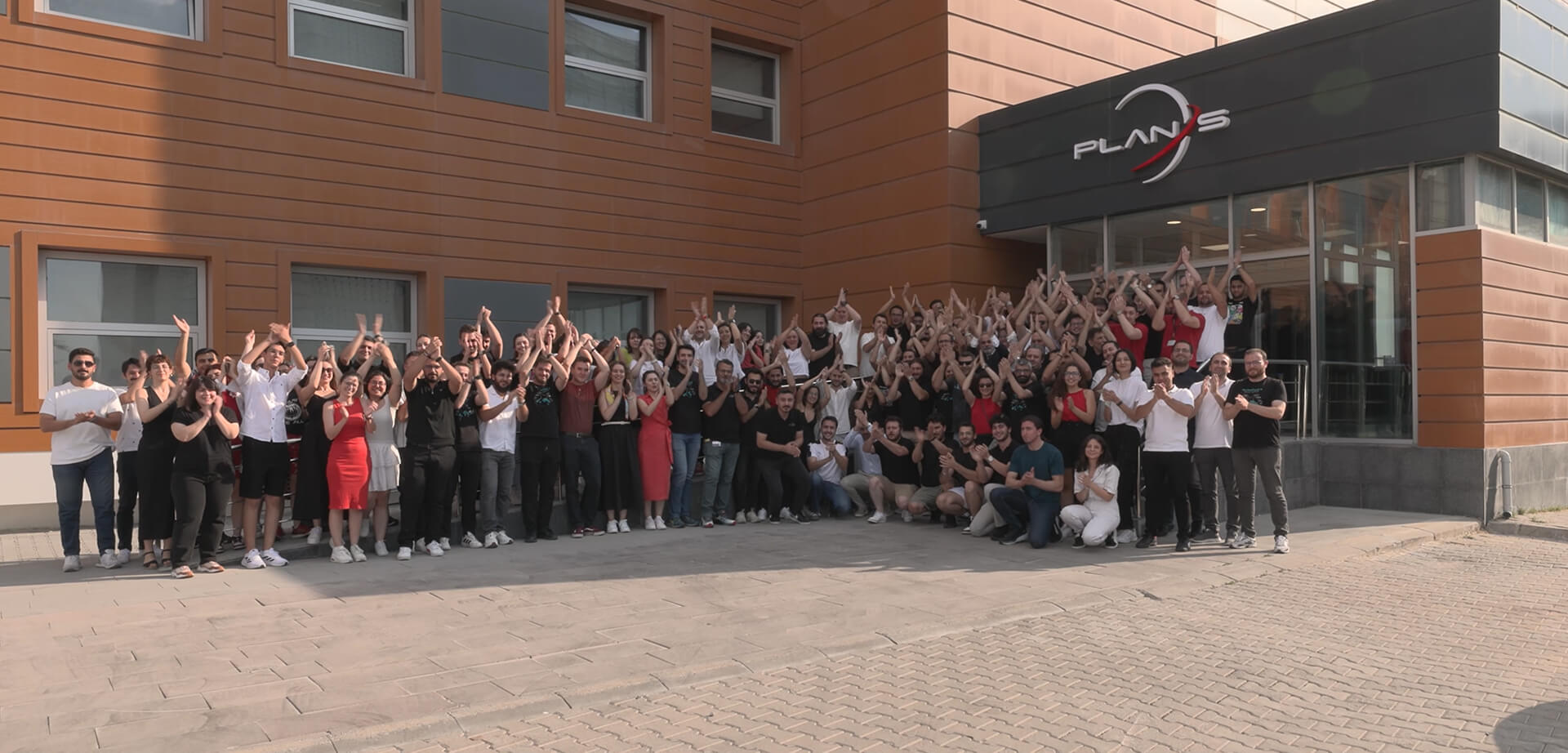
Plan-S Honored with Three Prestigious Awards from Great Place to Work®!
These results are a testament to the excellence Plan-S has achieved not only in technology but also in its corporate culture.
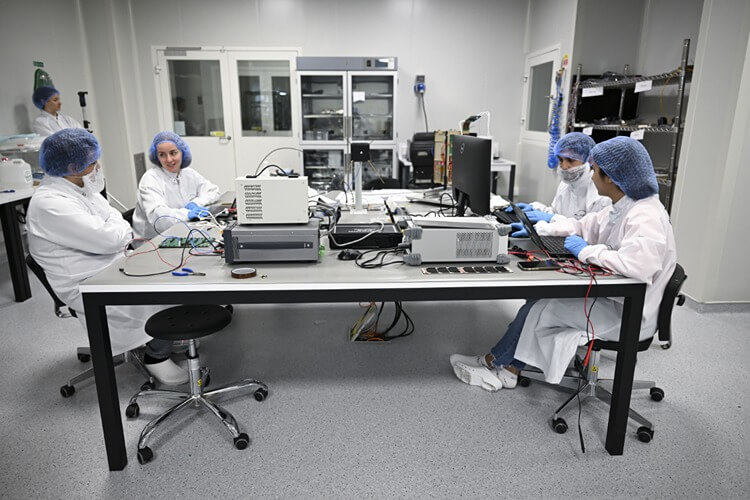
Plan-S to Introduce Türkiye to New Satellite Services, Announces Global Expansion and Ambitious Constellation Roadmap
Plan-S, a leading player in Türkiye’s burgeoning space sector, is set to introduce a new era of domestic satellite services, focusing on the commercialization of space.
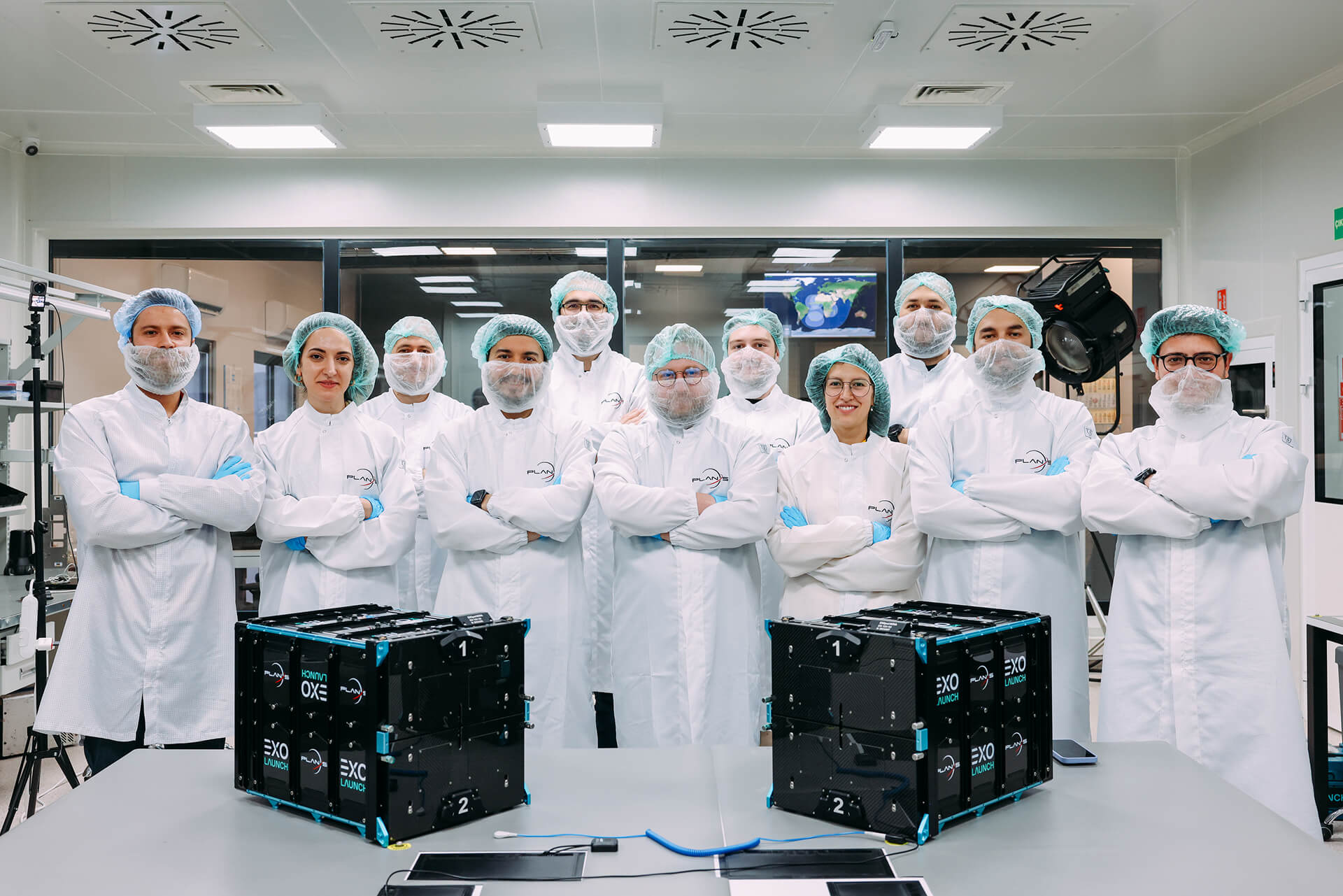
License Granted for Türkiye’s First LEO Satellite Constellation
This historic step is not only a first for Türkiye but also creates powerful momentum for Plan-S’s goal of providing satellite-based IoT services in global markets.

Plan-S Installs Satellite Tracking Technology on METU’s Research Vessel
The flagship vessel of METU’s Institute of Marine Sciences, a leading institution in maritime research, R/V Bilim-2, will be tracked for 45 days by the domestic satellite-based tracking system developed by Plan-S.
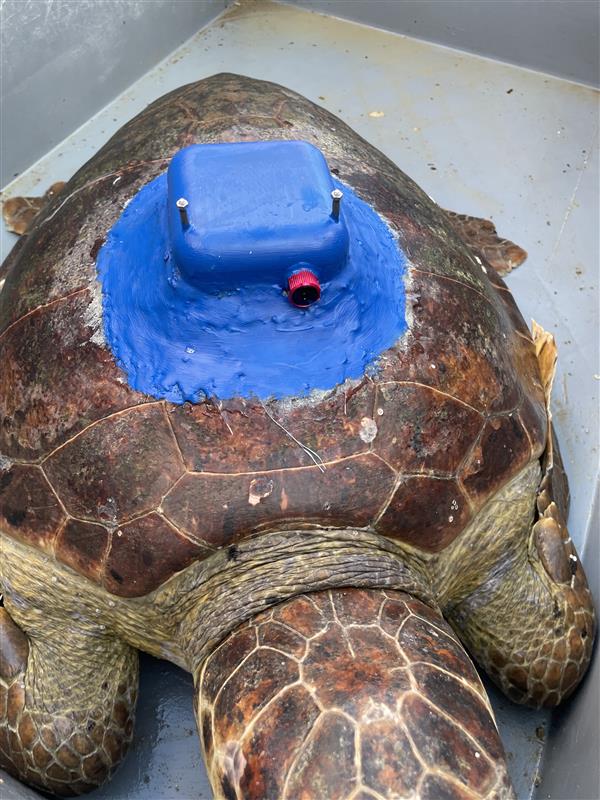
Plan-S Tracks Endangered Sea Turtles with Domestically Produced Satellite Tracker
Plan-S, one of the world’s leading satellite and space technology companies, has developed the country’s first domestic satellite tracking device, supporting the conservation of the endangered loggerhead sea turtle species.

Plan-S Expands its Global Network with Satellite Ground Stations
Plan-S, one of the world’s leading satellite and space technology companies, is strengthening its global satellite communication infrastructure with its self-developed ground stations.
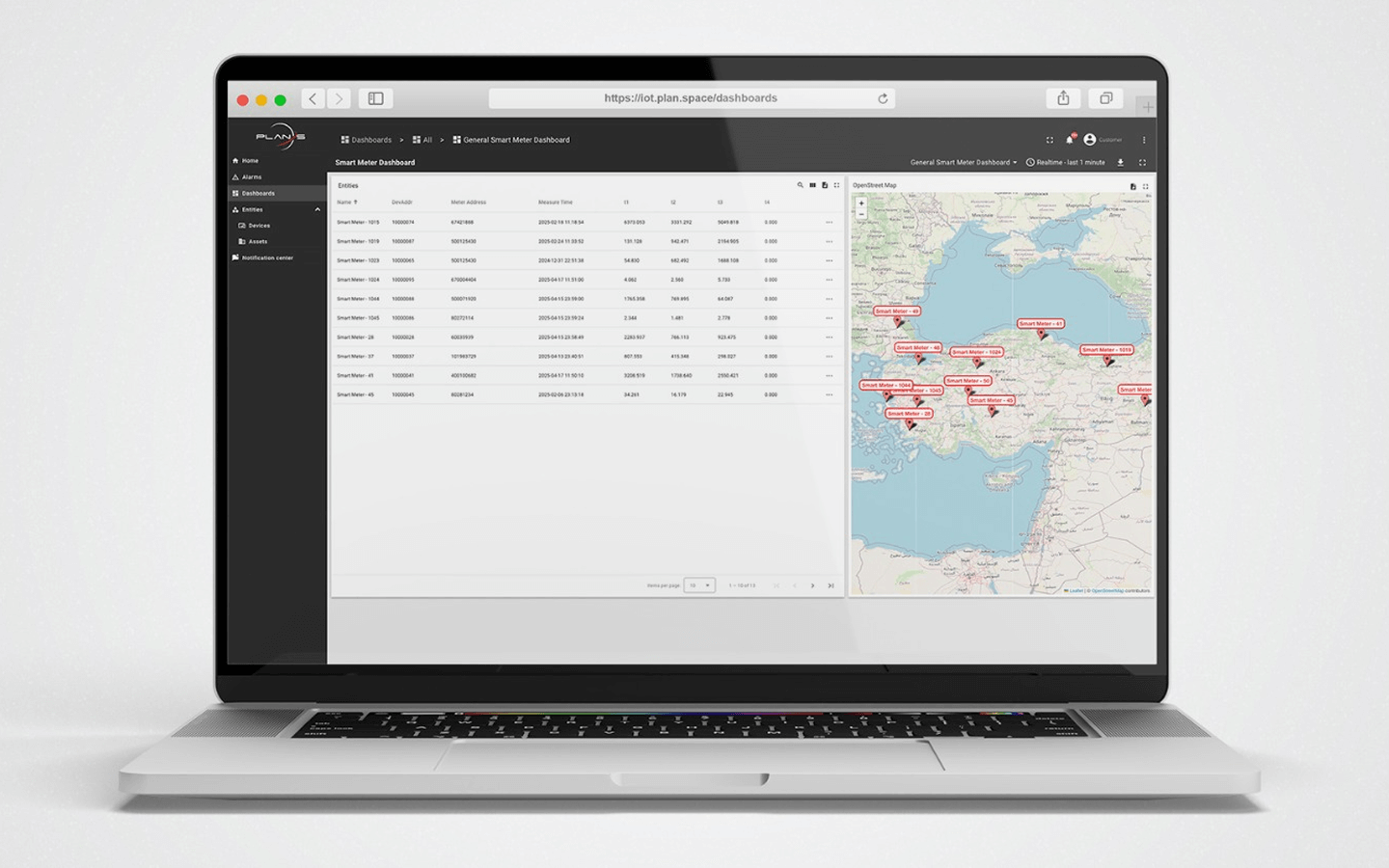
A New Era for IoT Applications in Azerbaijan: Plan-S Completes Integration with Azercosmos and Elsmart
Plan-S has achieved another significant milestone within the scope of its Connecta IoT Network integration efforts with Azercosmos. Data obtained from sensors developed by the Azerbaijan-based technology company Elsmart was successfully transmitted via Plan-S’s satellite constellation.
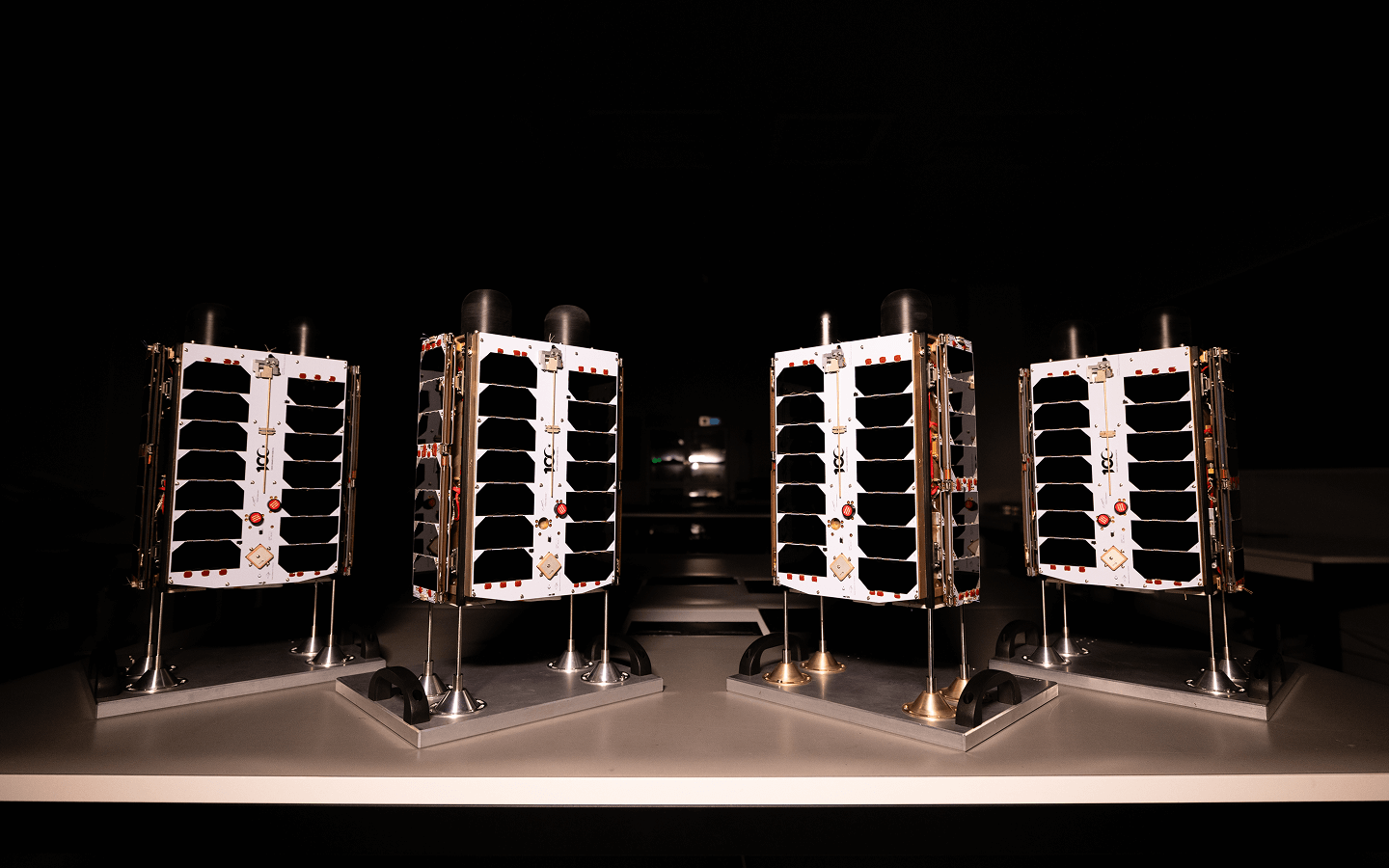
Plan-S Expands Global IoT Coverage with Four New Satellites
Plan-S, a prominent player in satellite and space technologies, has successfully launched four additional satellites aboard SpaceX’s Falcon 9 rocket as part of the Transporter-14 mission.
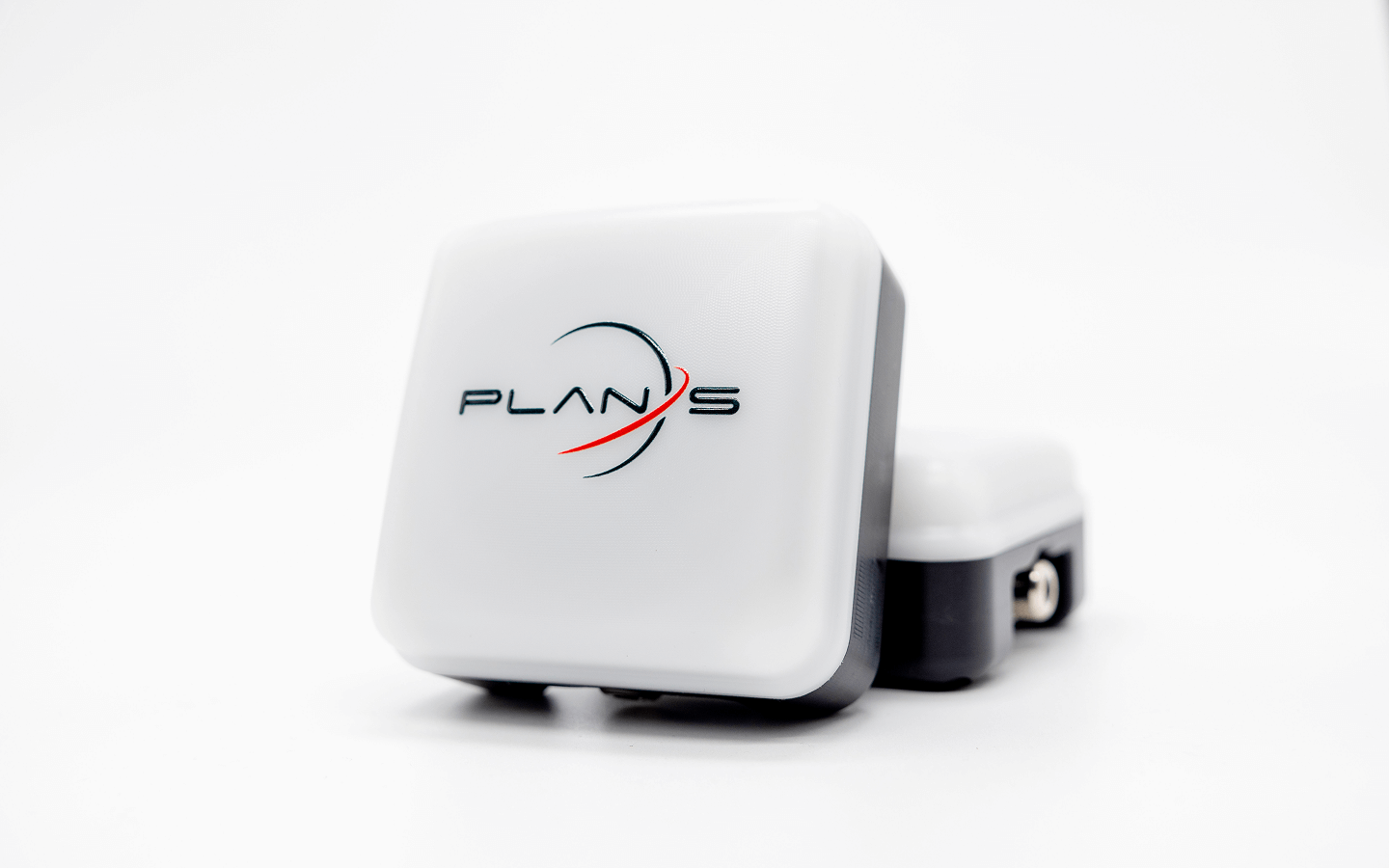
A New Generation in Energy Technology Begins: Meters Connected to Plan-S Satellites
A satellite-based meter reading system has been launched in Muğla through the strategic cooperation of Plan-S and Adm Elektrik.