

Plan-S to Introduce Türkiye to New Satellite Services, Announces Global Expansion and Ambitious Constellation Roadmap
Plan-S, a leading player in Türkiye’s burgeoning space sector, is set to introduce a new era of domestic satellite services, focusing on the commercialization of space.

October 11, 2025

4 minute reading
#CONNECTA
#Earth OBSERVATION
In a comprehensive update, company executives outlined their “New Space” philosophy, ambitious deployment plans for IoT and Earth Observation constellations, and significant progress in securing international operating licenses.
A New Space Approach for Türkiye
Özdemir Gümüşay, CEO of Plan-S, emphasized that the company operates with a “New Space” perspective, characterized by risk-taking, agility, and a firm focus on the commercialization of space. While acknowledging Türkiye’s long-standing space industry efforts, Gümüşay highlighted Plan-S’s unique position in focusing on commercial applications driven by the private sector.
“Our primary focus is on IoT (Internet of Things) communications, alongside civil Earth Observation applications and end-to-end, turnkey solutions for both military and civilian use,” stated Gümüşay.
An Ambitious Satellite Deployment Roadmap
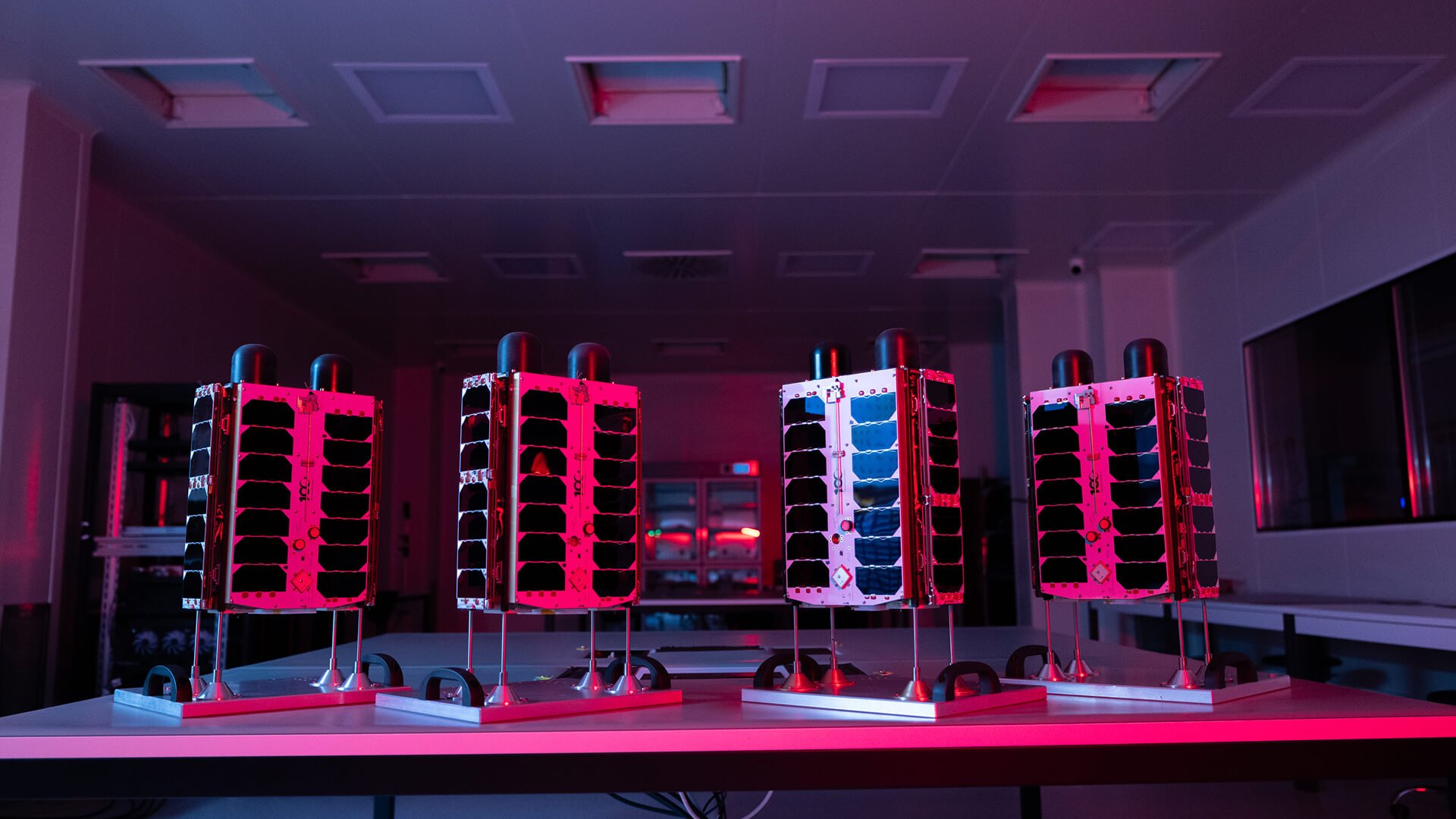
Since its founding in 2021, Plan-S has rapidly grown its presence in orbit, currently operating 17 satellites. With four more launches planned before the year’s end, the fleet will expand to 21 satellites.
Gümüşay detailed the company’s aggressive future roadmap:
- Connecta IoT Network: “We plan to launch nearly 200 satellites over the next 4-5 years to provide a truly global IoT service.”
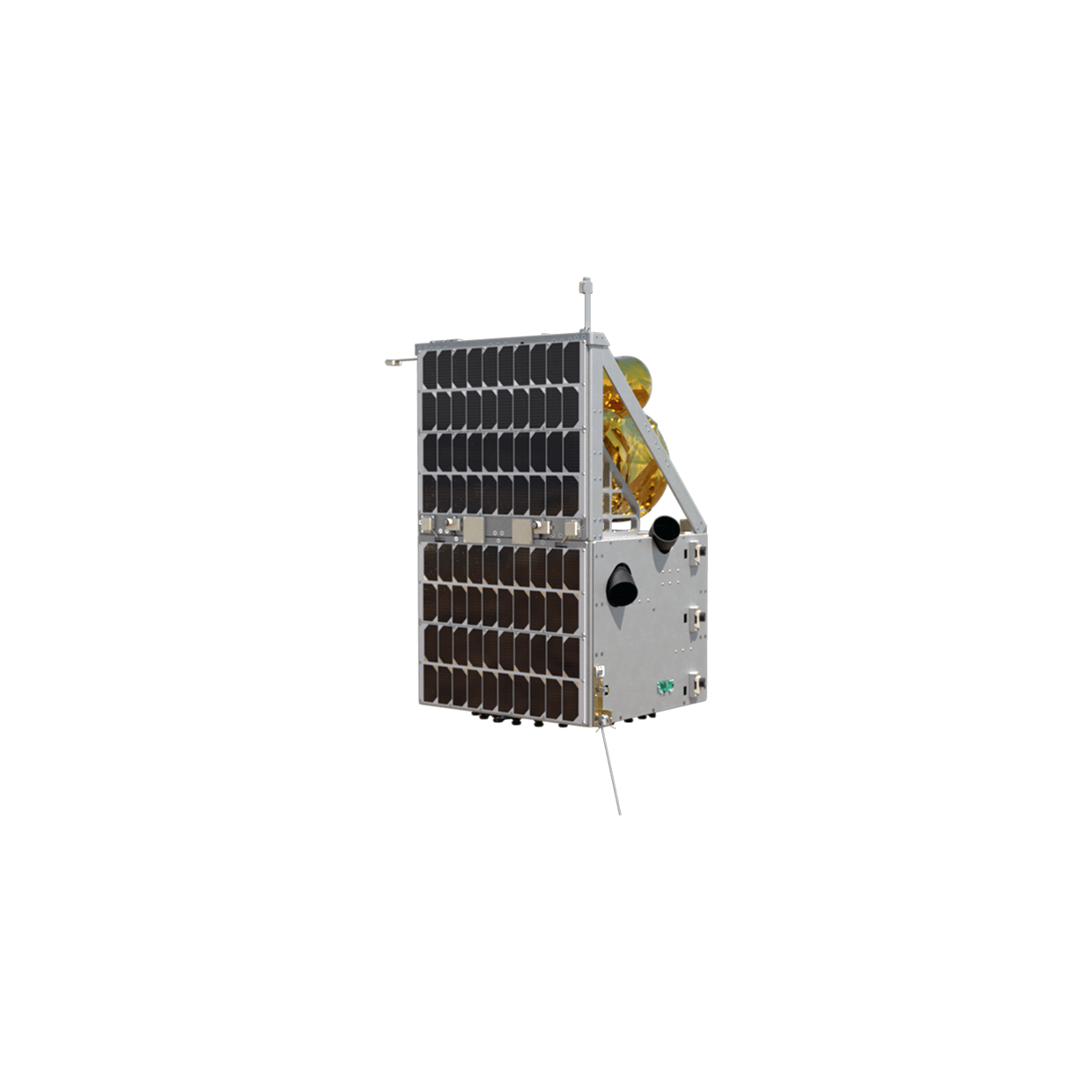
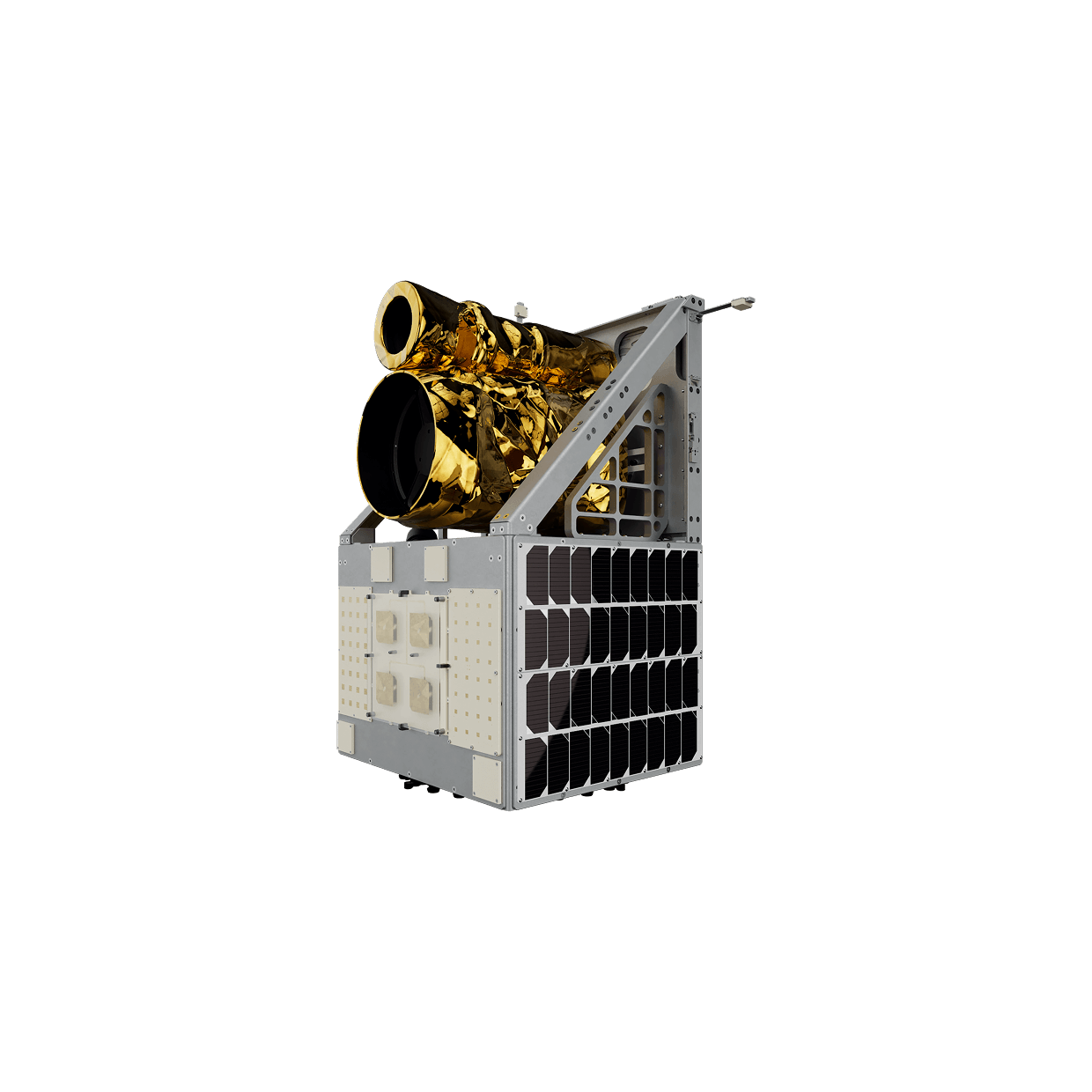
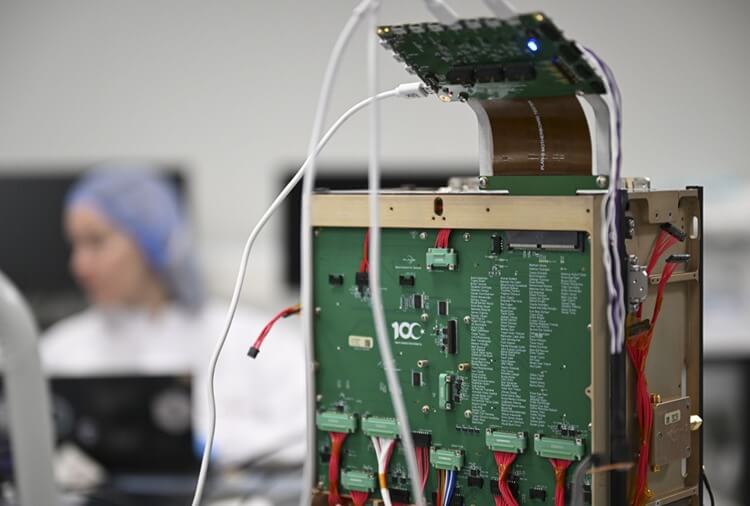
- Observa Earth Observation Constellation: The company is targeting a 60-satellite constellation. The first satellite is scheduled for launch in 2026, with integration and verification work already underway. The plan is to deploy 25 satellites in the first four years, eventually completing the 60-satellite fleet.
Key Licensing Milestone Unlocks Domestic and Global Services
Plan-S recently achieved a critical milestone by becoming the first company in Türkiye authorized as a Low Earth Orbit (LEO) satellite operator by the Information and Communication Technologies Authority (BTK).
“This authorization is a pivotal development for us,” Gümüşay explained. “It not only allows us to provide services widely within Türkiye but also acts as a catalyst for our global licensing processes. Other countries view this domestic authorization as a prerequisite, and it significantly builds trust and streamlines our applications worldwide.”
The company has already secured a license to provide IoT services in Australia and has ongoing licensing processes in key markets such as Saudi Arabia, Qatar, Azerbaijan, and the United States.
Diverse Applications and Foray into Direct-to-Device Services
Plan-S is already deploying its technology across various sectors. The company is working with the energy sector on smart meter reading and has initiated field applications for public energy and security needs after successful tests.
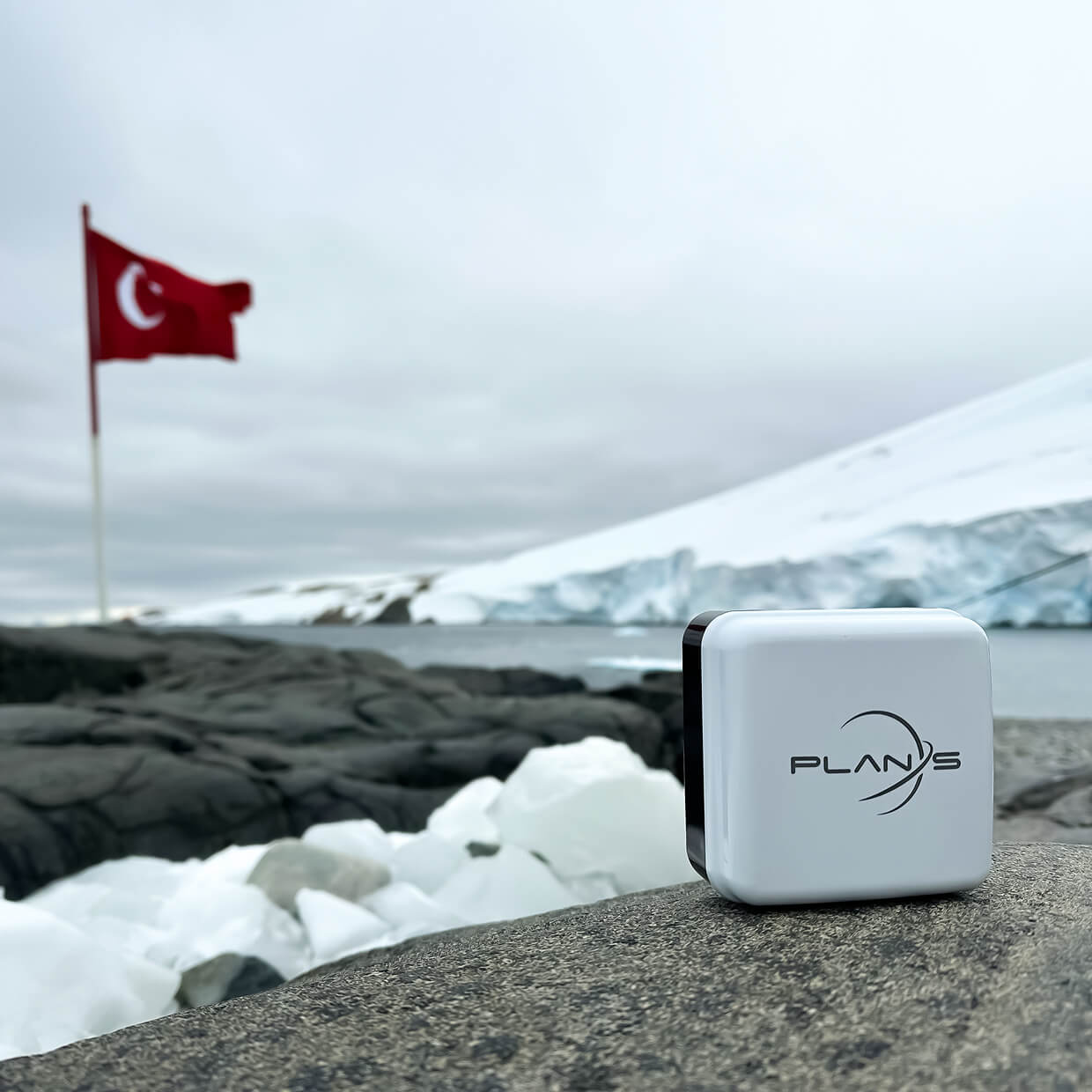
“Within Türkiye, our field applications are growing rapidly, with nearly 1,000 devices currently in operation,” Gümüşay said. “Internationally, we see applications in monitoring oil and gas pipelines in the Gulf region, asset and container tracking in oceans, and even supporting scientific research in remote locations like Antarctica, where we have four devices deployed with the METU science team.”
Gümüşay also confirmed Plan-S’s entry into the Direct-to-Device (D2D) satellite communication market. “We are now involved in R&D and feasibility studies to provide satellite services directly to standard cell phones. Our goal is to facilitate the development of a domestic solution for Türkiye. We aim to achieve this through collaboration with other space sector players, mobile operators, and the public sector, as this is a strategic imperative for national sovereignty.”
A Call for Bold Support for the Private Sector
Gümüşay highlighted the global paradigm shift in the space industry, driven by increased private sector involvement. He pointed to the success of companies like SpaceX, which was propelled by NASA’s trust and contracts.
“The emergence of new private players is promising,” Gümüşay said. “This process must be supported with bolder moves. The dynamics of the private sector are well-suited to solving challenges faster and more effectively. Such opportunities now exist here in Türkiye.”
NEWS
Related Insights
Explore how space assets and ground infrastructure work together, use cases, architectures, and field results from Plan-S projects.


Plan-S Expanted Connecta Constellation to 16, Launched 4 New Satellites More
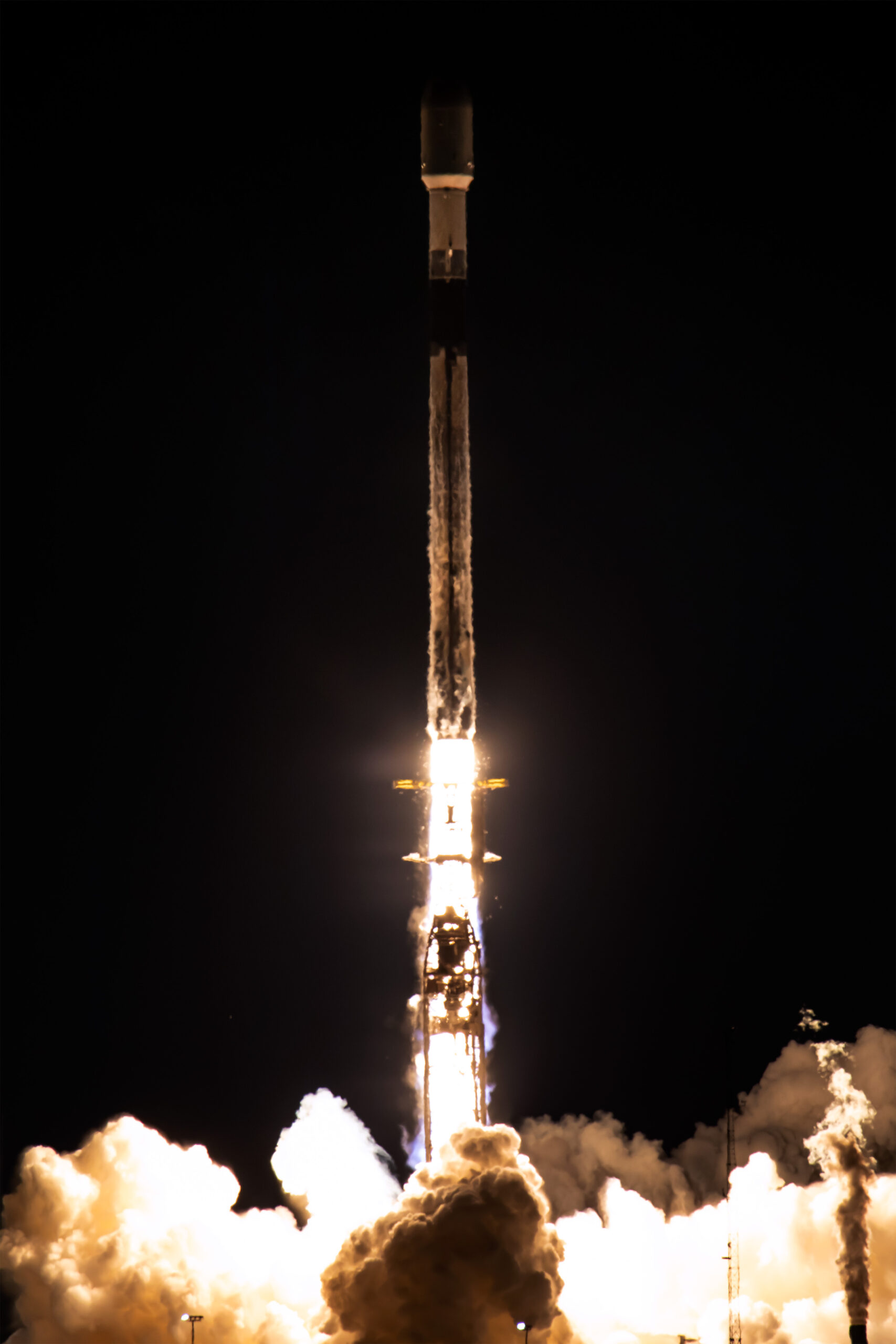
Plan-S, one of Türkiye’s leading companies in the global space sector, has successfully launched four new Connecta Internet of Things (IoT) satellites into orbit as part of SpaceX’s Twilight mission, increasing its total number of active IoT satellites to 16.
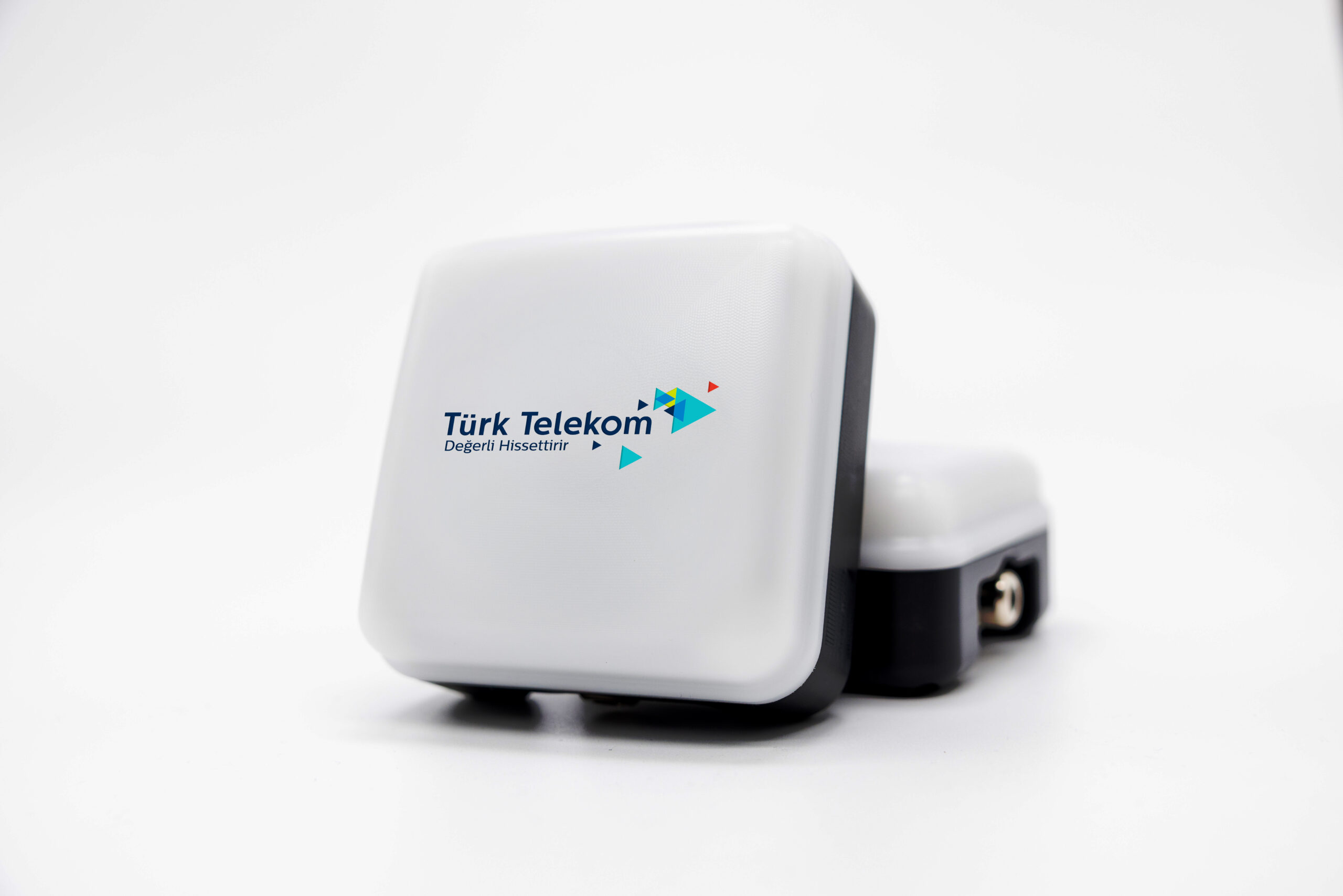
Plan-S and Türk Telekom Forge Strategic Collaboration in Satellite-Based Internet of Things
Plan-S, Türkiye’s next-generation satellite and space technologies company, and Türk Telekom, a pioneer in digital transformation, have signed a strategic agreement to disseminate satellite-based Internet of Things (IoT) services across Türkiye and offer them integrated into Türk Telekom’s solutions. Under the agreement, Türk Telekom will incorporate the Low Earth Orbit (LEO) satellite IoT connectivity service, provided by Connecta (a 100% subsidiary of Plan-S), into its own product portfolio.
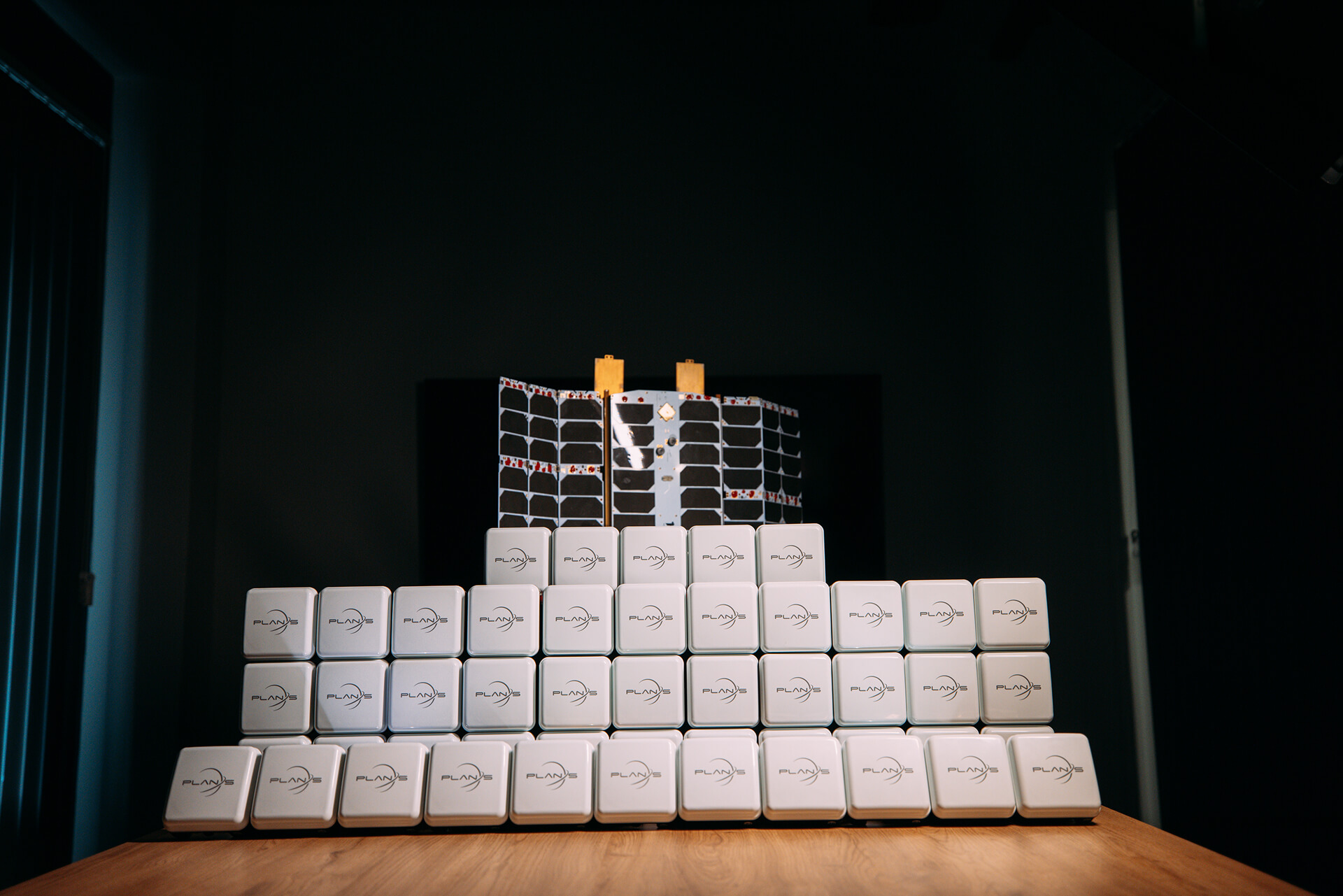
Plan-S Strengthens Its Position in the Global Market with Turkish Satellite Technologies
Following the completion of regulatory processes in Türkiye, Australia, and Denmark for satellite-based Internet of Things (IoT) communications, Plan-S has reached a significant milestone in its global growth strategy.
Plan-S Honored with Three Prestigious Awards from Great Place to Work®!
These results are a testament to the excellence Plan-S has achieved not only in technology but also in its corporate culture.
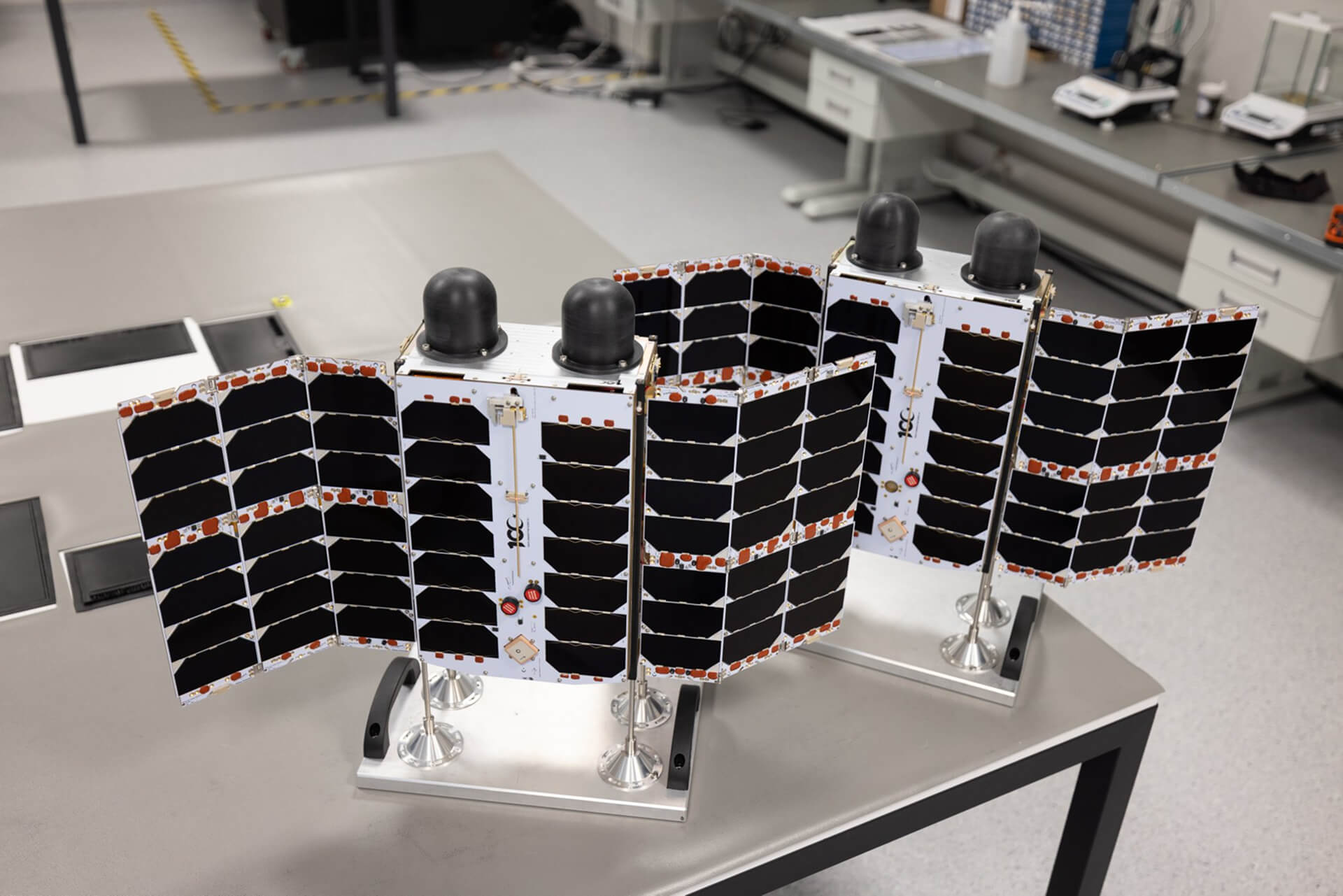
5G Service to Get a Boost from Space
The next-generation Connecta IoT satellites, scheduled for launch next year, will be equipped with 5G NB-IoT technology.
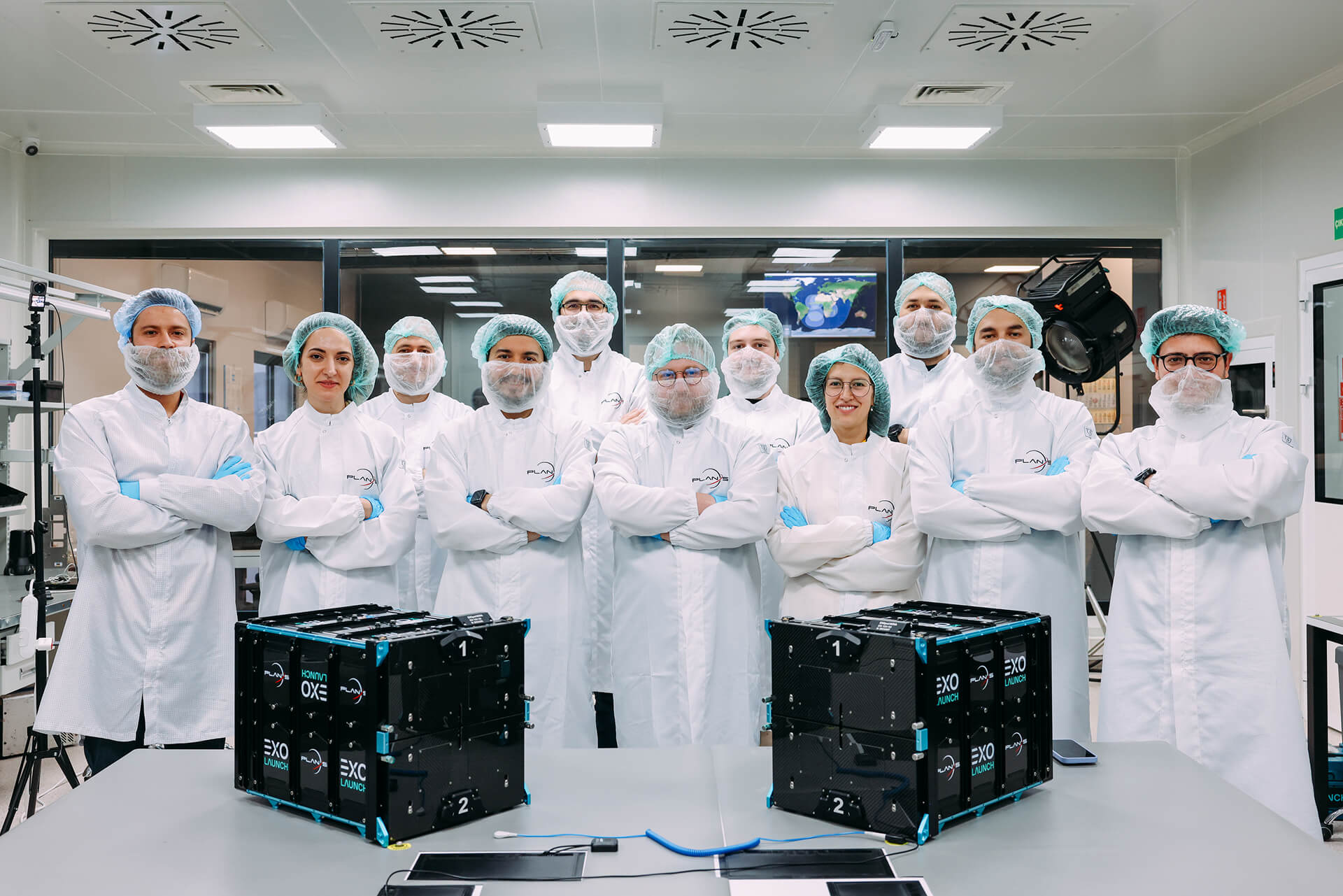
License Granted for Türkiye’s First LEO Satellite Constellation
This historic step is not only a first for Türkiye but also creates powerful momentum for Plan-S’s goal of providing satellite-based IoT services in global markets.

Plan-S Installs Satellite Tracking Technology on METU’s Research Vessel
The flagship vessel of METU’s Institute of Marine Sciences, a leading institution in maritime research, R/V Bilim-2, will be tracked for 45 days by the domestic satellite-based tracking system developed by Plan-S.
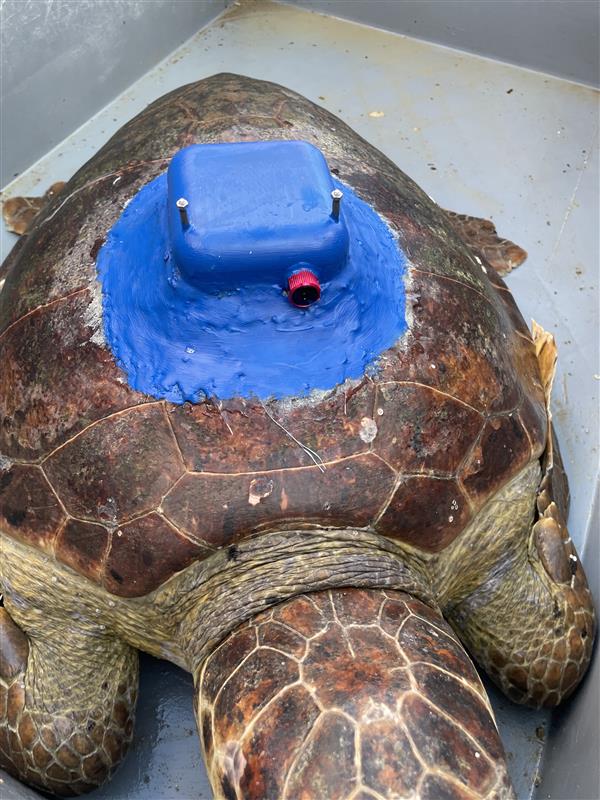
Plan-S Tracks Endangered Sea Turtles with Domestically Produced Satellite Tracker
Plan-S, one of the world’s leading satellite and space technology companies, has developed the country’s first domestic satellite tracking device, supporting the conservation of the endangered loggerhead sea turtle species.

Plan-S Expands its Global Network with Satellite Ground Stations
Plan-S, one of the world’s leading satellite and space technology companies, is strengthening its global satellite communication infrastructure with its self-developed ground stations.
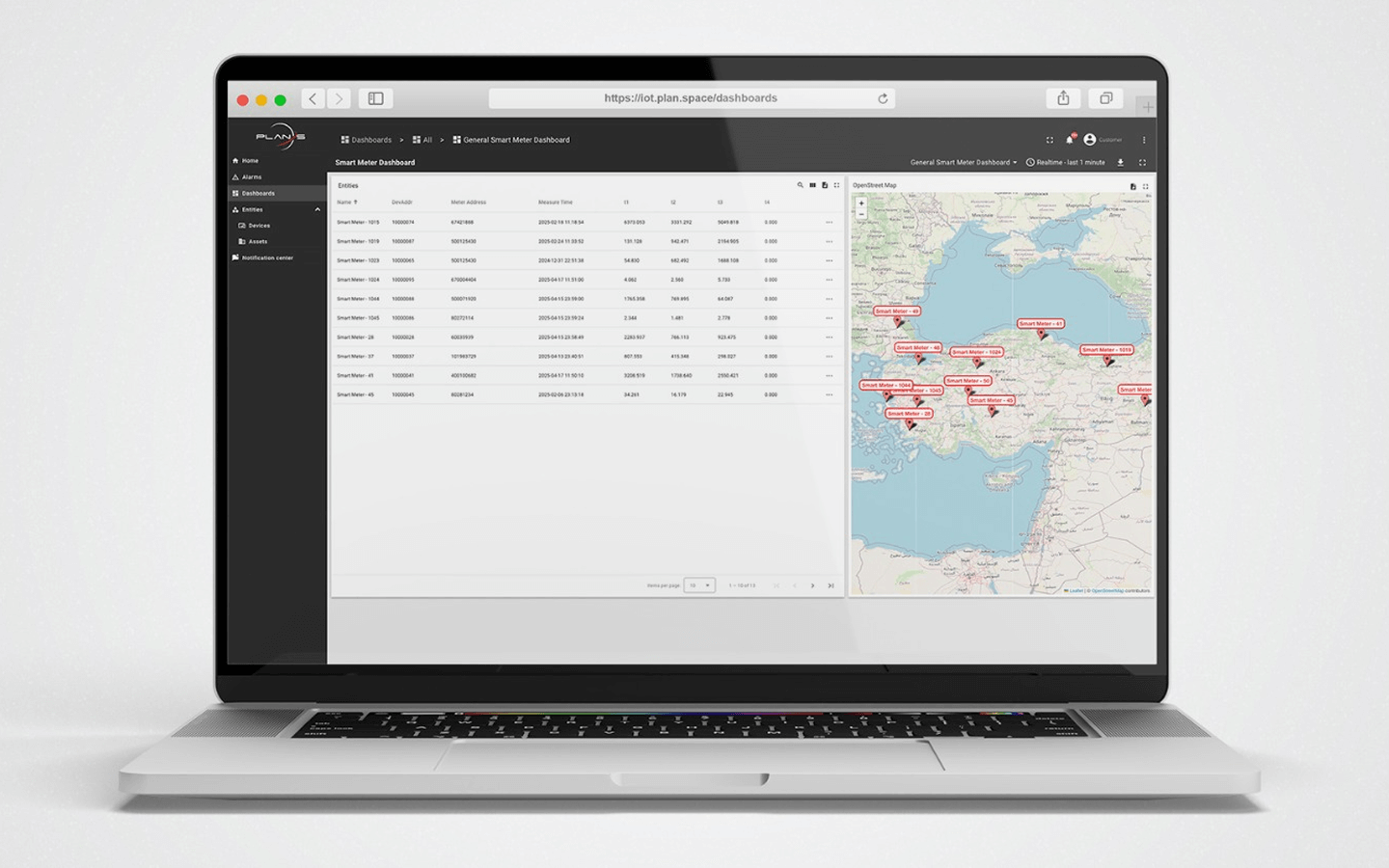
A New Era for IoT Applications in Azerbaijan: Plan-S Completes Integration with Azercosmos and Elsmart
Plan-S has achieved another significant milestone within the scope of its Connecta IoT Network integration efforts with Azercosmos. Data obtained from sensors developed by the Azerbaijan-based technology company Elsmart was successfully transmitted via Plan-S’s satellite constellation.
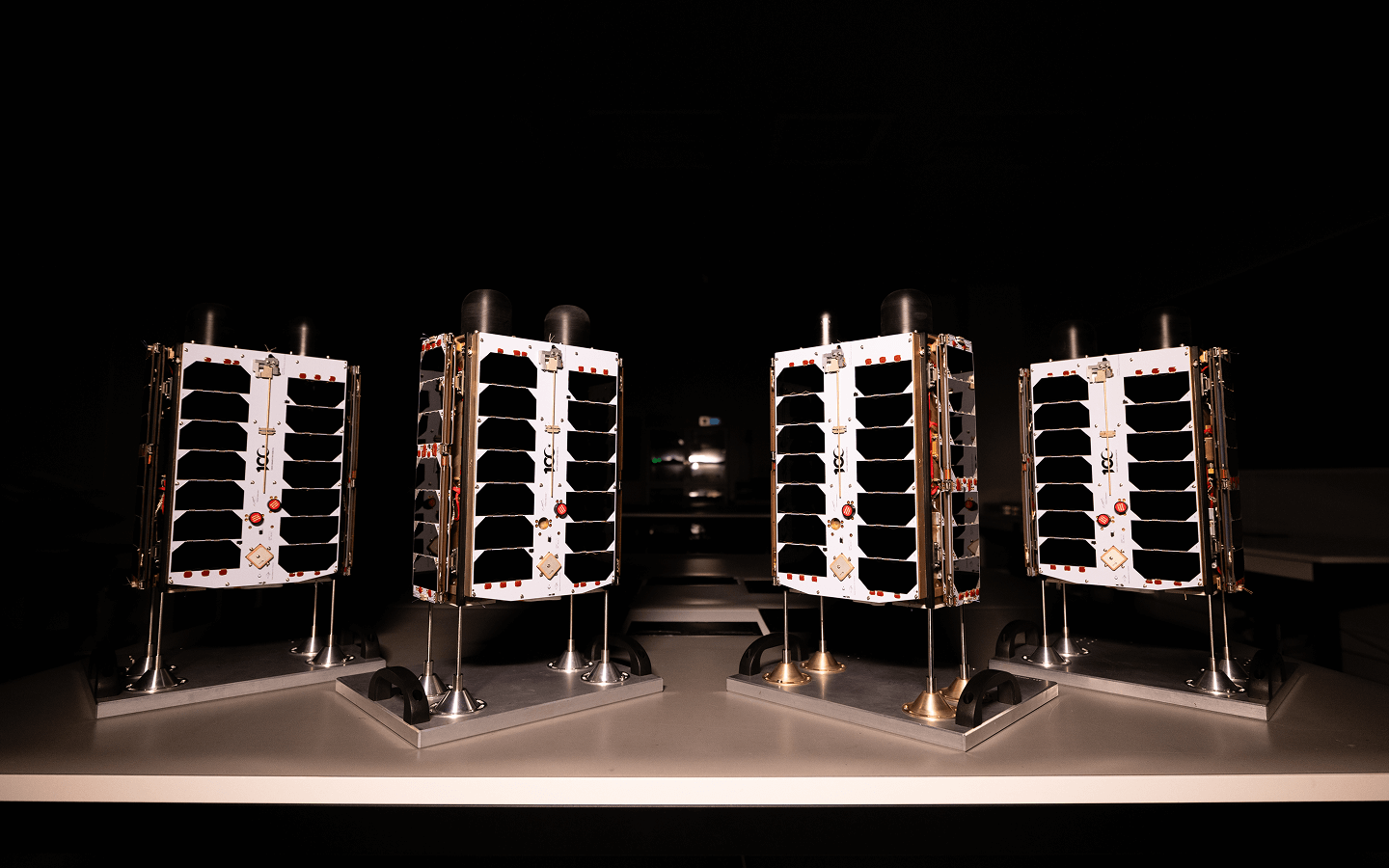
Plan-S Expands Global IoT Coverage with Four New Satellites
Plan-S, a prominent player in satellite and space technologies, has successfully launched four additional satellites aboard SpaceX’s Falcon 9 rocket as part of the Transporter-14 mission.
A New Generation in Energy Technology Begins: Meters Connected to Plan-S Satellites
A satellite-based meter reading system has been launched in Muğla through the strategic cooperation of Plan-S and Adm Elektrik.