

Plan-S Tracks Endangered Sea Turtles with Domestically Produced Satellite Tracker
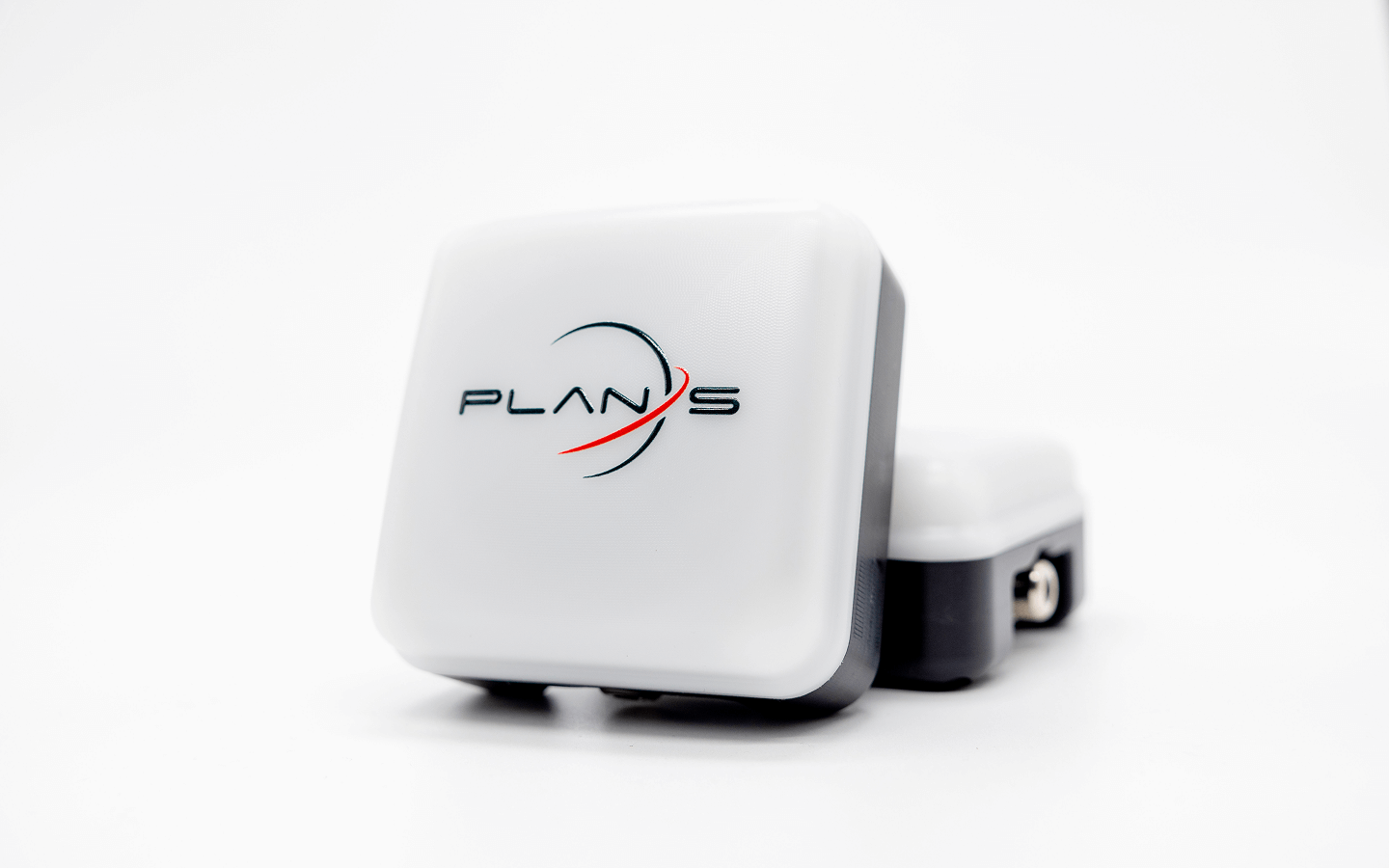
Plan-S, one of the world’s leading satellite and space technology companies, has developed the country’s first domestic satellite tracking device, supporting the conservation of the endangered loggerhead sea turtle species.

August 13, 2025

3 minute reading
#ANIMAL TRACKING
#CONNECTA
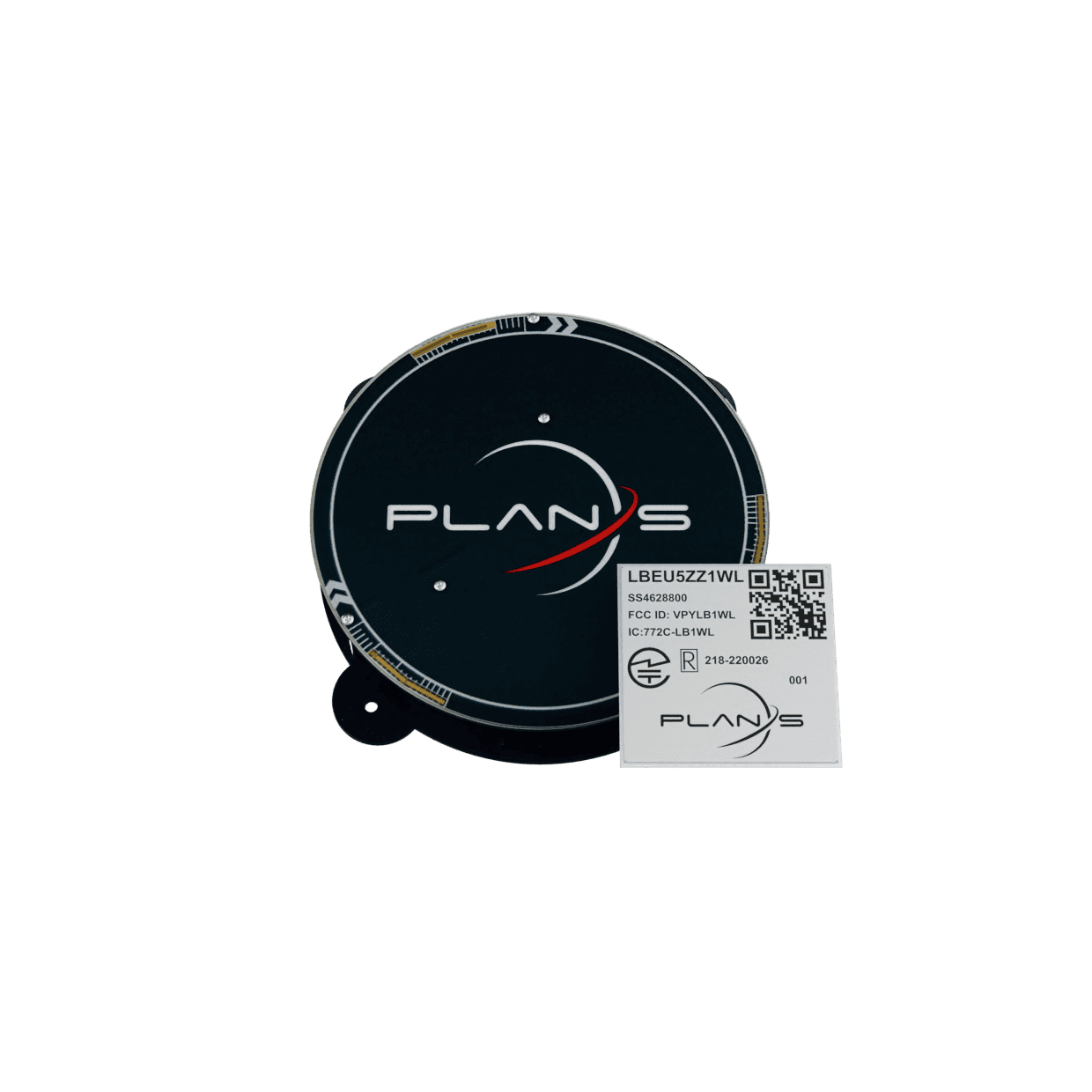
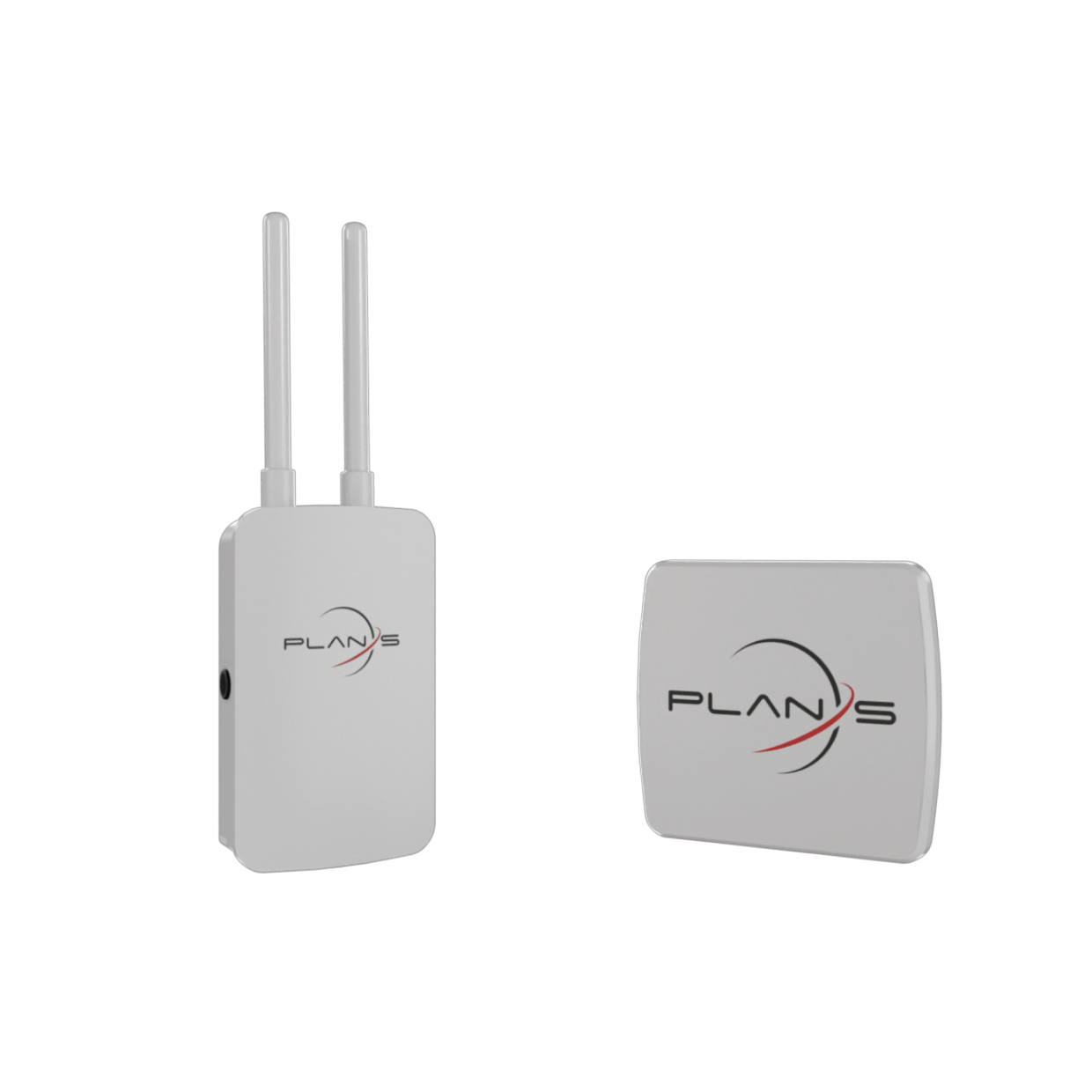
These innovative devices, designed and produced entirely with domestic capabilities by the Plan-S engineering team, have begun their mission after being attached to the sea turtles.
Space Technology in Nature Conservation Efforts
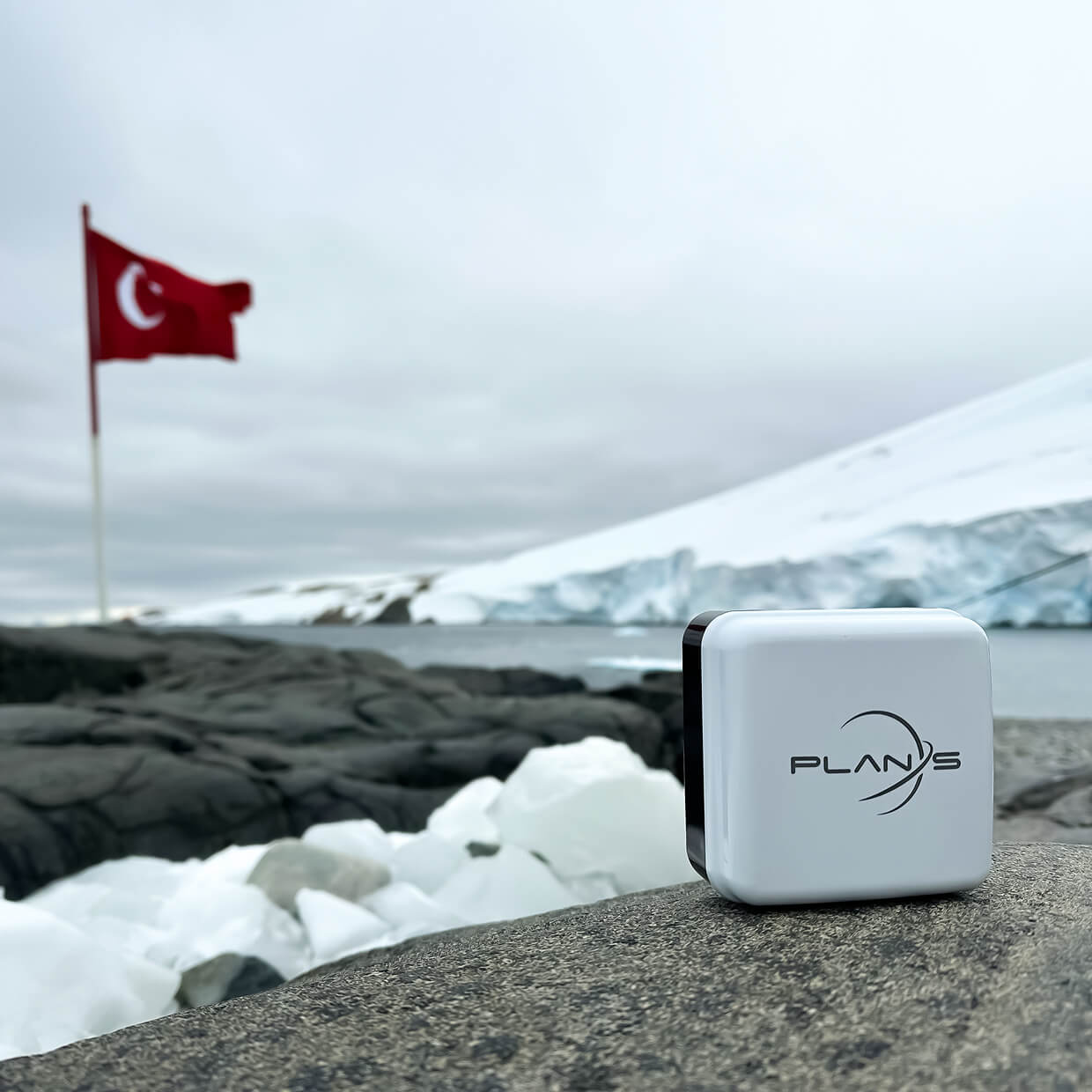
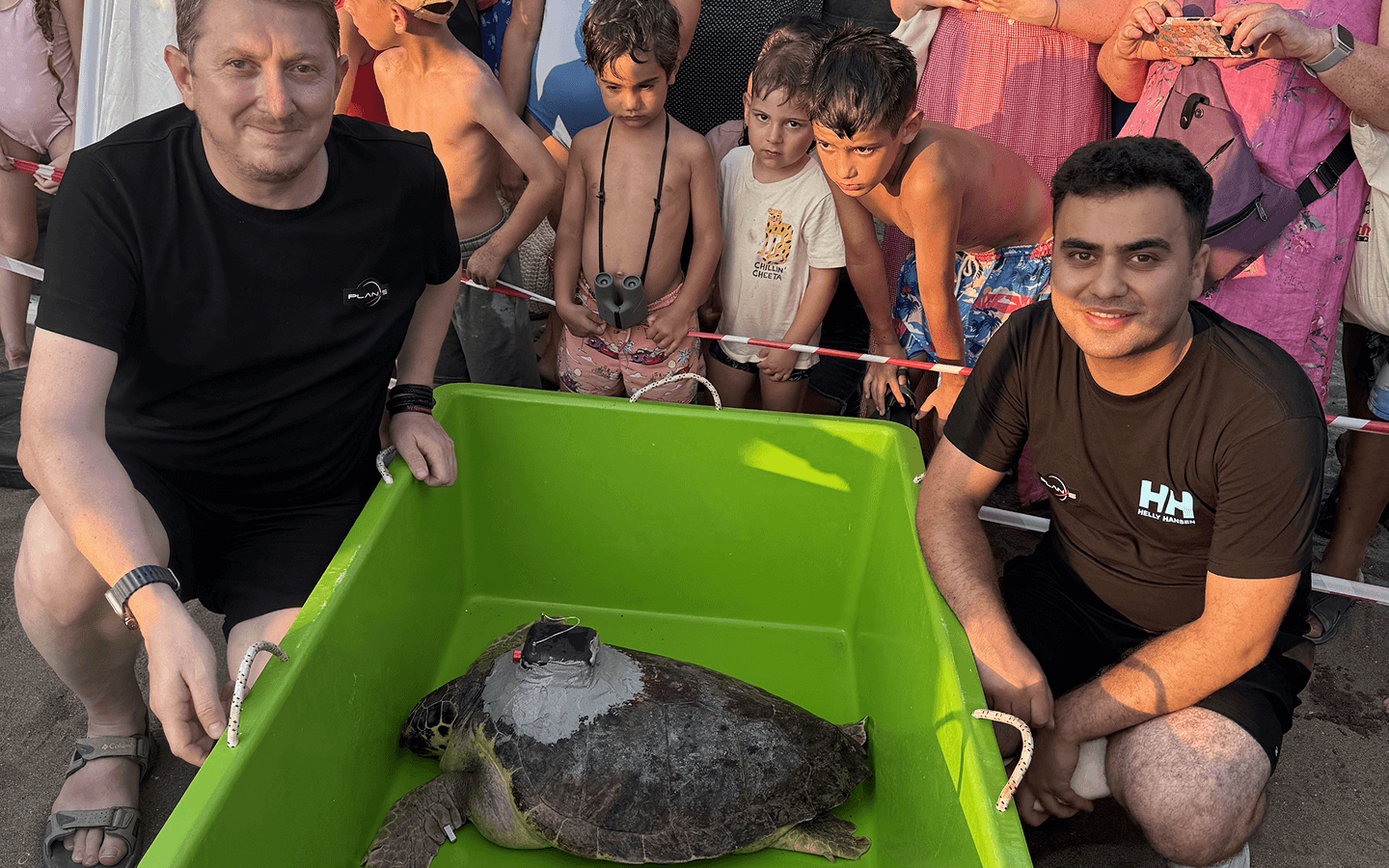
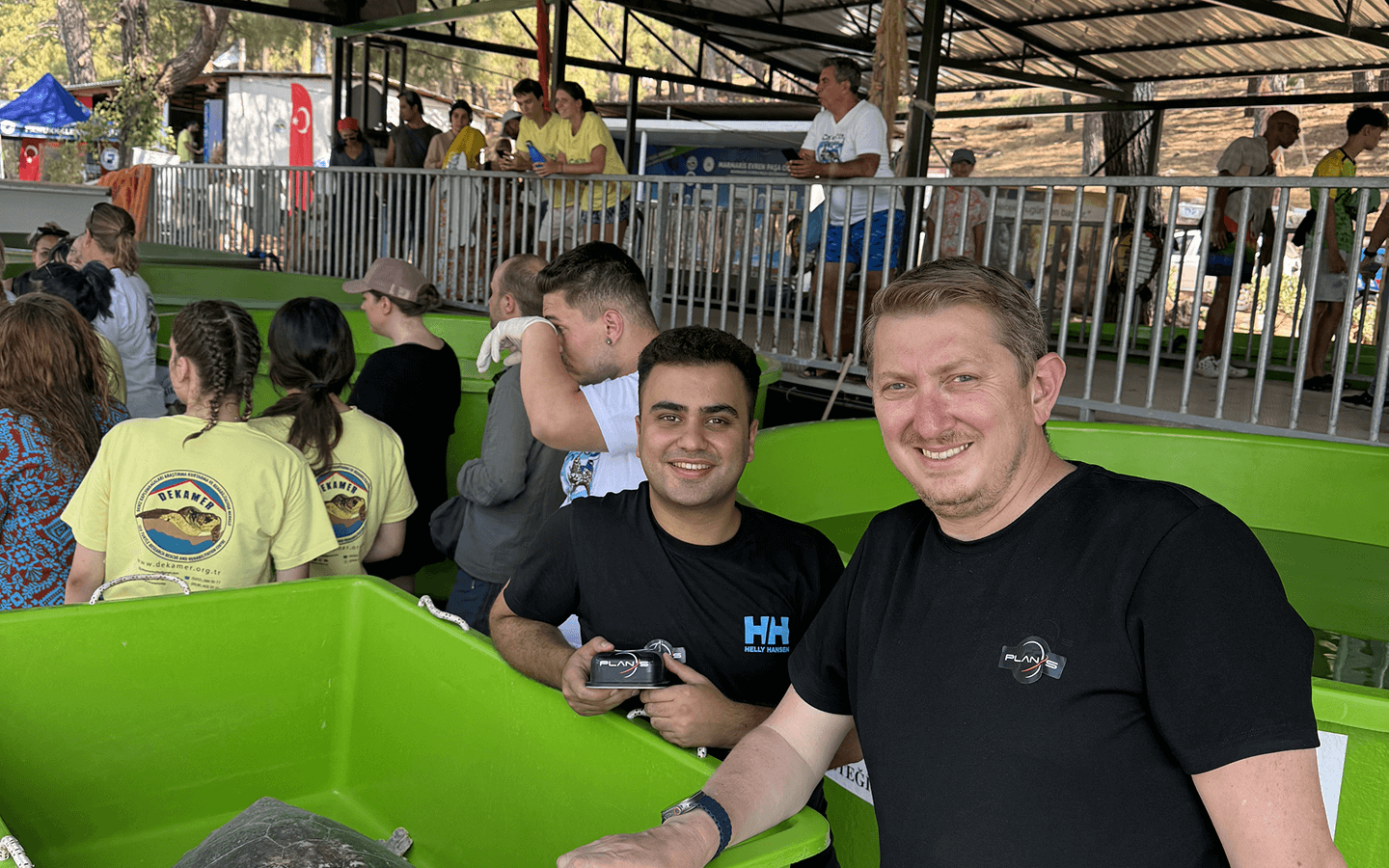
As part of its collaboration with Pamukkale University’s Sea Turtle Research, Rescue, and Rehabilitation Center (DEKAMER), Plan-S has deployed its own satellite tracking device on a young sea turtle named “Cosmos” at Dalyan İztuzu Beach to monitor the migration routes and habitats of sea turtles. Until now, these IoT devices, which were only imported from abroad and cost approximately $5,000 each, can be procured at a much lower cost thanks to Plan-S’s domestic production. This step will contribute to the nation’s technological independence and strengthen the sustainability of nature conservation efforts.
Integrated with a 17-Satellite Infrastructure
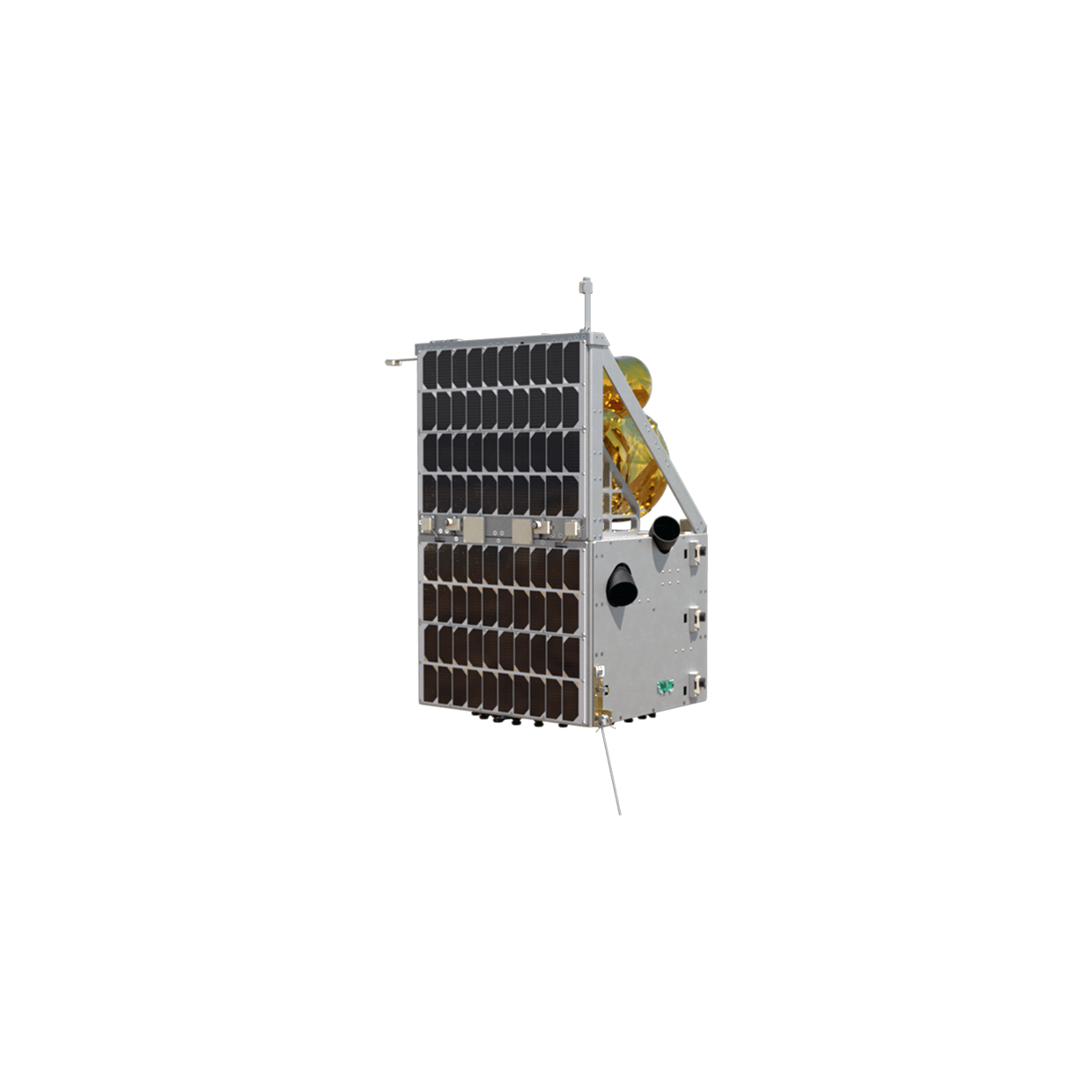
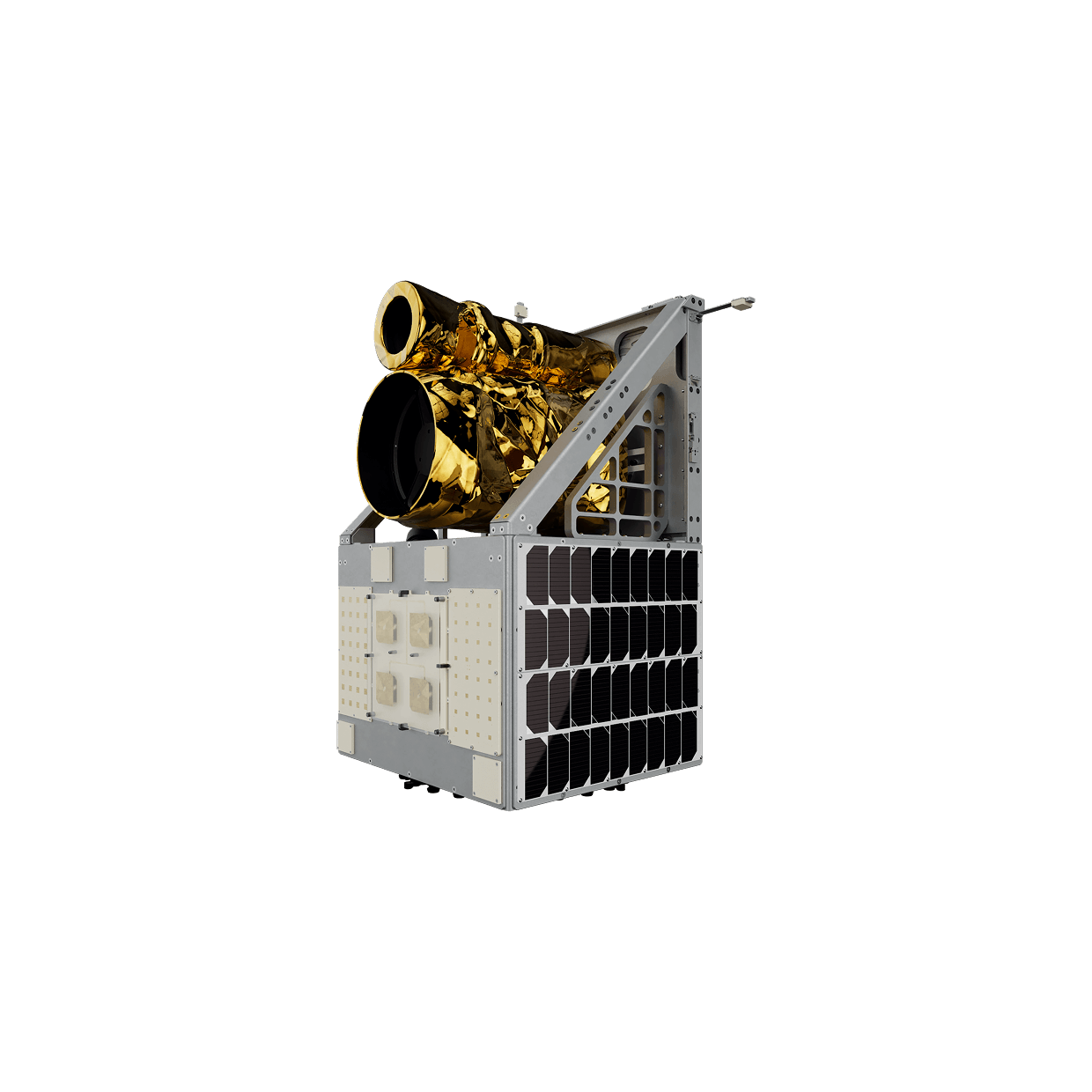
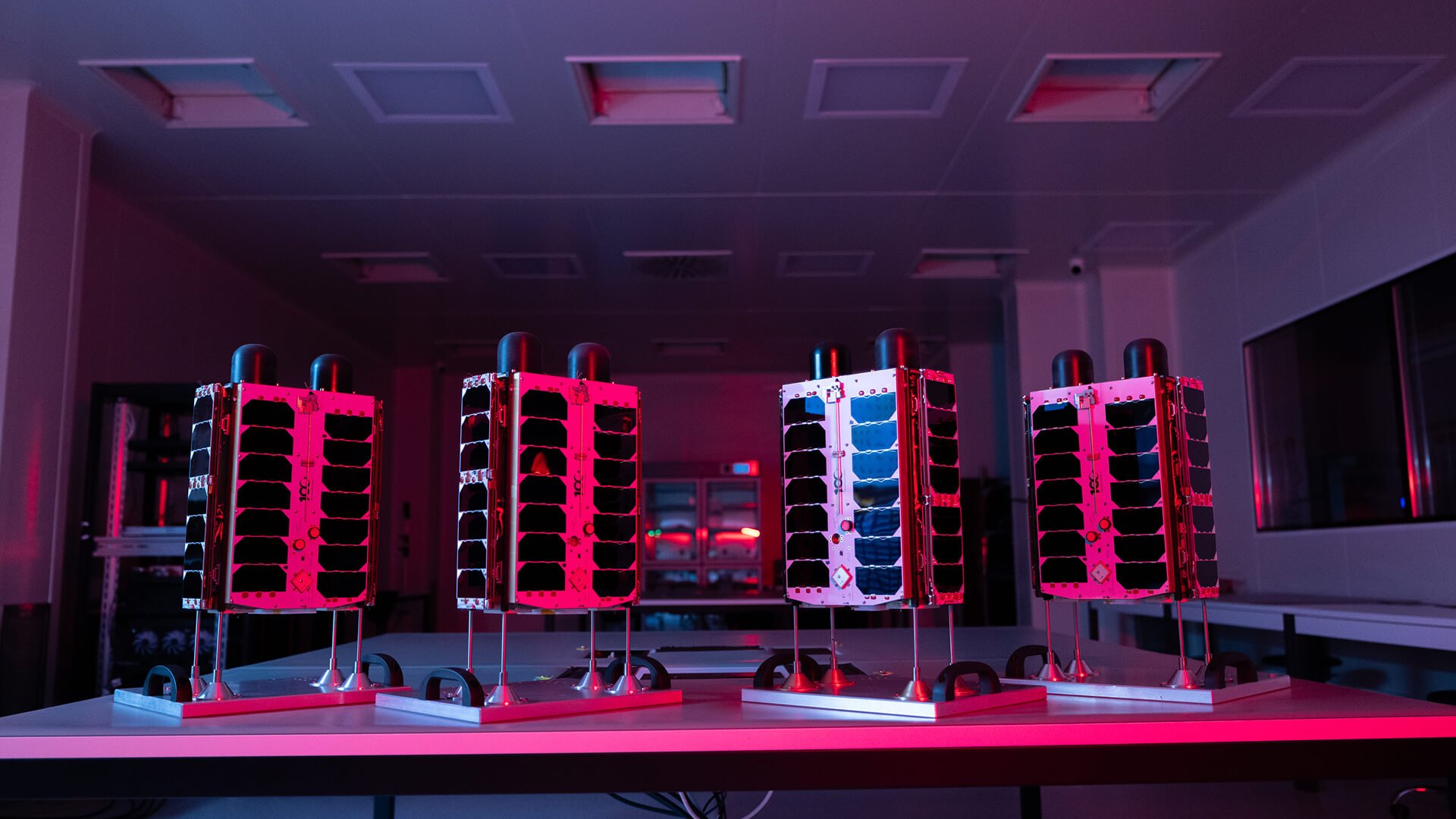
This domestic IoT device developed by Plan-S works integrated with the 17 Connecta IoT Network satellites currently in orbit. The device collects the turtle’s location and movement data directly via satellites, and this data is analysed by scientists to provide critical information for species conservation.
More Species Can Be Tracked
Plan-S tested the first prototype of its IoT tracking device with DEKAMER in early July. Following this process, development work on the device continued in collaboration with the Ecological Research Association (EKAD), which operates along a approximately 60-kilometer coastline from the Lara beaches of Antalya to the beaches of the Manavgat district. The prototype was transformed into a final product through improvements made with DEKAMER and was successfully attached to a young sea turtle named “Cosmos” on August 9th at Dalyan İztuzu Beach in a public event attended by local officials. After the event, Cosmos was released back into the sea to begin its journey.
In addition to these efforts for marine life conservation, Plan-S also plans to implement similar projects for tracking and protecting terrestrial animals. Dr. Umut Yıldız CSO at Plan-S, stated, “We see it as our duty to use our space technologies not only in commercial services but also in projects that will contribute to the protection of our planet.”
A Bridge Between Technology and Nature
Dr. Yıldız continued his remarks as follows: “This time, we are using our satellites in orbit to understand the life cycle of sea turtles and increase their chances of survival. This project is one of our most meaningful initiatives that brings together high technology and conservation awareness. In the upcoming period, we plan to implement similar tracking projects for species living not only in the seas but also on land. We hope that these studies will make significant contributions to the preservation of biodiversity and its transfer to future generations.”
NEWS
Related Insights
Explore how space assets and ground infrastructure work together, use cases, architectures, and field results from Plan-S projects.


Plan-S Expanted Connecta Constellation to 16, Launched 4 New Satellites More
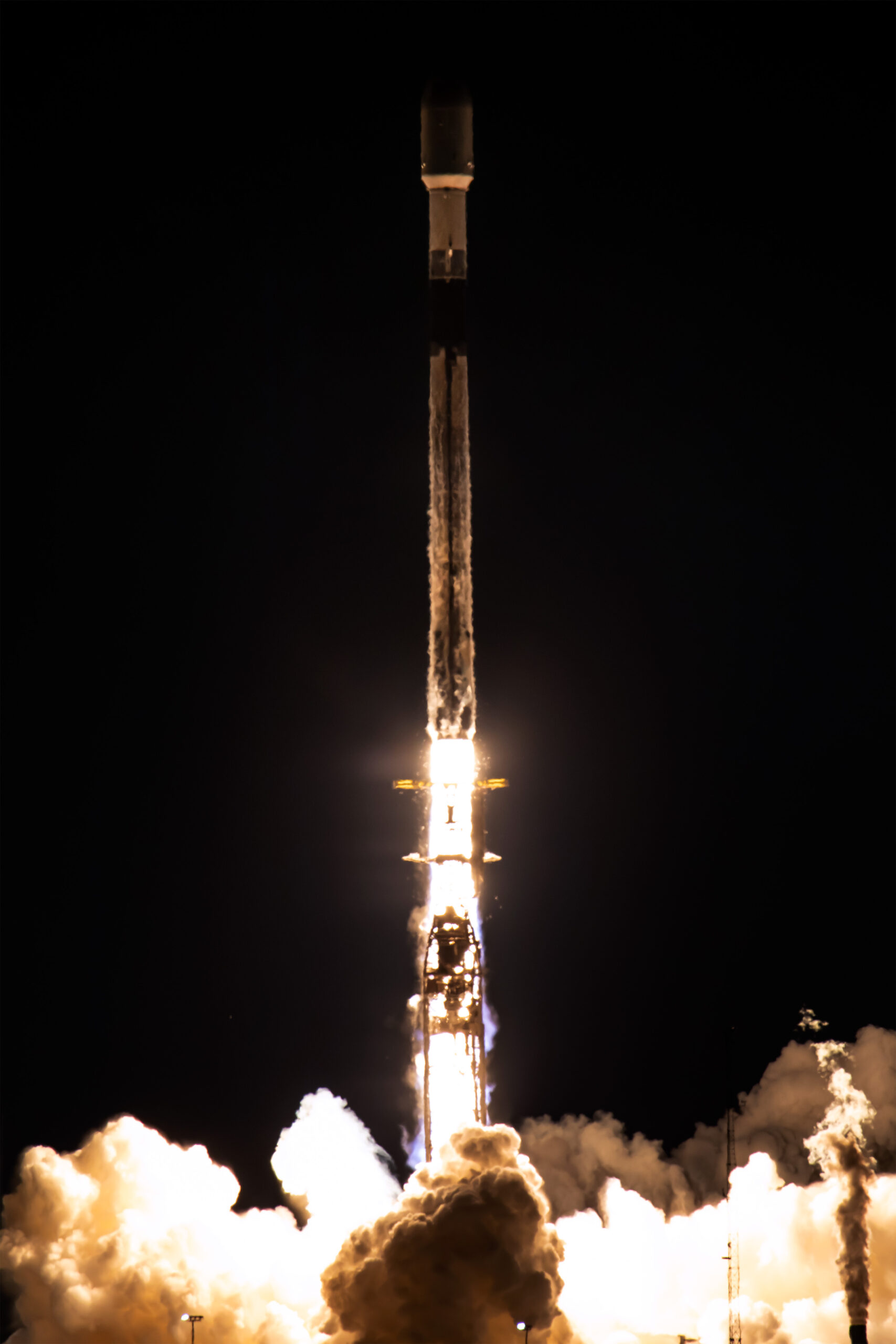
Plan-S, one of Türkiye’s leading companies in the global space sector, has successfully launched four new Connecta Internet of Things (IoT) satellites into orbit as part of SpaceX’s Twilight mission, increasing its total number of active IoT satellites to 16.
Plan-S and Türk Telekom Forge Strategic Collaboration in Satellite-Based Internet of Things
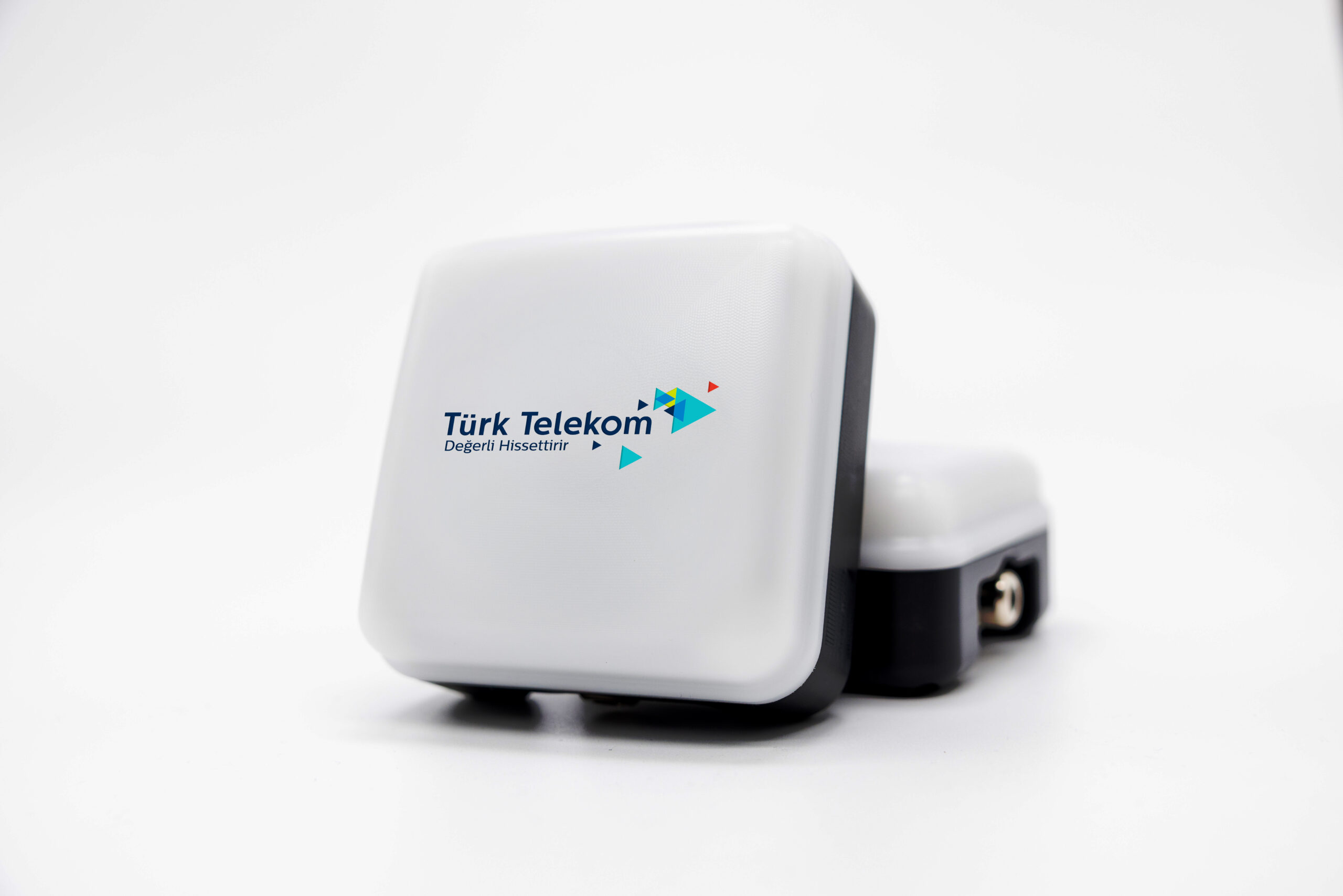
Plan-S, Türkiye’s next-generation satellite and space technologies company, and Türk Telekom, a pioneer in digital transformation, have signed a strategic agreement to disseminate satellite-based Internet of Things (IoT) services across Türkiye and offer them integrated into Türk Telekom’s solutions. Under the agreement, Türk Telekom will incorporate the Low Earth Orbit (LEO) satellite IoT connectivity service, provided by Connecta (a 100% subsidiary of Plan-S), into its own product portfolio.
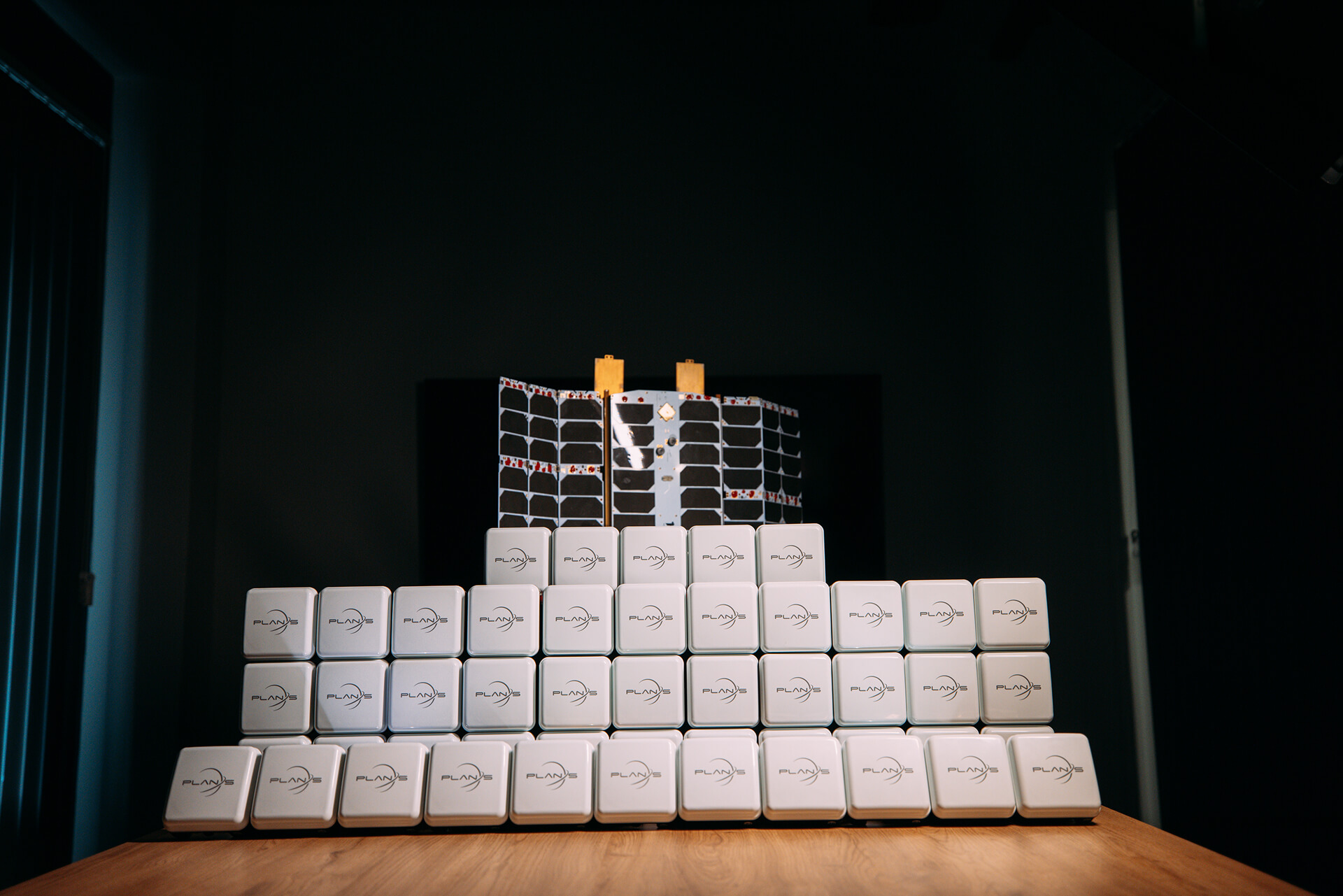
Plan-S Strengthens Its Position in the Global Market with Turkish Satellite Technologies
Following the completion of regulatory processes in Türkiye, Australia, and Denmark for satellite-based Internet of Things (IoT) communications, Plan-S has reached a significant milestone in its global growth strategy.
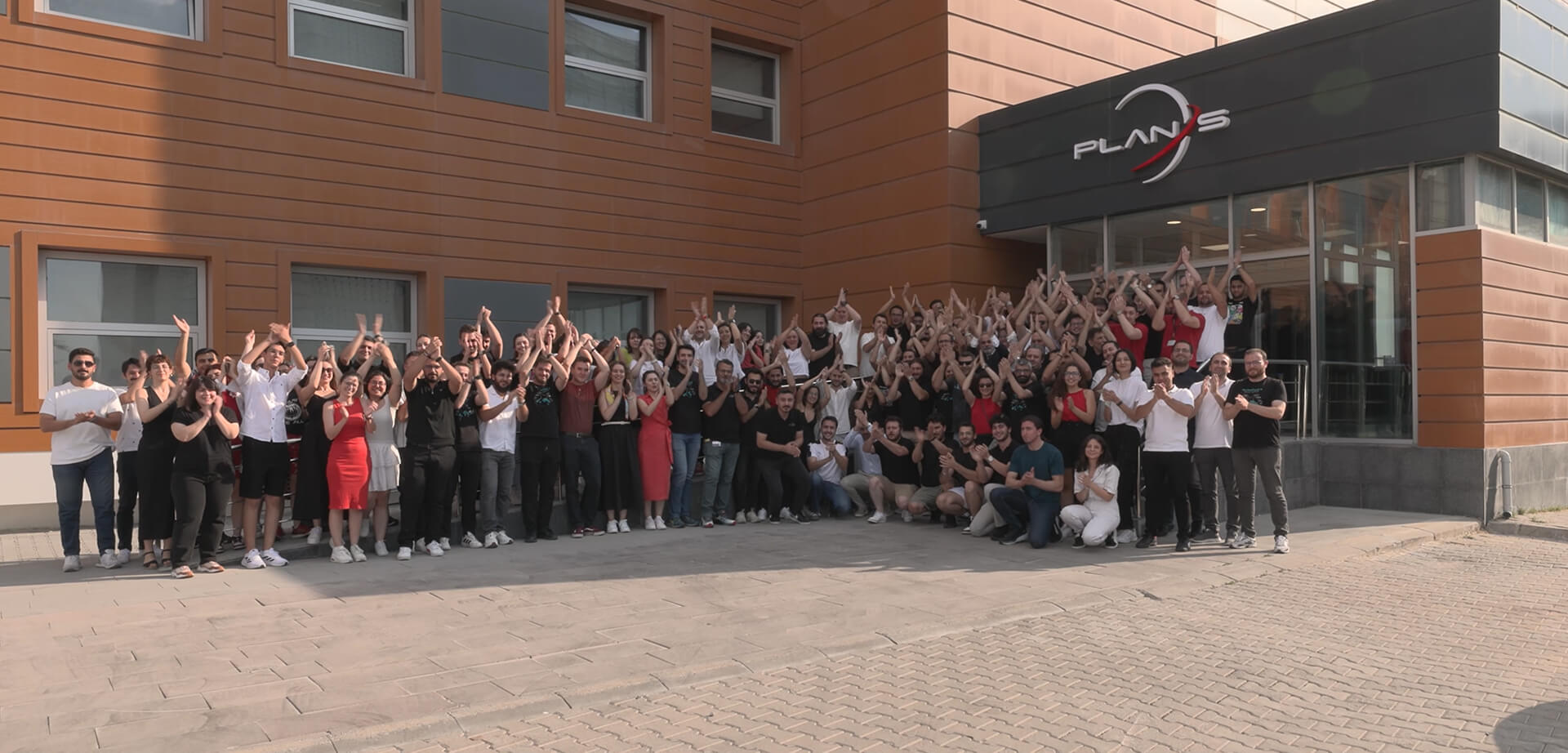
Plan-S Honored with Three Prestigious Awards from Great Place to Work®!
These results are a testament to the excellence Plan-S has achieved not only in technology but also in its corporate culture.
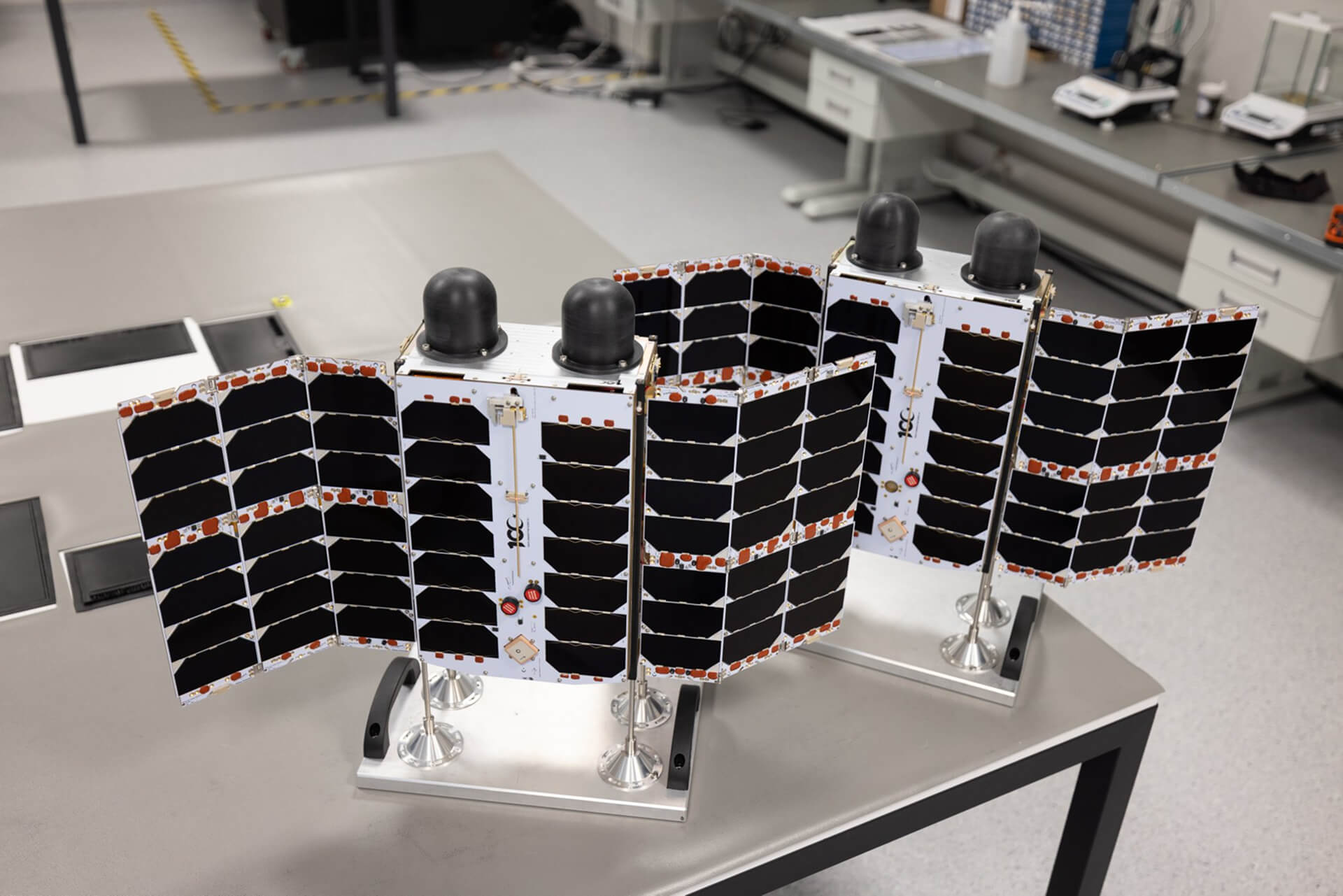
5G Service to Get a Boost from Space
The next-generation Connecta IoT satellites, scheduled for launch next year, will be equipped with 5G NB-IoT technology.
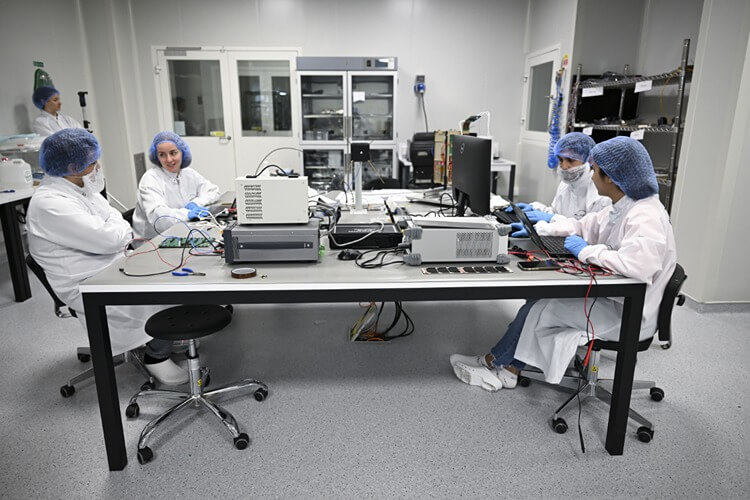
Plan-S to Introduce Türkiye to New Satellite Services, Announces Global Expansion and Ambitious Constellation Roadmap
Plan-S, a leading player in Türkiye’s burgeoning space sector, is set to introduce a new era of domestic satellite services, focusing on the commercialization of space.
License Granted for Türkiye’s First LEO Satellite Constellation
This historic step is not only a first for Türkiye but also creates powerful momentum for Plan-S’s goal of providing satellite-based IoT services in global markets.

Plan-S Installs Satellite Tracking Technology on METU’s Research Vessel
The flagship vessel of METU’s Institute of Marine Sciences, a leading institution in maritime research, R/V Bilim-2, will be tracked for 45 days by the domestic satellite-based tracking system developed by Plan-S.
Plan-S Expands its Global Network with Satellite Ground Stations
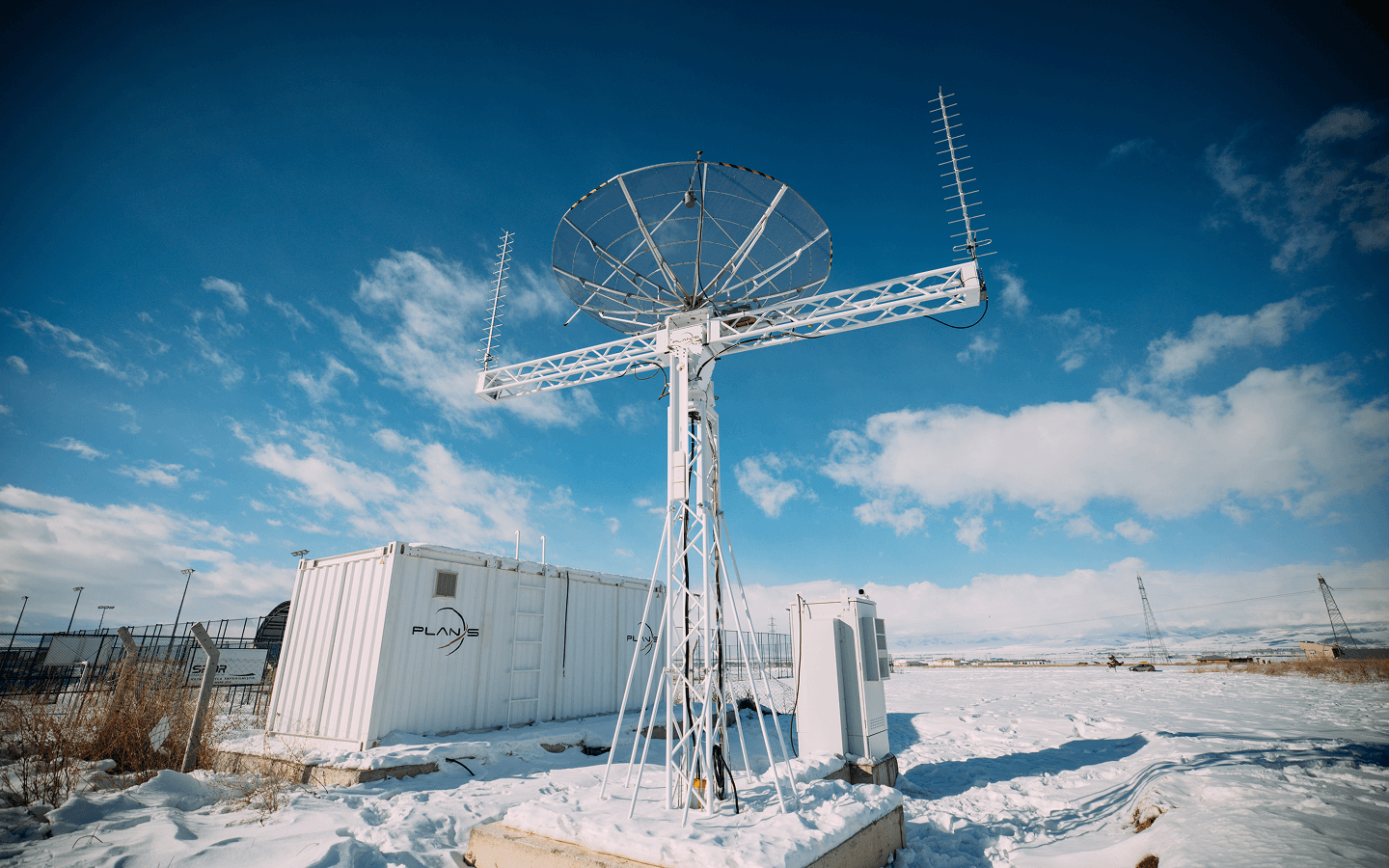
Plan-S, one of the world’s leading satellite and space technology companies, is strengthening its global satellite communication infrastructure with its self-developed ground stations.
A New Era for IoT Applications in Azerbaijan: Plan-S Completes Integration with Azercosmos and Elsmart
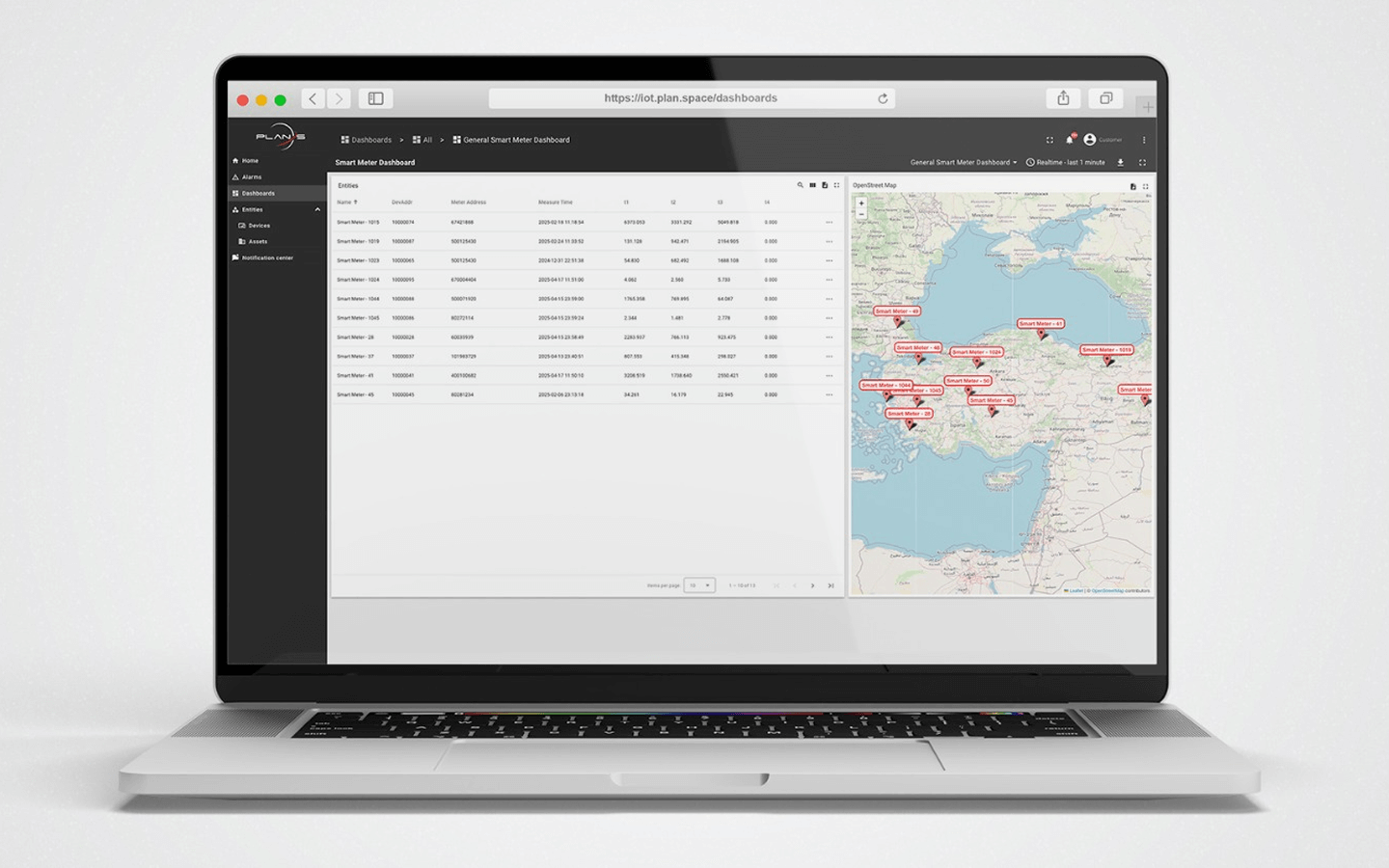
Plan-S has achieved another significant milestone within the scope of its Connecta IoT Network integration efforts with Azercosmos. Data obtained from sensors developed by the Azerbaijan-based technology company Elsmart was successfully transmitted via Plan-S’s satellite constellation.
Plan-S Expands Global IoT Coverage with Four New Satellites
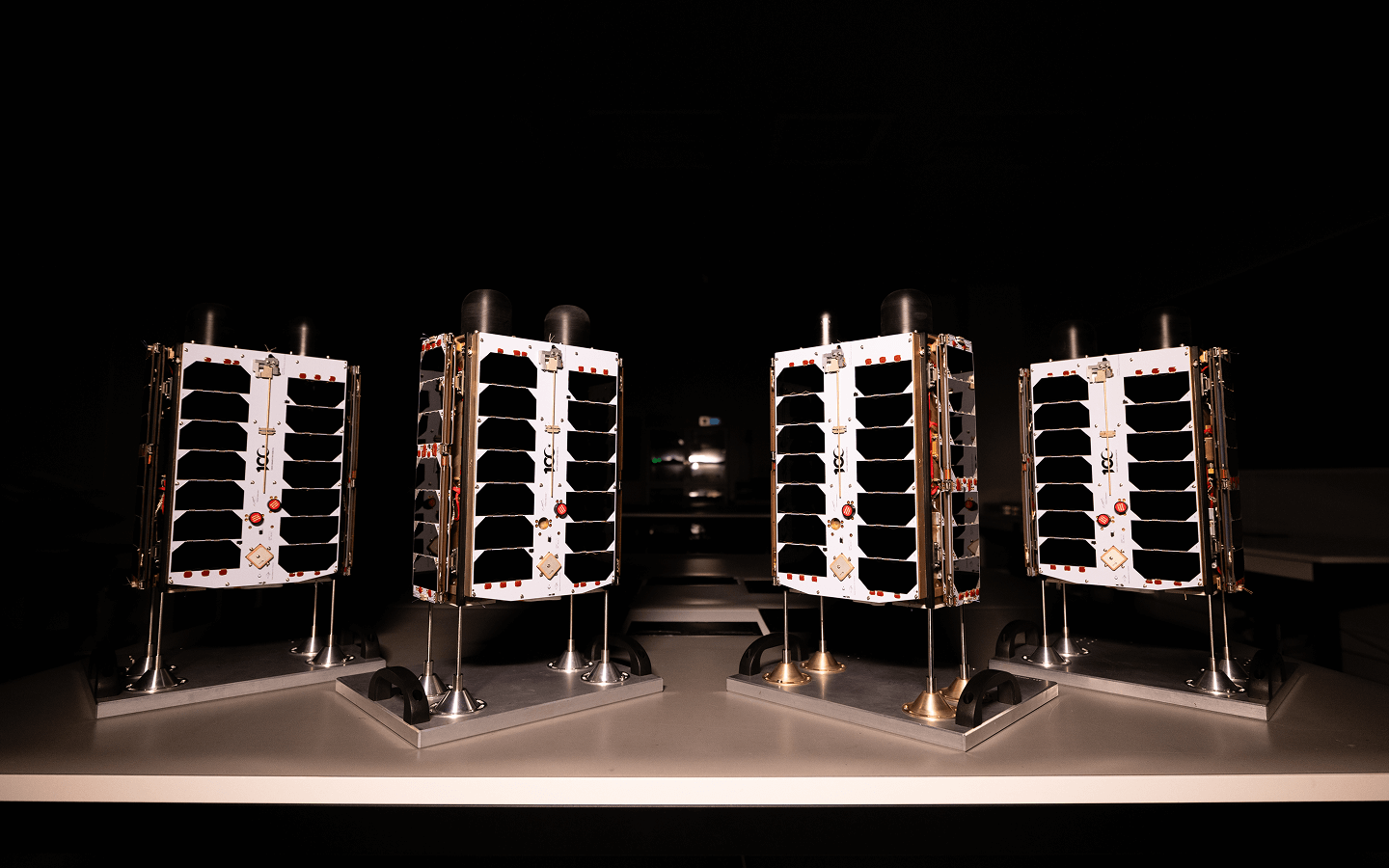
Plan-S, a prominent player in satellite and space technologies, has successfully launched four additional satellites aboard SpaceX’s Falcon 9 rocket as part of the Transporter-14 mission.
A New Generation in Energy Technology Begins: Meters Connected to Plan-S Satellites
A satellite-based meter reading system has been launched in Muğla through the strategic cooperation of Plan-S and Adm Elektrik.