

Rise of Small Satellites: Enabling Sovereign Space Infrastructure
Over the past decade, the global space industry has been undergoing a fundamental transformation. At the heart of this evolution lies a powerful trend “the rapid rise of small satellites” (typically classified as spacecraft weighing under 500 kg).

February 26, 2026

4 minute reading
#SATELLITE
#smalsats
Once considered experimental tools for academia, small satellites are now the backbone of the New Space Economy, driving innovation, accessibility, and high reliability while maintaining cost-efficiency and agility. By 2026, the small satellite market is projected to reach $6.7 billion, with a compound annual growth rate (CAGR) of nearly 20%. This isn’t just growth; it’s a structural shift in how humanity utilizes orbit.
Key Factors Fueling the Growing Small Satellite Demand
Several strategic drivers are accelerating this shift from traditional satellites to agile small platforms:
• Faster Development Cycles: Traditional satellites often require 5–10 years to deploy. Small satellites can move from concept to orbit in under 24 months, enabling rapid technology refresh cycles and reducing the risk of “launching obsolete tech.”
• Lower Mission Costs: Miniaturization and rideshare launch opportunities have lowered the barrier to entry. This allows private enterprises and emerging space nations to build sovereign space capabilities without billion-dollar budgets.
• Constellation-Based Architectures: Moving away from single, vulnerable assets, the industry now favors Low Earth Orbit (LEO) constellations.
This approach ensures:
o Persistent Monitoring: Higher revisit frequencies (minutes instead of days).
o Resilience: If one satellite fails, the network remains operational.
o Scalability: Capacity can be added incrementally as demand grows.
Strategic Importance and Emerging Trends in 2026
Much like mobile phones shrunk to extremes before expanding back to a ‘sweet spot’ that balances portability with high-performance screens and batteries, the new space industry is shifting from the limitations of cubesats back toward the micro (10-100kg) and mini (100-500kg) satellite classes. This re-optimization provides the ideal physical volume to house advanced optical payloads, high-gain antennas, and robust power systems that smaller form factors simply cannot sustain. As we look toward 2030, several strategic themes define the next phase of small satellite competition.
• Sovereign Space Systems: Governments are shifting from buying third-party services to owning their own sovereign satellite infrastructures. This ensures data security and operational autonomy in an increasingly contested global landscape.
• Edge Computing & AI Integration: Modern small satellites are no longer just “data pipes.” They are becoming orbiting data centers. By processing data in-orbit using AI, they can send only the most critical “actionable intelligence” to the ground, drastically reducing latency.
• High-Performance Payload Demands: Today’s mission-critical payloads (such as ultra high-resolution optical sensors and Synthetic Aperture Radar (SAR)) require significant power budgets and high-speed data downlinks that only micro and mini platforms can reliably provide.
• Mission Reliability & Longevity: As industry matures, the focus has shifted from “experimental” to “operational.” The micro/mini class allows for the redundancy and sophisticated thermal management necessary to ensure a 5-to-7-year mission lifespan in harsh orbital environments.
Our Role in the Small Satellite Revolution: The Plan-S Advantage
As a leading new space company, Plan-S is not just participating in this transformation; we are leading it. Our competitive advantage lies in our vertically integrated model. We bridge the gap between complex engineering and end-user applications by handling everything from design to data delivery in-house.
To meet the rigorous demands of the new space market, we have developed modular product families that serves as a high-performance foundation for any mission:
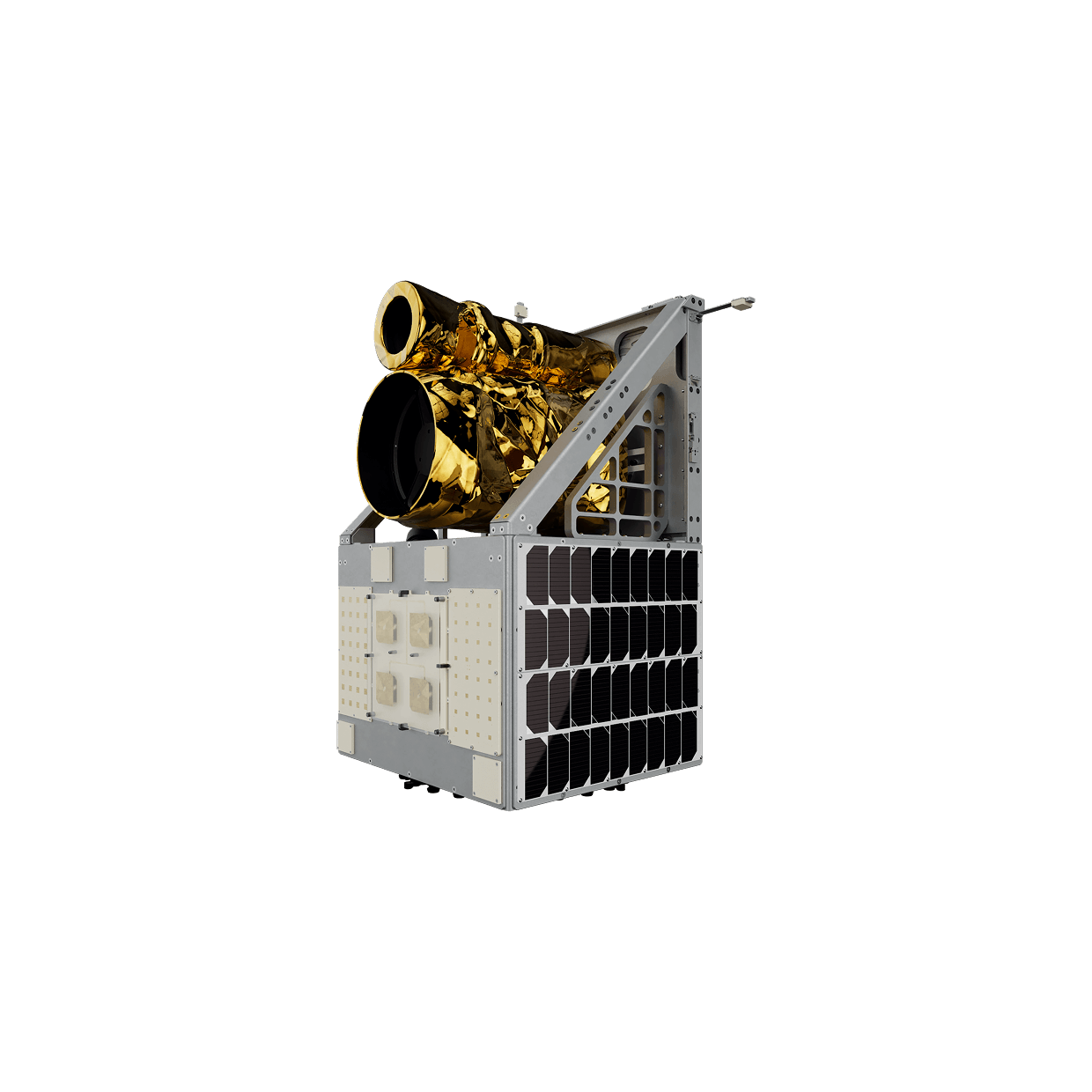
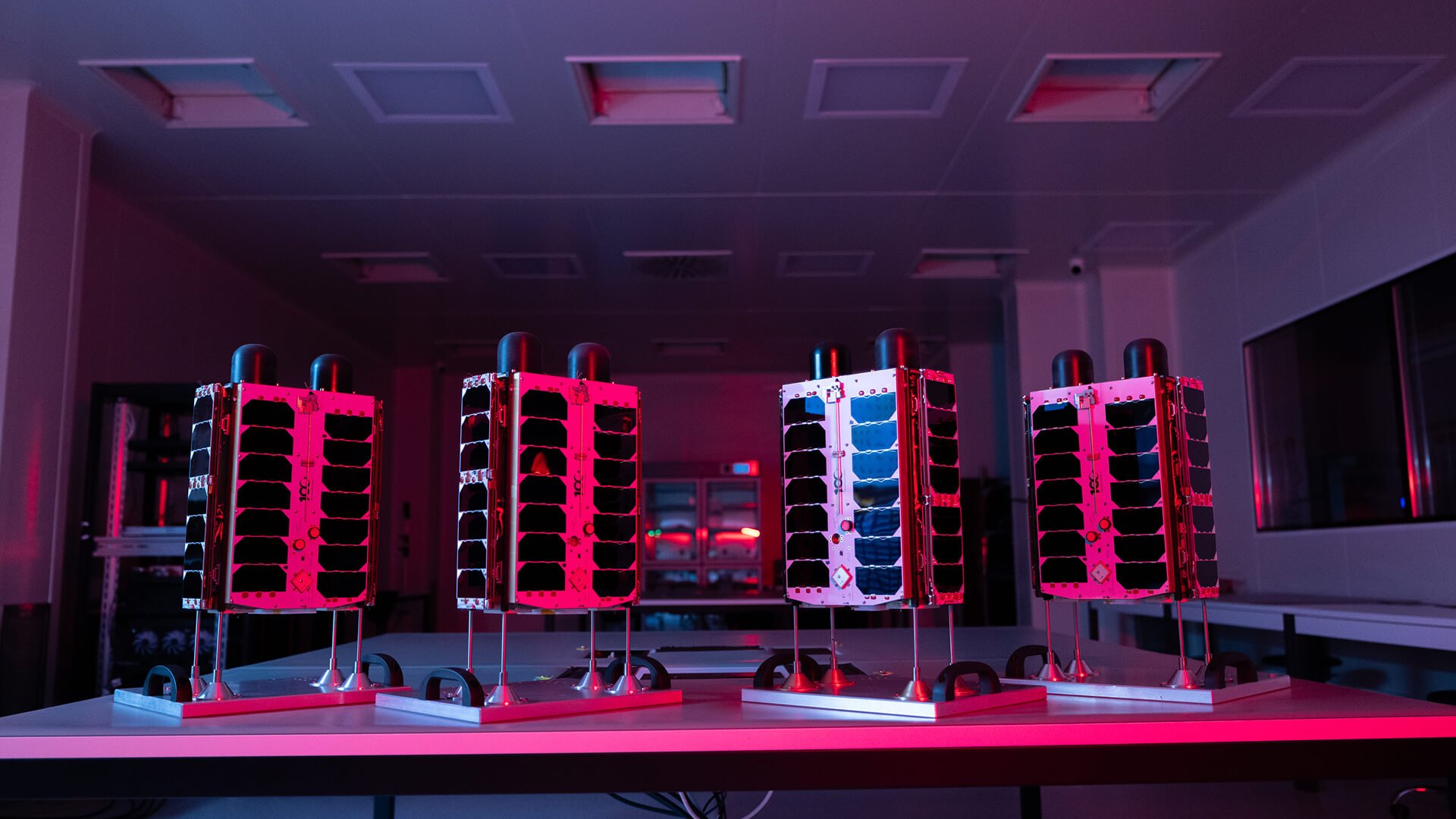
• MicroCore Platform Family (Microsatellite Segment): A highly adaptable architecture with high reliability and optimized cost. MicroCore family is optimized for mass production and rapid constellation deployment, making it the ideal choice for earth observation, RF signals intelligence and network-based applications.
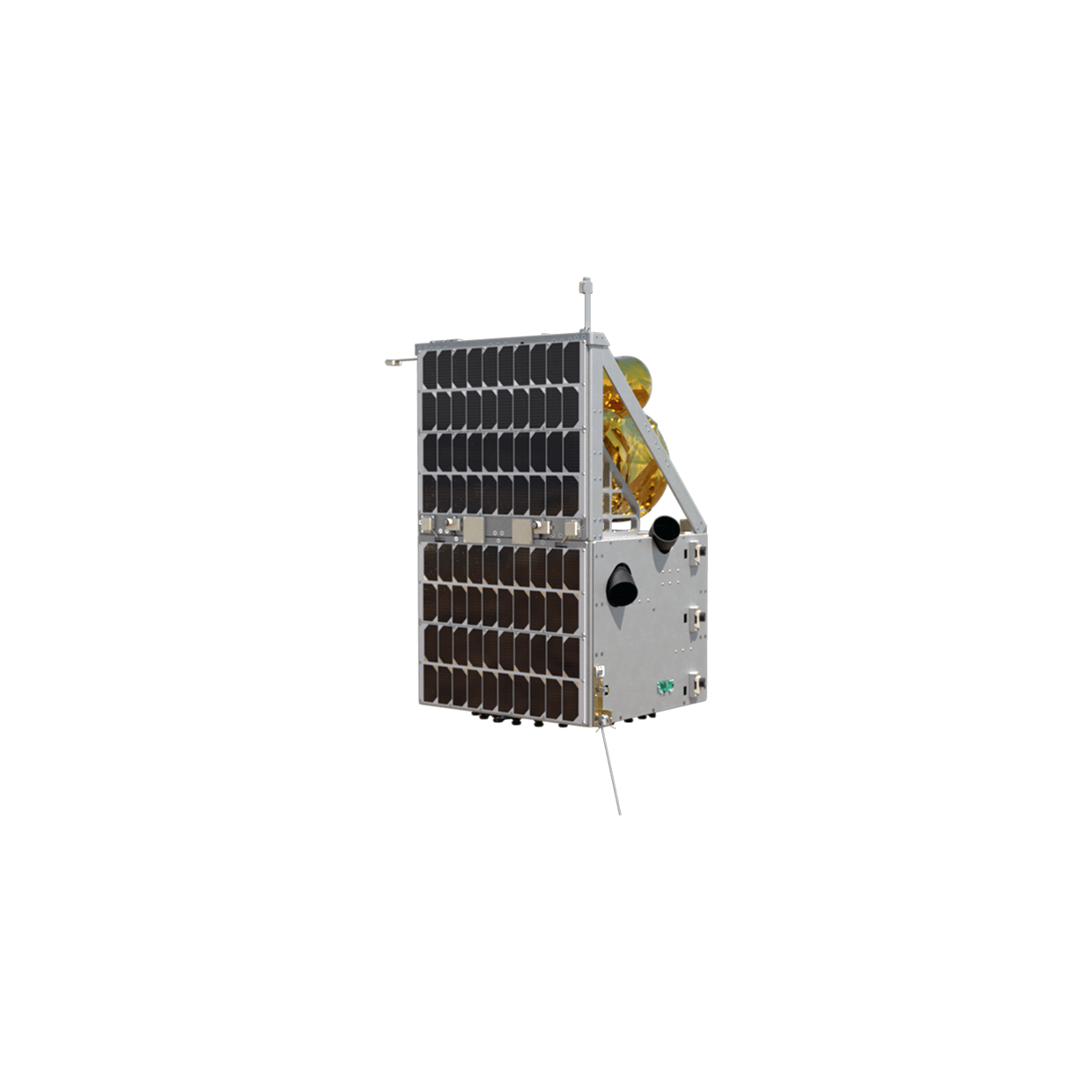
• MiniCore Platform Family (Minisatellite Segment): Built for high-performance and critical missions. MiniCore supports advanced payloads such as SAR (Synthetic Aperture Radar), ultra high-resolution optical imagers and high throughput communication payloads featuring enhanced edge computing and power budgets for data-heavy applications.
Beyond Manufacturing: End-to-End Space Services
At Plan-S, we believe the future of space is about outcomes, not just hardware. Our “Space Services” line covers the full mission lifecycle including but not limited to:
• Mission Concept & Systems Engineering
• Satellite Manufacturing
• Integration, Testing, and Launch Coordination
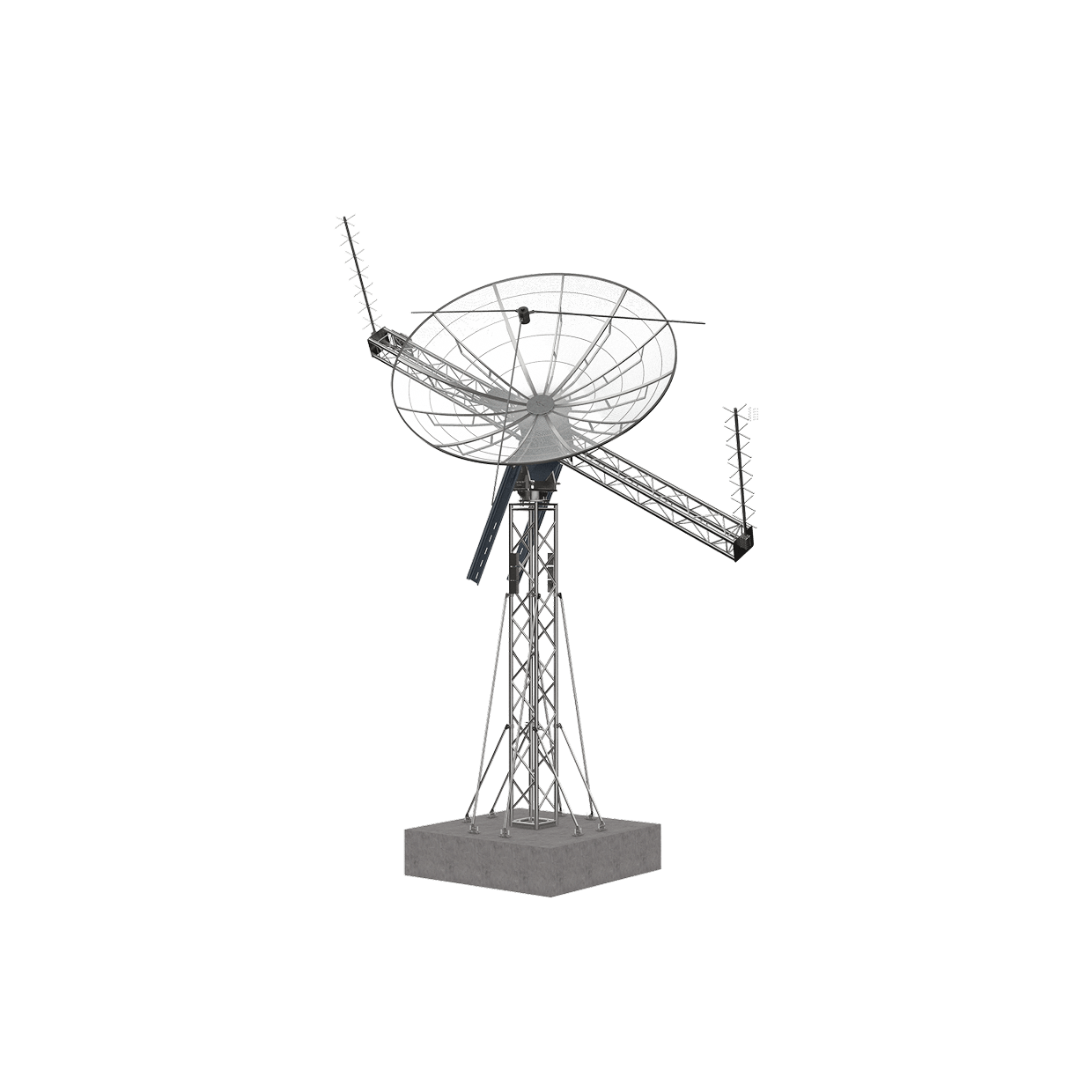
• In-Orbit Operations & Ground Segment Integration
• Data Services & Actionable Insights
This approach allows our partners to focus on their core business while we handle the complexities of space.
Building Smarter Space Systems for Tomorrow
The rise of small satellites signals a more democratic and distributed space economy. Space is no longer a luxury, it is a critical infrastructure for connectivity, environmental intelligence, and global security. With our modular platforms, rapid manufacturing capabilities, and vision for a more connected world, Plan-S is powering the services that operate on a truly global scale.
BLOG
Related Insights
Explore how space assets and ground infrastructure work together, use cases, architectures, and field results from Plan-S projects.


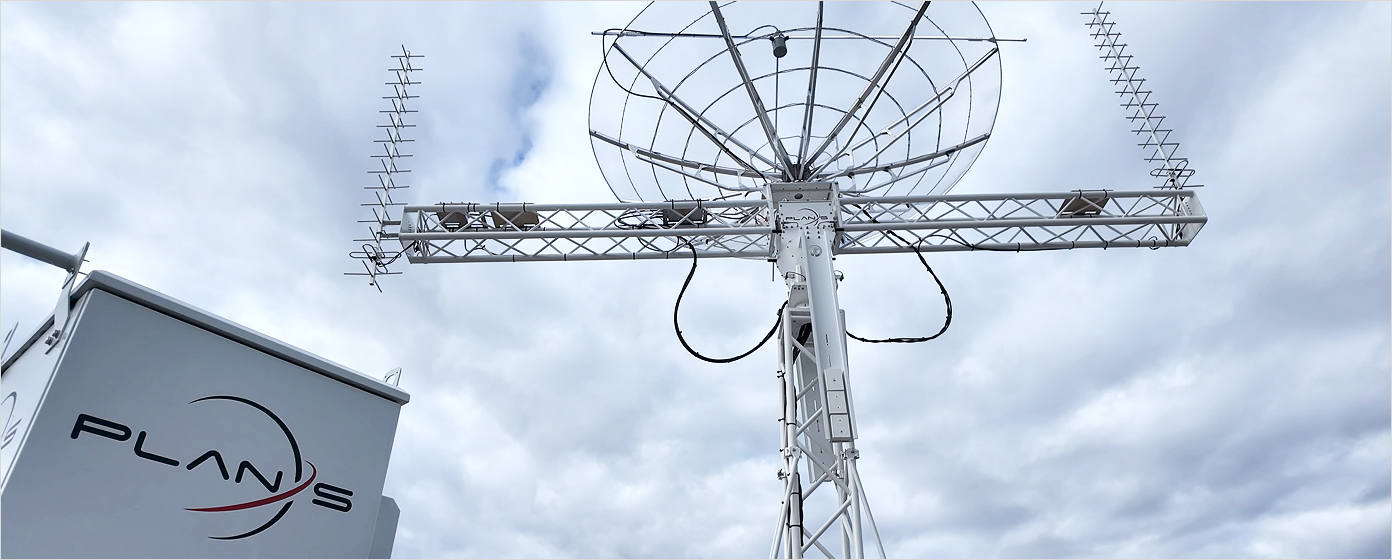
Satellite IoT Isn’t the Enemy of Terrestrial Internet, It’s the Missing Piece
Satellite IoT completes terrestrial networks: Plan-S’s Connecta IoT Network bridges coverage gaps, keeps data flowing during outages, and enables low-power, low-cost connectivity worldwide.