

Satellite IoT Isn’t the Enemy of Terrestrial Internet, It’s the Missing Piece
Satellite IoT completes terrestrial networks: Plan-S’s Connecta IoT Network bridges coverage gaps, keeps data flowing during outages, and enables low-power, low-cost connectivity worldwide.

October 14, 2025

2 minute reading
#COMMUNICATION
#IOT
When we talk about satellite IoT, people sometimes think it’s here to replace the networks we already rely on. In reality, it’s not competition. It’s connection. Satellite IoT complements terrestrial internet by filling the gaps where coverage ends and communication becomes unreliable.
Filling the coverage gaps
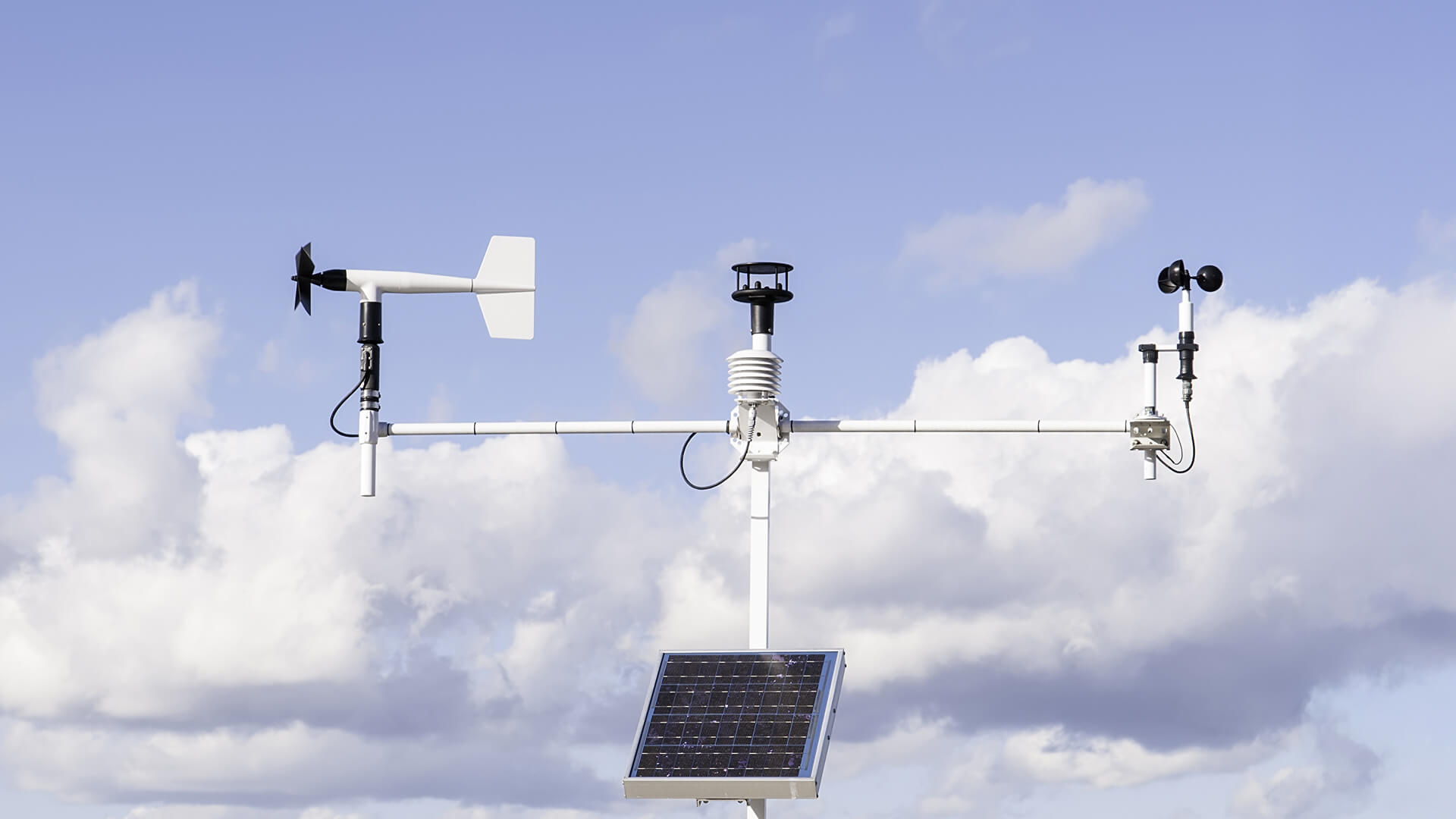
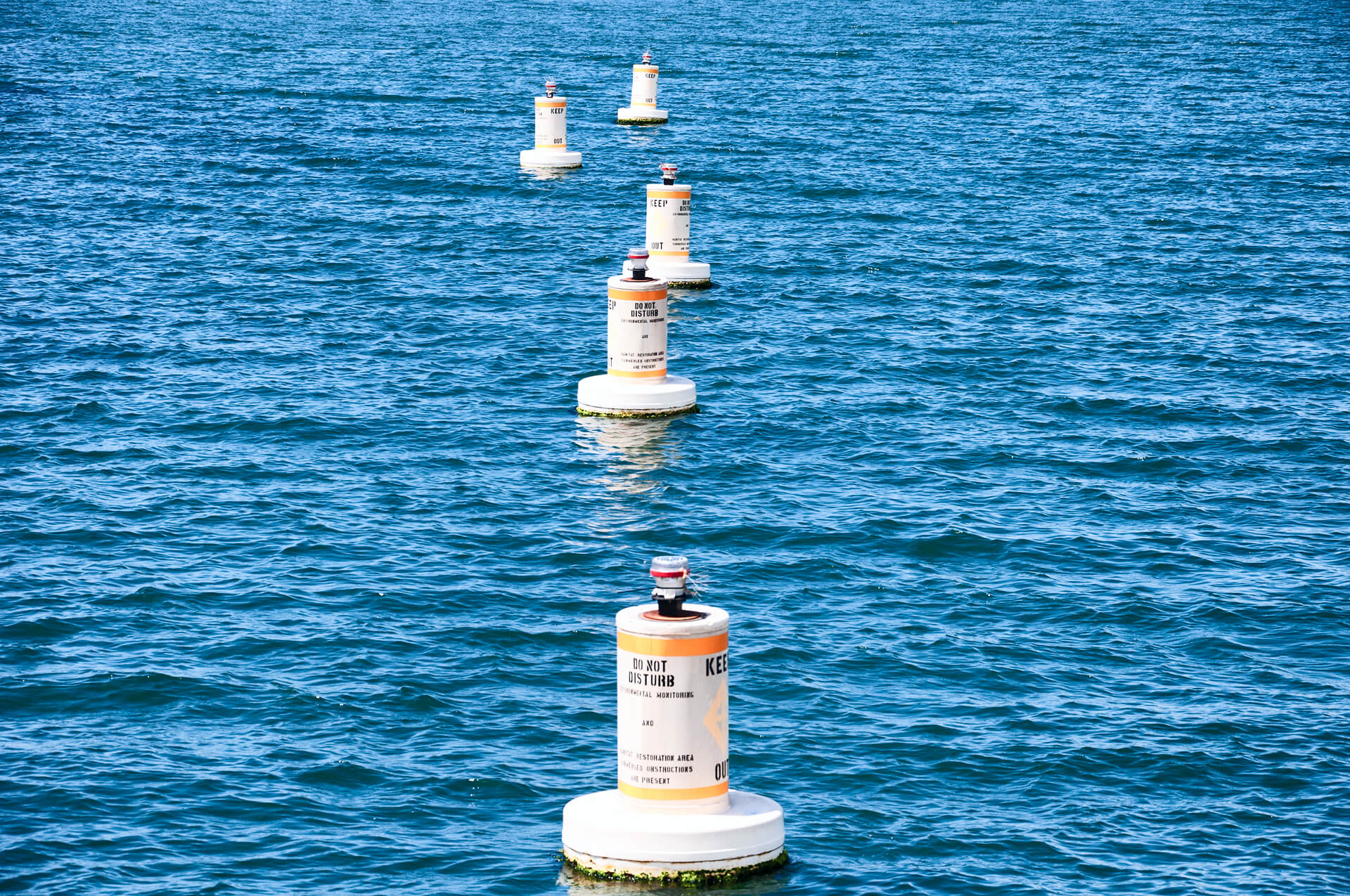
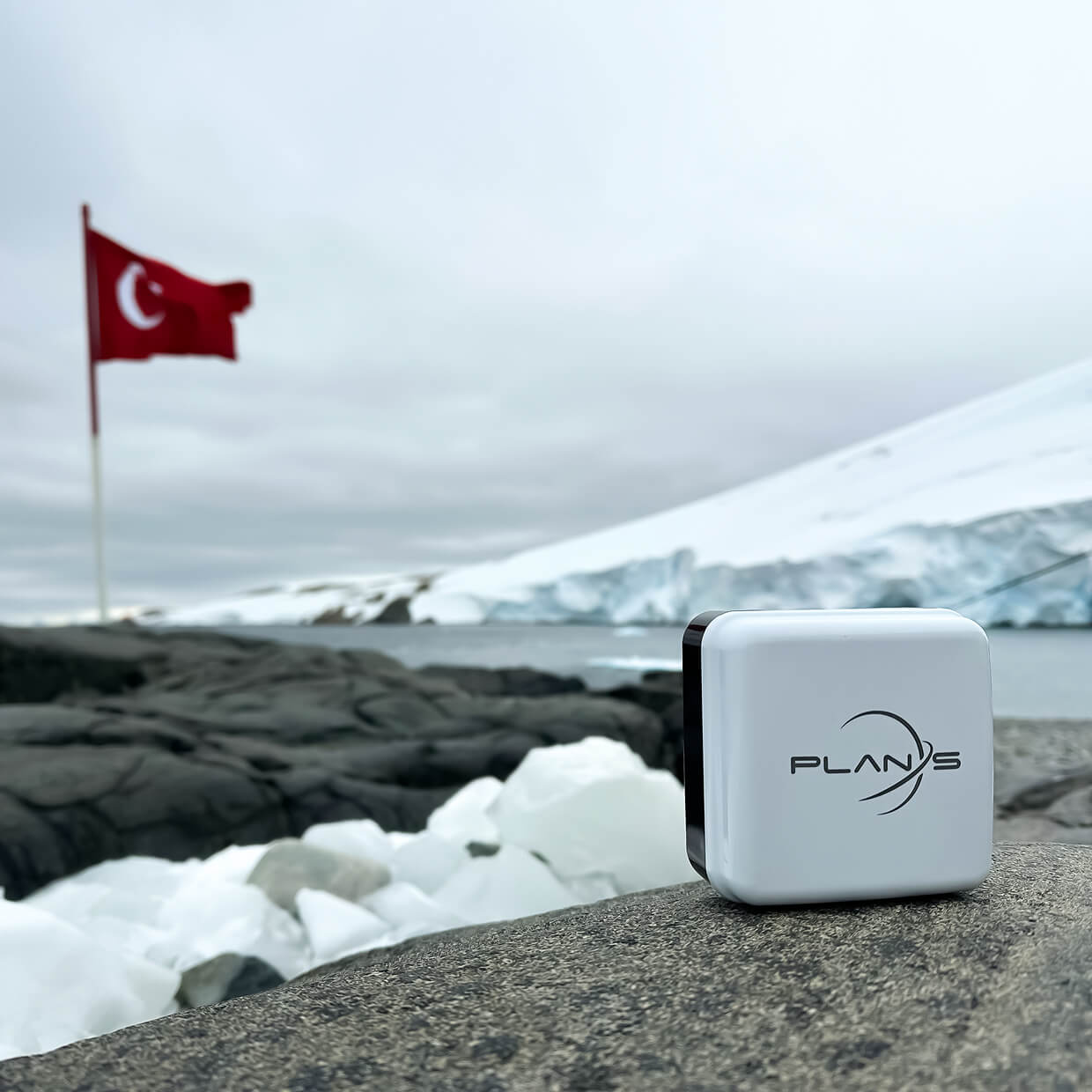
Cell towers and fiber lines serve cities well, but large parts of the world still sit outside their reach. Think of rural areas, open seas, oil fields, farms, or mountain regions.
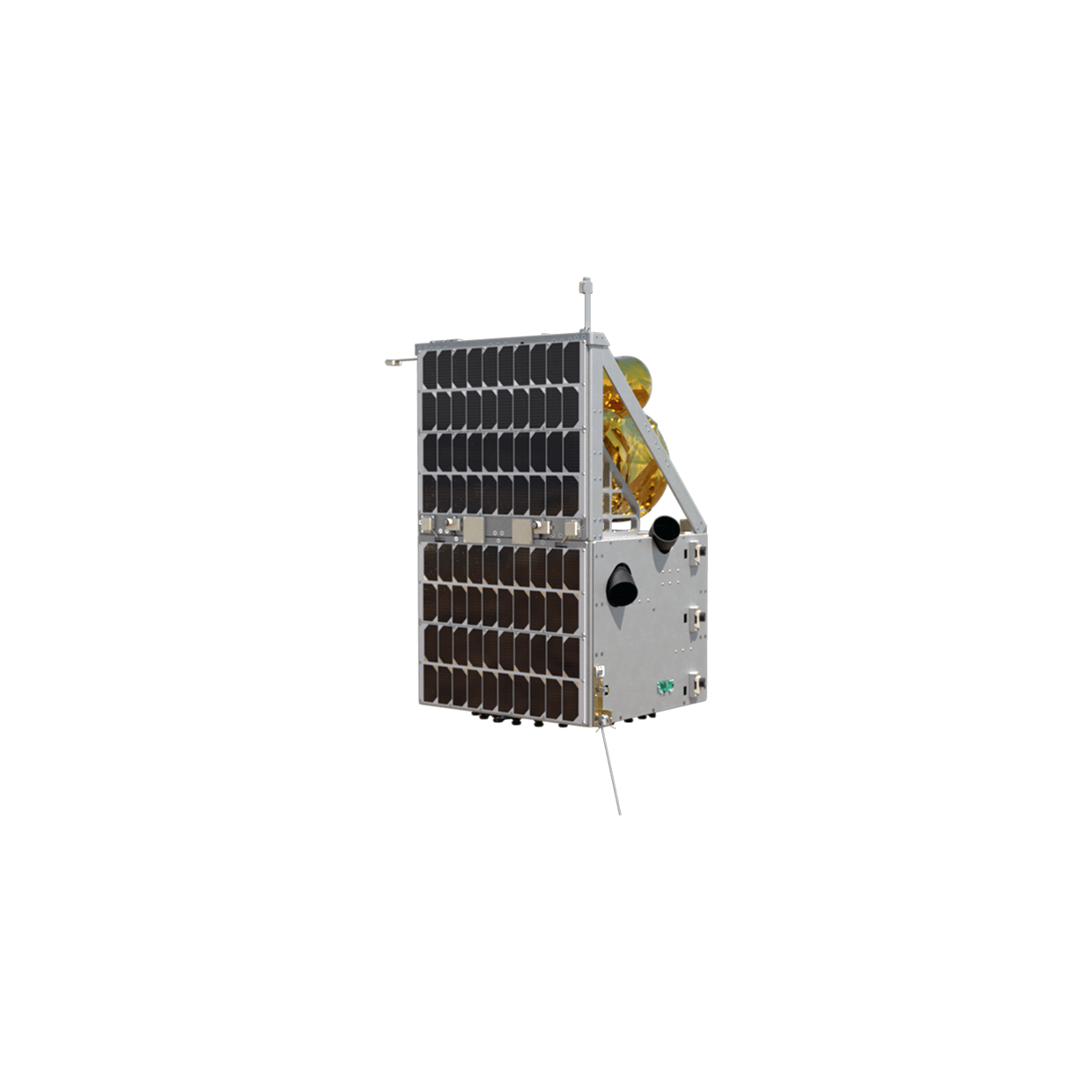
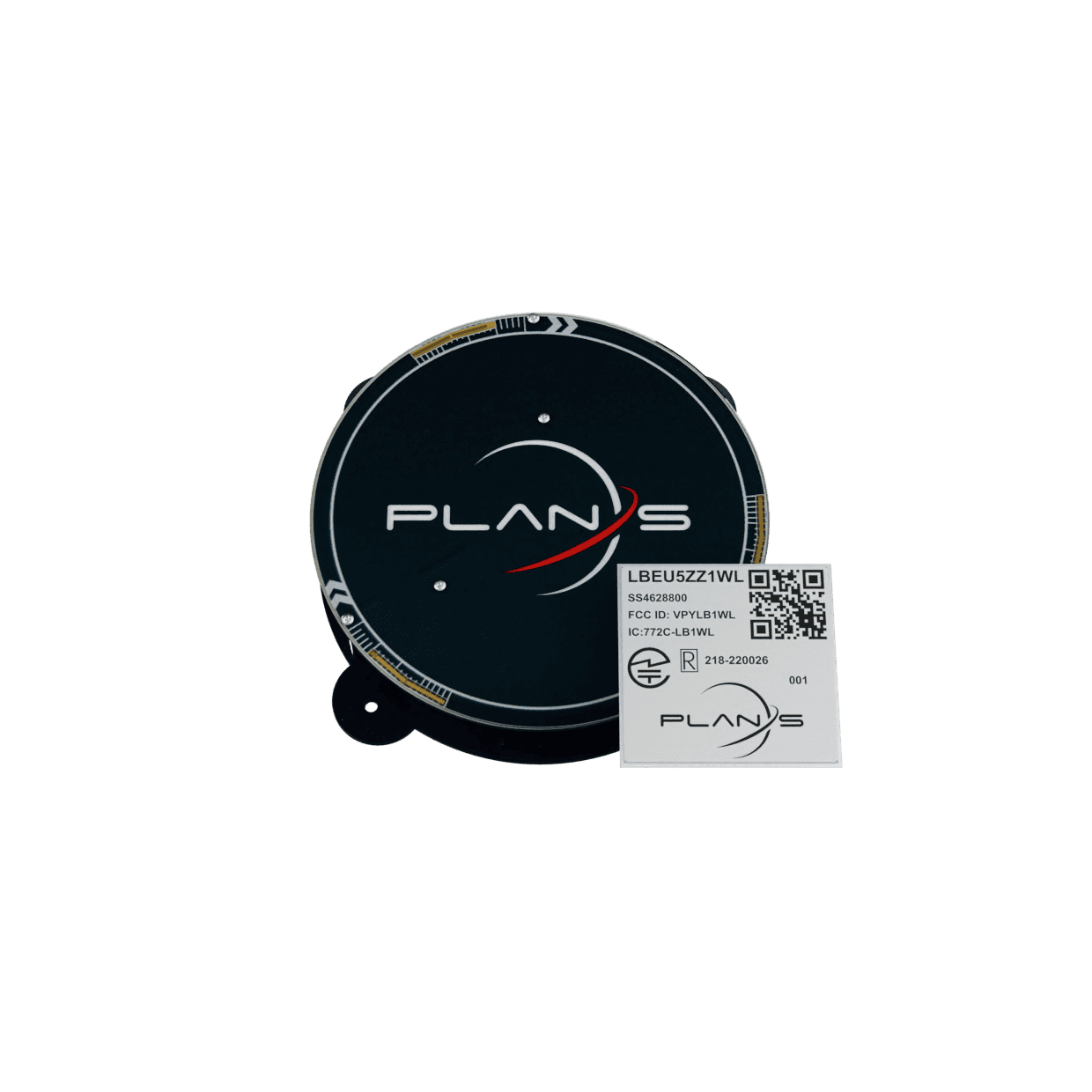
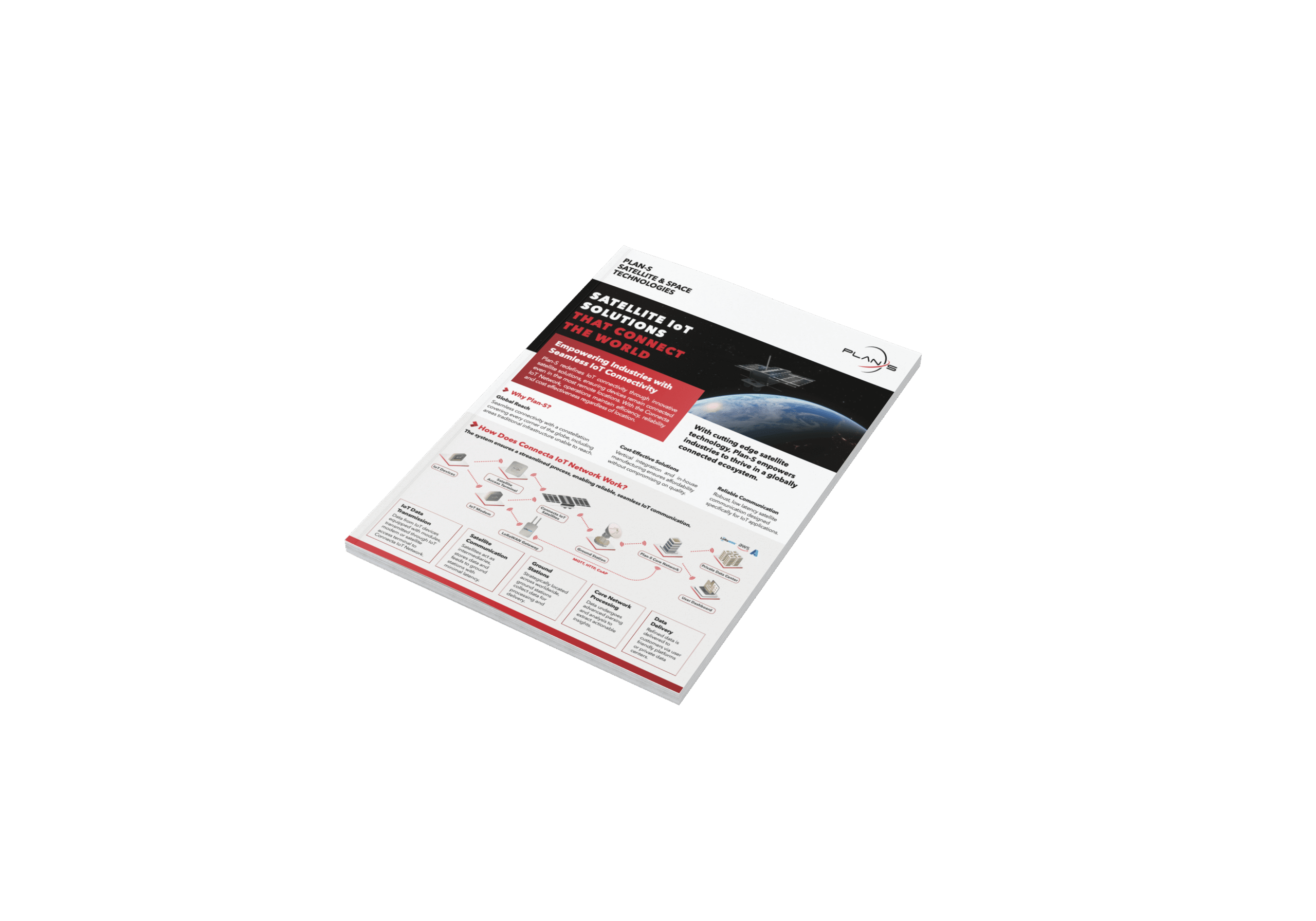
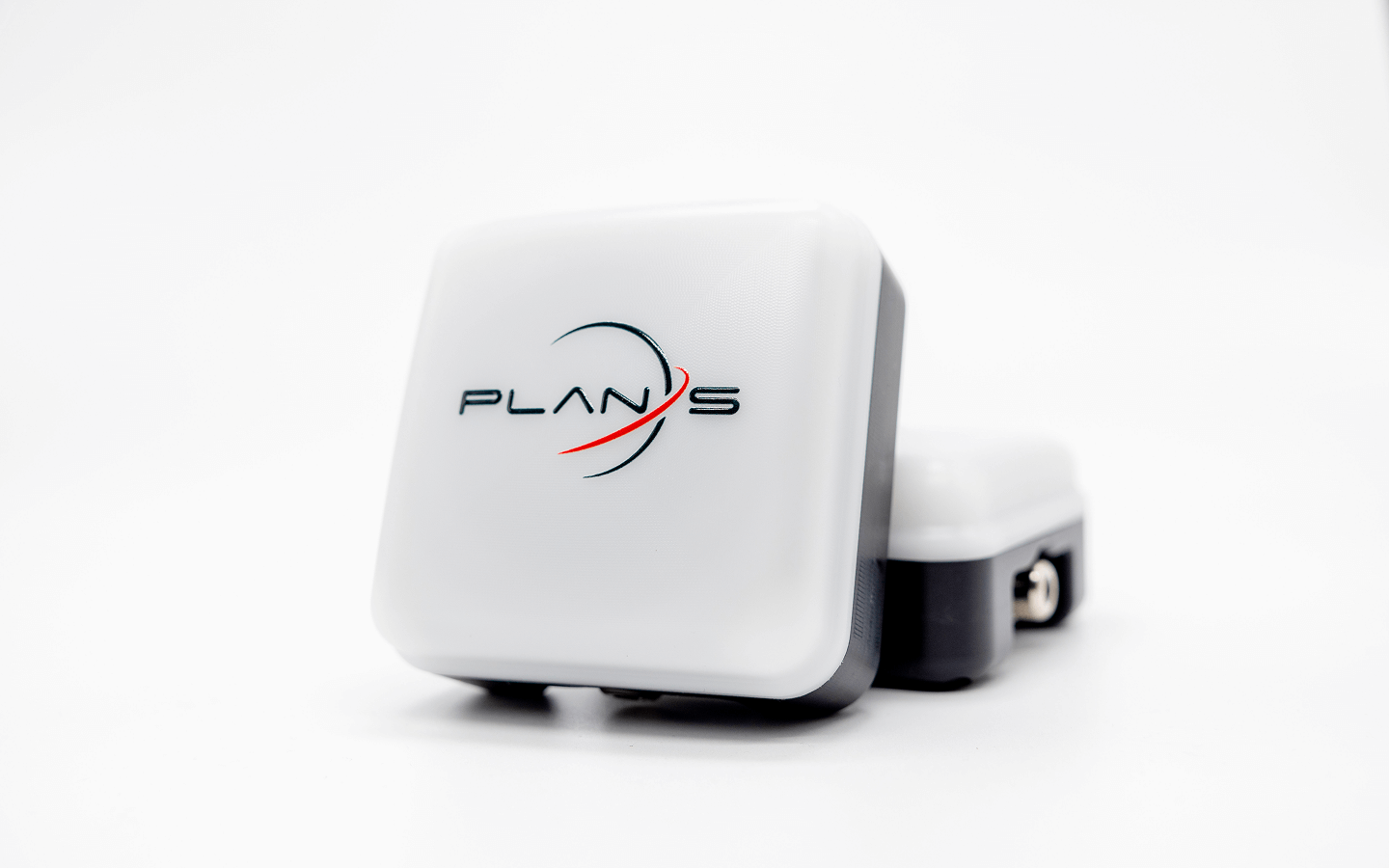
Connecta IoT Network, built and operated by Plan-S, bridges those gaps through satellites in Low Earth Orbit. Devices can send small data packets from anywhere on Earth without depending on cellular infrastructure. The result is simple: every sensor stays connected, no matter how far it is from the nearest signal.
Working together, not apart
Connecta IoT Network is designed for complementary services. When a terrestrial network is available, they use it. When it isn’t, they connect directly to satellites.
This switch happens automatically. Users don’t notice a thing, and operations never pause. Terrestrial networks handle daily data loads, while satellites keep systems online everywhere else.
Keeping data flowing when things go wrong
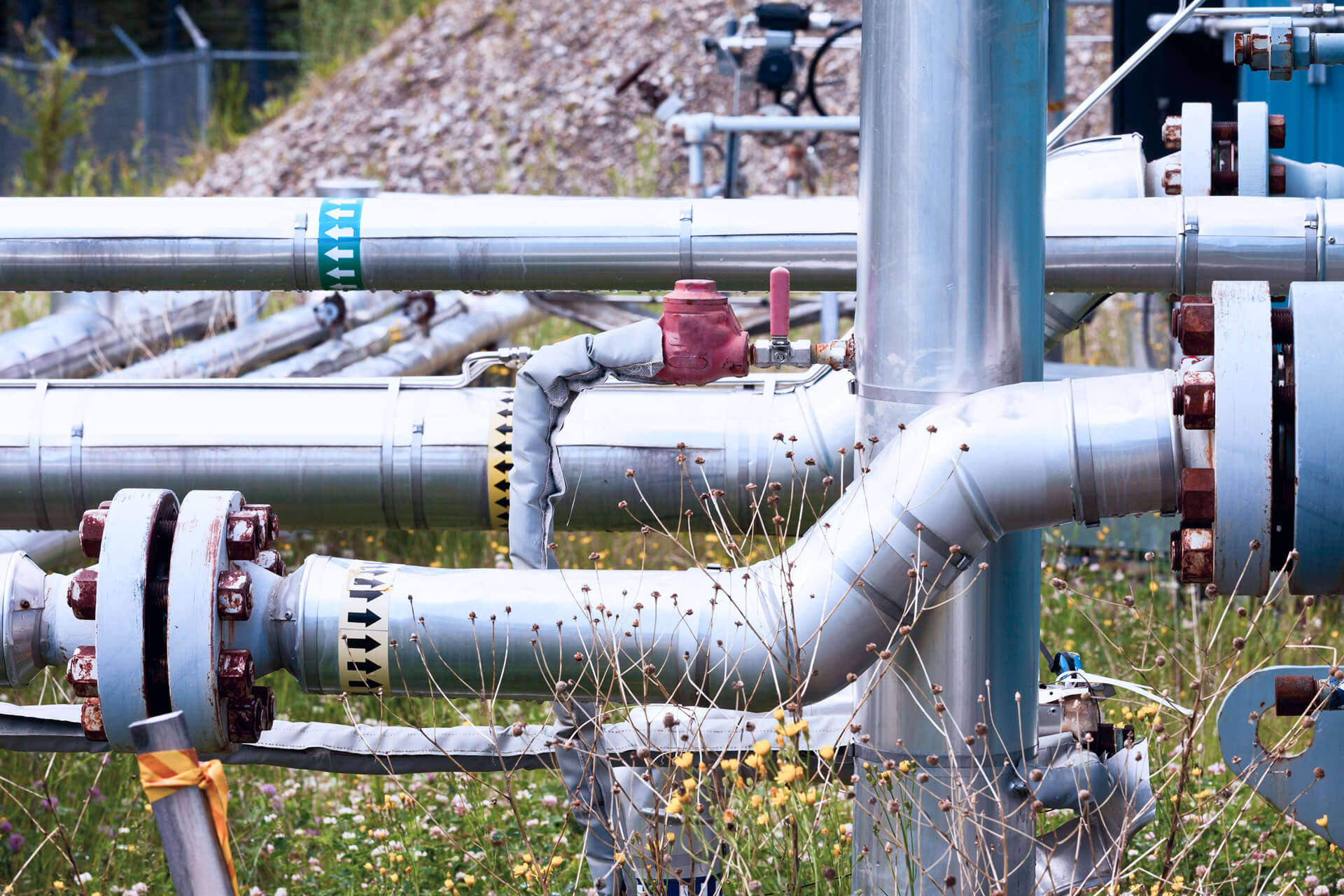
During natural disasters or power cuts, terrestrial networks can fail. Satellite IoT remains active. That independence keeps energy grids, water systems, and critical infrastructure connected when it matters most. For organizations that rely on continuous data, this means real resilience, not just redundancy.
Smarter coverage, lower cost
Building new base stations in remote zones is expensive and often impractical. Satellite IoT changes that. It uses low bandwidth and low power, which makes it ideal for long-life IoT devices powered by small batteries. Instead of investing heavily in new ground networks, companies can expand their operations instantly through satellite coverage. It’s a practical way to reduce total cost while increasing reliability.
Future-ready communication
Plan-S is preparing for a hybrid future where satellites and terrestrial networks work as one. With emerging 5G NTN standards, a single SIM or device will be able to use both. That means seamless connectivity, from city centers to the most remote corners of the world.
The bottom line
Satellite IoT doesn’t compete with terrestrial internet. It completes it. Together, they create the full picture of global connectivity, one that reaches everyone, everywhere.
BLOG
Related Insights
Explore how space assets and ground infrastructure work together, use cases, architectures, and field results from Plan-S projects.


The Role of Systems Engineering in Small Satellite Mission Success
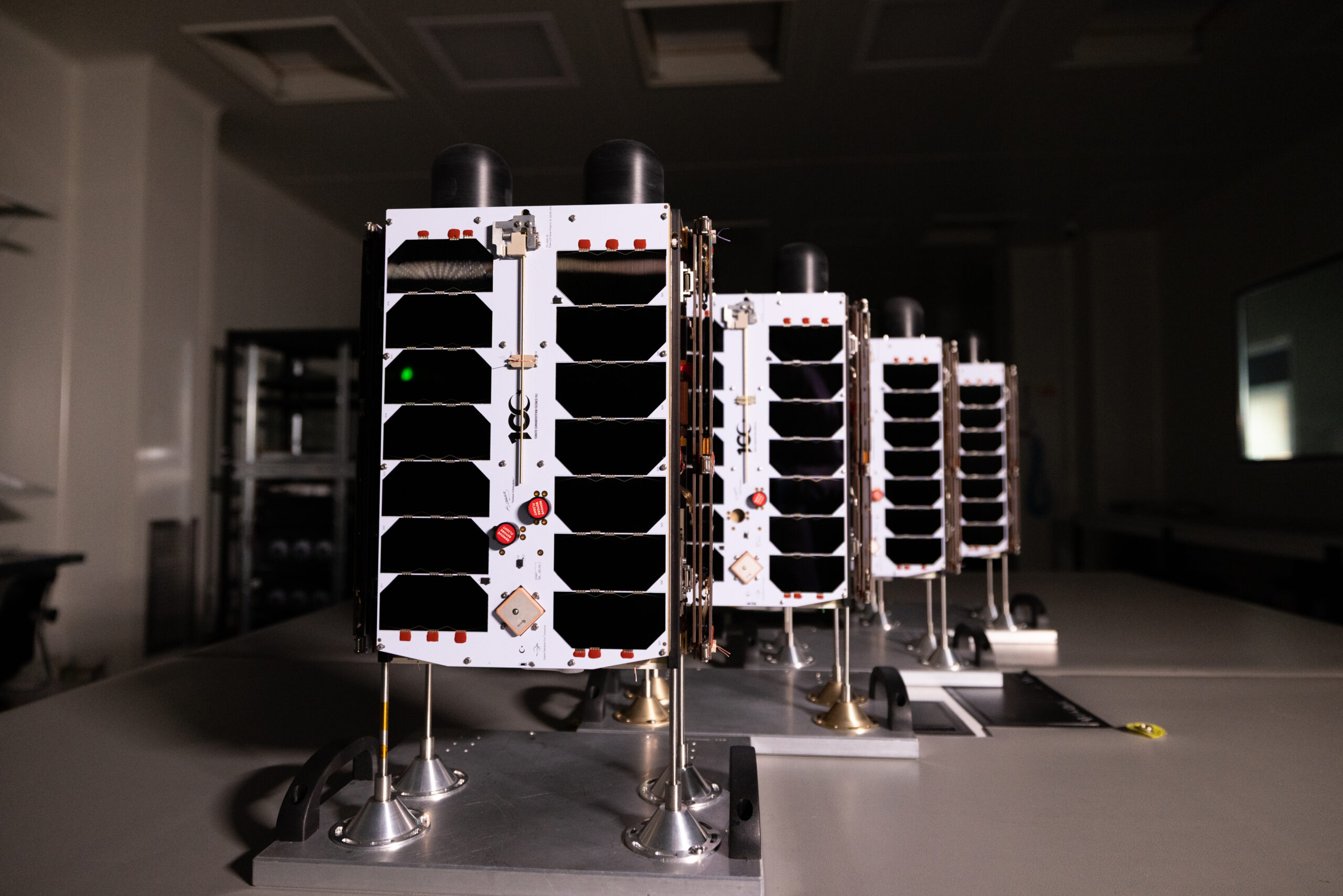
Systems engineering connects payload, power, thermal control, ADCS, communications, software, ground infrastructure, and operations into a coherent mission architecture. For small satellite missions, this system-level approach helps reduce integration risk, improve reliability, and ensure that every subsystem supports the mission objective.

LEOP Explained: What Happens After a Satellite Reaches Orbit?
Launch and Early Orbit Phase, or LEOP, is the critical stage after deployment when a satellite establishes communication, undergoes health checks, activates subsystems, verifies orbit, checks payload performance, and transitions into routine operations. A successful LEOP turns a launched spacecraft into an operational asset capable of delivering mission value.
Payload Integration for Small Satellites: What Mission Teams Should Know
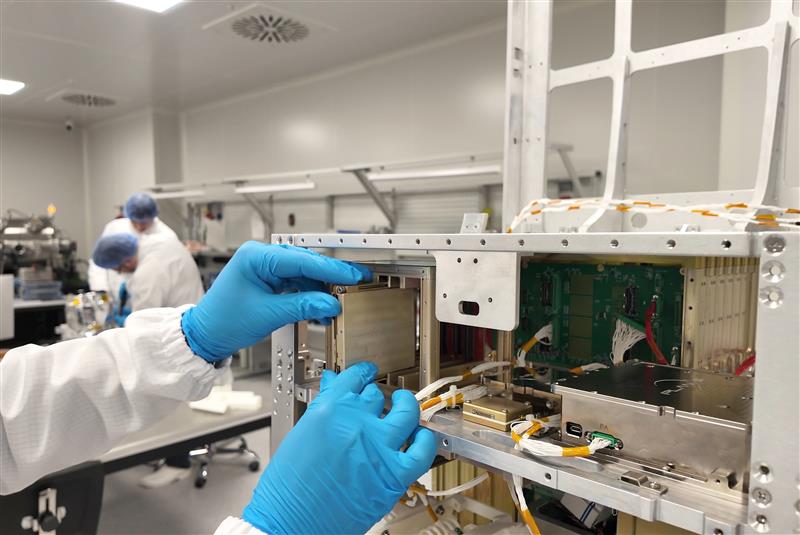
Payload integration is a system-level process that aligns mechanical, electrical, thermal, data, software, and operational requirements within the spacecraft architecture. For small satellite missions, successful integration helps reduce risk, validate mission readiness, and ensure that the payload can deliver reliable value in orbit.
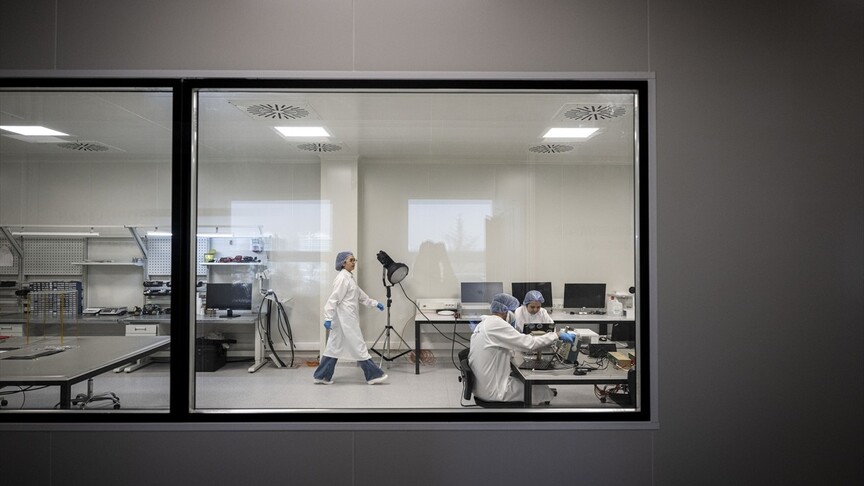
How End-to-End Satellite Services Reduce Mission Complexity
End-to-end satellite services reduce mission complexity by bringing mission design, spacecraft development, payload integration, testing, launch coordination, ground segment, data systems, and in-orbit operations under one integrated framework. With a single accountable mission partner, organizations can move from concept to orbit with greater clarity, control, and operational continuity.
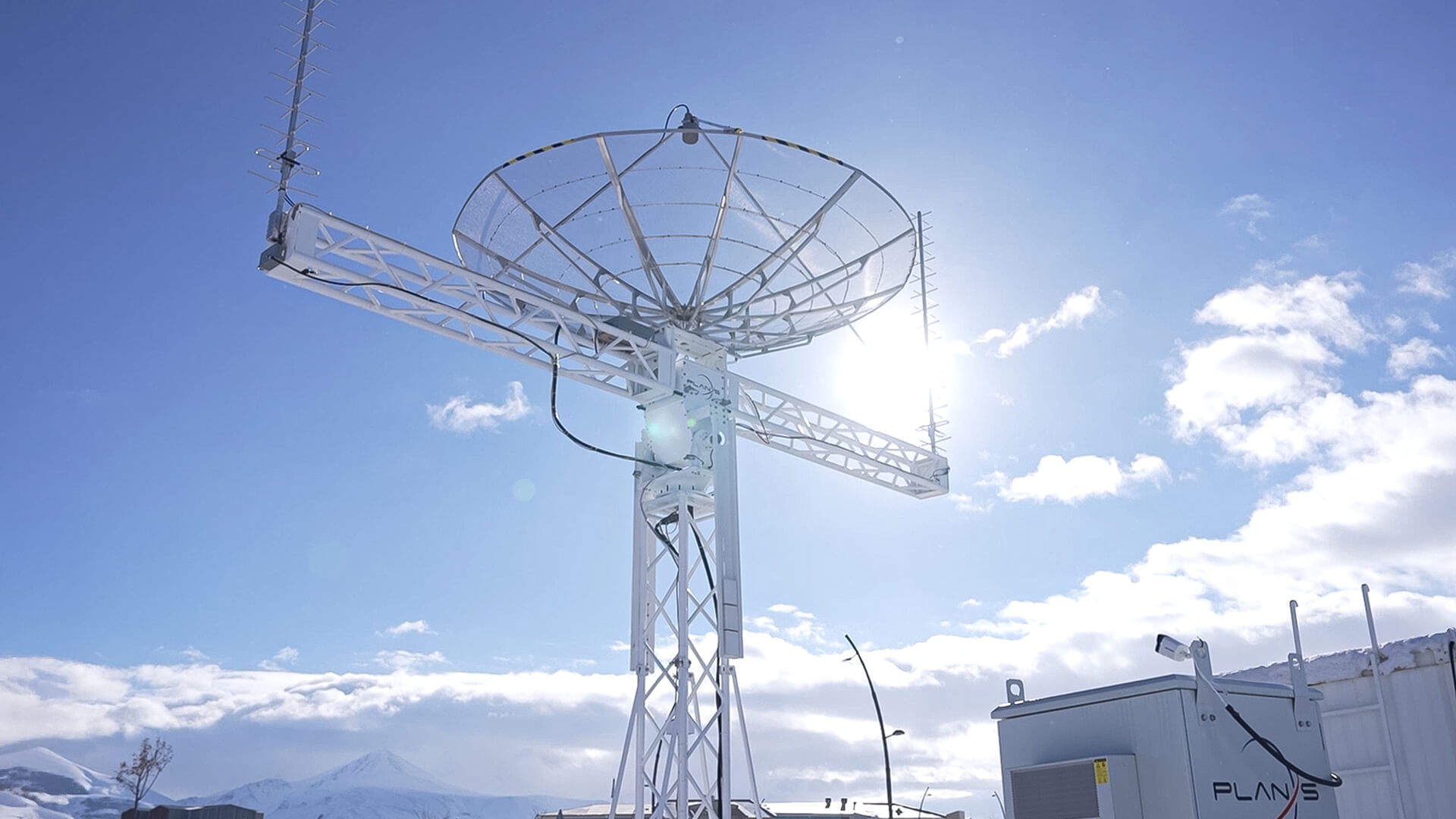
Ground Segment 101: Why Satellites Need More Than Spacecraft to Deliver Value
A satellite alone creates potential, but the ground segment turns that potential into operational value. By connecting spacecraft to mission control, data downlink, processing systems, software platforms, and user applications, the ground segment enables satellites to deliver reliable information, control, and service continuity on Earth.
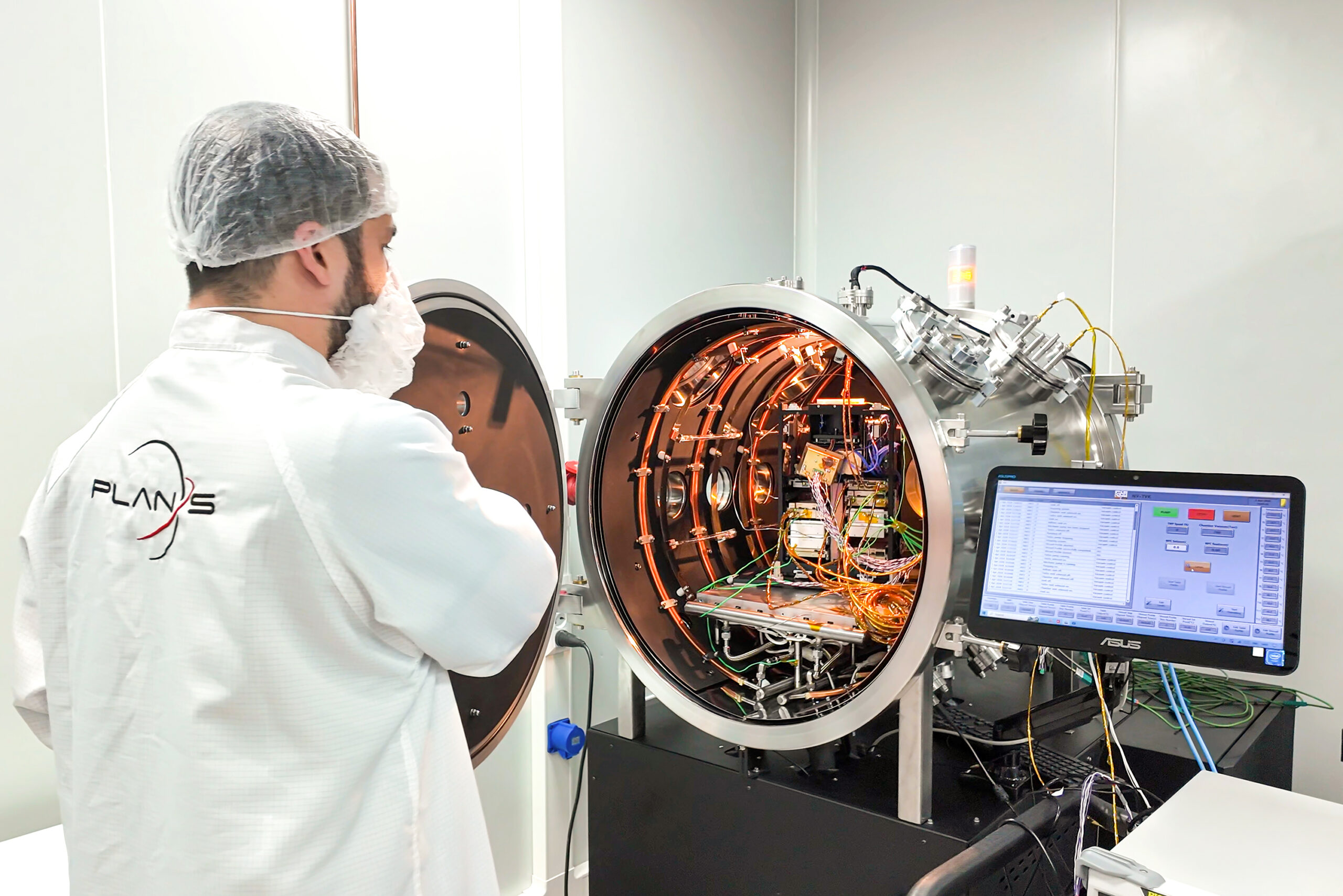
The Role of AIT in Building Reliable Small Satellites
Assembly, Integration, and Testing is one of the most critical phases in building reliable small satellites. By validating subsystems, interfaces, payload compatibility, environmental performance, and operational readiness before launch, AIT helps reduce mission risk and supports more predictable outcomes in orbit.
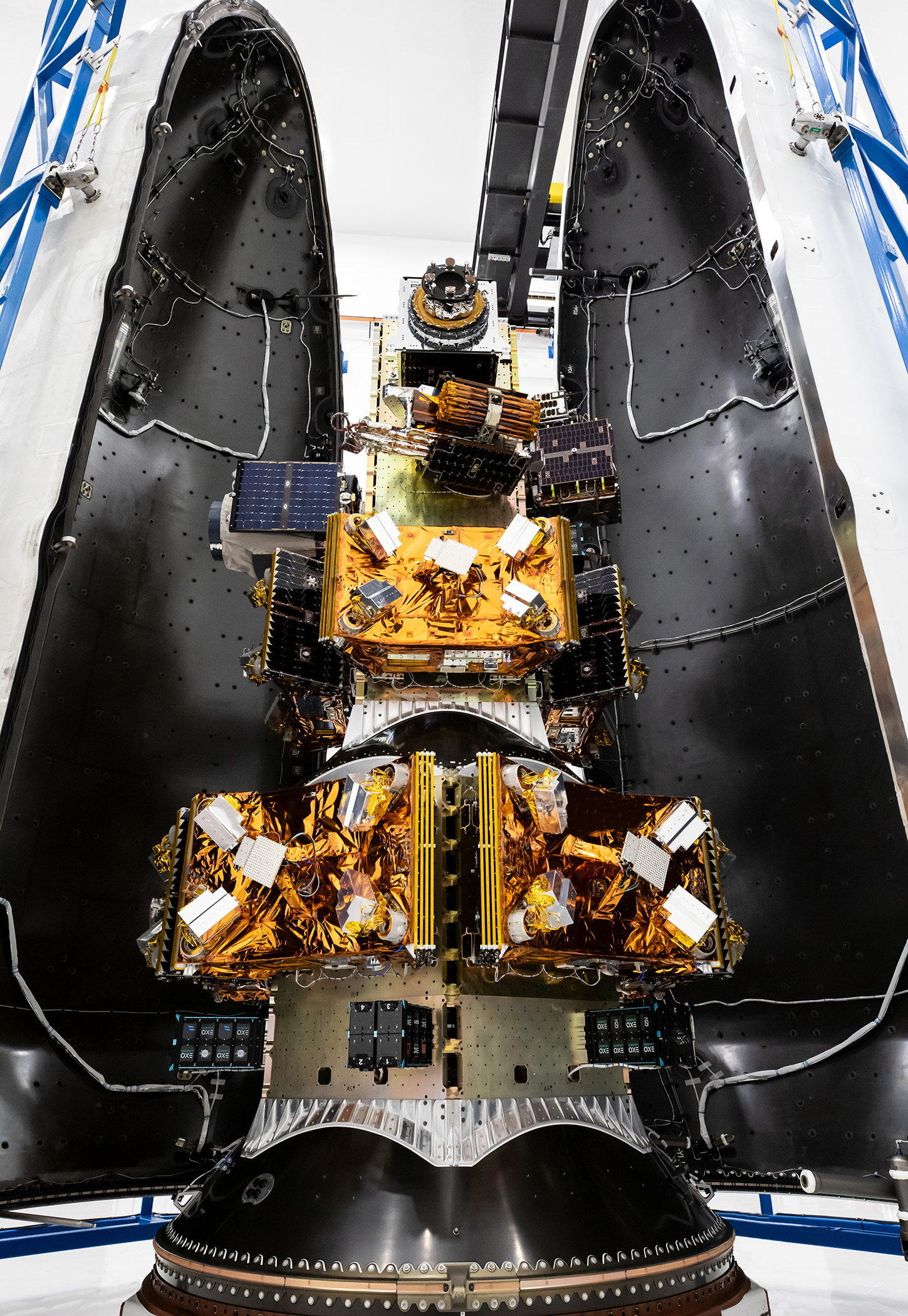
From Mission Concept to Orbit: A Step-by-Step Guide to Small Satellite Missions
A small satellite mission is a coordinated journey from concept definition and mission design to platform development, payload integration, testing, launch, licensing, operations, and data delivery. Through its end-to-end space services capabilities, Plan-S helps organizations transform mission objectives into reliable operational systems in orbit.
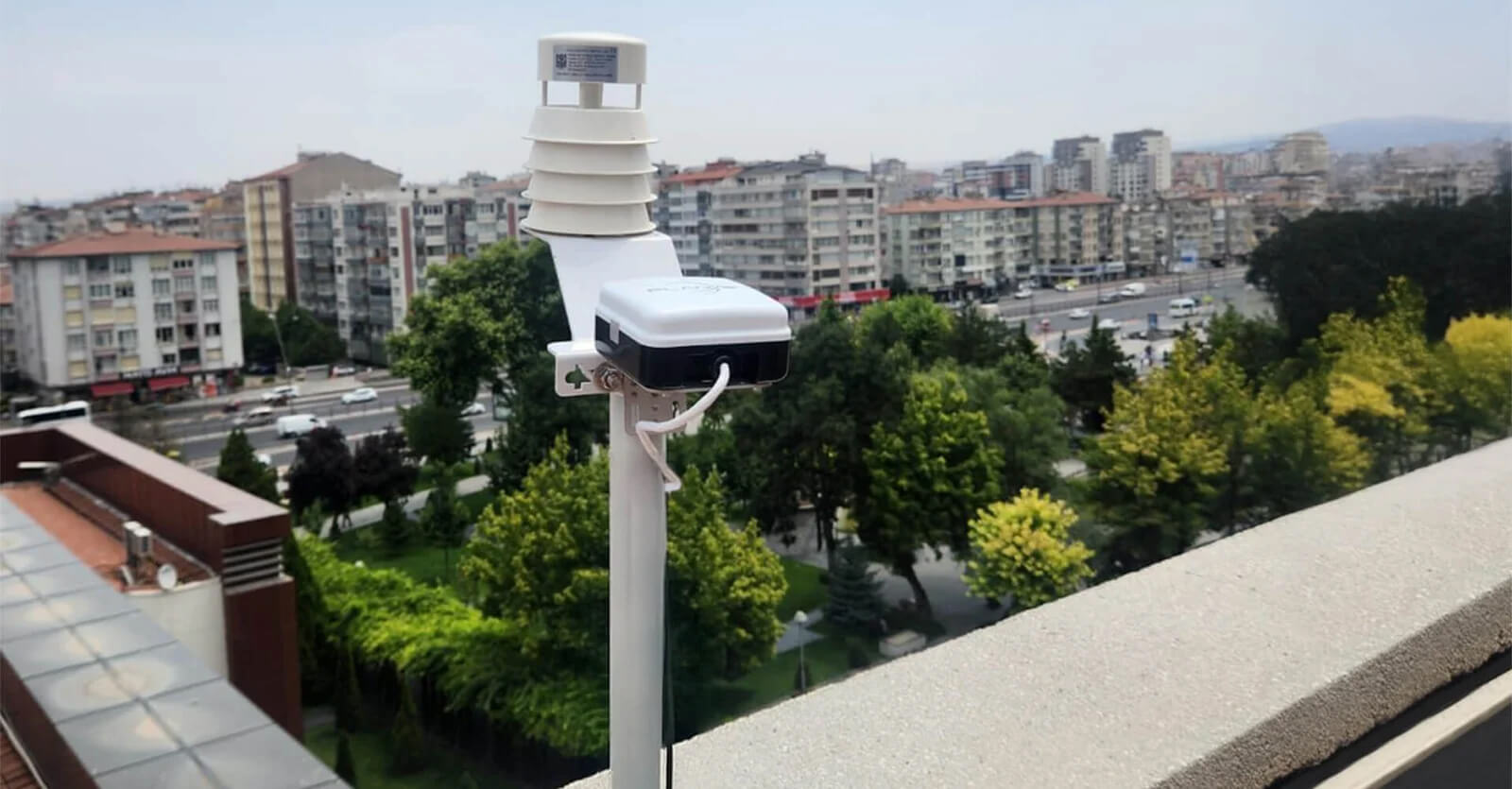
Weather Monitoring in Remote Areas: Keeping Environmental Data Flowing
Satellite IoT helps keep weather and environmental data flowing from remote monitoring points beyond terrestrial network coverage. Through Connecta, Plan-S enables reliable data transmission from distributed sensors and weather stations, supporting better planning, early warning, risk reduction, and long-term environmental visibility.
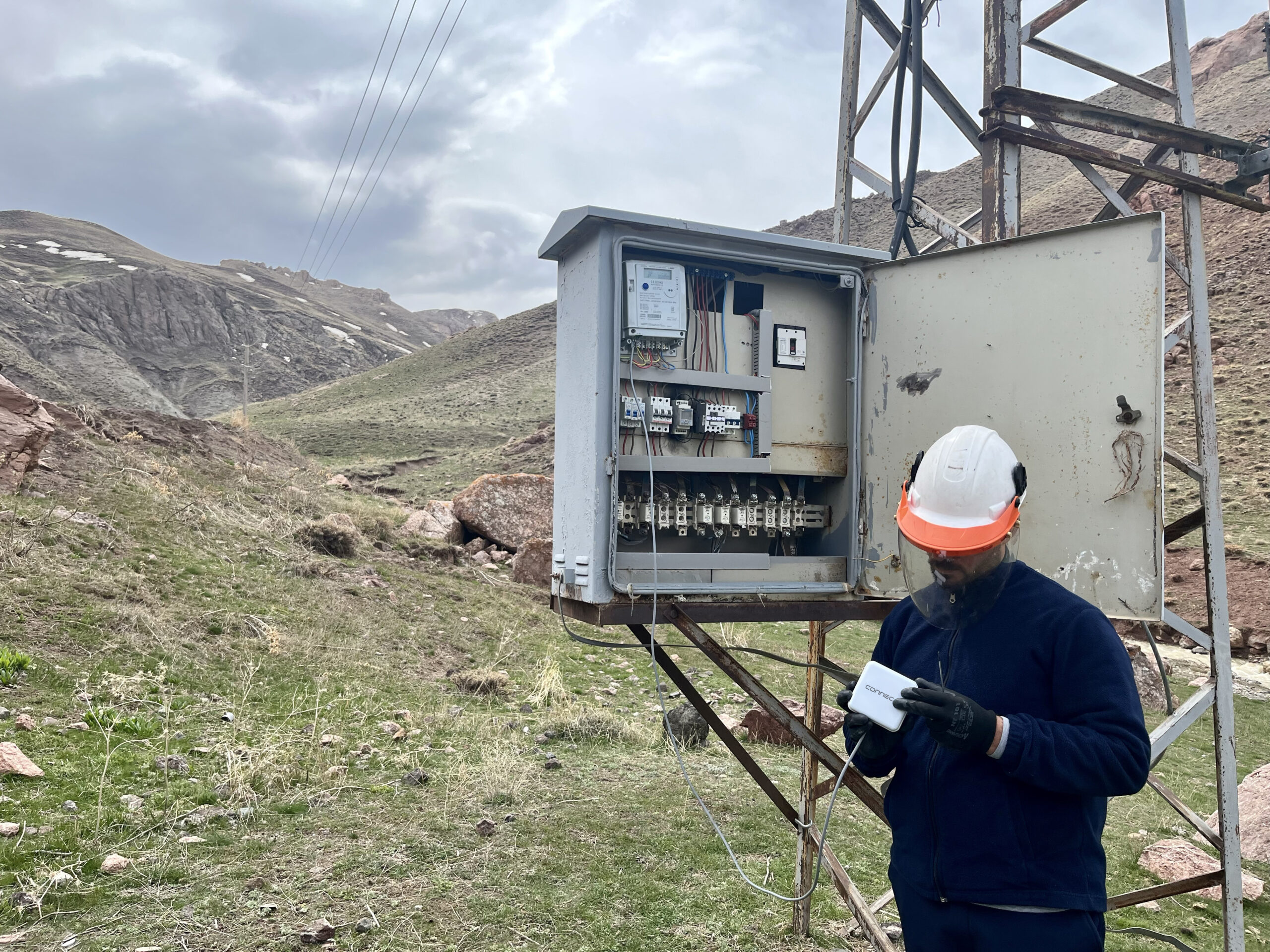
Smart Meter Reading in Remote Areas: How Satellite IoT Reduces Field Visits
Satellite IoT enables utilities to collect smart meter data from remote areas beyond terrestrial network coverage. Through Connecta Smart Meter Reader Modems and the Connecta IoT Network, Plan-S helps utilities reduce unnecessary field visits, improve data continuity, and maintain visibility across distributed service areas.
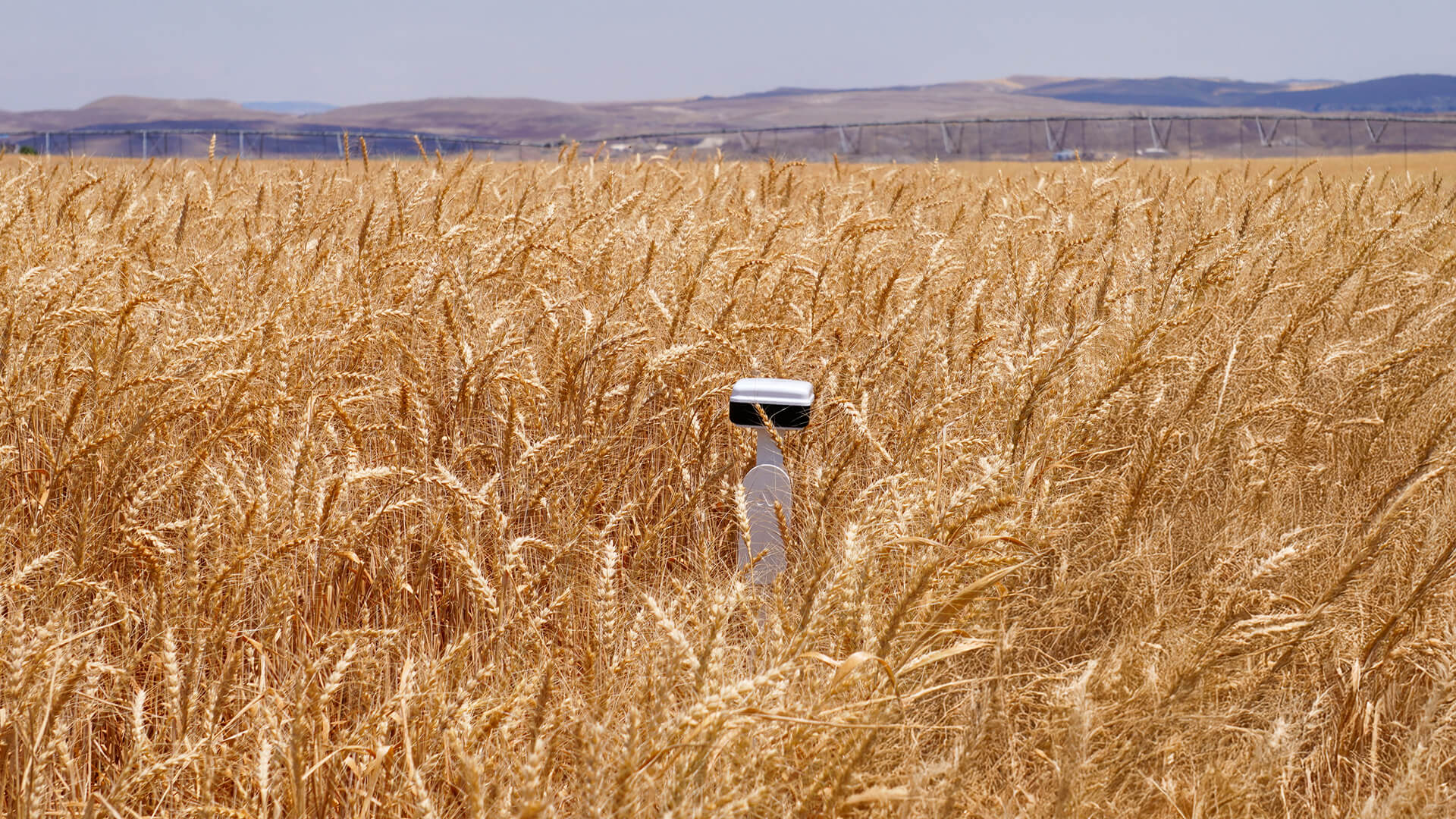
Satellite IoT for Agriculture: From Soil Data to Smarter Irrigation
Satellite IoT helps agricultural teams collect soil, irrigation, and field data from remote areas beyond terrestrial network coverage. Through Connecta, Plan-S enables smarter irrigation planning, improved resource management, and greater visibility across distributed agricultural operations.
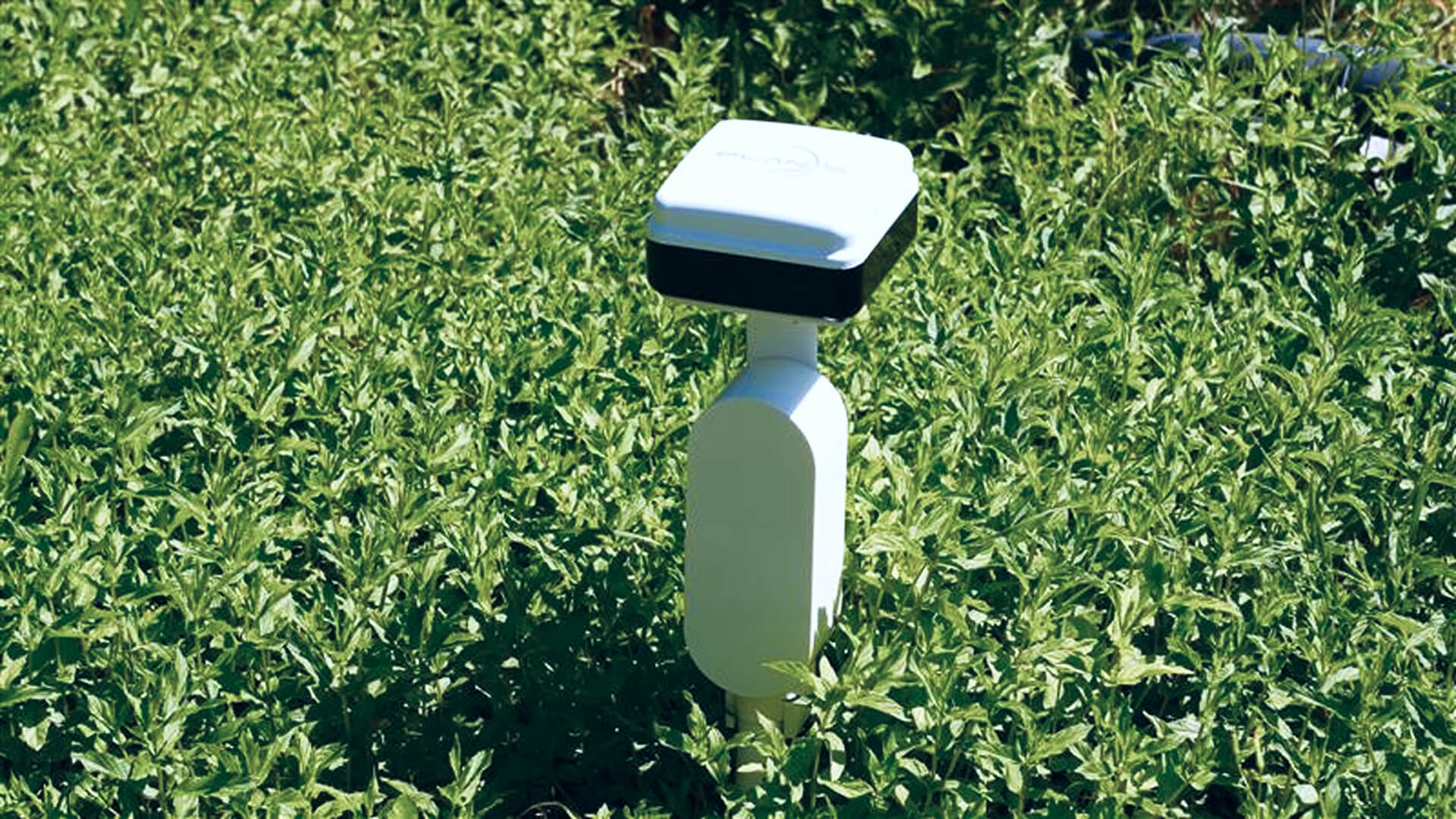
How LoRaWAN-Compatible Satellite IoT Enables Low-Power Data Transmission
LoRaWAN-compatible satellite IoT enables low-power data transmission from remote sensors, meters, trackers, and infrastructure assets operating beyond terrestrial coverage. Through Connecta, Plan-S combines satellite connectivity, IoT hardware, network infrastructure, and operational tools to support efficient, scalable, and long-term remote monitoring.
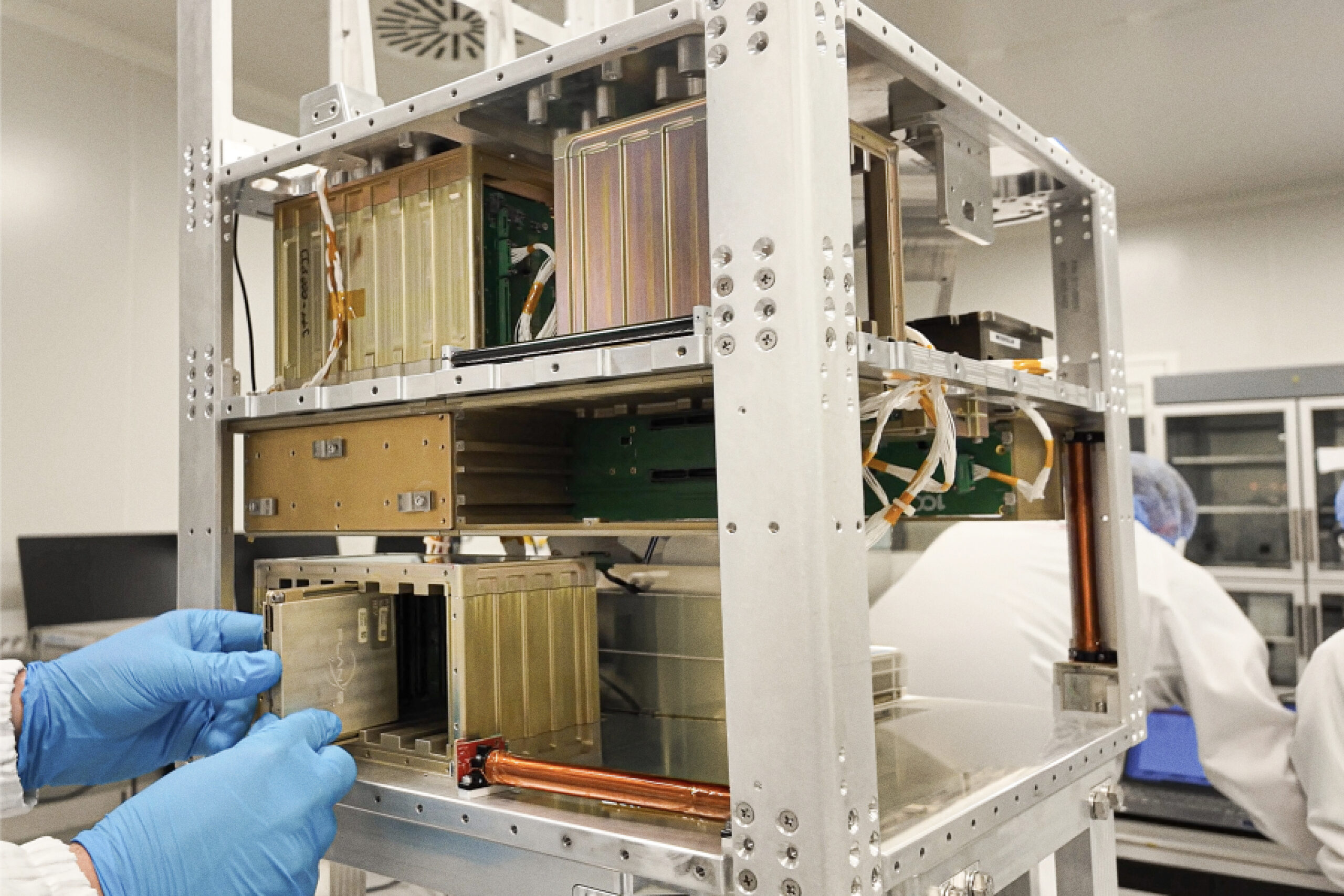
Hosted Payload Missions: A Faster Route to Flight Heritage
Hosted payload missions provide a practical route to in-orbit validation by allowing organizations to test sensors, communication systems, scientific instruments, and experimental payloads on existing spacecraft platforms. By building on Plan-S’ mission heritage and end-to-end space services capabilities, organizations can gain flight heritage while reducing the complexity of developing a dedicated satellite mission.