

Satellite IoT Is Ready: Is Regulation Keeping Up?
Billions of sensors, meters, and trackers sit in fields, dams, shipping containers, and remote infrastructure with no way to send their data. Not because the technology doesn’t exist, but because the regulatory frameworks to enable it are still catching up.

March 9, 2026

6 minute reading
#REGULATIONS
#SATELLITE IOT
Satellite IoT changes that. And in Europe at least, the regulatory path is now clearer than it has ever been.
What Satellite IoT Actually Does?
Most IoT connectivity today relies on terrestrial networks — LoRaWAN gateways, cellular networks or private networks. That can work well in cities and industrial zones where deployments of such networks are feasible in terms of economic point of view. Nonetheless, it doesn’t work in remote farmland, rural fields, open water, mountainous areas, or any of the other environments where monitoring matters most but coverage doesn’t reach.
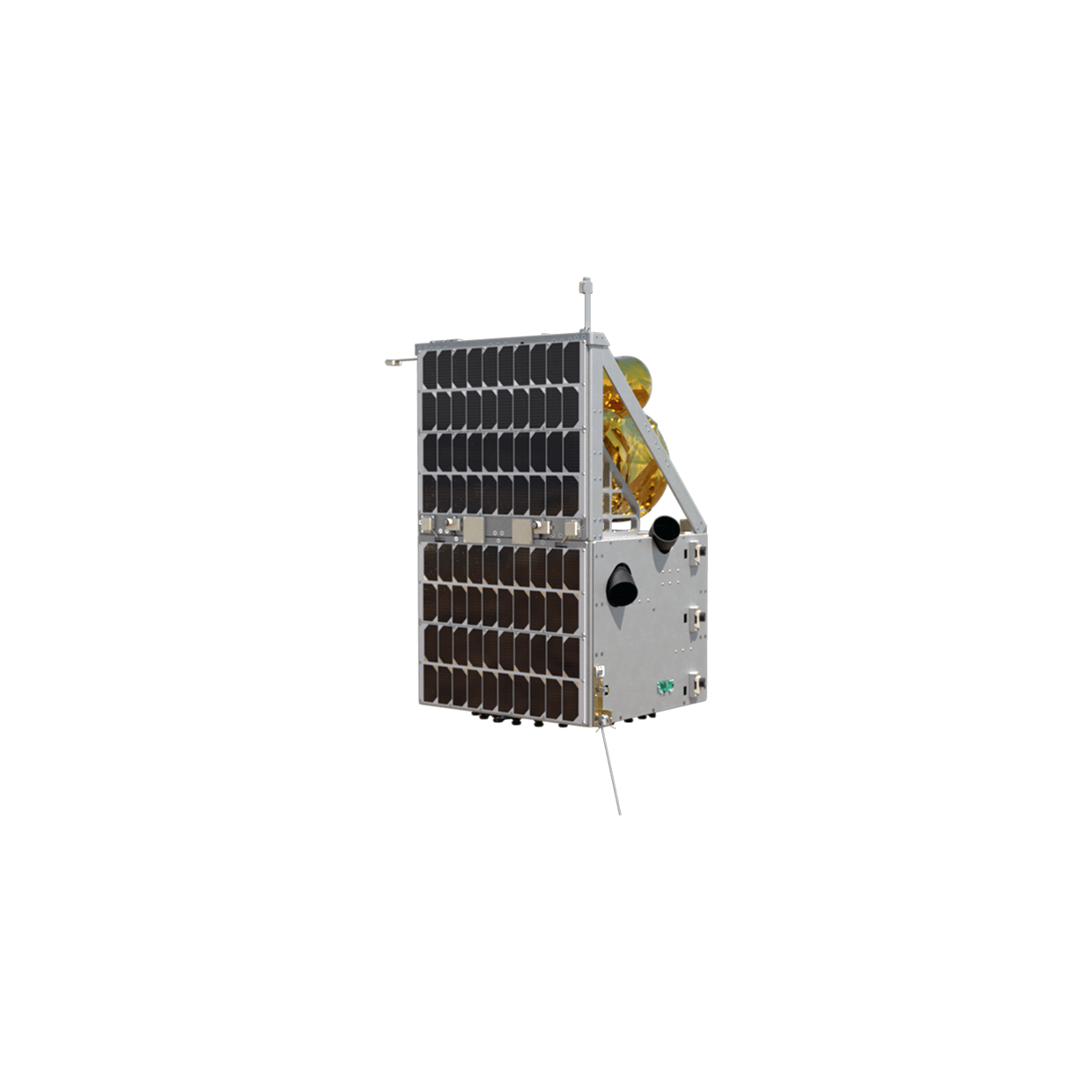
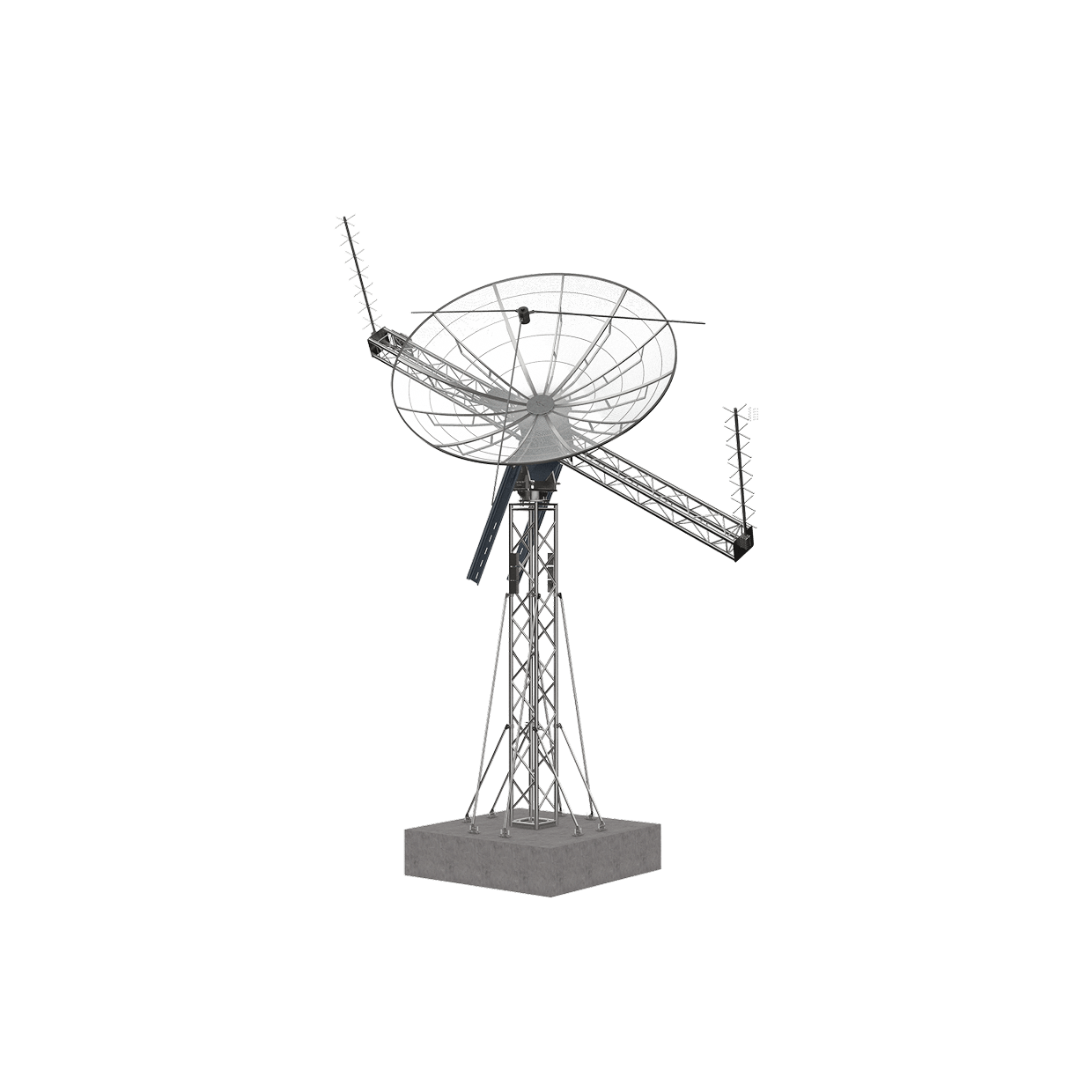
Satellite IoT fills that gap with seamless coverage provided by LEO satellite networks. Using Low Power Device-to-Satellite (LPD-S) technology, IoT devices transmit their data directly to satellites in low Earth orbit, which store the messages and relay them to ground stations as they pass overhead. Devices themselves communicating with satellites are LoRaWAN-based standard and the same low-power sensors are used in terrestrial deployments.
The result is coverage that extends wherever a device can see the sky.
Europe Has Led the Way
The most significant recent development in satellite IoT regulation is ECC Decision (25)02, adopted at the 67th ECC meeting in Bled in June 2025. This decision harmonises the use of the 862–870 MHz band for satellite IoT communications across CEPT member countries, the same licence-exempt spectrum used by short-range devices (SRDs) on the ground. The framework is technically conservative by design. It establishes strict Power Flux Density (PFD) limits on satellite downlinks:
• In-band: −142 dBW/m² per 4 kHz within the 862–870 MHz band
• Out-of-band (OOBE): −146 dBW/m² per 1 MHz outside that range
Satellite operations under this framework must not cause harmful interference to terrestrial services, and cannot claim protection from them. It is a non-interference, non-protection model — satellite access on the same terms as any other user of licence-exempt spectrum.
Germany’s regulator BNetzA implemented this approach before the Decision was formally adopted. Denmark has since incorporated it into its licence-exempt framework. Türkiye has embedded it in its satellite frequency band plan. The EU’s Radio Spectrum Policy Group (RSPG) has acknowledged the model in its opinion on direct-to-device connectivity, referring to it as “IoT-NTN in SRD bands.”
How Does European LPD-S Regulation Compare to the D2D Frameworks of US and UK?
A natural question is whether the European framework is too cautious — or not cautious enough, relative to frameworks elsewhere.
We compared ECC Decision (25)02 against two other satellite connectivity frameworks: the FCC’s Supplemental Coverage from Space (SCS) rules in the United States, and Ofcom’s Direct-to-Device (D2D) framework in the United Kingdom. The comparison is instructive even though the contexts differ slightly — the FCC and Ofcom frameworks apply to licensed mobile spectrum (or IMT spectrum) for enabling D2D services, while ECC (25)02 applies to licence-exempt SRD bands. Nonetheless, they are in common for protecting services and applications operating in the same and adjacent bands. Additionally, OOBE PFD limits in ECC Decision (25)02 was developed to protect the IMT Networks operating in the adjacent bands.
The finding is clear: Europe’s LPD-S framework is substantially more stringent for protecting IMT Networks.
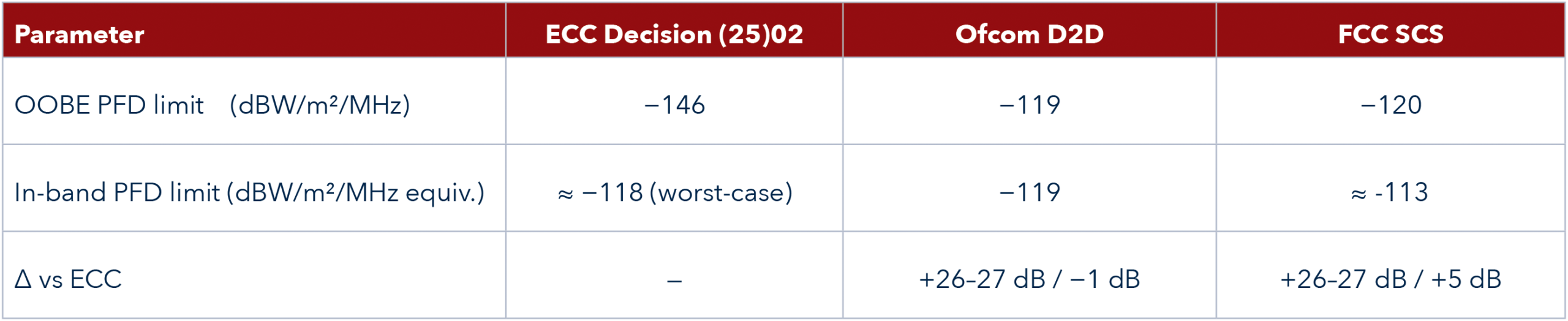
The OOBE limits adopted by both the FCC and Ofcom are approximately 26–27 dB less stringent than the ECC framework for protecting the same adjacent services. In-band limits fall within a narrow range of 1–5 dB of the European reference values for the worst-case scenarios. It should be noted that in-band PFD limits of D2D frameworks are developed to protect licensed services whereas in-band PFD limits of LPD-S framework was generated for protecting SRD applications that have more robust to work in a shared spectrum environment where interference continuously exists.
This matters for the next question: can the same technical approach be extended to other frequency bands?
The Case for Extending to 902–928 MHz
Not every country has the 862–870 MHz band available for licence-exempt use. In many jurisdictions outside Europe, the equivalent licence-exempt IoT spectrum is the 902–928 MHz band — widely used across the Americas, parts of Asia, and beyond.
The technical case for extending ECC Decision (25)02’s approach to this band is strong. SRD and ISM devices deployed globally are designed with harmonised receiver characteristics across both the 862–870 MHz and 902–928 MHz ranges, with only region-specific transmission adaptations. They are also inherently robust to interference, since they are designed for shared-spectrum environments.
Extending the ECC framework to 902–928 MHz would:
• Maintain protection for incumbent services
• Preserve national regulatory sovereignty
• Avoid introducing new interference risk
• Enable harmonised satellite IoT deployment across regions
In short: the same technical assumptions already validated in Europe would apply cleanly to devices operating in the 902–928 MHz band.
What About Licensed Spectrum?
Licence-exempt bands are not the only path. The 2 GHz MSS band (1980–2010 MHz / 2170–2200 MHz) is allocated to Mobile Satellite Services and supports 3GPP-based (NB-IoT) satellite connectivity — complementing cellular coverage with standards-based interoperability with 3GPP Release 17 and beyond compatible devices.
The challenge is that this spectrum is currently concentrated among a small number of operators, which limits competition and keeps costs high. Shared access arrangements, where multiple satellite IoT operators access a defined slice of the band on a non-exclusive basis , offer a practical solution.
Australia has already implemented this model: the last 5 MHz of the 2 GHz MSS band is shared among satellite operators providing narrowband or low-data-rate services, with a self-management regime for coexistence. The EU’s RSPG has included a similar option in its opinion on the use of the 1980–2010 / 2170–2200 MHz bands beyond 2027.
Reserving at minimum 2×5 MHz for shared satellite IoT use in this band would lower barriers to entry, promote competition, and prevent spectrum hoarding, without disrupting existing MSS allocations.
What Regulators Can Do?
The regulatory framework for satellite IoT in licence-exempt spectrum has advanced significantly. But uptake remains uneven across jurisdictions, and spectrum fragmentation risks limiting the cross-border applications — supply chain monitoring, maritime safety, disaster response — where satellite IoT delivers the clearest value.
The steps that would make the most practical difference:
1. Adopt ECC Decision (25)02 principles in jurisdictions where 862–870 MHz is available for licence-exempt use, applying the non-interference, non-protection framework.
2. Extend those principles to 902–928 MHz in jurisdictions where 862–870 MHz is not available, recognising that device characteristics and interference protection objectives are directly comparable.
3. Reserve shared 2 GHz MSS spectrum — at minimum 2×5 MHz — for satellite IoT on a non-exclusive basis, consistent with Australia’s model and RSPG recommendations.
4. Implement technology-neutral licensing frameworks that don’t create new barriers to entry or fragment spectrum access.
5. Promote international harmonisation to enable the cross-border deployments that create the most value.
The Technology Is Ready?
Smart meter monitoring in rural areas with no terrestrial coverage. Water level data from dams and irrigation channels. Asset tracking for vessels and heavy machinery beyond the range of any base station or coverage.
These are not future applications — they are operational today. The technology has been validated. The European regulatory framework has been established. The technical evidence for extending it is clear.
The remaining question is how quickly the rest of the world’s regulators will follow.
Written by Fazlı Kaybal
BLOG
Related Insights
Explore how space assets and ground infrastructure work together, use cases, architectures, and field results from Plan-S projects.


The Role of Systems Engineering in Small Satellite Mission Success
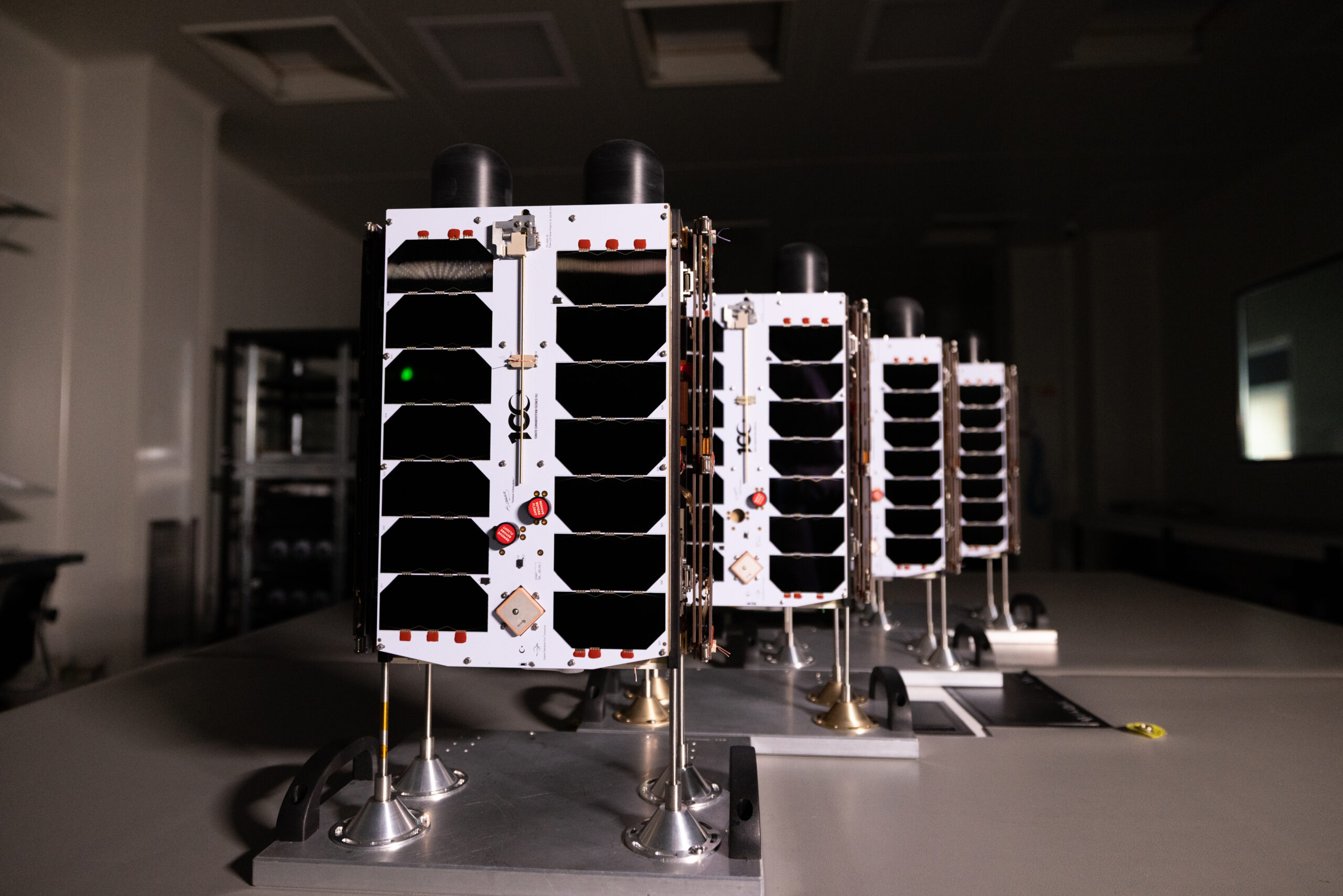
Systems engineering connects payload, power, thermal control, ADCS, communications, software, ground infrastructure, and operations into a coherent mission architecture. For small satellite missions, this system-level approach helps reduce integration risk, improve reliability, and ensure that every subsystem supports the mission objective.

LEOP Explained: What Happens After a Satellite Reaches Orbit?
Launch and Early Orbit Phase, or LEOP, is the critical stage after deployment when a satellite establishes communication, undergoes health checks, activates subsystems, verifies orbit, checks payload performance, and transitions into routine operations. A successful LEOP turns a launched spacecraft into an operational asset capable of delivering mission value.
Payload Integration for Small Satellites: What Mission Teams Should Know
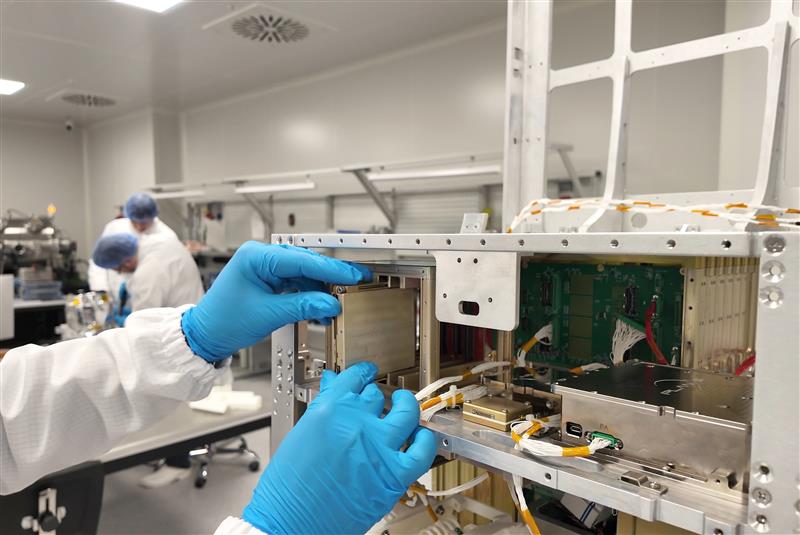
Payload integration is a system-level process that aligns mechanical, electrical, thermal, data, software, and operational requirements within the spacecraft architecture. For small satellite missions, successful integration helps reduce risk, validate mission readiness, and ensure that the payload can deliver reliable value in orbit.
How End-to-End Satellite Services Reduce Mission Complexity
End-to-end satellite services reduce mission complexity by bringing mission design, spacecraft development, payload integration, testing, launch coordination, ground segment, data systems, and in-orbit operations under one integrated framework. With a single accountable mission partner, organizations can move from concept to orbit with greater clarity, control, and operational continuity.
Ground Segment 101: Why Satellites Need More Than Spacecraft to Deliver Value
A satellite alone creates potential, but the ground segment turns that potential into operational value. By connecting spacecraft to mission control, data downlink, processing systems, software platforms, and user applications, the ground segment enables satellites to deliver reliable information, control, and service continuity on Earth.
The Role of AIT in Building Reliable Small Satellites
Assembly, Integration, and Testing is one of the most critical phases in building reliable small satellites. By validating subsystems, interfaces, payload compatibility, environmental performance, and operational readiness before launch, AIT helps reduce mission risk and supports more predictable outcomes in orbit.
From Mission Concept to Orbit: A Step-by-Step Guide to Small Satellite Missions
A small satellite mission is a coordinated journey from concept definition and mission design to platform development, payload integration, testing, launch, licensing, operations, and data delivery. Through its end-to-end space services capabilities, Plan-S helps organizations transform mission objectives into reliable operational systems in orbit.
Weather Monitoring in Remote Areas: Keeping Environmental Data Flowing
Satellite IoT helps keep weather and environmental data flowing from remote monitoring points beyond terrestrial network coverage. Through Connecta, Plan-S enables reliable data transmission from distributed sensors and weather stations, supporting better planning, early warning, risk reduction, and long-term environmental visibility.
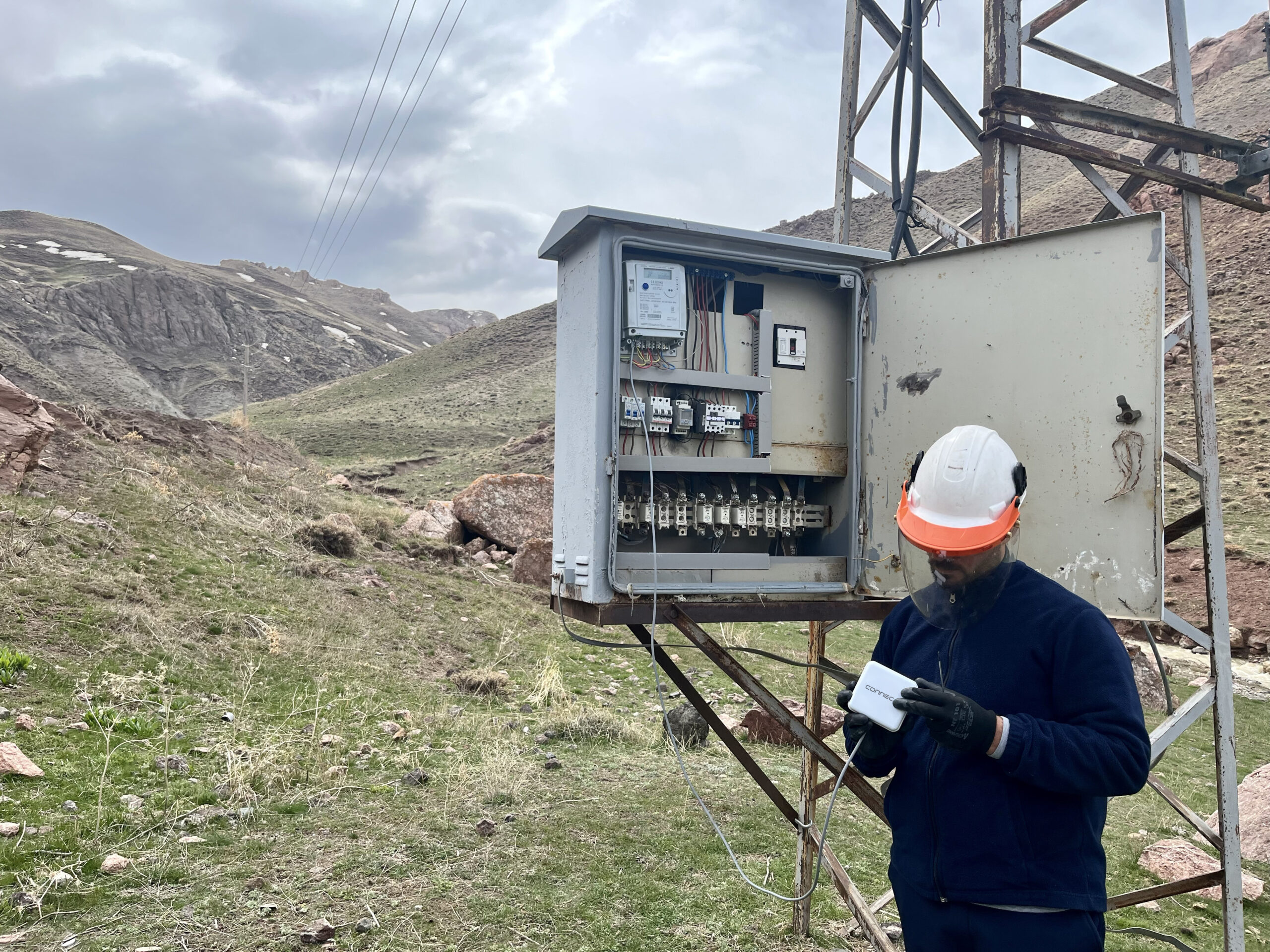
Smart Meter Reading in Remote Areas: How Satellite IoT Reduces Field Visits
Satellite IoT enables utilities to collect smart meter data from remote areas beyond terrestrial network coverage. Through Connecta Smart Meter Reader Modems and the Connecta IoT Network, Plan-S helps utilities reduce unnecessary field visits, improve data continuity, and maintain visibility across distributed service areas.
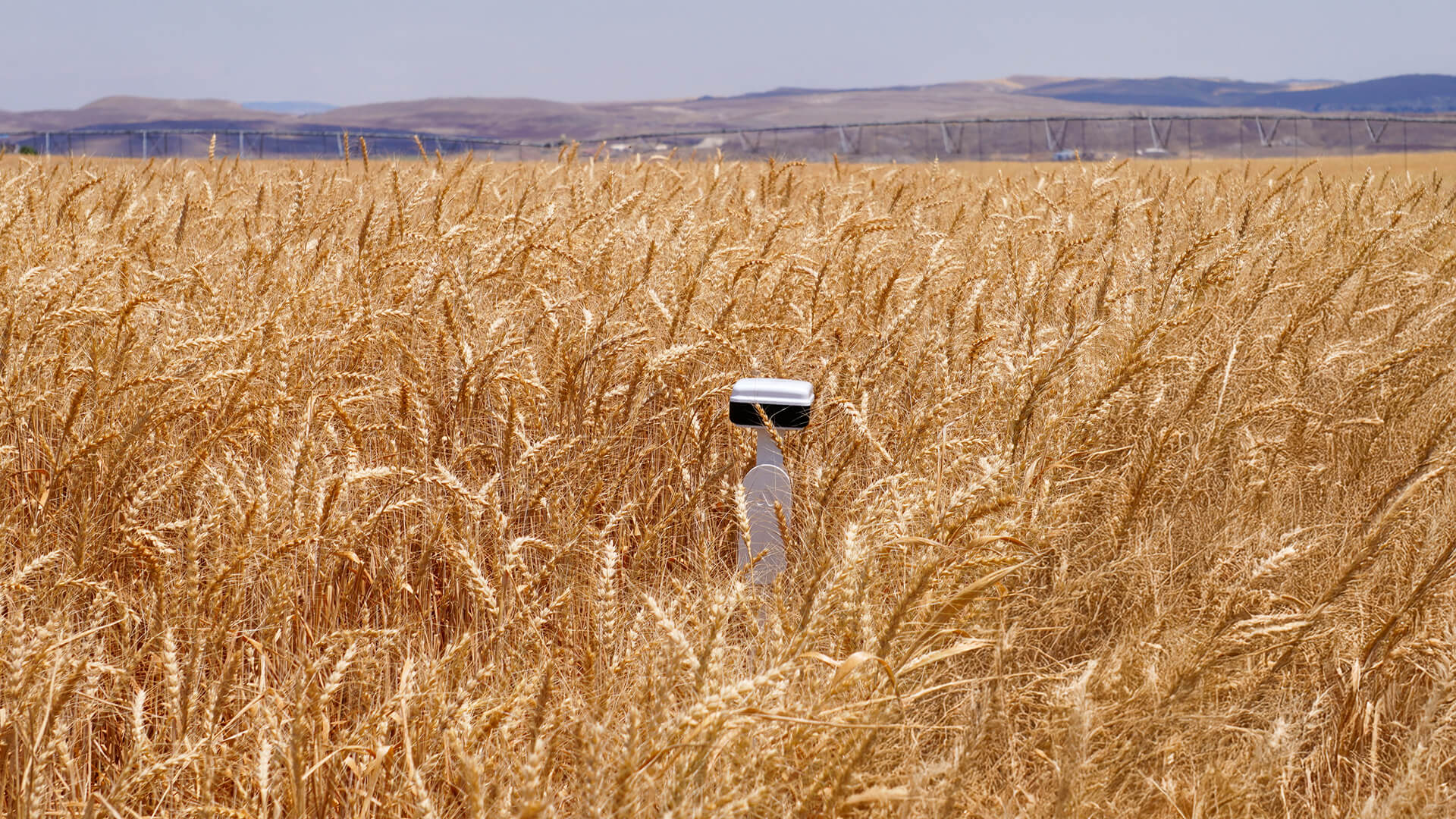
Satellite IoT for Agriculture: From Soil Data to Smarter Irrigation
Satellite IoT helps agricultural teams collect soil, irrigation, and field data from remote areas beyond terrestrial network coverage. Through Connecta, Plan-S enables smarter irrigation planning, improved resource management, and greater visibility across distributed agricultural operations.
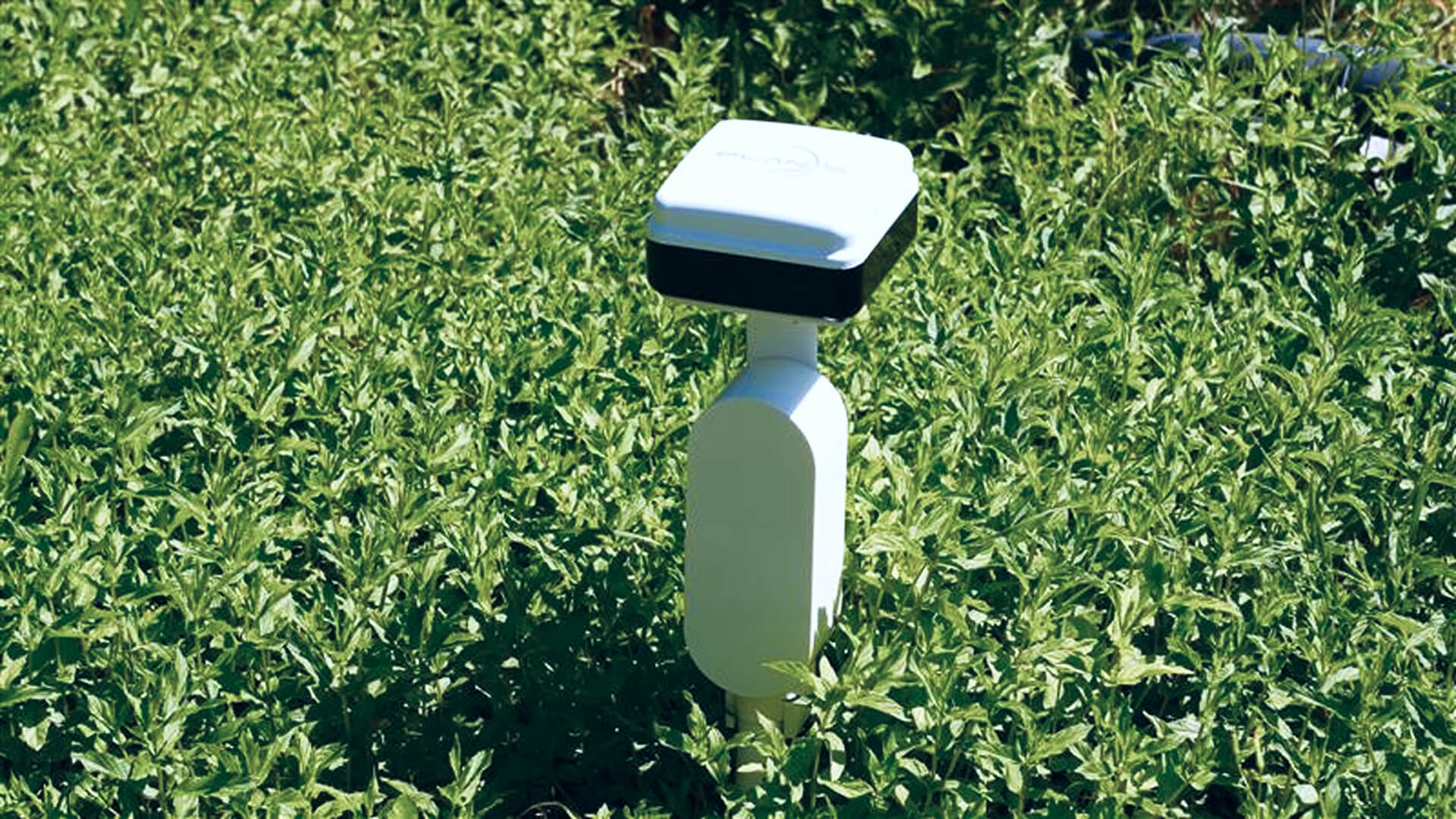
How LoRaWAN-Compatible Satellite IoT Enables Low-Power Data Transmission
LoRaWAN-compatible satellite IoT enables low-power data transmission from remote sensors, meters, trackers, and infrastructure assets operating beyond terrestrial coverage. Through Connecta, Plan-S combines satellite connectivity, IoT hardware, network infrastructure, and operational tools to support efficient, scalable, and long-term remote monitoring.
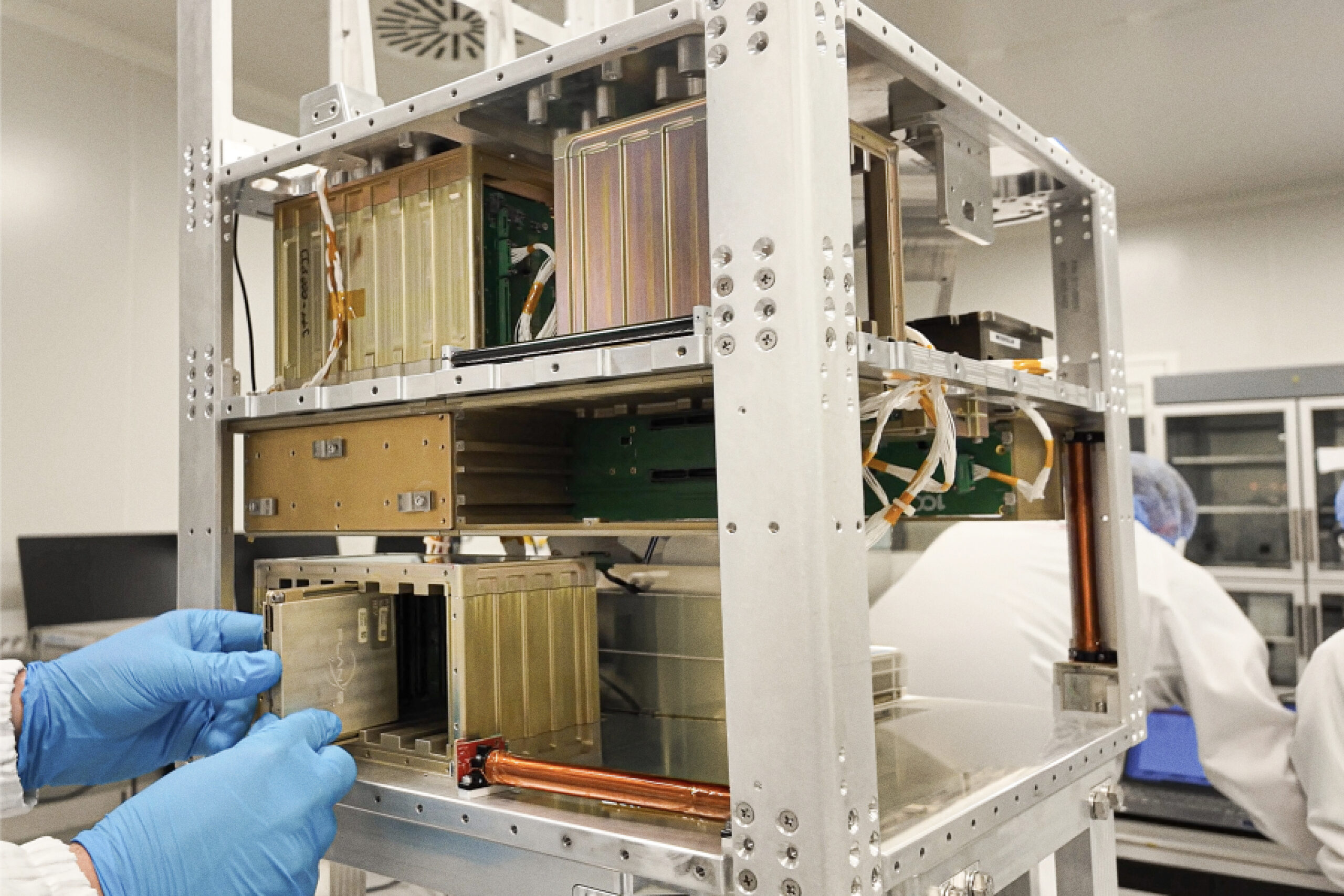
Hosted Payload Missions: A Faster Route to Flight Heritage
Hosted payload missions provide a practical route to in-orbit validation by allowing organizations to test sensors, communication systems, scientific instruments, and experimental payloads on existing spacecraft platforms. By building on Plan-S’ mission heritage and end-to-end space services capabilities, organizations can gain flight heritage while reducing the complexity of developing a dedicated satellite mission.