

5G Is Only the Beginning: Why the Future of Connectivity Extends Into Space
Türkiye has entered a new era in mobile communications. With the rollout of 5G beginning on April 1, 2026, a major technological milestone is now becoming a reality across the country. But 5G should not be seen simply as a faster version of what came before. It represents the foundation of a much broader communications architecture one that will increasingly extend beyond terrestrial networks and into space.

April 8, 2026

8 minute reading
#5G
#CONNECTA
The real question is no longer whether 5G is coming. It is whether the next phase of connectivity will be built only on the ground, or as part of a unified system that combines terrestrial and non-terrestrial infrastructure. That is where the future is heading, and it is where strategic decisions made today will define technological competitiveness for the next decade.
Mobile Communications Are Expanding Beyond Earth
A major shift is already underway in global telecommunications. With 3GPP Release 17, satellite systems were formally integrated into the 5G standards framework under NTN, or Non-Terrestrial Networks. This was not a marginal technical update. It was a structural change in how the future of mobile connectivity is being designed.
In practical terms, NTN allows satellites to become part of the mobile communications architecture. Instead of relying exclusively on terrestrial towers, networks can incorporate satellites as active communication nodes. Devices can connect through the same ecosystem, using the same communication principles, across both ground-based and space-based infrastructure.
This matters because Low Earth Orbit (LEO) satellites operate much closer to Earth than traditional geostationary satellites, dramatically reducing latency and making more advanced services possible. As standards continue to evolve, satellite-based mobile communications are moving from basic connectivity toward architectures where processing capabilities themselves can be carried onboard satellites. In other words, the space layer is no longer being treated as a relay alone. It is becoming an intelligent and native part of the communications system.
From a 6G perspective, this direction is even clearer. The next generation of communications is being shaped as a fully integrated architecture combining terrestrial networks, satellite infrastructure, and advanced digital intelligence into a single framework.
Why the Satellite Layer Matters
The value of satellite integration goes far beyond extending coverage maps. It changes the resilience, flexibility, and strategic reach of communications networks.
First, satellite-enabled architectures can deliver connectivity in locations where terrestrial infrastructure is difficult, uneconomical, or simply impossible to deploy effectively. Remote valleys, maritime routes, border regions, forests, offshore zones, and air corridors all fall into this category. In these environments, non-terrestrial networks are not an enhancement. They are often the only practical option.
Second, satellites strengthen infrastructure resilience. Terrestrial systems remain vulnerable to earthquakes, floods, storms, conflict, energy disruptions, and fiber cuts. Space-based infrastructure operates independently of those risks. When critical conditions affect systems on the ground, the satellite layer can continue to support essential communications.
Third, the economic model is fundamentally different. Instead of building dense physical infrastructure point by point, satellite systems can cover vast geographies through scalable orbital assets. This creates meaningful advantages in deployment speed, service continuity, and long-term expansion.
The World Is Already Moving
Globally, the race to integrate satellite systems into mobile communications is already well underway. Governments, operators, and technology players are investing heavily in NTN capabilities, not as experimental projects, but as strategic infrastructure.
Across North America, Europe, and Asia-Pacific, mobile ecosystem players have committed substantial investments to satellite operators in recent years. These moves reflect more than commercial curiosity. They signal a clear understanding that future communications competitiveness will depend on ownership, access, and influence across both terrestrial and non-terrestrial layers.
Europe offers one of the clearest examples of this approach. Through the IRIS² initiative, the European Union is building a large-scale sovereign satellite communications infrastructure designed to reinforce resilience, security, and strategic independence. It is not being positioned as a niche supplement to existing systems, but as a long-term pillar of Europe’s digital future.
This global momentum sends a clear message: 5G and 6G are no longer being imagined without a satellite layer. The question for each country is whether it will help shape that future or depend on others to provide it.
Why This Matters for Türkiye
Türkiye is entering the 5G era with a strong terrestrial mobile foundation. That is an important achievement, but it is not sufficient on its own.
One reason is clear and immediate: resilience. Turkey is a country where communications continuity during disasters is not a theoretical issue. Earthquakes have shown how quickly terrestrial infrastructure can become fragile at the exact moment communication becomes most critical. Towers can fail, fiber can be interrupted, and power-dependent systems can go offline. In such moments, the ability to maintain a parallel space-based layer is not a luxury. It is a requirement for national resilience.
The second reason is strategic reach. Türkiye’s footprint today extends well beyond its borders through trade, diplomacy, infrastructure projects, regional partnerships, humanitarian engagement, and security interests. That reality raises an important question: can reliable and independent communications be ensured wherever Türkiye operates or supports operations?
If the answer depends primarily on foreign satellite infrastructure, then the issue is no longer only commercial. It becomes a matter of sovereignty, security, operational independence, and long-term technological positioning.
At the same time, Türkiye is well placed to serve as more than a domestic user of these capabilities. It has the potential to become a regional technology leader by contributing to satellite-enabled communications solutions for neighboring geographies that still lack secure and sovereign mobile connectivity layers.
Strategic Opportunity Comes With Real Challenges
The case for satellite-enabled mobile infrastructure is strong, but it must be approached with realism. This is not a simple undertaking.
Launch access remains a major factor. Constellation-scale deployment requires dependable and sustained access to orbit, which introduces cost, scheduling, and dependency considerations. Regulatory readiness is another key area. Spectrum coordination, legal frameworks, and operator alignment must evolve in parallel with the technical roadmap.
The financial dimension is equally critical. Building and operating a large-scale satellite-enabled communications architecture requires significant investment. A model focused only on the domestic market would likely be too narrow to unlock long-term sustainability. For this reason, the business case must be regional and international from the outset.
There are also major engineering challenges to solve, from RF and antenna technologies to platform design, software-defined communications, systems integration, and certification against evolving standards. None of these challenges are trivial. But neither are they beyond reach for an ecosystem with the right capabilities, commitment, and coordination.
What Türkiye Should Do Next
Turkey already possesses important foundations: strong mobile operators, growing space capabilities, advanced engineering talent, and an expanding industrial base in satellite technologies, RF systems, ground infrastructure, and software. The next step is not merely to acknowledge these strengths, but to align them within a long-term national and regional strategy.
The most viable path is a collaborative model that brings together public institutions, mobile operators, space technology companies, and critical ecosystem players under a shared roadmap. Such a model should not focus only on domestic demand. It should aim to create an exportable and regionally relevant communications layer that serves broader markets and builds lasting strategic partnerships.
This would allow investment to be shared, technology ownership to be distributed across committed stakeholders, and long-term commercial sustainability to be built into the architecture from the beginning. It would also position Türkiye not just as a buyer of next-generation infrastructure, but as a contributor to its design and deployment.
Why Plan-S Sees This as a Realistic Path
At Plan-S, we do not view satellite-enabled 5G/6G integration as a distant concept. We see it as a practical and achievable direction, provided the right ecosystem, timing, and strategic support come together.
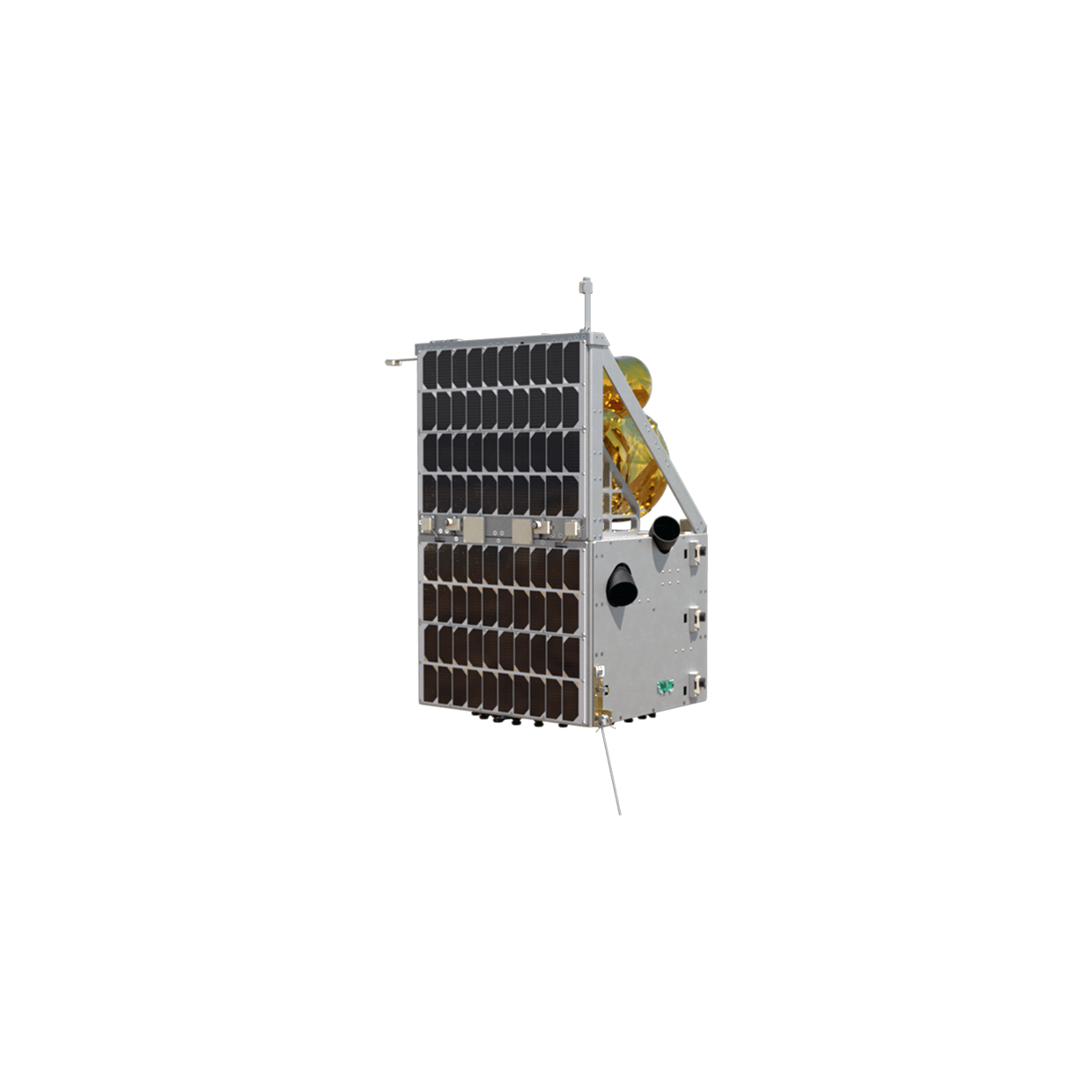
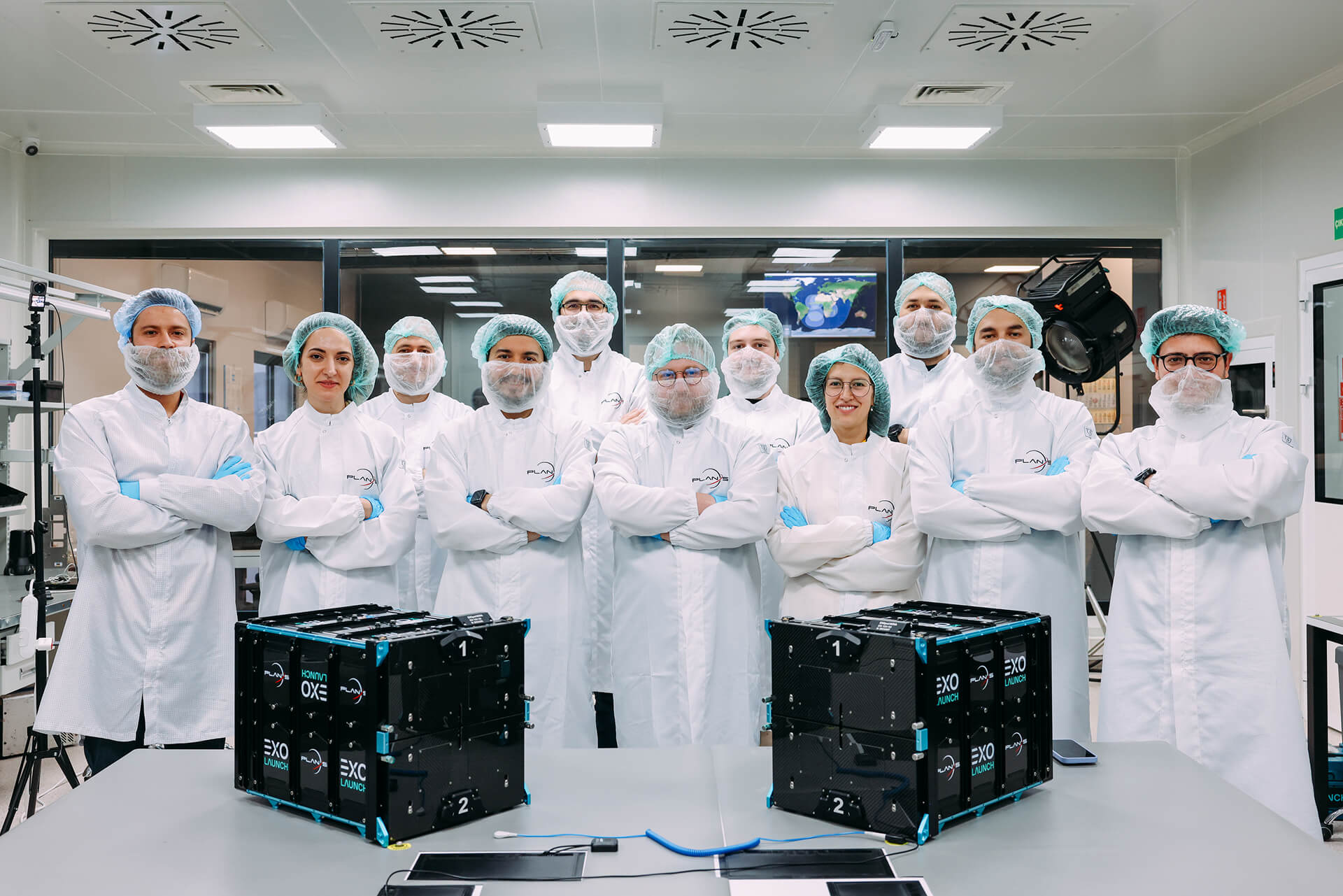
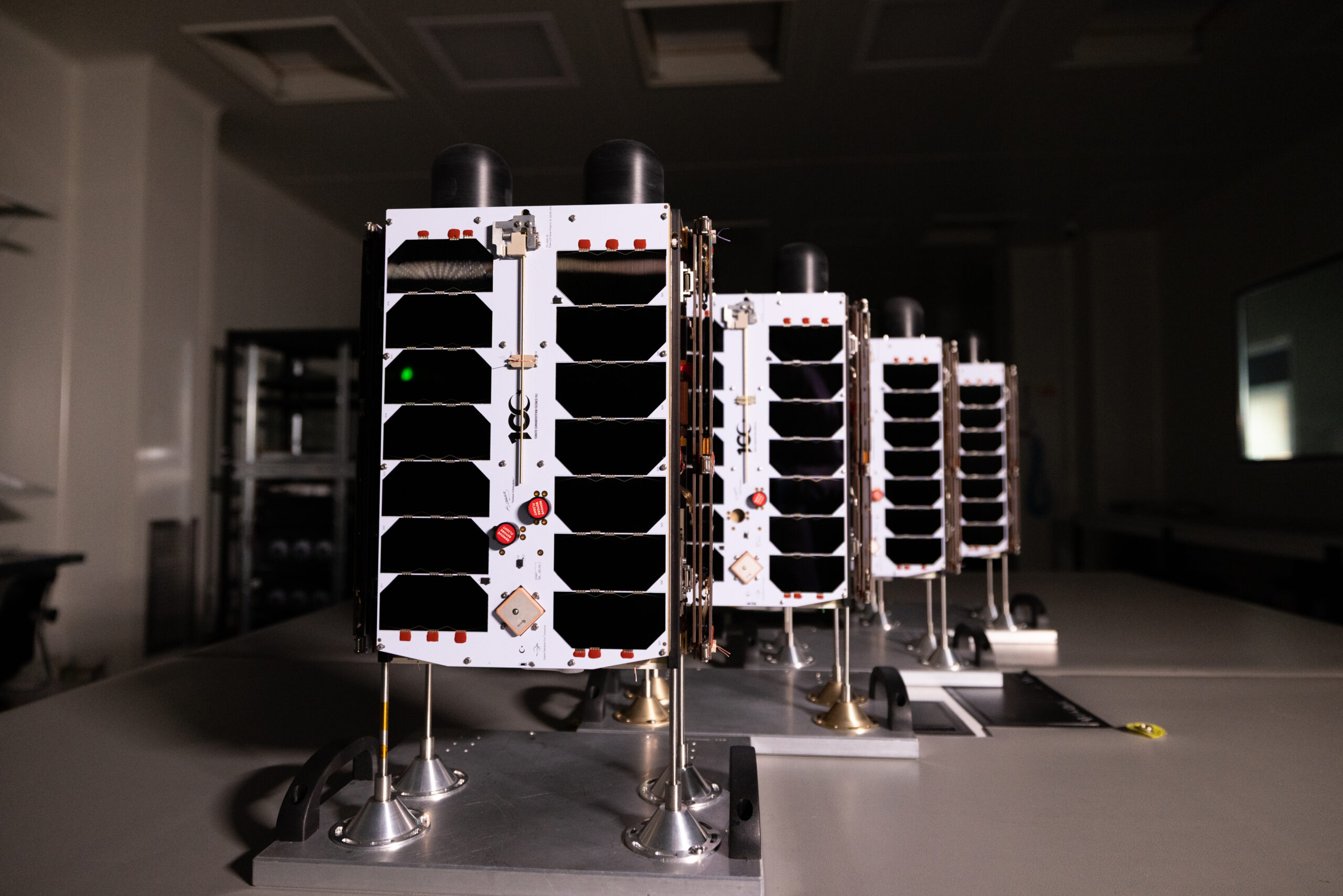
Over the past 4.5 years, Plan-S has designed, manufactured, and launched 21 satellites into orbit. We have developed core satellite technologies, constellation operations capabilities, and in-house software systems that support real missions in orbit. Through the Connecta IoT Network, we continue to operate and expand a space-based communications infrastructure built on real operational experience.
This matters because the transition to NTN is not only a standards discussion. It is an engineering, operations, and systems-integration challenge. Experience in building and operating satellite systems at scale is essential. That is the perspective we bring to this conversation.
5G Should Be a Starting Point, Not the Destination
Turkey’s 5G rollout is an important national milestone. But its true significance lies in what it should unlock next.
The global communications architecture of the future will not stop at terrestrial towers. It will combine ground infrastructure, space-based systems, and intelligent network design into a single, integrated framework. Countries that prepare for that shift will be better positioned to protect their sovereignty, strengthen resilience, create economic value, and compete technologically. Those that do not may find themselves locked into deeper dependency in the years ahead.
For Türkiye, 5G should be understood not as the final objective, but as the beginning of a much larger journey. The next strategic step is not only faster connectivity on the ground. It is extending that vision into space.
Written by Özdemir Gümüşay
BLOG
Related Insights
Explore how space assets and ground infrastructure work together, use cases, architectures, and field results from Plan-S projects.


The Role of Systems Engineering in Small Satellite Mission Success
Systems engineering connects payload, power, thermal control, ADCS, communications, software, ground infrastructure, and operations into a coherent mission architecture. For small satellite missions, this system-level approach helps reduce integration risk, improve reliability, and ensure that every subsystem supports the mission objective.

LEOP Explained: What Happens After a Satellite Reaches Orbit?
Launch and Early Orbit Phase, or LEOP, is the critical stage after deployment when a satellite establishes communication, undergoes health checks, activates subsystems, verifies orbit, checks payload performance, and transitions into routine operations. A successful LEOP turns a launched spacecraft into an operational asset capable of delivering mission value.
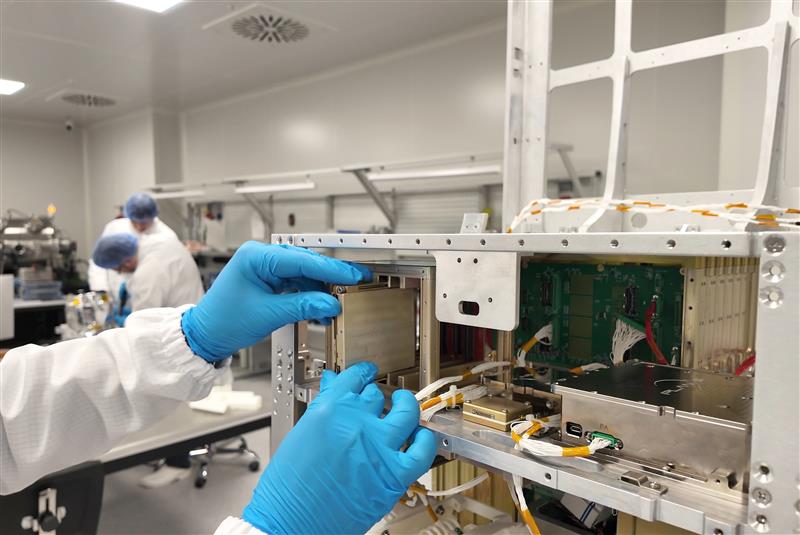
Payload Integration for Small Satellites: What Mission Teams Should Know
Payload integration is a system-level process that aligns mechanical, electrical, thermal, data, software, and operational requirements within the spacecraft architecture. For small satellite missions, successful integration helps reduce risk, validate mission readiness, and ensure that the payload can deliver reliable value in orbit.

How End-to-End Satellite Services Reduce Mission Complexity
End-to-end satellite services reduce mission complexity by bringing mission design, spacecraft development, payload integration, testing, launch coordination, ground segment, data systems, and in-orbit operations under one integrated framework. With a single accountable mission partner, organizations can move from concept to orbit with greater clarity, control, and operational continuity.
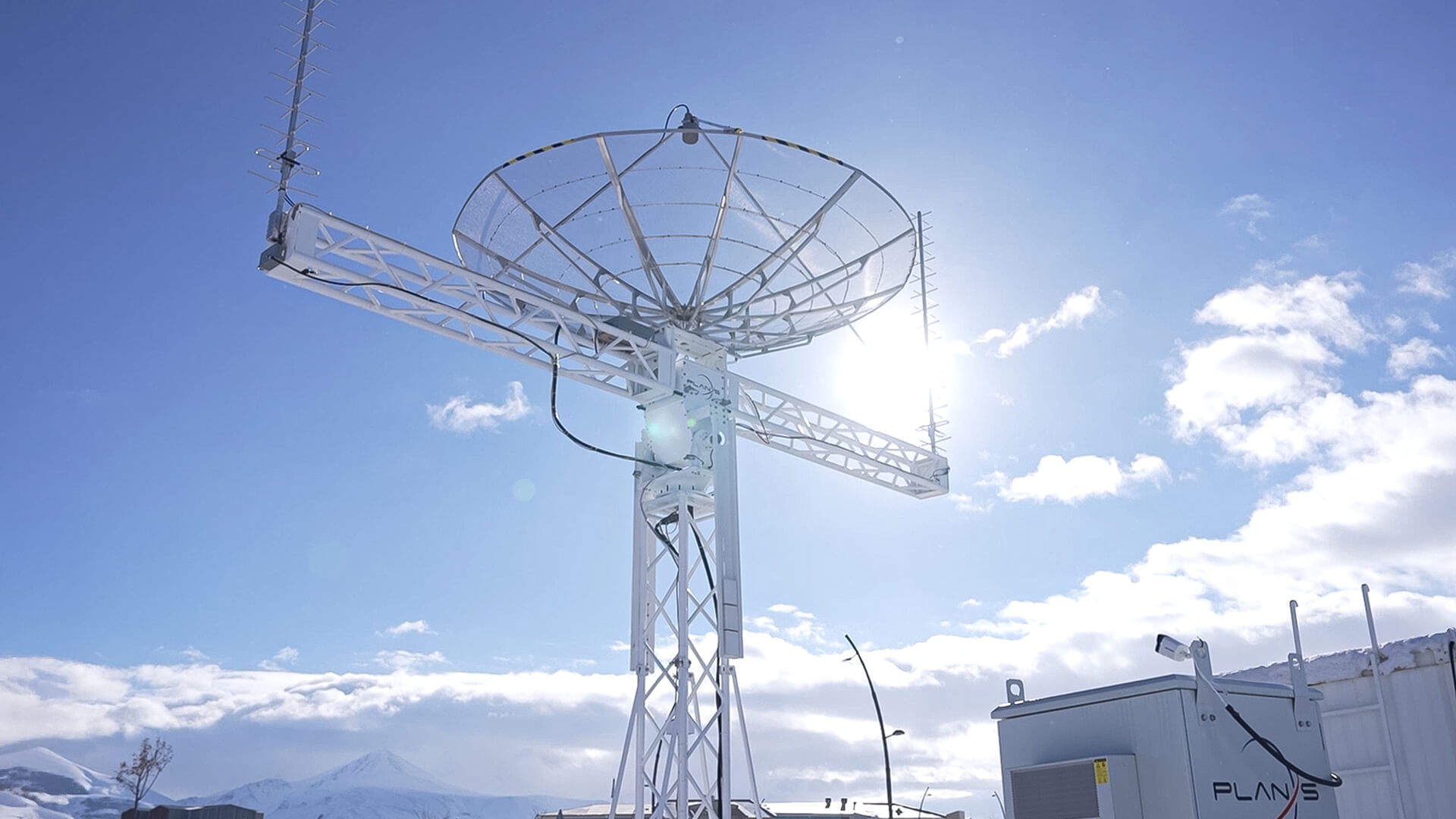
Ground Segment 101: Why Satellites Need More Than Spacecraft to Deliver Value
A satellite alone creates potential, but the ground segment turns that potential into operational value. By connecting spacecraft to mission control, data downlink, processing systems, software platforms, and user applications, the ground segment enables satellites to deliver reliable information, control, and service continuity on Earth.
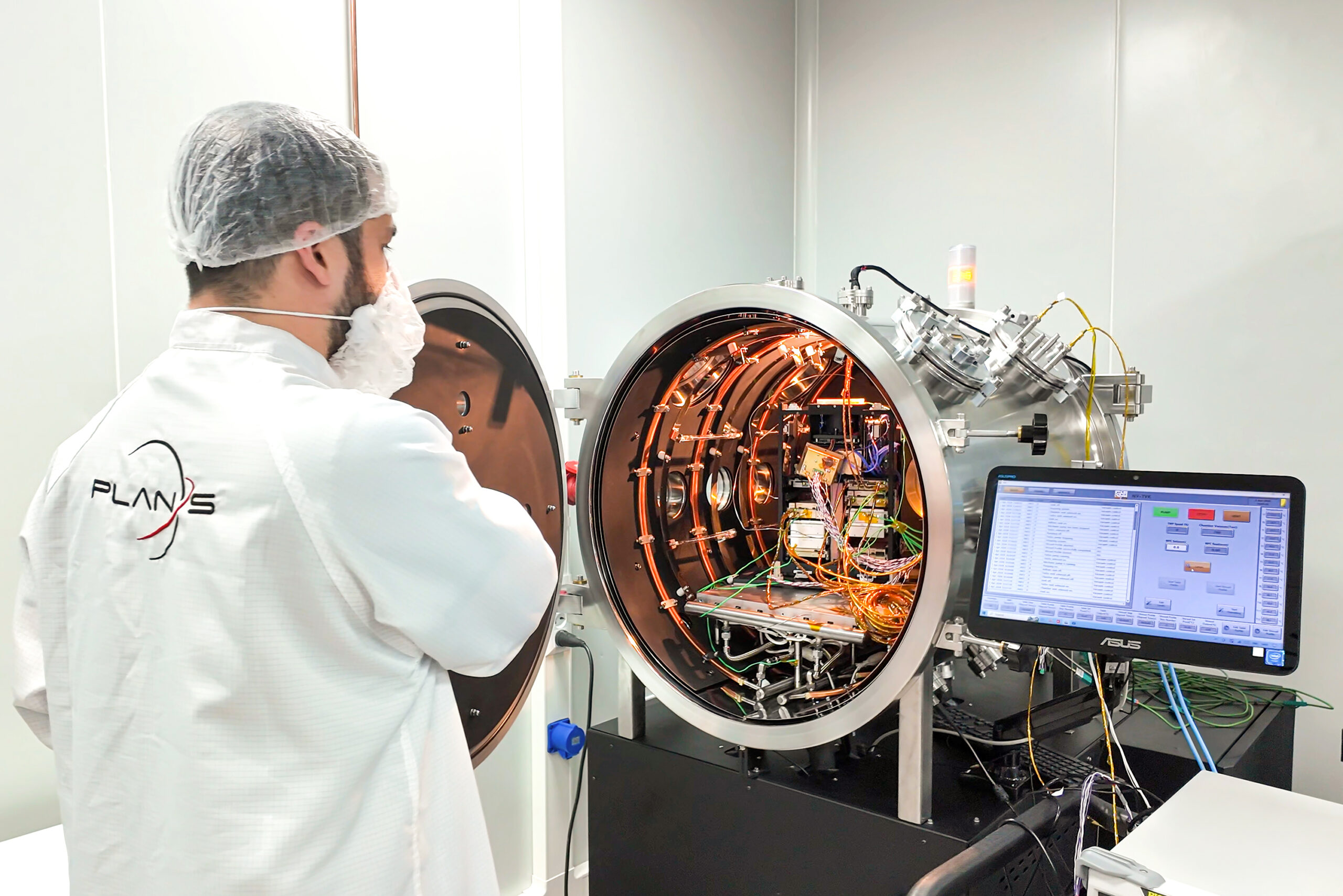
The Role of AIT in Building Reliable Small Satellites
Assembly, Integration, and Testing is one of the most critical phases in building reliable small satellites. By validating subsystems, interfaces, payload compatibility, environmental performance, and operational readiness before launch, AIT helps reduce mission risk and supports more predictable outcomes in orbit.
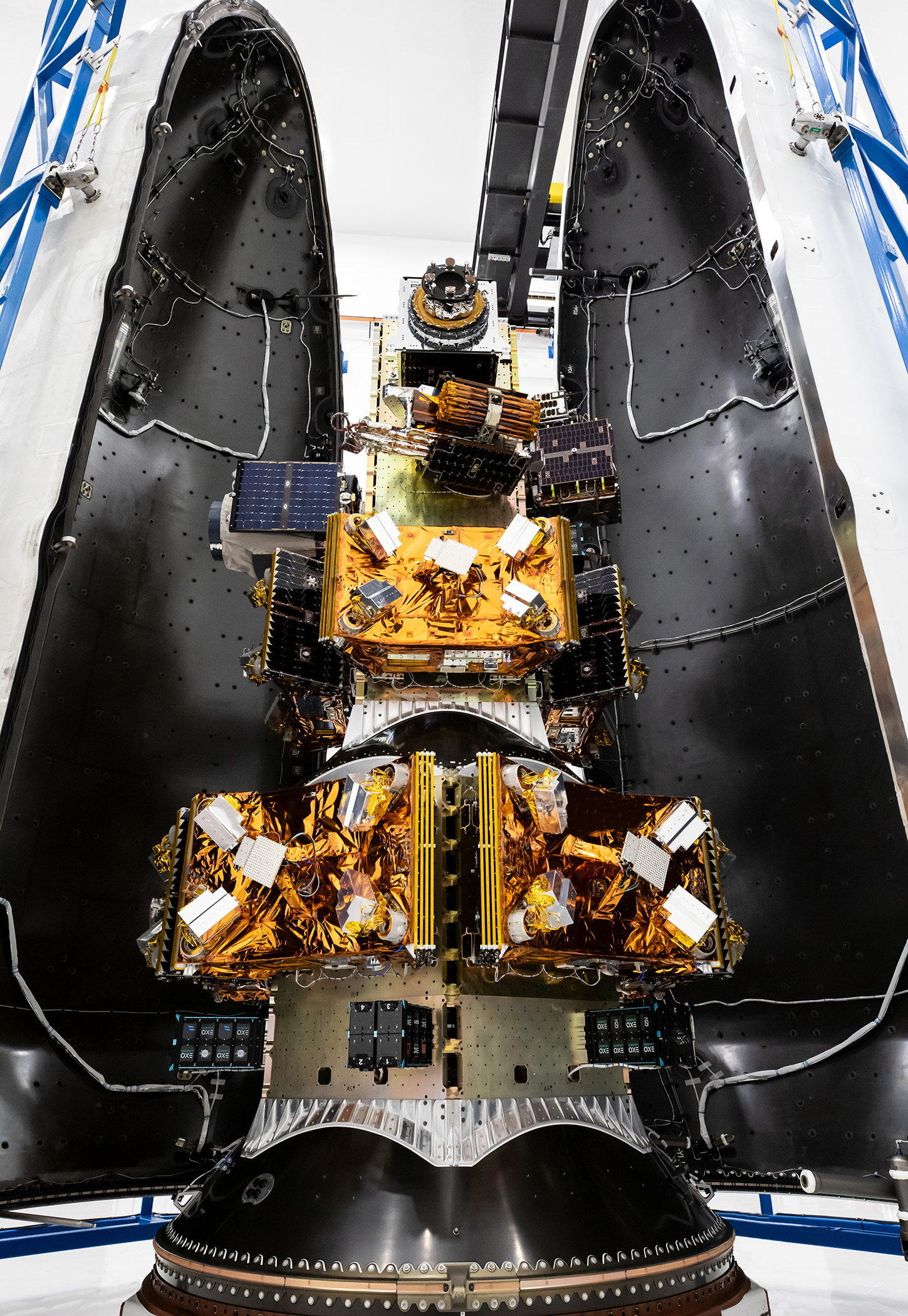
From Mission Concept to Orbit: A Step-by-Step Guide to Small Satellite Missions
A small satellite mission is a coordinated journey from concept definition and mission design to platform development, payload integration, testing, launch, licensing, operations, and data delivery. Through its end-to-end space services capabilities, Plan-S helps organizations transform mission objectives into reliable operational systems in orbit.

Weather Monitoring in Remote Areas: Keeping Environmental Data Flowing
Satellite IoT helps keep weather and environmental data flowing from remote monitoring points beyond terrestrial network coverage. Through Connecta, Plan-S enables reliable data transmission from distributed sensors and weather stations, supporting better planning, early warning, risk reduction, and long-term environmental visibility.
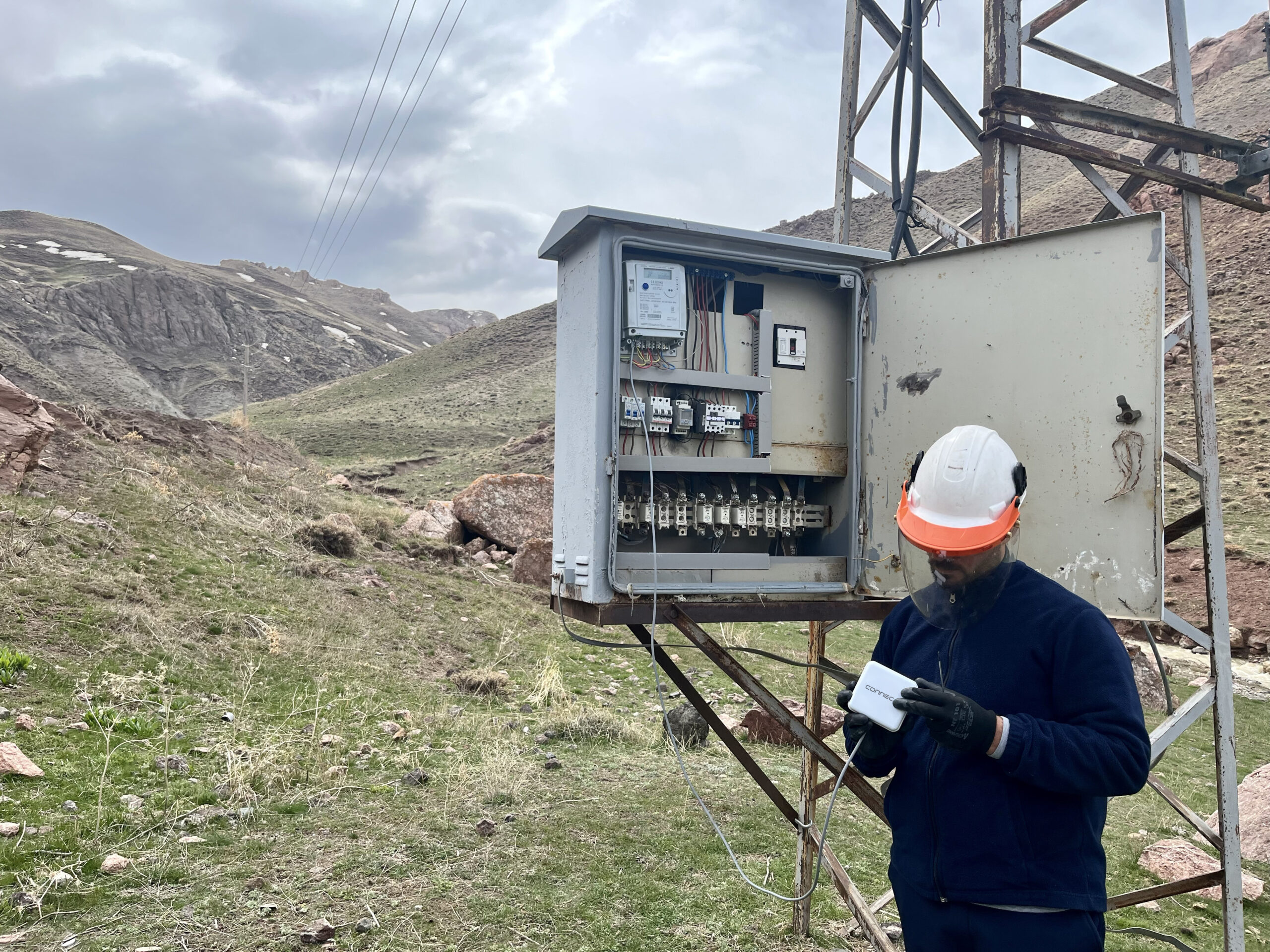
Smart Meter Reading in Remote Areas: How Satellite IoT Reduces Field Visits
Satellite IoT enables utilities to collect smart meter data from remote areas beyond terrestrial network coverage. Through Connecta Smart Meter Reader Modems and the Connecta IoT Network, Plan-S helps utilities reduce unnecessary field visits, improve data continuity, and maintain visibility across distributed service areas.

Satellite IoT for Agriculture: From Soil Data to Smarter Irrigation
Satellite IoT helps agricultural teams collect soil, irrigation, and field data from remote areas beyond terrestrial network coverage. Through Connecta, Plan-S enables smarter irrigation planning, improved resource management, and greater visibility across distributed agricultural operations.

How LoRaWAN-Compatible Satellite IoT Enables Low-Power Data Transmission
LoRaWAN-compatible satellite IoT enables low-power data transmission from remote sensors, meters, trackers, and infrastructure assets operating beyond terrestrial coverage. Through Connecta, Plan-S combines satellite connectivity, IoT hardware, network infrastructure, and operational tools to support efficient, scalable, and long-term remote monitoring.
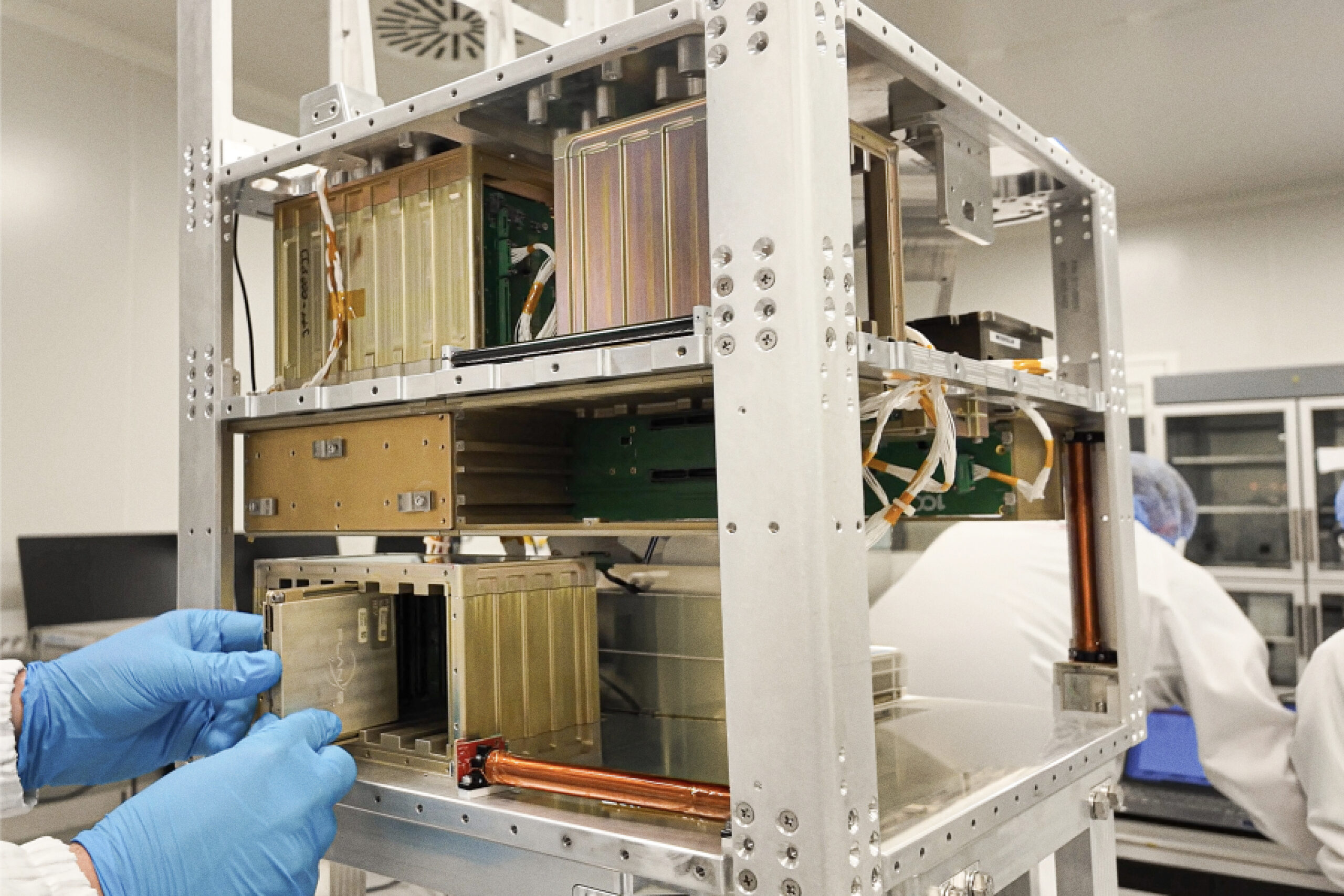
Hosted Payload Missions: A Faster Route to Flight Heritage
Hosted payload missions provide a practical route to in-orbit validation by allowing organizations to test sensors, communication systems, scientific instruments, and experimental payloads on existing spacecraft platforms. By building on Plan-S’ mission heritage and end-to-end space services capabilities, organizations can gain flight heritage while reducing the complexity of developing a dedicated satellite mission.