

The Big Revolution of Small Satellites: Why the Right Platform Matters
Space is now everyone’s business! Not long ago, space was accessible only to a handful of major nations and established defense contractors, shaped by billion-dollar budgets and development timelines that stretched over decades.

March 23, 2026

10 minute reading
#cubesat
#microsat
That picture has changed dramatically. Today, private companies can design and launch their own satellites, commercial constellations can be deployed within a few years, and countries can begin building sovereign space capabilities in months rather than decades. In short, the space sector has undergone a rapid and profound transformation over the past 10 years.
This shift did not happen by chance. Reusable launch technology has sharply reduced the cost of reaching orbit. Rideshare launch models have made access more flexible. Modular satellite platforms have accelerated development and lowered barriers to entry. Together, these changes have turned space from an exclusive domain into an operational layer that is increasingly accessible across industries and geographies.
The question is no longer whether access to space is possible. The real question now is how fast, how reliably, and how independently that access can be secured.
To understand where this transformation is headed, and how Plan-S is positioning itself within it, it is worth looking at the forces driving this new demand.
Four Key Factors Driving Demand
From Plan-S’ perspective, four major shifts are reshaping the market and accelerating demand for space infrastructure.
1. Sovereignty Is No Longer Optional
Over the past five years, the geopolitical landscape has changed fundamentally. The war between Russia and Ukraine, regional instability, and broader shifts in global power dynamics have forced countries to rethink how they view space infrastructure. Dependence on foreign satellite systems or external data services is increasingly seen as a strategic vulnerability.
As a result, the market is moving away from a pure service-procurement model and toward ownership. More countries, including developing nations, are prioritizing their own Earth observation, communications, and intelligence systems and allocating budgets accordingly.
Data sovereignty and operational independence are no longer just technological ambitions. They are now essential components of national resilience and strategic autonomy.
2. No One Wants to Be Left Behind
Space is no longer simply a matter of prestige or technological ambition. It has become a practical and indispensable layer of infrastructure. Without it, governments and companies risk falling behind economically, technologically, and strategically.
That is why countries around the world are launching national space strategies, building roadmaps, and preparing long-term investments. At the same time, private companies are increasingly integrating space-based capabilities into their products and services, treating them as a strategic advantage rather than a distant or expensive option.
Through Plan-S’ business development activities, one thing has become clear: many technology companies no longer see space solutions as out of reach. On the contrary, they now view them as tools that can strengthen product performance, expand addressable markets, and create competitive differentiation.
This mindset shift is not only growing demand, but also broadening it.
3. The New Space Economy Has Broken the Cost Barrier
The economics of satellite development have changed. Under the traditional model, a single satellite project could take more than five years from concept to orbit. Today, with the right platform and ecosystem, that timeline can drop below two years.
For constellation programs, timelines can be even shorter. Some companies are now adding dozens of satellites to orbit each month.
Shared launch opportunities, the increasing use of commercial off-the-shelf components, and modular satellite architectures have all helped dismantle the old cost structure. A massive budget is no longer the decisive factor it once was.
What matters now is the right ecosystem, the right team, and proven flight heritage. As more companies succeed, the ecosystem strengthens. And as the ecosystem grows, new use cases continue to emerge.
4. Space Has Become an Infrastructure Layer for Multiple Sectors
Space is no longer a standalone sector. It is increasingly becoming a foundational layer across industries.
Energy, agriculture, transportation, communications, and environmental monitoring are all beginning to rely on space-based capabilities as part of their operational stack. Satellite IoT connectivity, high-resolution Earth observation, and space-based communication services are no longer being positioned as niche space products. They are becoming as relevant to operations as cloud infrastructure or terrestrial connectivity.
That shift is changing not only demand, but also the type of platforms the market needs.
The Platform Revolution: Every Mission Needs the Right Spacecraft
As mission demand becomes broader and more sophisticated, satellite platform design is evolving with it. To understand what comes next, it is important to recognize the role CubeSats have played in getting the industry to this point.
CubeSats: The Breakthrough That Opened the Door
CubeSats made space more accessible than ever before. Their standardized form factors, compatibility with rideshare launches, and lower development costs gave universities, startups, research institutions, and public organizations a practical path into orbit.
Their contribution to the growth of the new space economy has been enormous.
But as mission requirements become more demanding, the structural limits of CubeSats become more visible. Constraints around power generation and storage, thermal control, internal volume, pointing accuracy, redundancy, and payload capacity can make them unsuitable for more advanced missions.
For applications such as SAR, wideband multibeam communications, or highly critical mission systems, CubeSats often cannot deliver the required performance and reliability.
That does not mean CubeSats are no longer relevant. It means the mission landscape has matured, and different mission profiles now require different platform classes.
Micro and Mini Satellites: Expanding Capability Without Losing Agility
Today, micro and mini satellite platforms represent one of the fastest-growing segments of the industry. That growth is driven not only by technical capability, but also by their ability to preserve many of the speed and cost advantages that made small satellites attractive in the first place.
Much of the equipment used in modern micro and mini satellites is derived from technologies already proven on CubeSat missions. That means the engineering knowledge, qualification experience, and flight heritage built in one platform class can be transferred into the next.
Instead of starting from scratch for every new mission, it becomes possible to build on a proven foundation. That allows operators to achieve higher levels of performance and reliability while still benefiting from shorter timelines and lower costs than traditional large-satellite programs.
With modular architectures, the same platform family can also be adapted quickly and efficiently for a wide range of missions, from Earth observation and communications to intelligence and scientific applications.
In today’s market, adaptability often matters just as much as raw performance. Mission lifetimes are increasingly expected to fall within the five- to seven-year range, and customers want platforms that can be redesigned and prepared for flight in months, not years.
This is where micro and mini satellites offer a particularly strong value proposition.
The Plan-S Approach: From Vision to Platform
At Plan-S, this transformation is not something being observed from the sidelines. It sits at the core of the company’s technology roadmap and business model.
Since 2021, Plan-S has built a vertically integrated structure capable of managing the full chain, from satellite design and manufacturing to launch support, operations, and data delivery. That model enables faster iteration, stronger control over mission architecture, and a closer alignment with customer needs.
The result is a more accessible path to space projects, supported by operational experience rather than theory.
Proven Flight Heritage: 4.5 Years, 8 Launch Missions, 21 Satellites, and 220,000 Hours of Orbital Operations
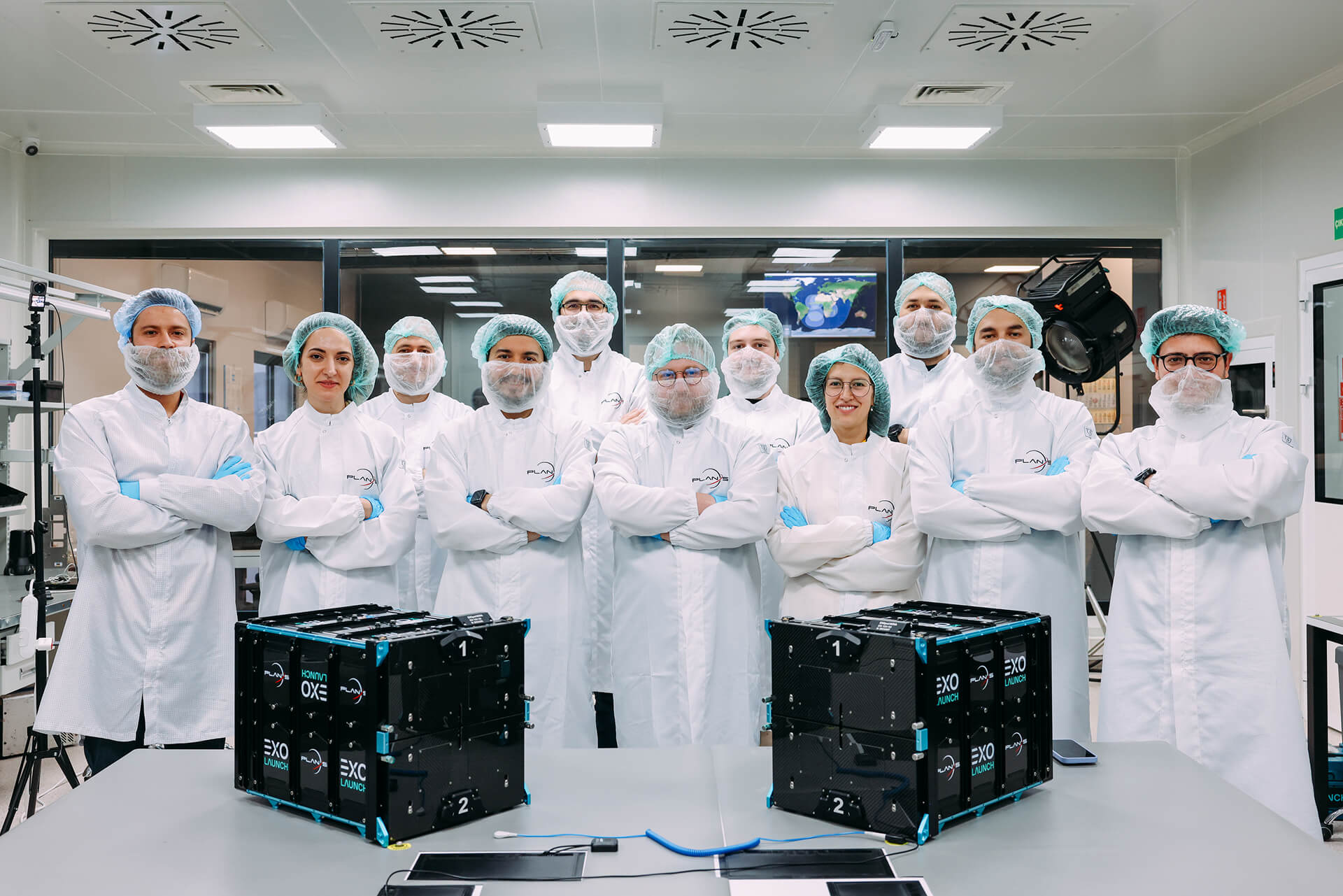
Since 2022, Plan-S has placed 21 satellites into orbit. As Türkiye’s first major private satellite operator and space technology initiative, that track record provides concrete proof of platform reliability, production maturity, and operational capability.
Each mission contributes directly to the next. Every launch expands not only in-orbit experience, but also the engineering knowledge embedded in future platform designs.
A Satellite Platform Family Built for Different Missions
Plan-S develops its platform portfolio with one principle in mind: the right spacecraft for the right mission.
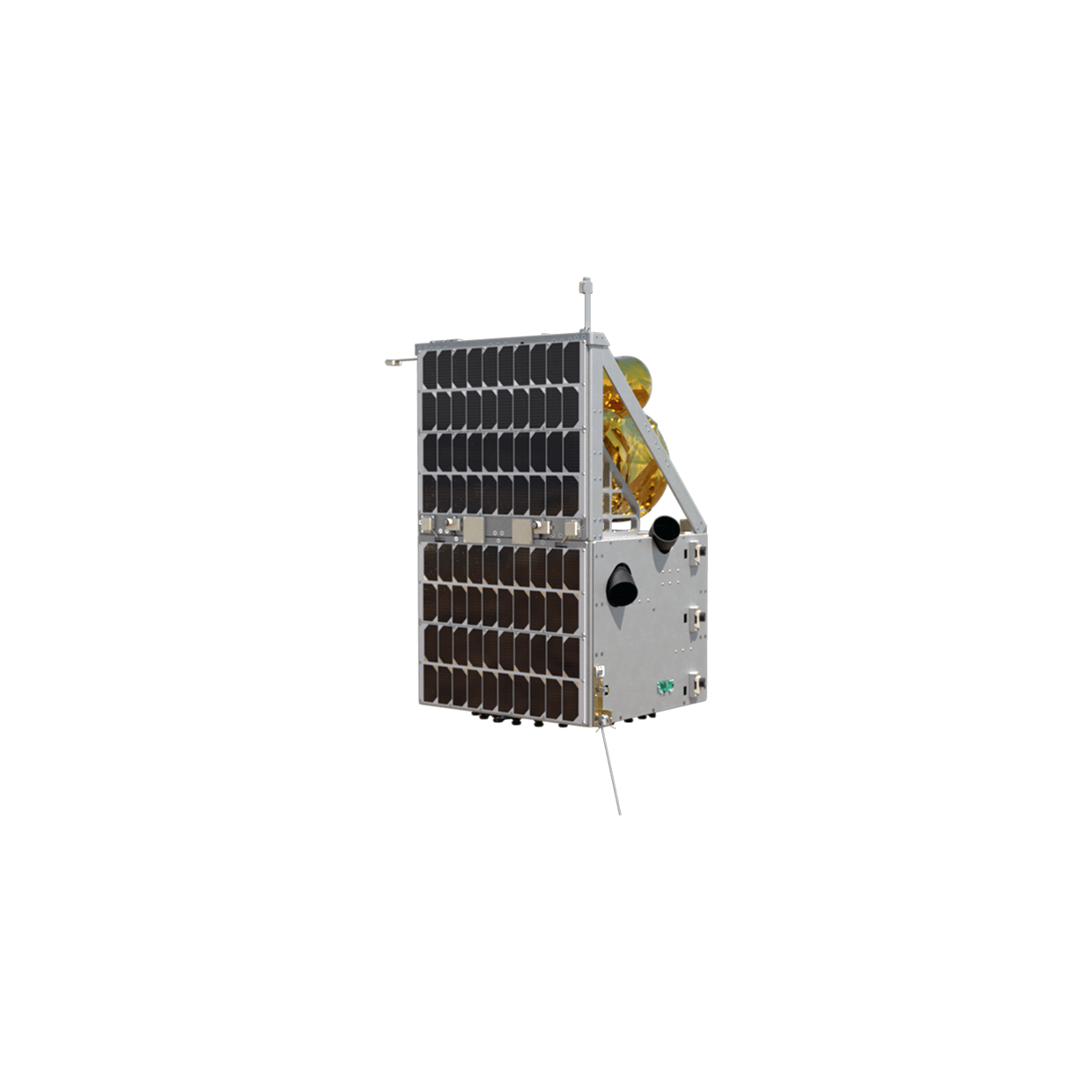
CubeCore Family (3U–16U)
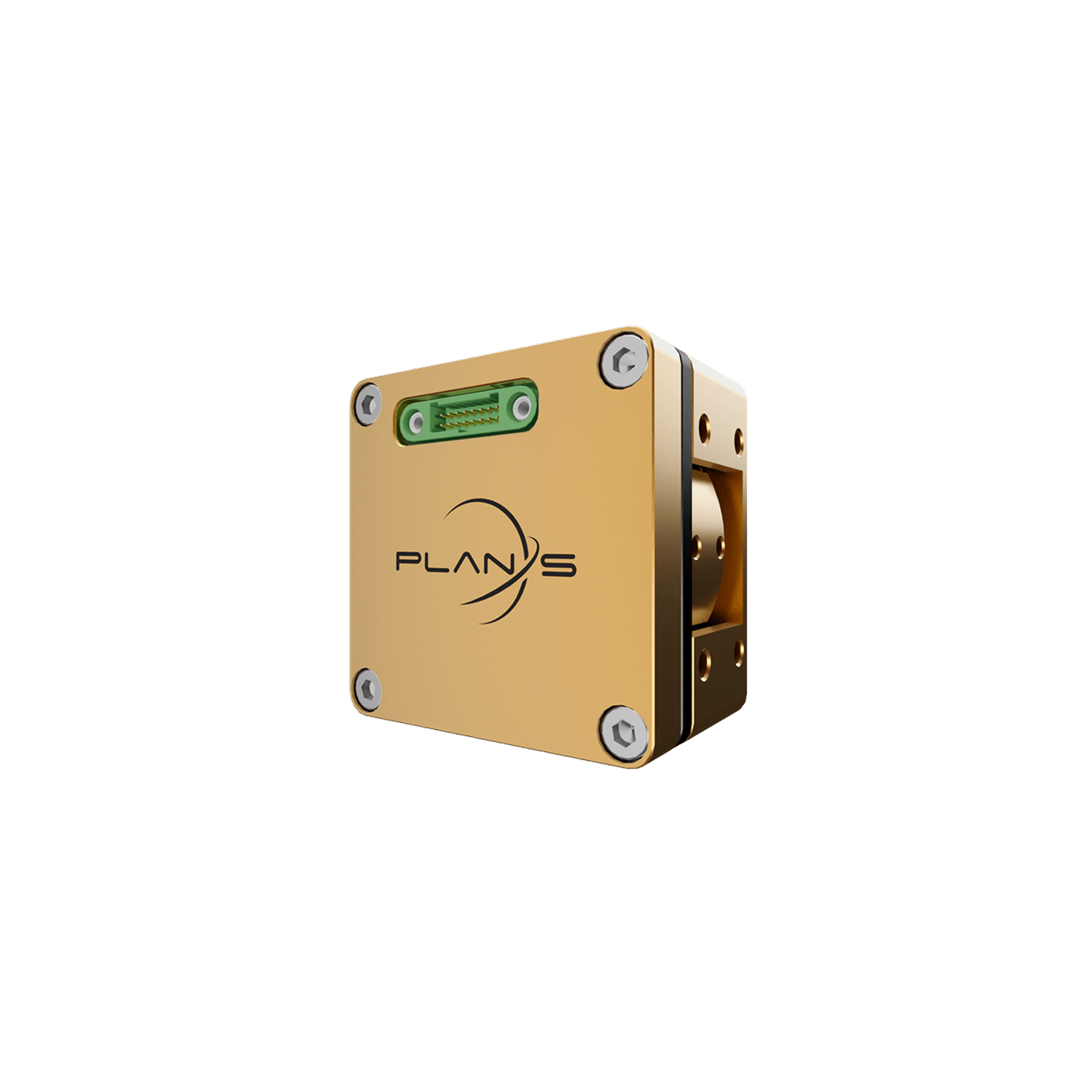
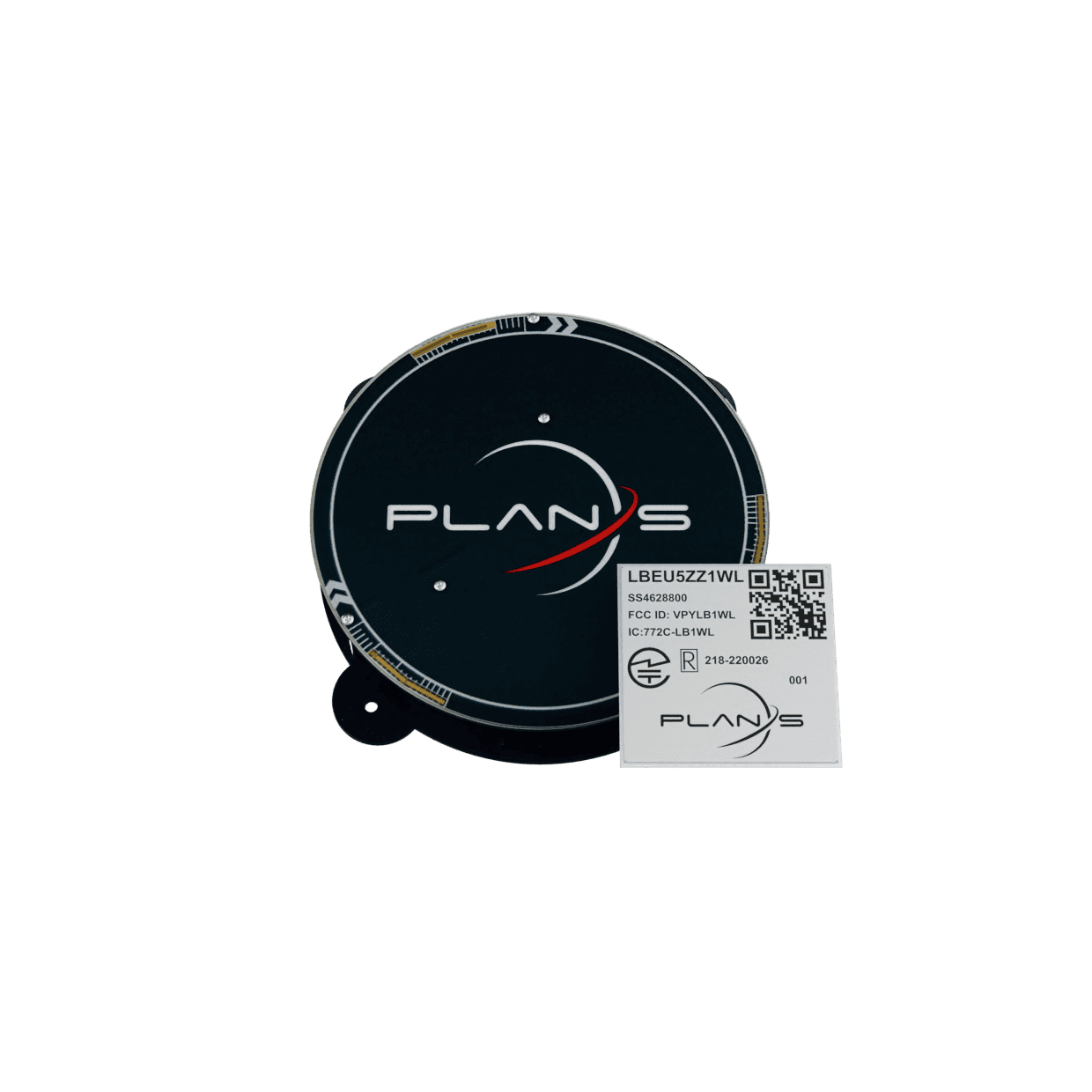
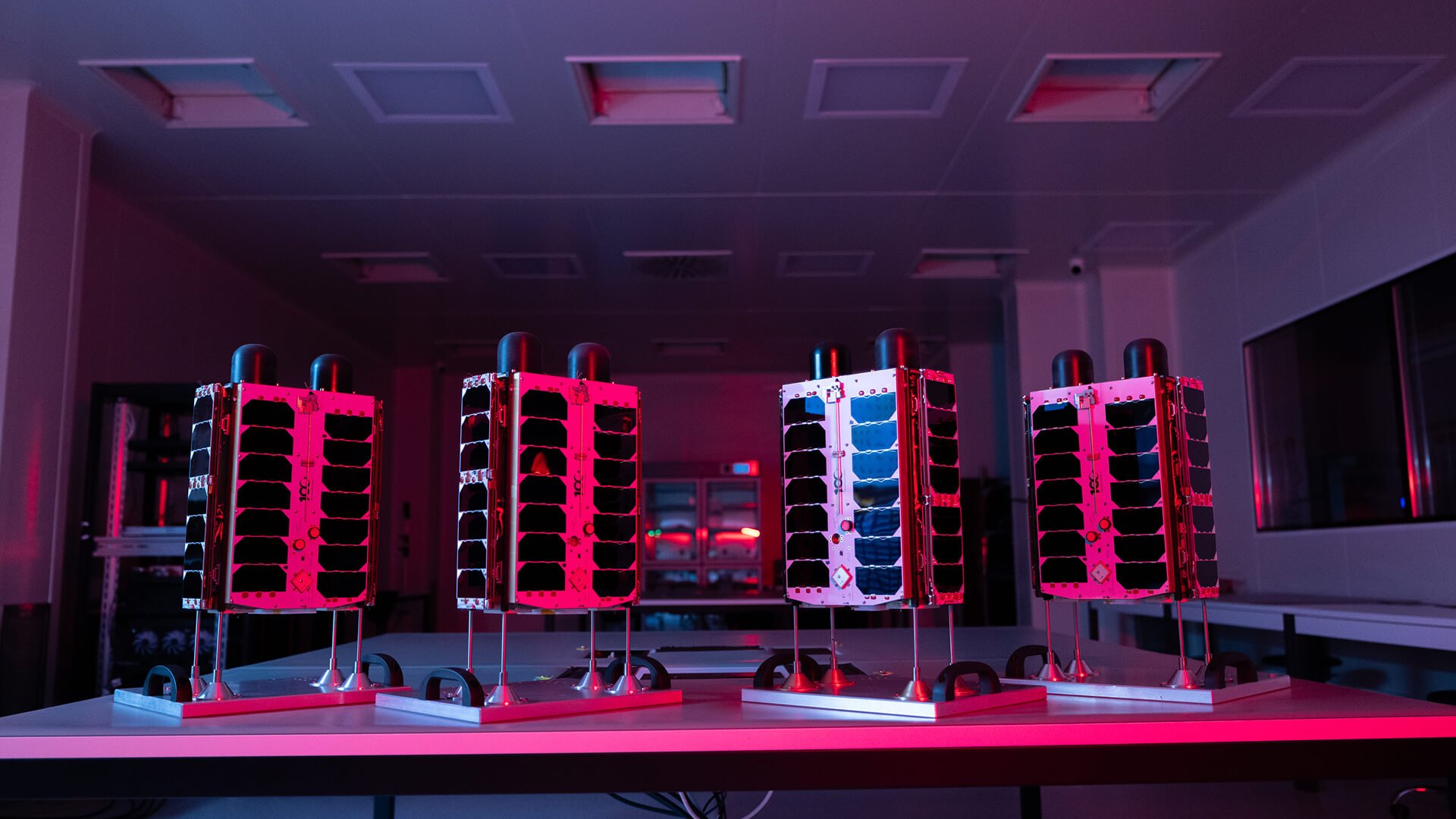
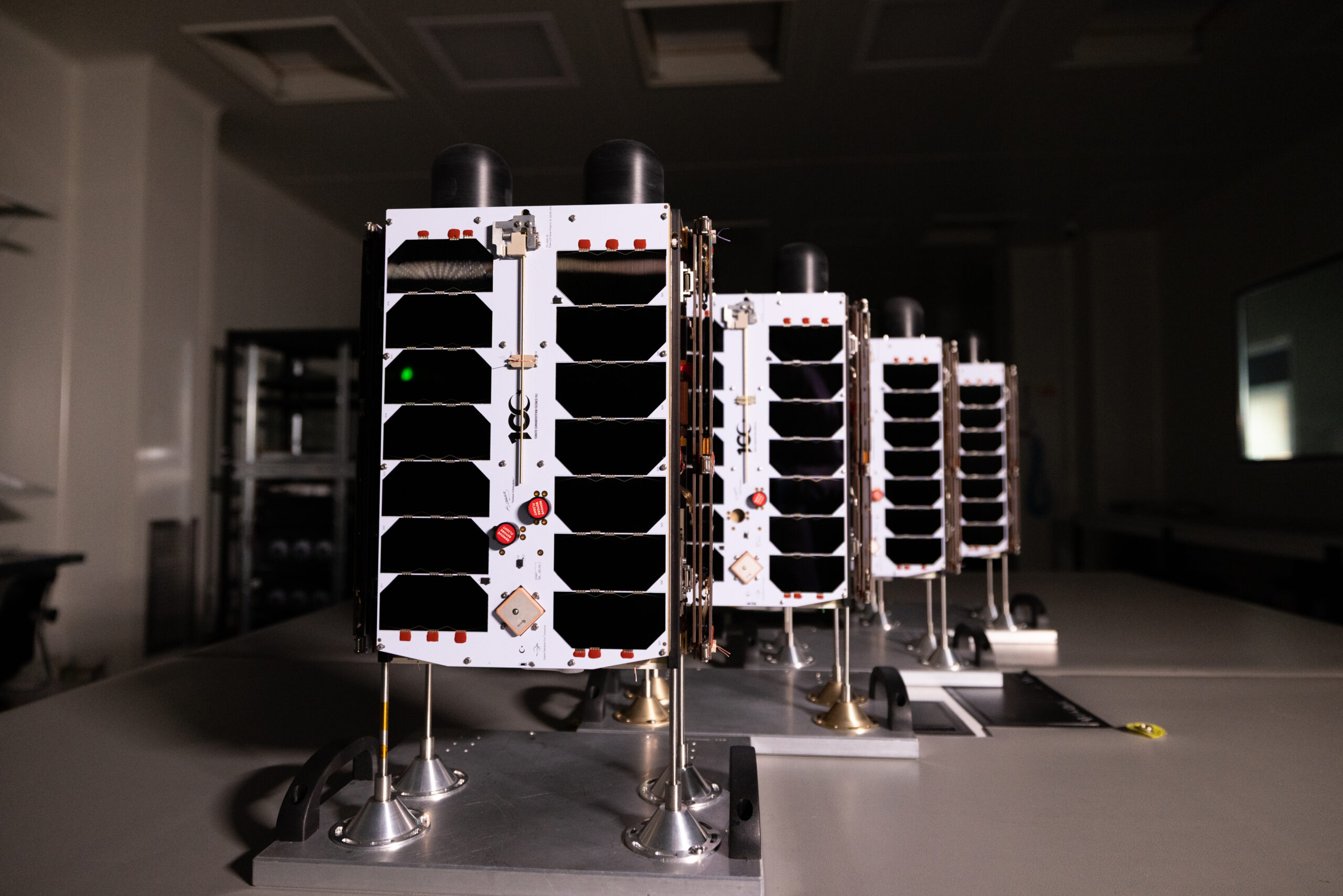
Designed for IoT communications, technology demonstration missions, and exploration use cases, the CubeCore family combines short development cycles with a proven architecture. Depending on mission needs, CubeCore platforms can be made operational in orbit in as little as eight months. This platform family already forms the technological backbone of the 16 commercial satellites operating in the Connecta IoT Network.
MicroCore Family (10–100 kg)
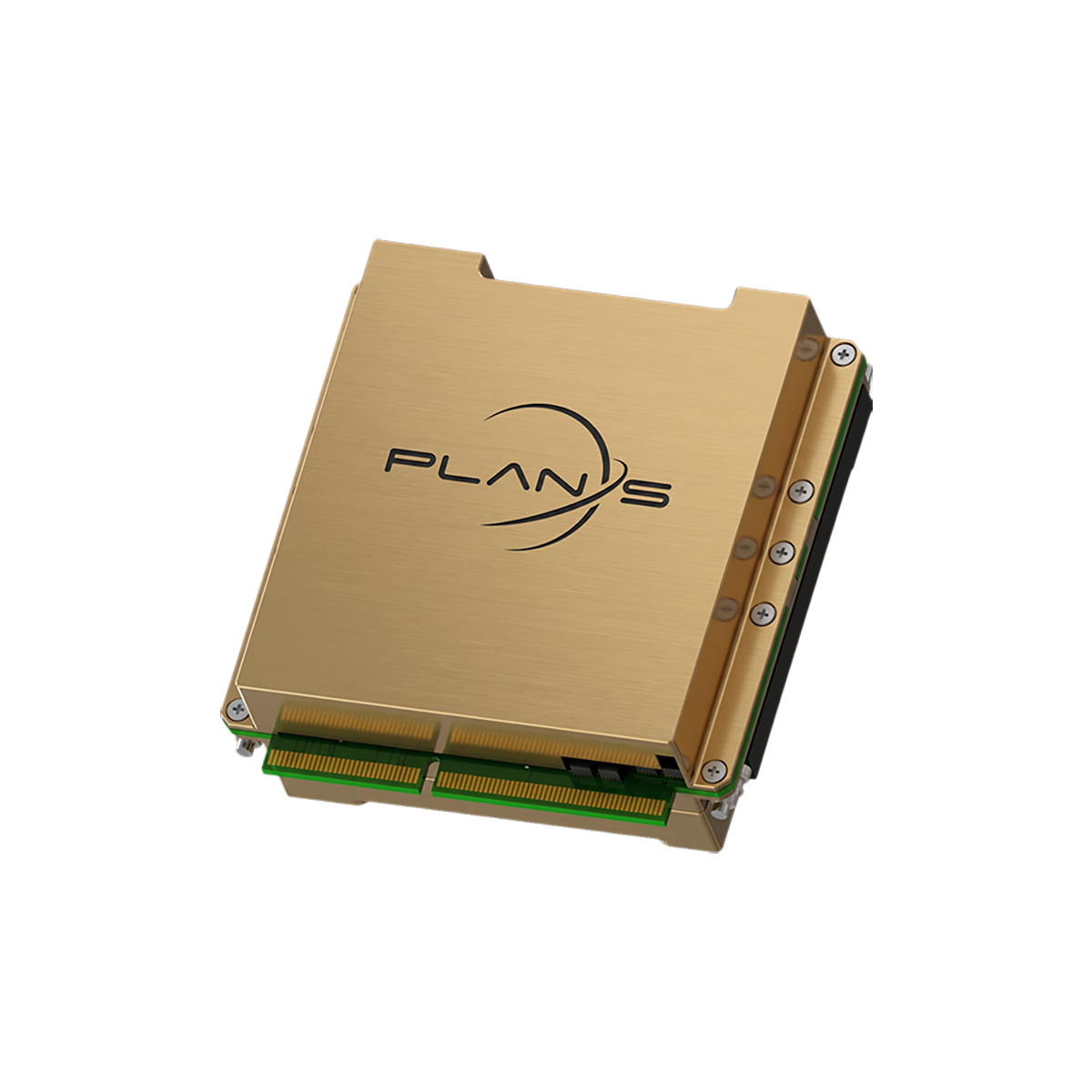
With greater power capacity, advanced attitude determination and control, and support for more complex payloads, the MicroCore family is designed for Earth observation, RF signal intelligence, and network-based missions. Its modular, production-ready architecture offers a fast and reliable path for constellation operators and national programs seeking greater independence. Observa-1, the first Earth observation satellite in the MicroCore family, is scheduled for launch in 2026.
MiniCore Family (100–500 kg)
The MiniCore family is built for more demanding, high-performance missions, including SAR, ultra-high-resolution optical imaging, and high-capacity communications payloads. It is also intended to support the next generation of constellation satellites designed for 5G and 6G NTN broadband services.
Beyond the Platform: End-to-End Space Services
Plan-S’ value proposition extends far beyond satellite manufacturing.
The company supports customers across the full mission chain, from concept development to data delivery, allowing them to focus on their strategic objectives while Plan-S handles the complexity of space execution.
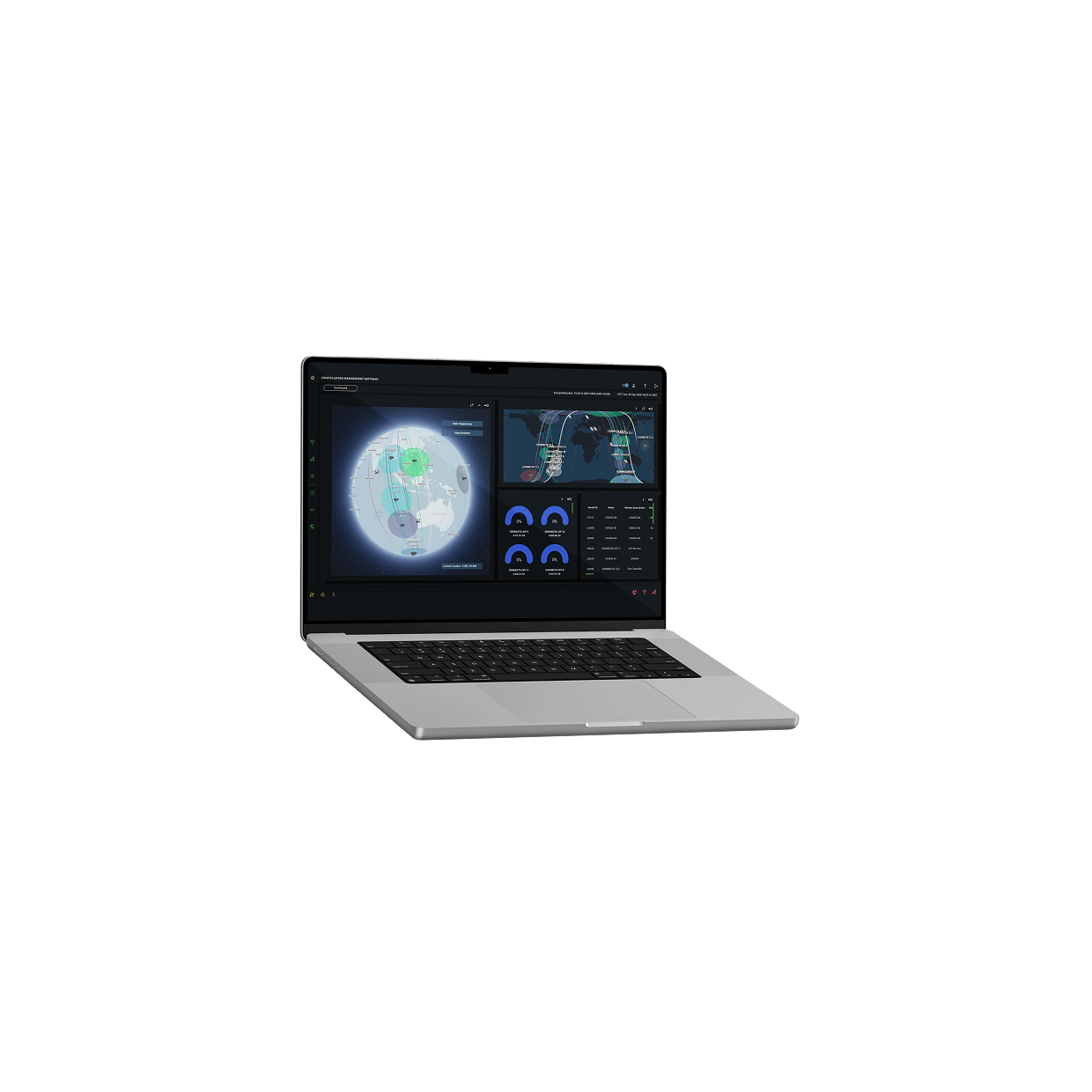
In addition to the satellite-based IoT and space data analytics services offered through the Connecta and Observa brands, Plan-S provides end-to-end services under its Space Services umbrella. These include platform development, payload integration, flight qualification, launch support, in-orbit operations, and downstream data delivery.
This integrated approach enables customers to move from concept to orbit with a single partner and a unified operational model.
Why Plan-S?
Today, less than 10% of the global satellite manufacturing market is open to broad international competition, while the majority remains tied to national suppliers. That makes timing critical, especially for countries and organizations seeking regional advantage. Plan-S’ competitive position is built on several core strengths:
• Proven production and operational capacity: 21 satellites produced in 4.5 years and actively operated in orbit
• High vertical integration: More than 90% of solutions developed in-house, enabling greater supply-chain control and faster adaptation
• Flight-proven engineering: Platform development built on accumulated experience, not first-time assumptions
• A modular platform family: A single infrastructure approach that can support missions from IoT and Earth observation to communications and defense
• A strong regional position: One of the few companies in the region, including Europe, producing platforms at this scale, speed, and operational maturity
Taken together, these strengths define Plan-S as more than a satellite manufacturer. They position the company as a strategic partner capable of delivering operational space capability within months.
Conclusion: The Opportunity Is Open, But Not Forever
Space infrastructure is no longer defined by endless budget debates, long development cycles, or uncertain technical pathways. When the right platform, ecosystem, and flight heritage come together, countries and companies can build meaningful space capability far faster than most still assume.
But this window will not stay open indefinitely.
As the global shift toward sovereignty accelerates, early movers will secure both technological and strategic advantage. In this environment, building national or institutional space capability is no longer just a technology decision. It is a decision about data security, resilience, independence, and long-term competitiveness.
At Plan-S, the goal is not only to provide technology, but to serve as a strategic partner in that journey.
Space is now everyone’s business. The real question is who will enter the field with the right solutions, at the right time.
Written by Özdemir Gümüşay
BLOG
Related Insights
Explore how space assets and ground infrastructure work together, use cases, architectures, and field results from Plan-S projects.


The Role of Systems Engineering in Small Satellite Mission Success
Systems engineering connects payload, power, thermal control, ADCS, communications, software, ground infrastructure, and operations into a coherent mission architecture. For small satellite missions, this system-level approach helps reduce integration risk, improve reliability, and ensure that every subsystem supports the mission objective.

LEOP Explained: What Happens After a Satellite Reaches Orbit?
Launch and Early Orbit Phase, or LEOP, is the critical stage after deployment when a satellite establishes communication, undergoes health checks, activates subsystems, verifies orbit, checks payload performance, and transitions into routine operations. A successful LEOP turns a launched spacecraft into an operational asset capable of delivering mission value.
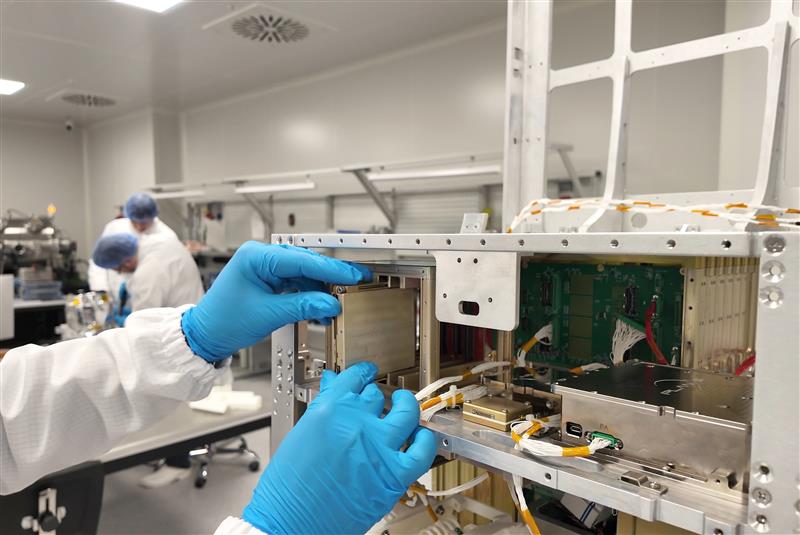
Payload Integration for Small Satellites: What Mission Teams Should Know
Payload integration is a system-level process that aligns mechanical, electrical, thermal, data, software, and operational requirements within the spacecraft architecture. For small satellite missions, successful integration helps reduce risk, validate mission readiness, and ensure that the payload can deliver reliable value in orbit.
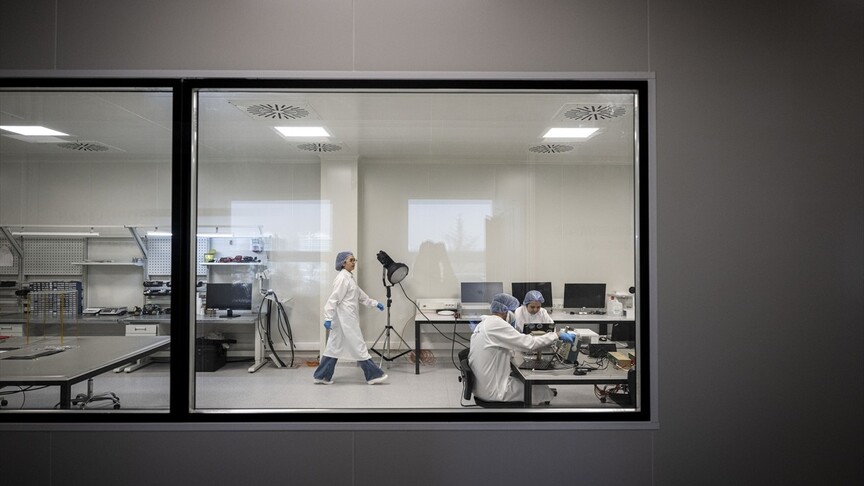
How End-to-End Satellite Services Reduce Mission Complexity
End-to-end satellite services reduce mission complexity by bringing mission design, spacecraft development, payload integration, testing, launch coordination, ground segment, data systems, and in-orbit operations under one integrated framework. With a single accountable mission partner, organizations can move from concept to orbit with greater clarity, control, and operational continuity.

Ground Segment 101: Why Satellites Need More Than Spacecraft to Deliver Value
A satellite alone creates potential, but the ground segment turns that potential into operational value. By connecting spacecraft to mission control, data downlink, processing systems, software platforms, and user applications, the ground segment enables satellites to deliver reliable information, control, and service continuity on Earth.
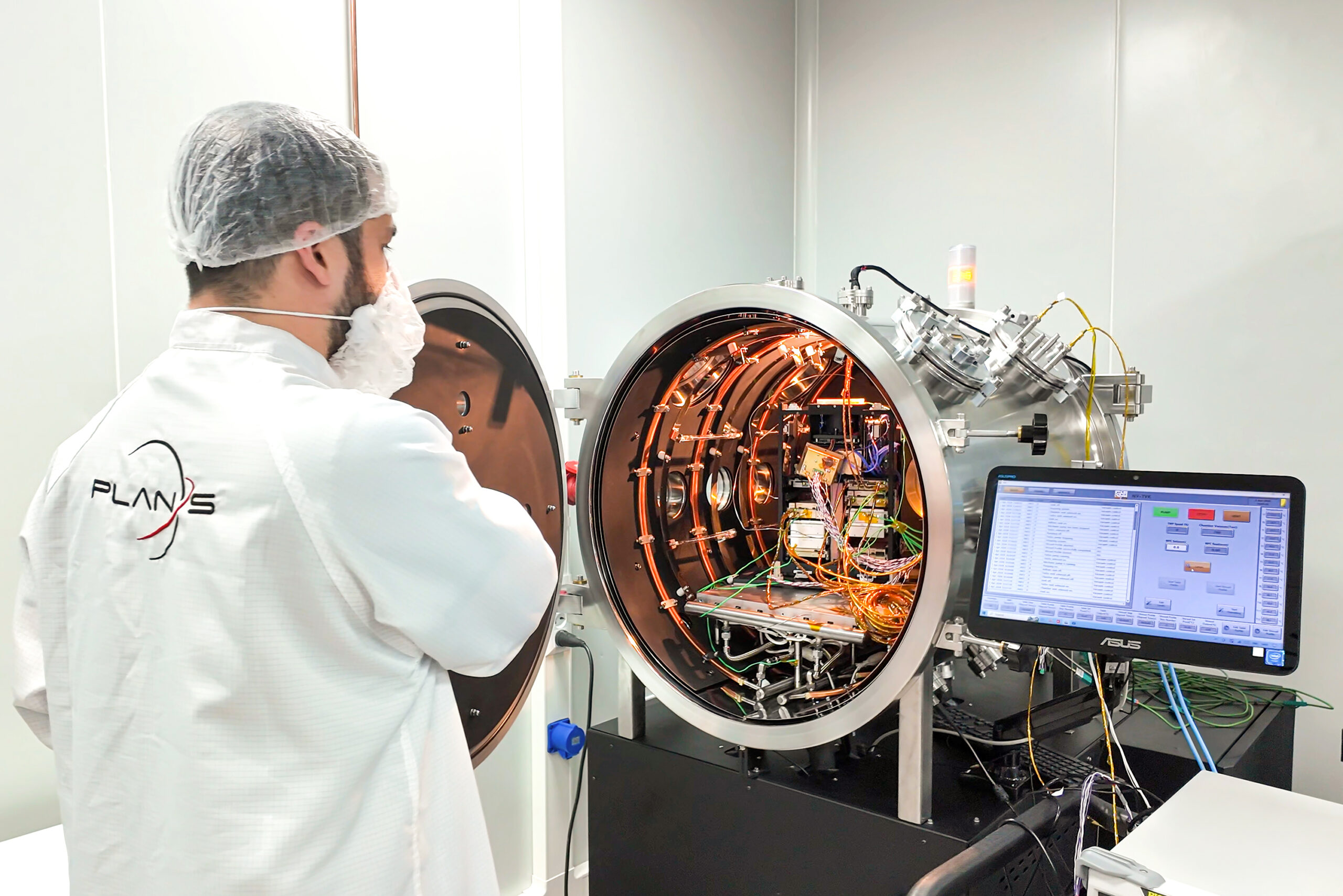
The Role of AIT in Building Reliable Small Satellites
Assembly, Integration, and Testing is one of the most critical phases in building reliable small satellites. By validating subsystems, interfaces, payload compatibility, environmental performance, and operational readiness before launch, AIT helps reduce mission risk and supports more predictable outcomes in orbit.
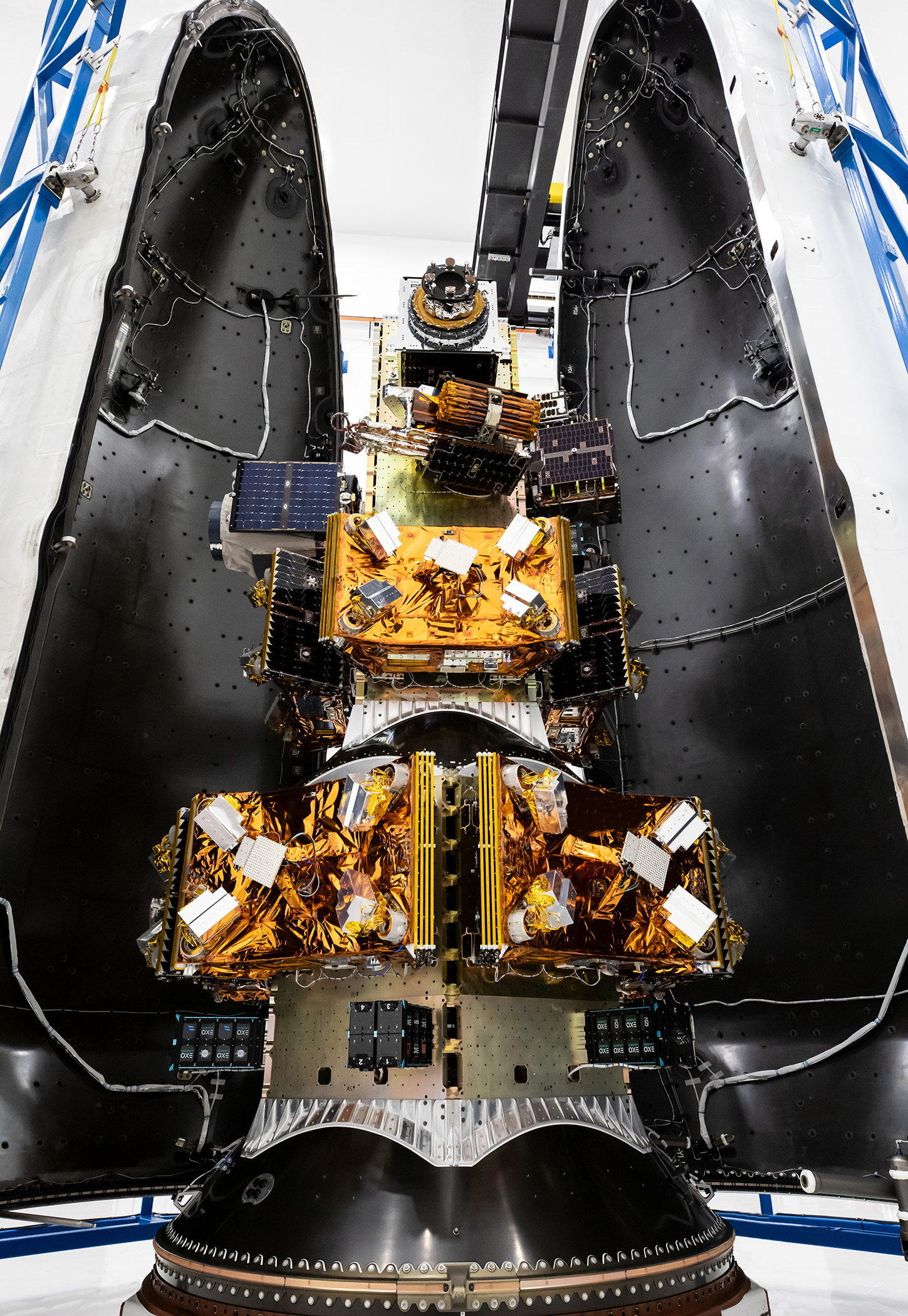
From Mission Concept to Orbit: A Step-by-Step Guide to Small Satellite Missions
A small satellite mission is a coordinated journey from concept definition and mission design to platform development, payload integration, testing, launch, licensing, operations, and data delivery. Through its end-to-end space services capabilities, Plan-S helps organizations transform mission objectives into reliable operational systems in orbit.
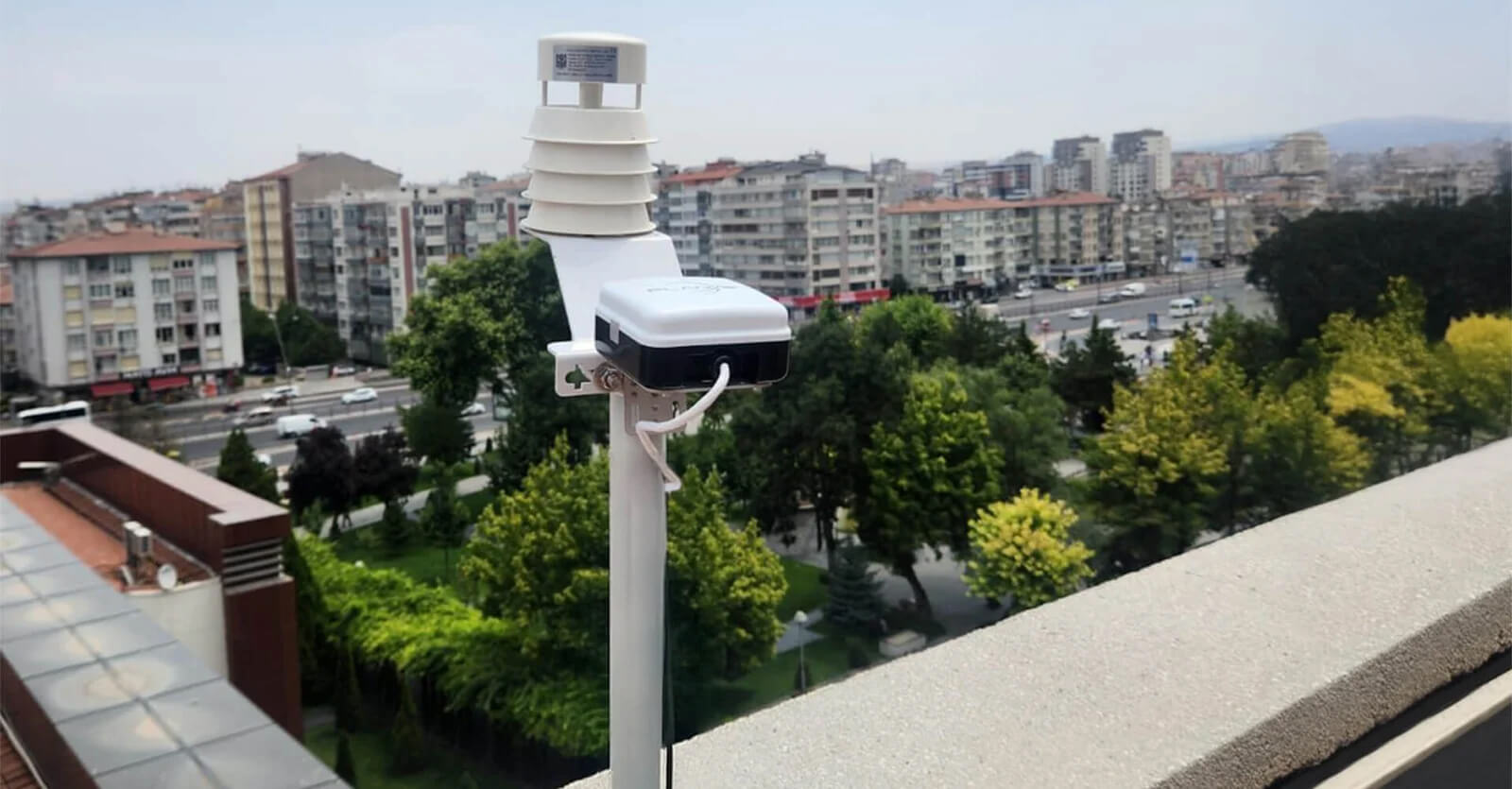
Weather Monitoring in Remote Areas: Keeping Environmental Data Flowing
Satellite IoT helps keep weather and environmental data flowing from remote monitoring points beyond terrestrial network coverage. Through Connecta, Plan-S enables reliable data transmission from distributed sensors and weather stations, supporting better planning, early warning, risk reduction, and long-term environmental visibility.
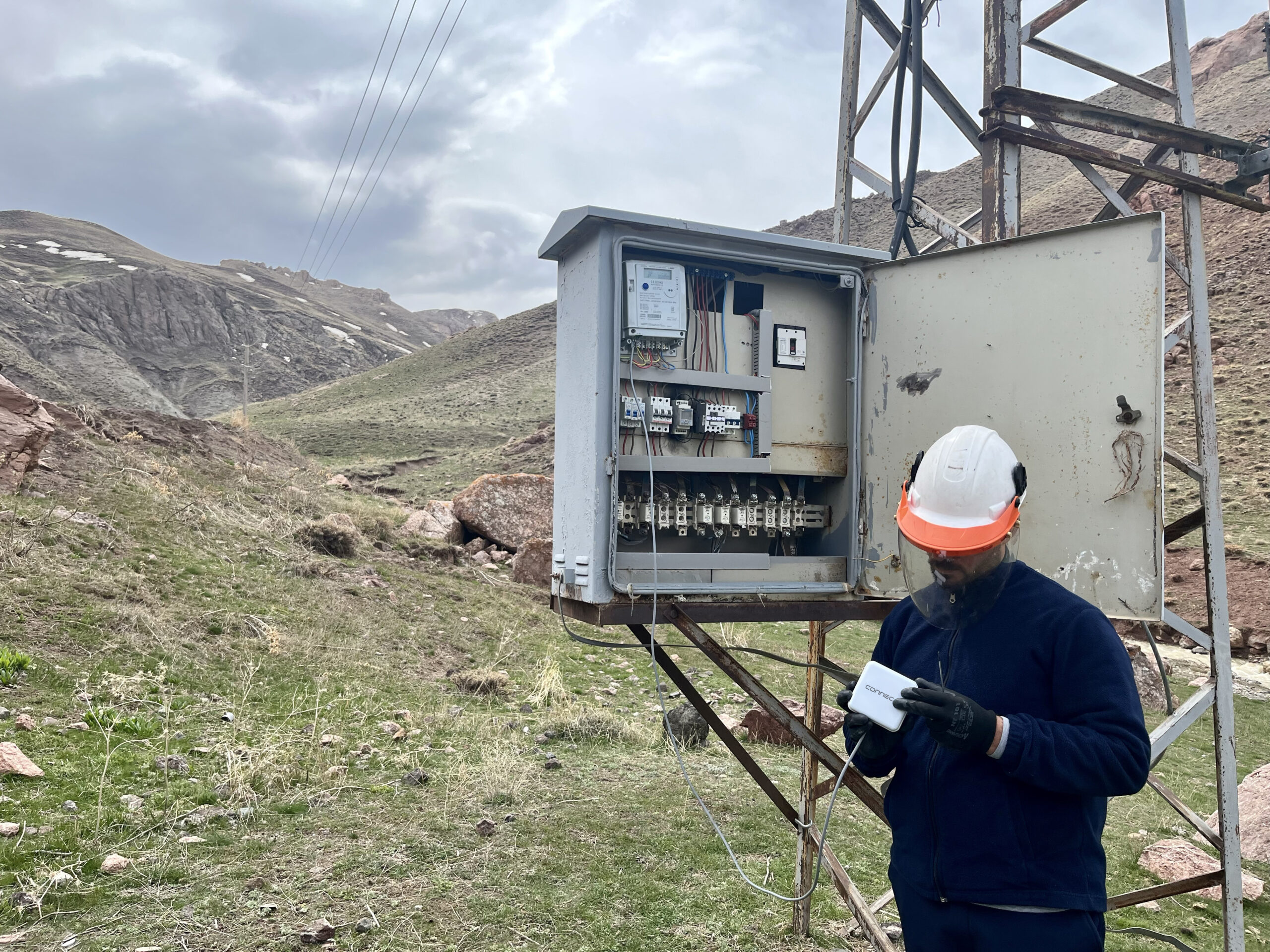
Smart Meter Reading in Remote Areas: How Satellite IoT Reduces Field Visits
Satellite IoT enables utilities to collect smart meter data from remote areas beyond terrestrial network coverage. Through Connecta Smart Meter Reader Modems and the Connecta IoT Network, Plan-S helps utilities reduce unnecessary field visits, improve data continuity, and maintain visibility across distributed service areas.

Satellite IoT for Agriculture: From Soil Data to Smarter Irrigation
Satellite IoT helps agricultural teams collect soil, irrigation, and field data from remote areas beyond terrestrial network coverage. Through Connecta, Plan-S enables smarter irrigation planning, improved resource management, and greater visibility across distributed agricultural operations.

How LoRaWAN-Compatible Satellite IoT Enables Low-Power Data Transmission
LoRaWAN-compatible satellite IoT enables low-power data transmission from remote sensors, meters, trackers, and infrastructure assets operating beyond terrestrial coverage. Through Connecta, Plan-S combines satellite connectivity, IoT hardware, network infrastructure, and operational tools to support efficient, scalable, and long-term remote monitoring.
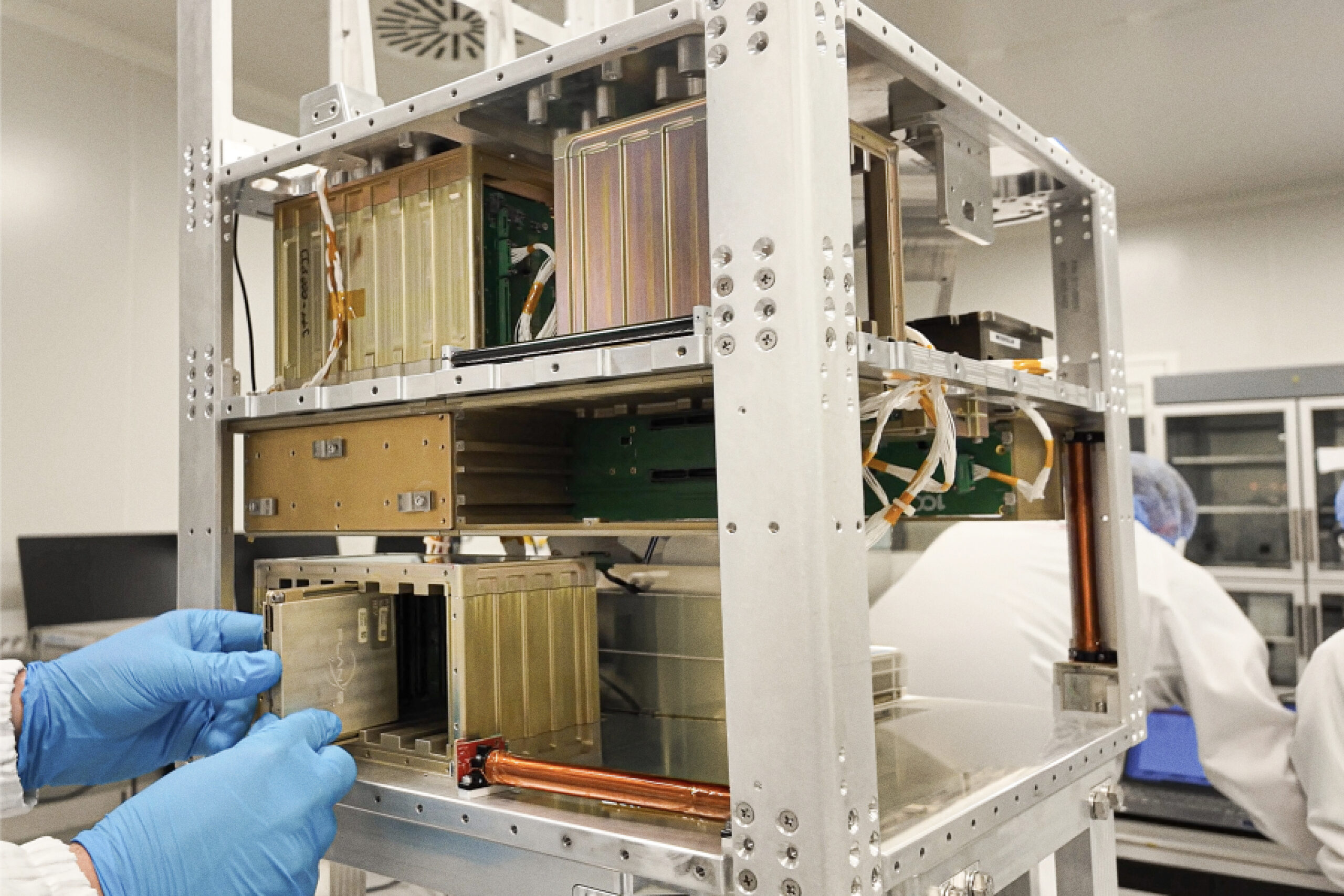
Hosted Payload Missions: A Faster Route to Flight Heritage
Hosted payload missions provide a practical route to in-orbit validation by allowing organizations to test sensors, communication systems, scientific instruments, and experimental payloads on existing spacecraft platforms. By building on Plan-S’ mission heritage and end-to-end space services capabilities, organizations can gain flight heritage while reducing the complexity of developing a dedicated satellite mission.