

Blog
Explore how space assets and ground infrastructure work together, use cases, architectures, and field results from Plan-S projects.
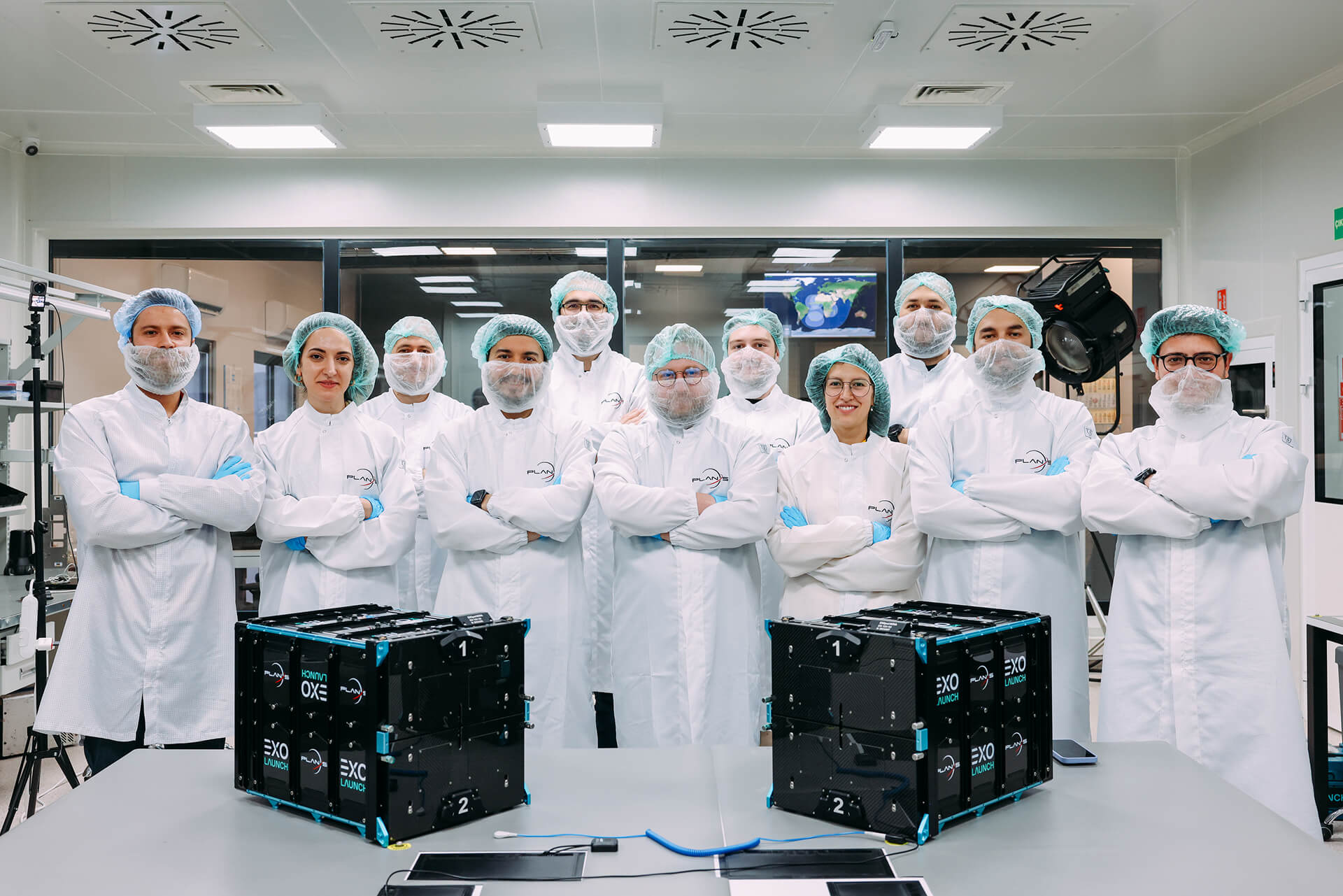
Why Flight Heritage Matters in Small Satellite Missions
Flight heritage gives satellite missions a stronger foundation by turning in-orbit experience into greater reliability, reduced uncertainty, and more mature spacecraft platforms. At Plan-S, each mission contributes to the evolution of flight-proven systems, supporting future missions from concept to orbit and from orbit to operational value.
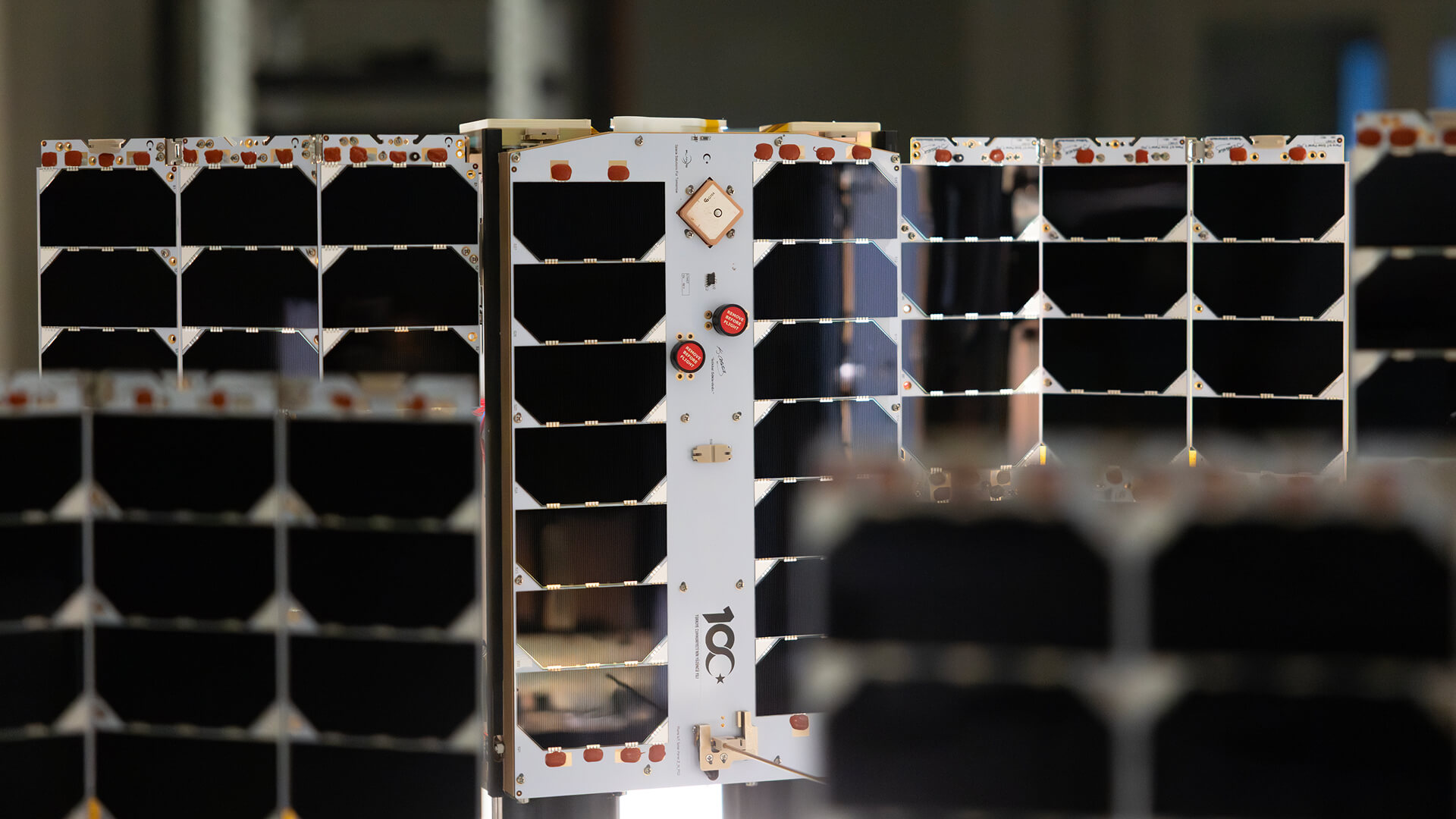
CubeSat or Microsatellite? How to Choose the Right Spacecraft Platform
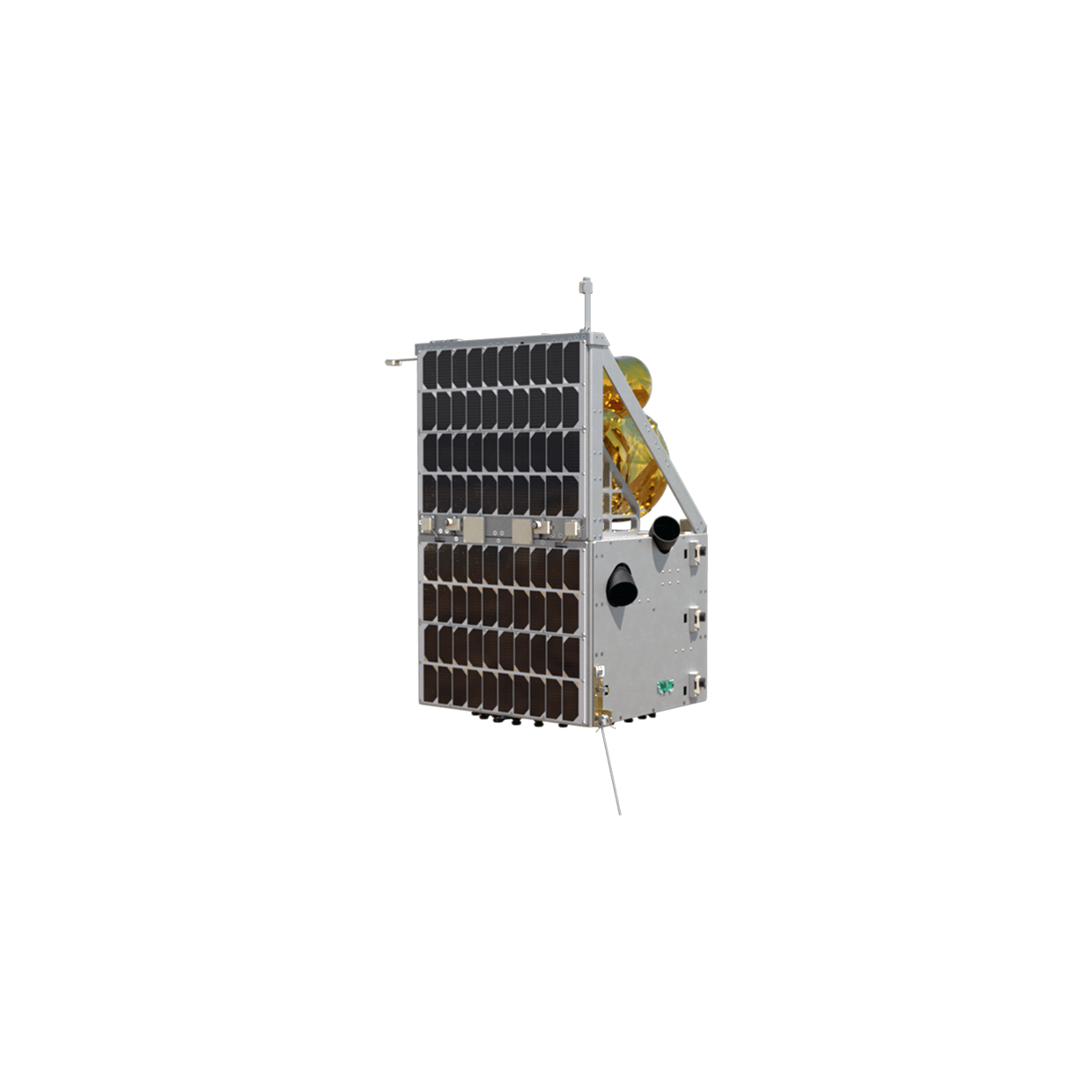
CubeSats and microsatellites both create efficient pathways to orbit, but they serve different mission needs. Choosing the right spacecraft platform depends on payload requirements, power budget, pointing performance, data volume, operational goals, and future scalability.

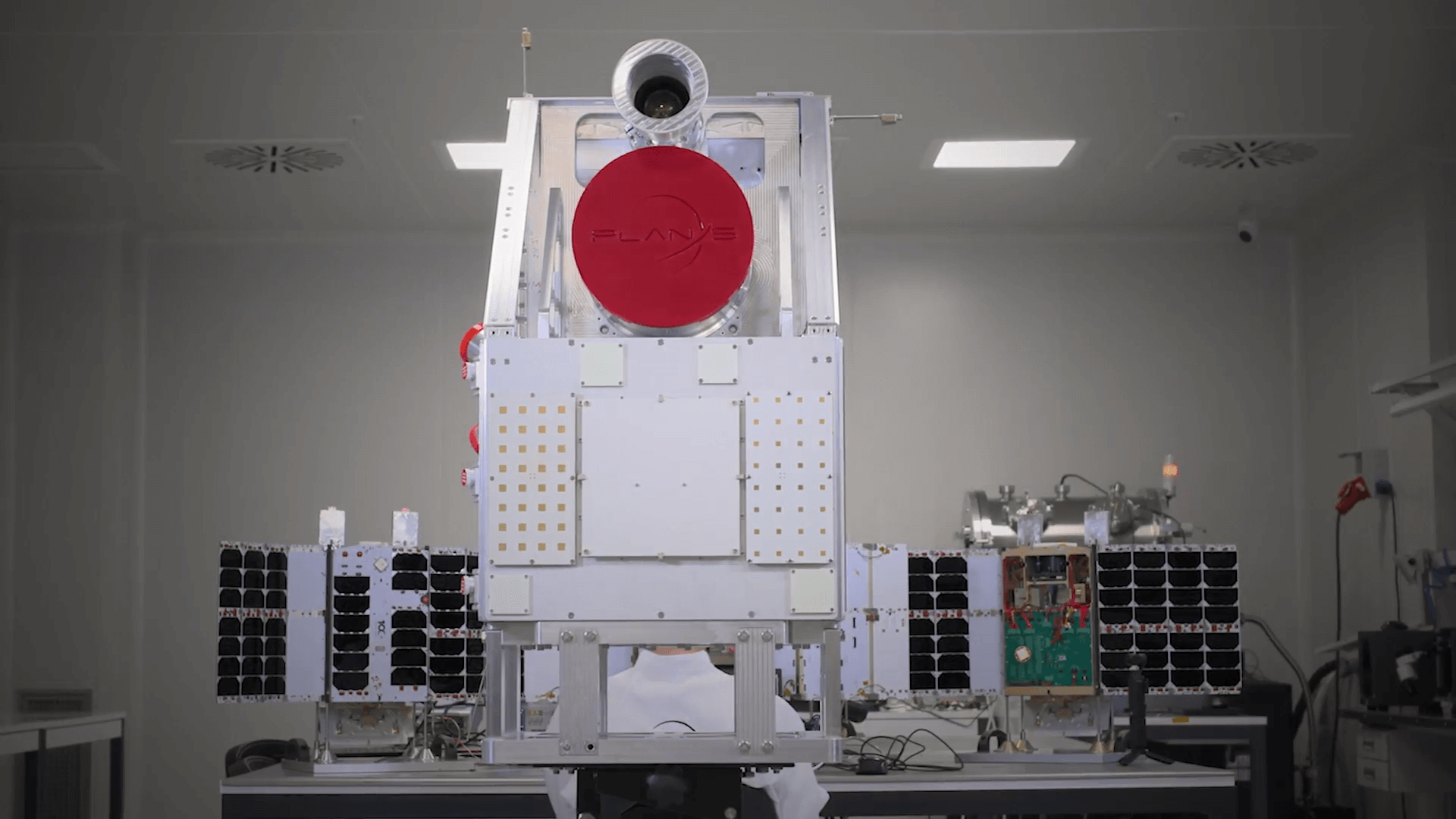
Satellite IoT vs. Terrestrial IoT: When Do Businesses Need Space-Based Connectivity?
Terrestrial networks remain the foundation of many IoT deployments, but they cannot always reach remote, mobile, or infrastructure-limited environments. Satellite IoT extends connectivity beyond traditional network boundaries, helping organizations maintain visibility and access to operational data wherever their assets operate.
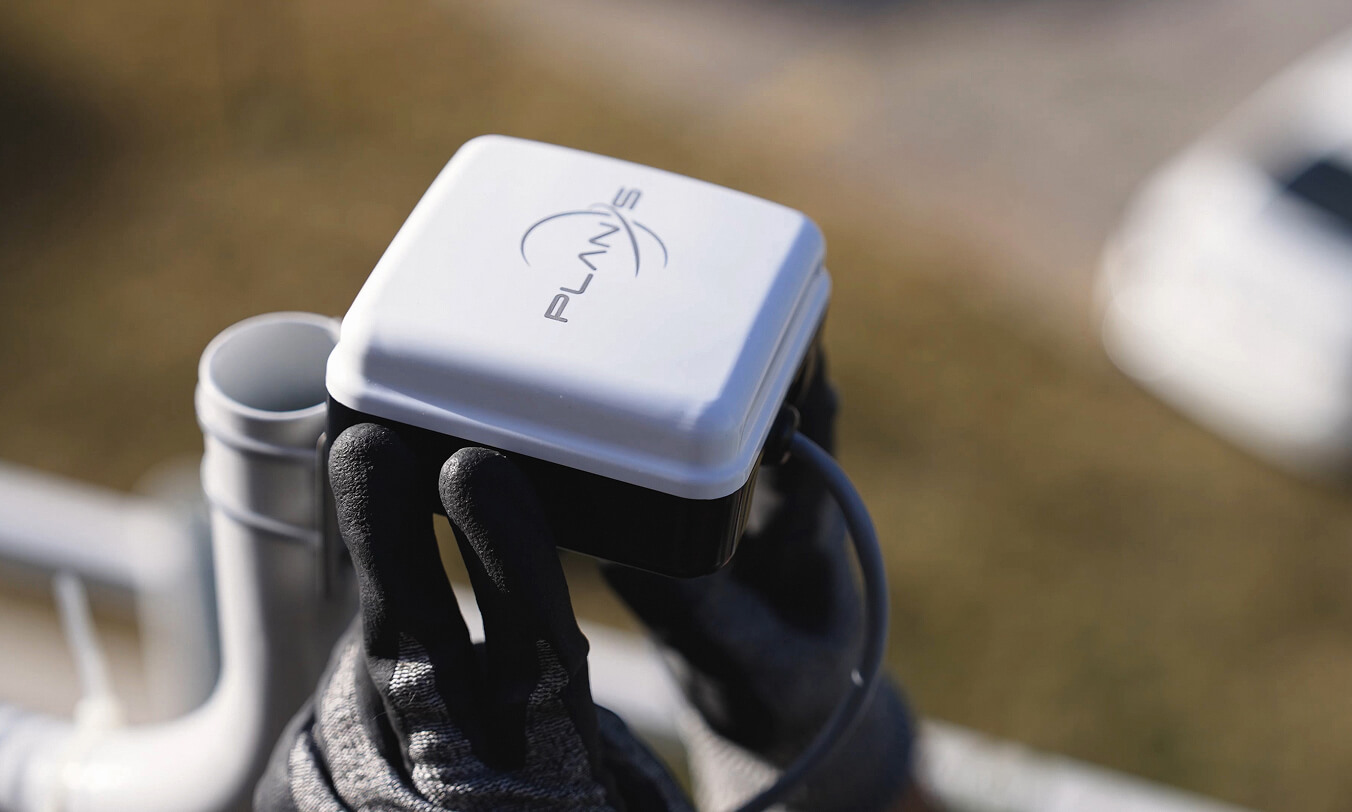
What Is Satellite IoT and Why Does It Matter for Remote Operations?
Satellite IoT extends connectivity beyond the limits of terrestrial networks, enabling organizations to collect data, monitor assets, and maintain operational visibility in remote and hard-to-reach locations. Through the Connecta IoT Network, Connecta brings satellite connectivity, IoT hardware, and network infrastructure together for reliable remote operations.

What Is a Turnkey Satellite Mission and Who Needs It?
A turnkey satellite mission gives organizations access to end-to-end space capabilities without requiring them to build a complete space program internally. From mission design and manufacturing to launch coordination, ground infrastructure, and in-orbit operations, this model turns space ambition into operational capability.

5G Is Only the Beginning: Why the Future of Connectivity Extends Into Space
Türkiye has entered a new era in mobile communications. With the rollout of 5G beginning on April 1, 2026, a major technological milestone is now becoming a reality across the country. But 5G should not be seen simply as a faster version of what came before. It represents the foundation of a much broader communications architecture one that will increasingly extend beyond terrestrial networks and into space.
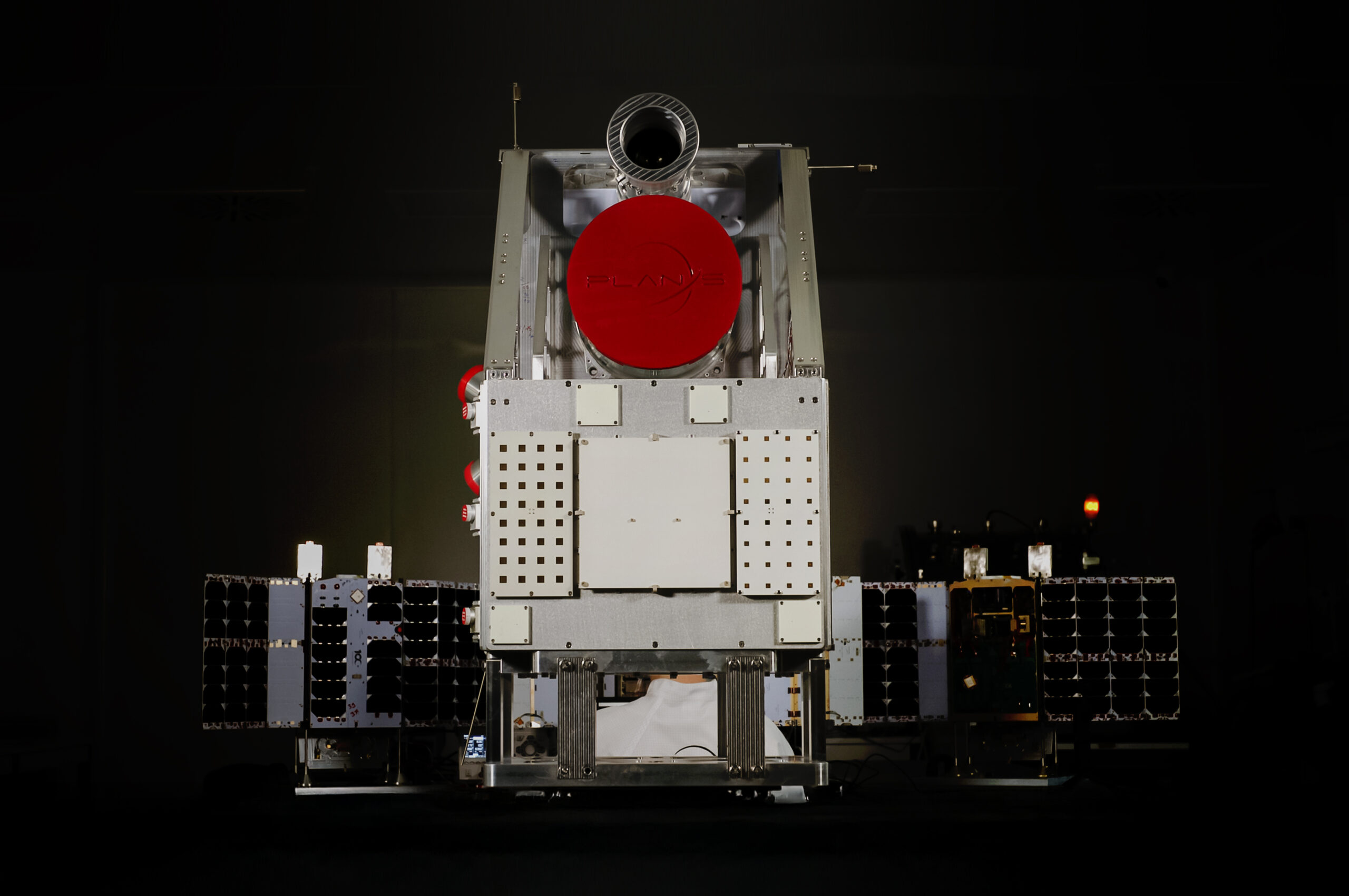
The Big Revolution of Small Satellites: Why the Right Platform Matters
Space is now everyone’s business! Not long ago, space was accessible only to a handful of major nations and established defense contractors, shaped by billion-dollar budgets and development timelines that stretched over decades.

Satellite IoT Is Ready: Is Regulation Keeping Up?
Billions of sensors, meters, and trackers sit in fields, dams, shipping containers, and remote infrastructure with no way to send their data. Not because the technology doesn’t exist, but because the regulatory frameworks to enable it are still catching up.
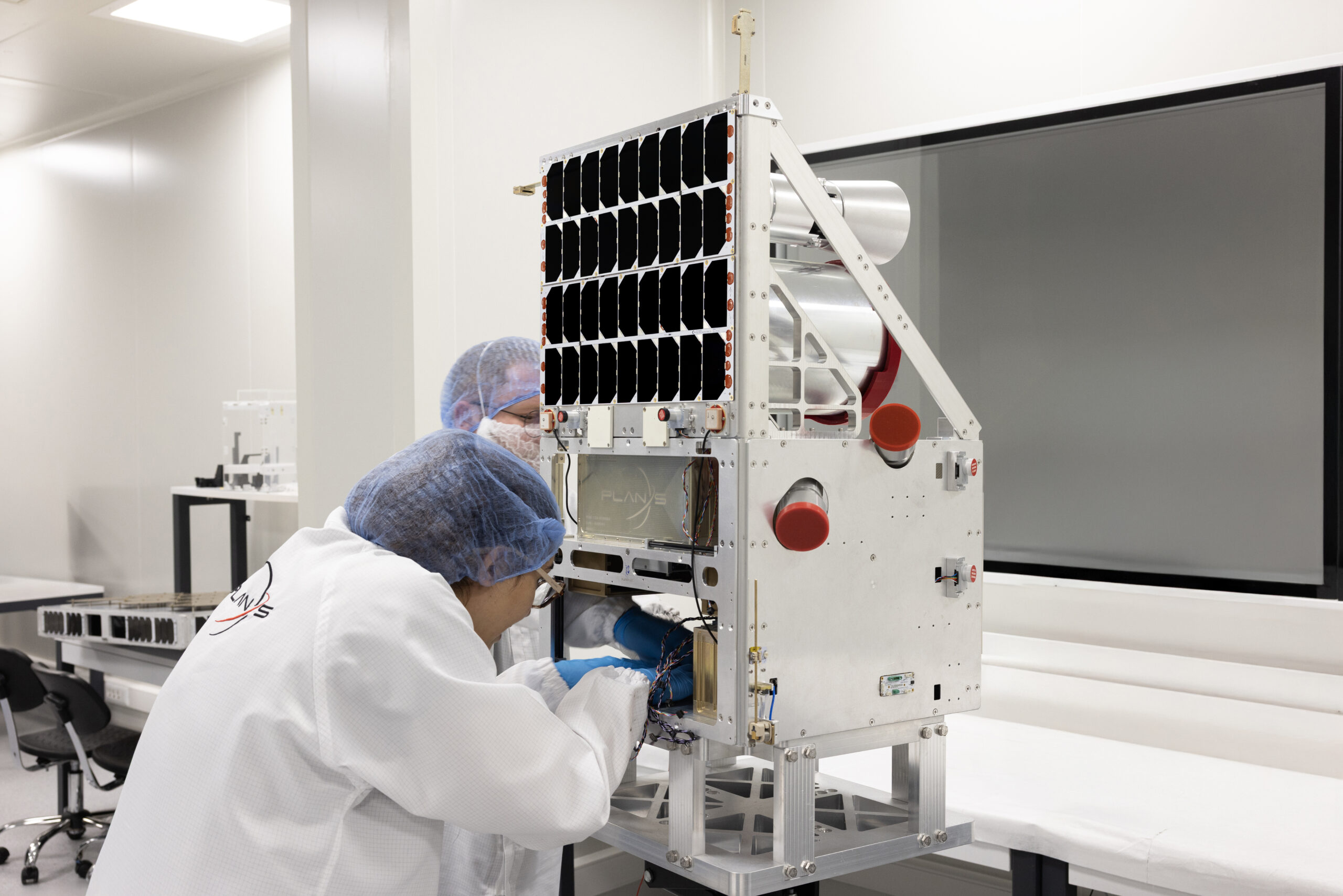
Rise of Small Satellites: Enabling Sovereign Space Infrastructure
Over the past decade, the global space industry has been undergoing a fundamental transformation. At the heart of this evolution lies a powerful trend “the rapid rise of small satellites” (typically classified as spacecraft weighing under 500 kg).

Satellite IoT Isn’t the Enemy of Terrestrial Internet, It’s the Missing Piece
Satellite IoT completes terrestrial networks: Plan-S’s Connecta IoT Network bridges coverage gaps, keeps data flowing during outages, and enables low-power, low-cost connectivity worldwide.