

CubeSat or Microsatellite? How to Choose the Right Spacecraft Platform
CubeSats and microsatellites both create efficient pathways to orbit, but they serve different mission needs. Choosing the right spacecraft platform depends on payload requirements, power budget, pointing performance, data volume, operational goals, and future scalability.

June 16, 2026

9 minute reading
#cubesat
#microsat
The small satellite market has changed how organizations access space.
What once required large budgets, long development cycles, and extensive infrastructure can now be achieved through compact, capable, and mission-focused spacecraft platforms. Universities, government agencies, commercial companies, and technology developers can now reach orbit faster and with greater flexibility than ever before.
However, having more options also introduces a new challenge.
Which spacecraft platform is the right fit for the mission?
Two of the most common options are CubeSats and microsatellites. Both have created new pathways to orbit. Both can support valuable space-based applications. And both can reduce the barriers traditionally associated with satellite missions.
The decision is not about choosing the larger spacecraft or the more advanced platform. It is about choosing the platform that best aligns with the mission’s technical needs, operational goals, budget, timeline, and future growth plans.
Understanding the Difference
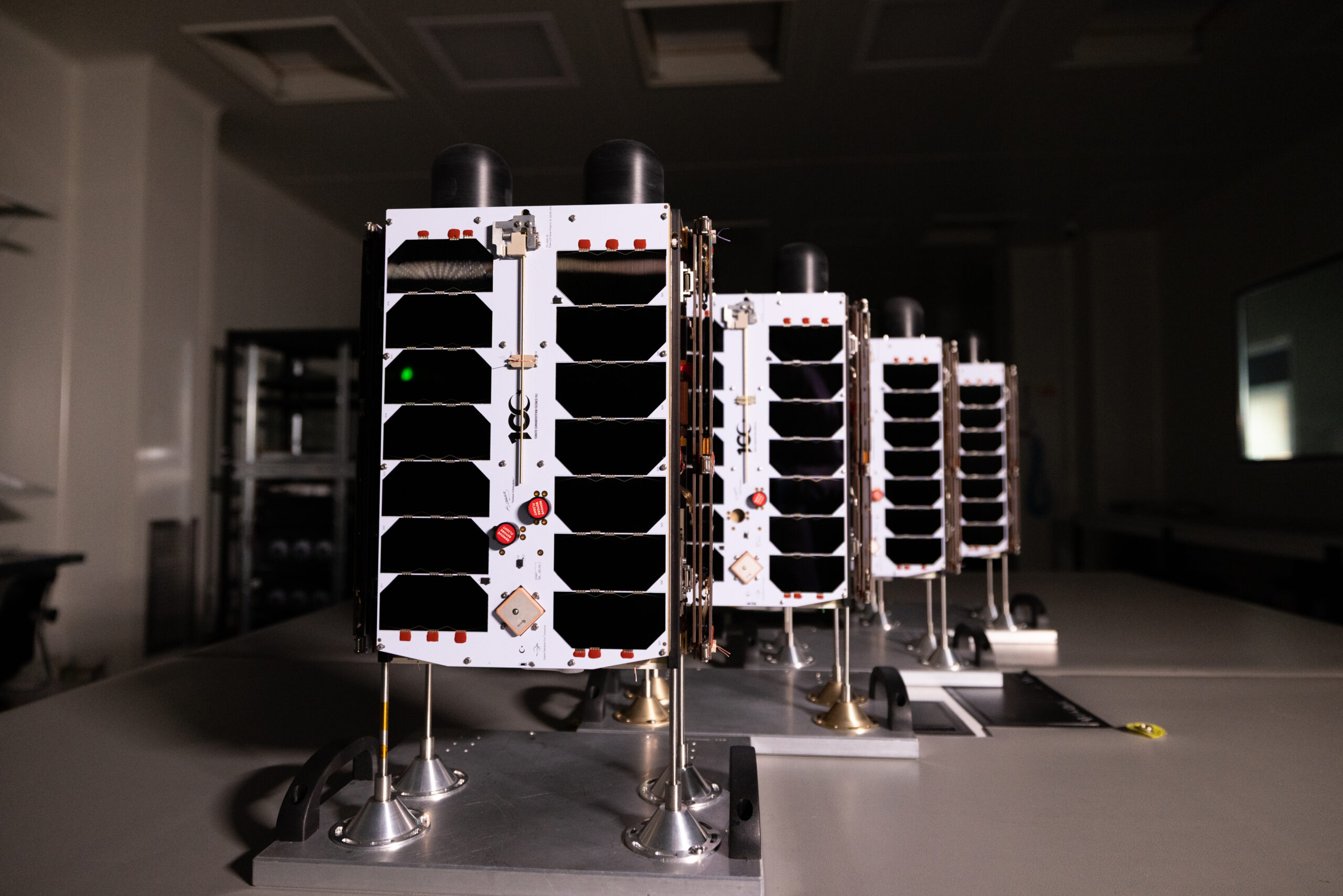
CubeSats are standardized small satellites built from modular units known as “U.” A single unit measures approximately 10 x 10 x 10 cm. Multiple units can be combined into configurations such as 3U, 6U, 12U, or larger form factors depending on mission requirements.
Originally developed to provide universities with affordable and hands-on access to space, CubeSats have evolved into mature platforms used for scientific research, Earth observation, communications, technology demonstrations, IoT applications, and commercial services.
Microsatellites occupy the next level of capability.
While definitions may vary across the industry, microsatellites generally refer to spacecraft weighing from tens to a few hundred kilograms. Unlike CubeSats, they are not limited by standardized unit-based form factors. This allows greater flexibility in payload accommodation, power generation, thermal control, communication capacity, attitude control, and mission lifetime.
In simple terms, CubeSats offer speed, accessibility, and standardization. Microsatellites offer more room for performance, customization, and operational growth.
Both platforms are valuable. The right choice depends on what the mission is expected to achieve.
Start with the Mission, Not the Satellite
One of the most important principles in spacecraft platform selection is simple: start with the mission, not the satellite.
Selecting a platform before defining the mission objective can lead to unnecessary compromises. A spacecraft should be chosen because it supports the mission requirements, not because it fits a preferred size category.
Early mission planning should begin with key questions:
What type of payload will the spacecraft carry?
How much mass and volume will the payload require?
How much power will the mission need?
How much data will be generated?
What level of pointing accuracy is required?
How long should the mission operate?
Is the goal technology demonstration or continuous service delivery?
Will the mission need to scale into a constellation or larger operational system?
The answers to these questions naturally point toward the right platform class.
Payload Mass and Volume
Payload requirements are often the strongest driver of platform selection.
CubeSats are well suited for compact payloads, miniaturized sensors, small communication systems, scientific instruments, and technology demonstration missions. Advances in electronics, optics, communications, and onboard processing have made it possible to achieve increasingly capable missions within CubeSat architectures.
However, every platform has limits.
Large optical payloads, multi-sensor systems, hosted payload arrangements, advanced communication payloads, or instruments requiring significant structural accommodation can quickly exceed CubeSat constraints.
Microsatellites provide greater payload flexibility. Their larger internal volume and higher mass capacity allow mission teams to integrate more complex systems with fewer design compromises. This can be especially important for operational missions where payload performance directly defines mission value.
A compact experimental payload may fit well within a CubeSat. A more demanding service-oriented payload may require the additional capacity of a microsatellite.
Power Requirements
Every spacecraft mission is shaped by its power budget.
CubeSats are highly efficient and can support many missions with modest energy requirements. Educational missions, technology demonstrations, low-power sensing, certain communications applications, and compact scientific experiments can often operate within CubeSat power constraints.
As mission requirements grow, power demand usually grows with them.
High-performance imaging payloads, advanced communication systems, onboard processing, high-duty-cycle operations, and more demanding thermal environments may require larger solar arrays, increased battery capacity, and more robust power distribution.
Microsatellites offer greater flexibility in this area. Their larger surface area and internal capacity allow for more capable power systems, helping mission teams support higher-performance payloads without forcing major trade-offs.
When the mission depends on sustained payload operation, higher data throughput, or continuous service delivery, power availability becomes a decisive factor.
Pointing Performance
Some missions simply need to maintain general orientation. Others need to know exactly where they are looking.
Pointing performance becomes critical for missions involving high-resolution Earth observation, precision imaging, narrow-beam communications, scientific measurements, and payloads that require stable attitude control.
Modern CubeSats can deliver impressive attitude determination and control capabilities. For many missions, they provide sufficient pointing performance in a compact and cost-efficient form.
However, more demanding missions may require greater stability, stronger actuator capacity, larger control margins, and more advanced attitude control architecture. Microsatellites often provide the platform resources needed to support these requirements.
The tighter the pointing requirement, the more important platform stability becomes.
Data Rate and Communications
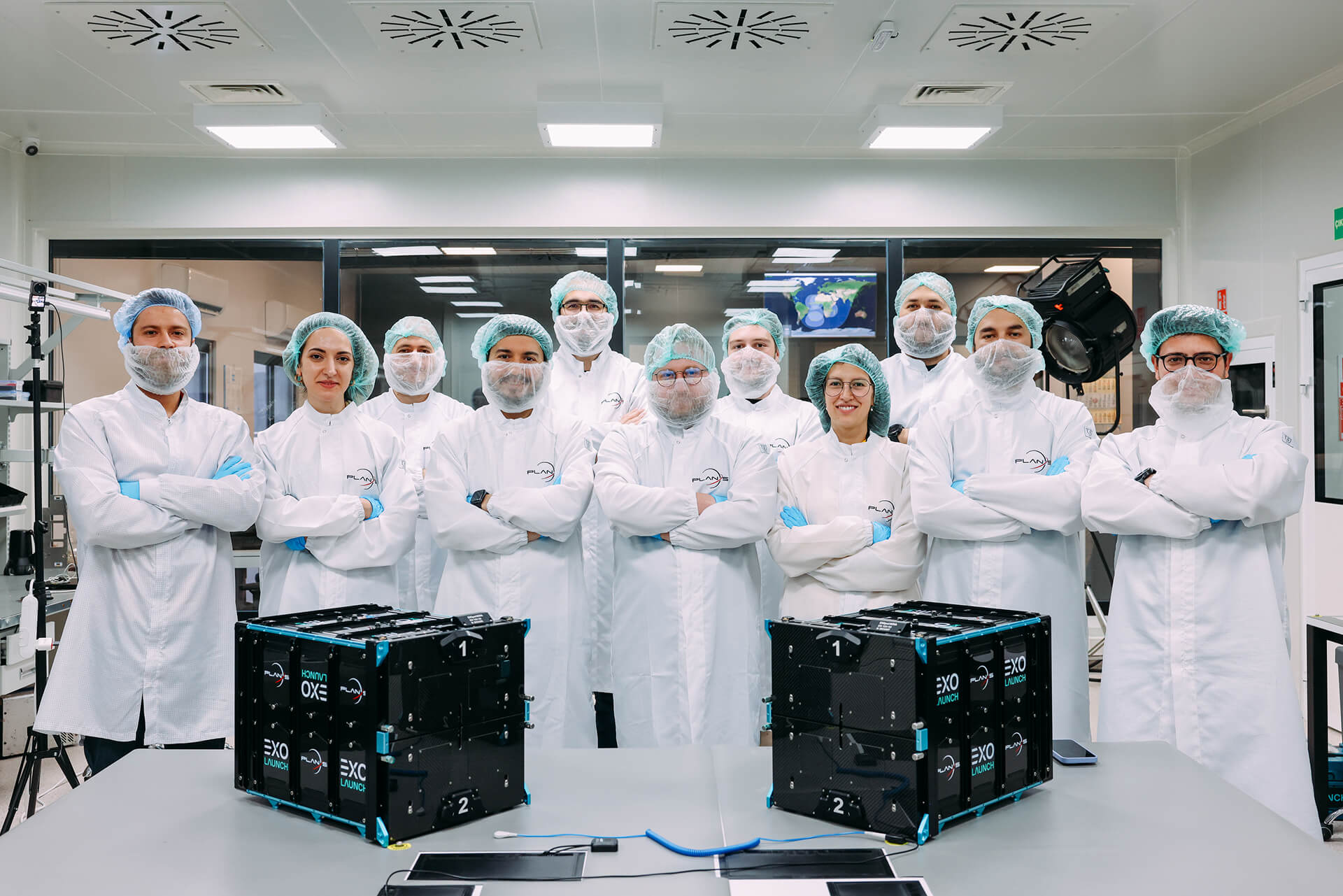
Since 2022, Plan-S has placed 21 satellites into orbit. As Türkiye’s first major private satellite operator and space technology initiative, that track record provides
Not every mission generates the same amount of data.
A technology demonstration may transmit limited telemetry and occasional payload data. An IoT mission may send small packets at defined intervals. An Earth observation mission, on the other hand, may generate large volumes of imagery that need to be stored, processed, and downlinked efficiently.
CubeSats can support missions with moderate communication needs and are often effective for low-data-rate or periodic data transmission use cases.
Higher-data missions introduce additional system-level requirements. They may need more capable communication payloads, larger antennas, increased onboard storage, advanced processing, expanded power availability, and a more sophisticated ground segment.
Microsatellites often provide the capacity and flexibility required for these communication-intensive missions.
When data volume becomes central to the mission’s value, the spacecraft platform must be able to support not only data collection, but also data handling and delivery.
Mission Complexity and Operational Goals
Platform selection is also shaped by mission maturity.
CubeSats are especially effective when organizations need to validate a concept, demonstrate new technology, conduct research, reach orbit quickly, or reduce initial development barriers. This is why CubeSats first became popular among universities and research institutions before expanding into government and commercial missions.
Today, CubeSats support a wide range of applications, from scientific experiments and IoT connectivity to Earth observation and in-orbit technology validation.
Microsatellites are often selected when missions require higher reliability, longer operational lifetime, multiple payloads, continuous service delivery, increased customization, or future constellation deployment.
They frequently serve as a bridge between experimentation and sustained operational capability.
A CubeSat may be the right choice for proving that an idea works in orbit. A microsatellite may be the right choice when that idea needs to become a long-term service.
Who Uses CubeSats and Microsatellites?
Different organizations use these platforms for different reasons.
Universities and research institutions often use CubeSats to gain practical access to space, conduct scientific experiments, validate technologies, and train the next generation of space professionals. CubeSats allow academic teams to experience the full mission lifecycle, from design and integration to launch and operations.
Government agencies use small satellites to accelerate innovation and strengthen national space capabilities. CubeSats can support early validation and rapid experimentation, while microsatellites can enable more operational missions requiring higher performance and longer mission lifetimes.
Commercial organizations often choose platforms based on business objectives. Companies seeking rapid deployment and lower entry barriers may begin with CubeSat missions. Businesses that require enhanced performance, scalable service delivery, or long-term operational continuity may move toward microsatellite platforms.
In each case, the platform decision should reflect the mission outcome.
Choosing the Right Platform
There is no universal answer to the CubeSat versus microsatellite question.
CubeSats offer accessibility, speed, affordability, modularity, and standardization. Microsatellites provide greater flexibility, higher performance margins, and more room for operational growth.
A mission designed to prove a concept may thrive within CubeSat constraints. A mission designed to deliver continuous commercial, governmental, or strategic services may benefit from the additional capabilities of a microsatellite.
Success comes from matching the platform to the objective.
From CubeSat to Microsatellite: Scaling with Mission Needs
Mission requirements often evolve over time.
An organization may begin with a CubeSat technology demonstration and later transition toward a larger operational system. A proof of concept can become a commercial service. A single satellite can become a constellation. A research mission can become the foundation for long-term national or industrial capability.
Supporting that progression requires spacecraft platforms designed with scalability in mind.
Plan-S addresses different mission stages through its spacecraft platform portfolio.
CubeCore provides a modular CubeSat platform for organizations seeking rapid deployment, streamlined development, and efficient access to orbit. It is designed for missions where speed, flexibility, and compact architecture are important.
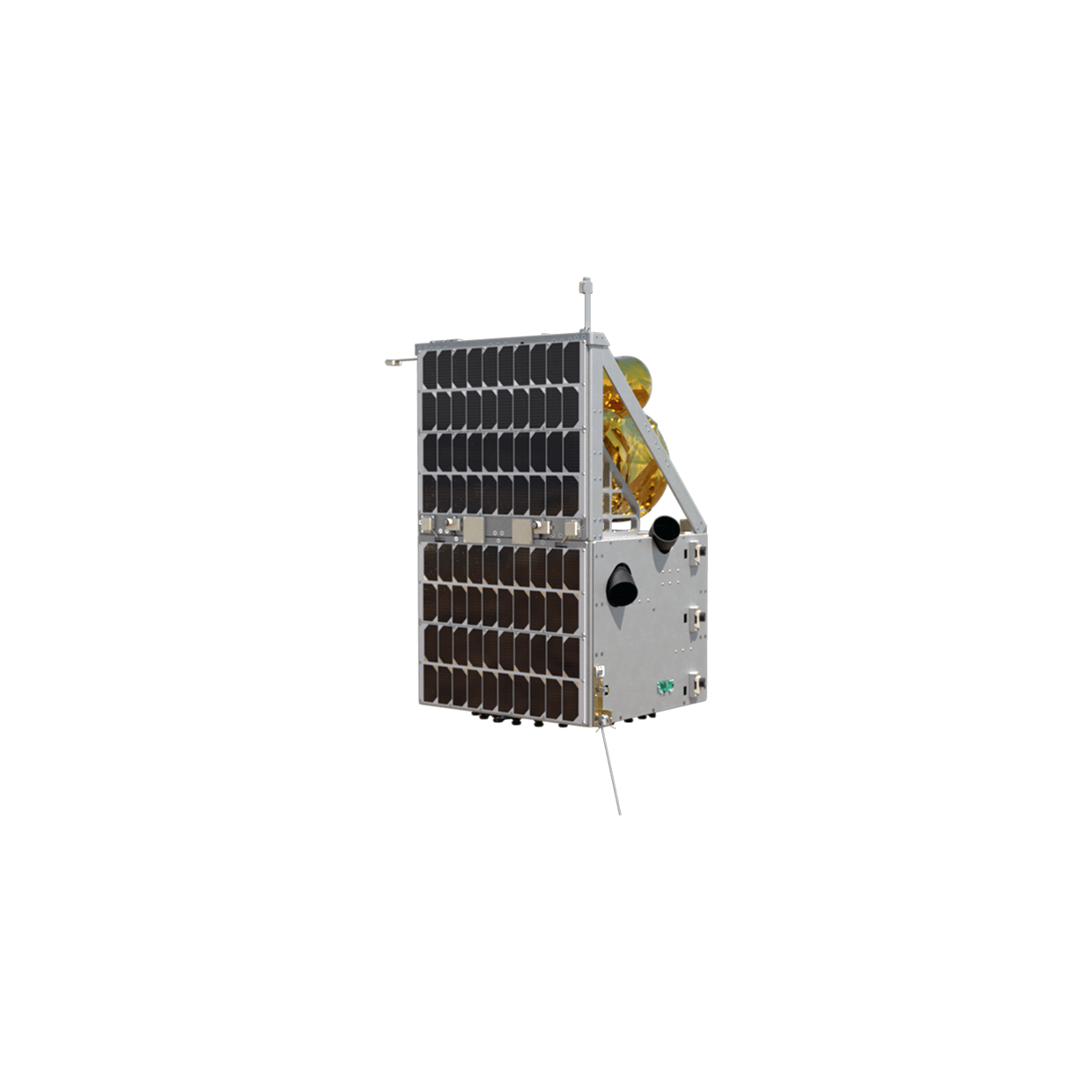
For missions requiring greater capability, MicroCore offers an integrated microsatellite solution designed for larger payloads, increased performance, and more demanding operational needs. It brings spacecraft development, integration, launch coordination, operations, and service delivery together within a unified framework.
Whether the goal is validating an idea, launching a dedicated mission, or building an operational space-based service, selecting the right platform creates the foundation for mission success.
The Right Platform Is the One That Serves the Mission
Choosing between a CubeSat and a microsatellite is not about selecting the biggest spacecraft or the newest technology.
It is about understanding what the mission needs today and where it may need to go tomorrow.
The most effective space missions begin with clear objectives, realistic performance requirements, and a spacecraft platform aligned with both technical and operational goals.
Because in space, success rarely comes from choosing the largest solution.
It comes from choosing the right one.
With CubeCore and MicroCore, Plan-S enables organizations to move from mission concept to operational capability through scalable spacecraft platforms and end-to-end execution. Combining in-house engineering, manufacturing, integration, launch coordination, and in-orbit operations, Plan-S helps mission teams choose the right platform, reduce program complexity, and build reliable space systems aligned with their long-term objectives.
BLOG
Related Insights
Explore how space assets and ground infrastructure work together, use cases, architectures, and field results from Plan-S projects.


The Role of Systems Engineering in Small Satellite Mission Success
Systems engineering connects payload, power, thermal control, ADCS, communications, software, ground infrastructure, and operations into a coherent mission architecture. For small satellite missions, this system-level approach helps reduce integration risk, improve reliability, and ensure that every subsystem supports the mission objective.

LEOP Explained: What Happens After a Satellite Reaches Orbit?
Launch and Early Orbit Phase, or LEOP, is the critical stage after deployment when a satellite establishes communication, undergoes health checks, activates subsystems, verifies orbit, checks payload performance, and transitions into routine operations. A successful LEOP turns a launched spacecraft into an operational asset capable of delivering mission value.
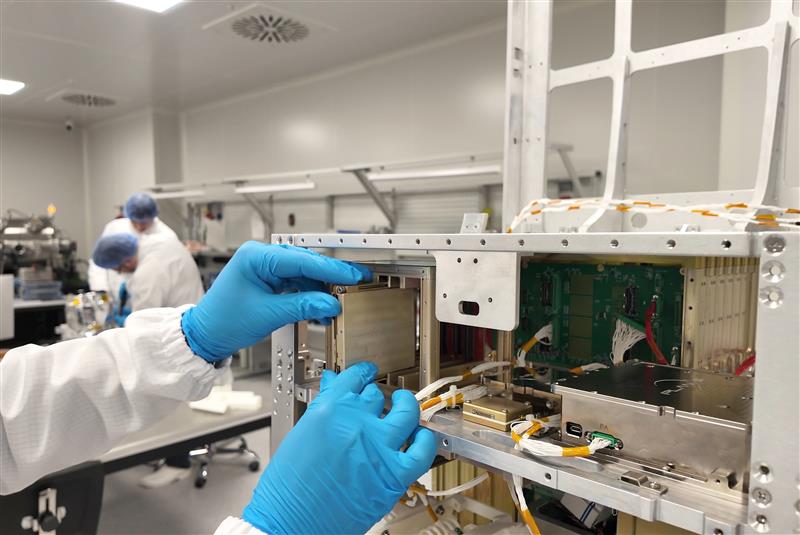
Payload Integration for Small Satellites: What Mission Teams Should Know
Payload integration is a system-level process that aligns mechanical, electrical, thermal, data, software, and operational requirements within the spacecraft architecture. For small satellite missions, successful integration helps reduce risk, validate mission readiness, and ensure that the payload can deliver reliable value in orbit.
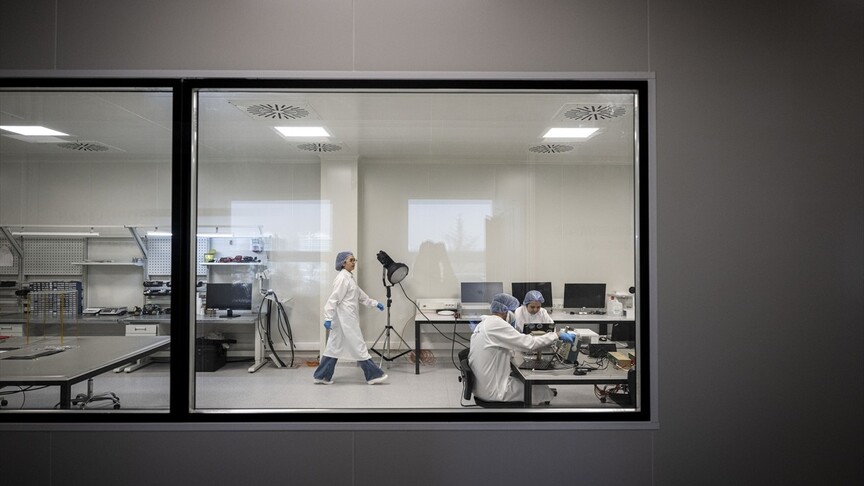
How End-to-End Satellite Services Reduce Mission Complexity
End-to-end satellite services reduce mission complexity by bringing mission design, spacecraft development, payload integration, testing, launch coordination, ground segment, data systems, and in-orbit operations under one integrated framework. With a single accountable mission partner, organizations can move from concept to orbit with greater clarity, control, and operational continuity.
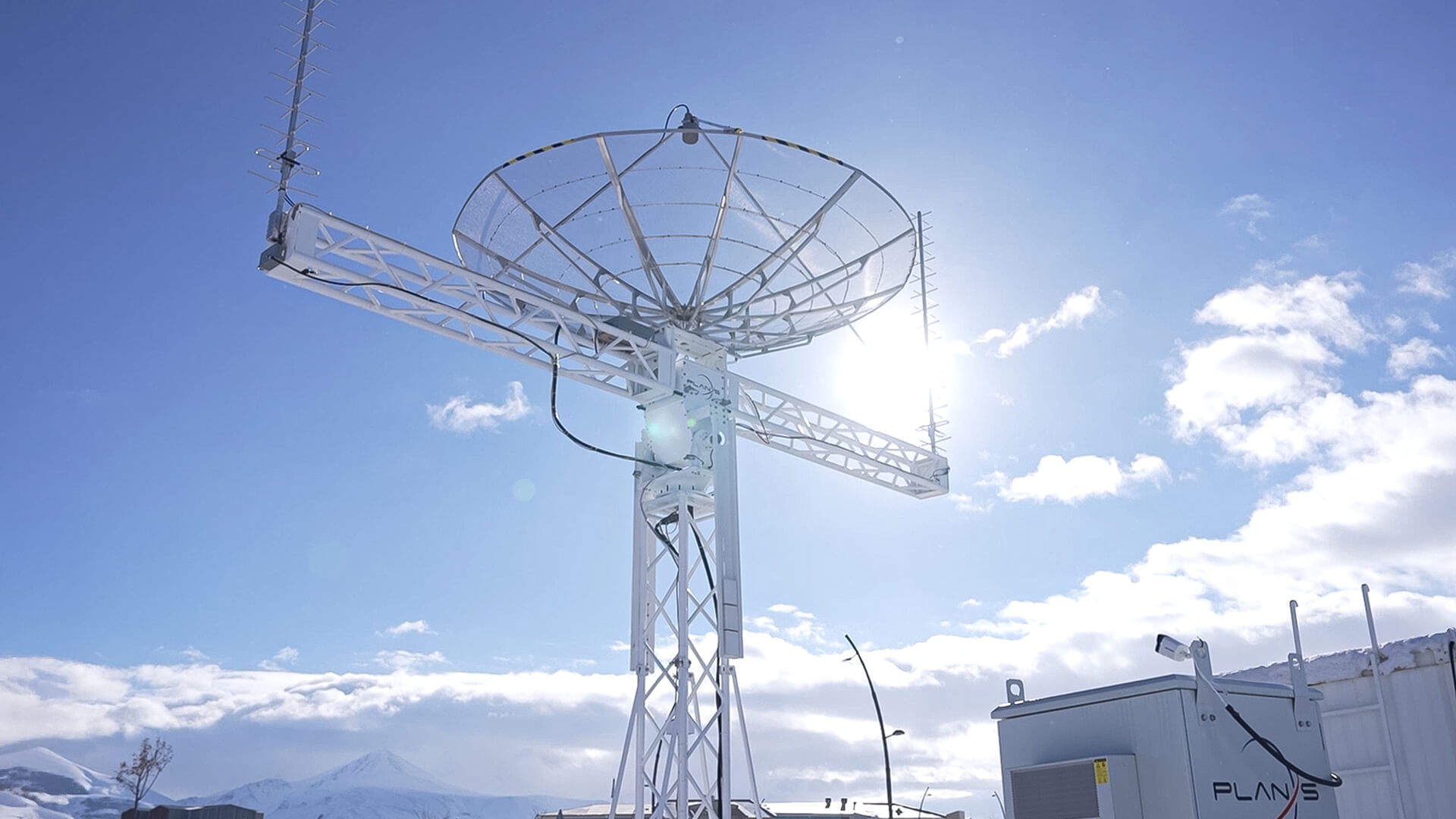
Ground Segment 101: Why Satellites Need More Than Spacecraft to Deliver Value
A satellite alone creates potential, but the ground segment turns that potential into operational value. By connecting spacecraft to mission control, data downlink, processing systems, software platforms, and user applications, the ground segment enables satellites to deliver reliable information, control, and service continuity on Earth.
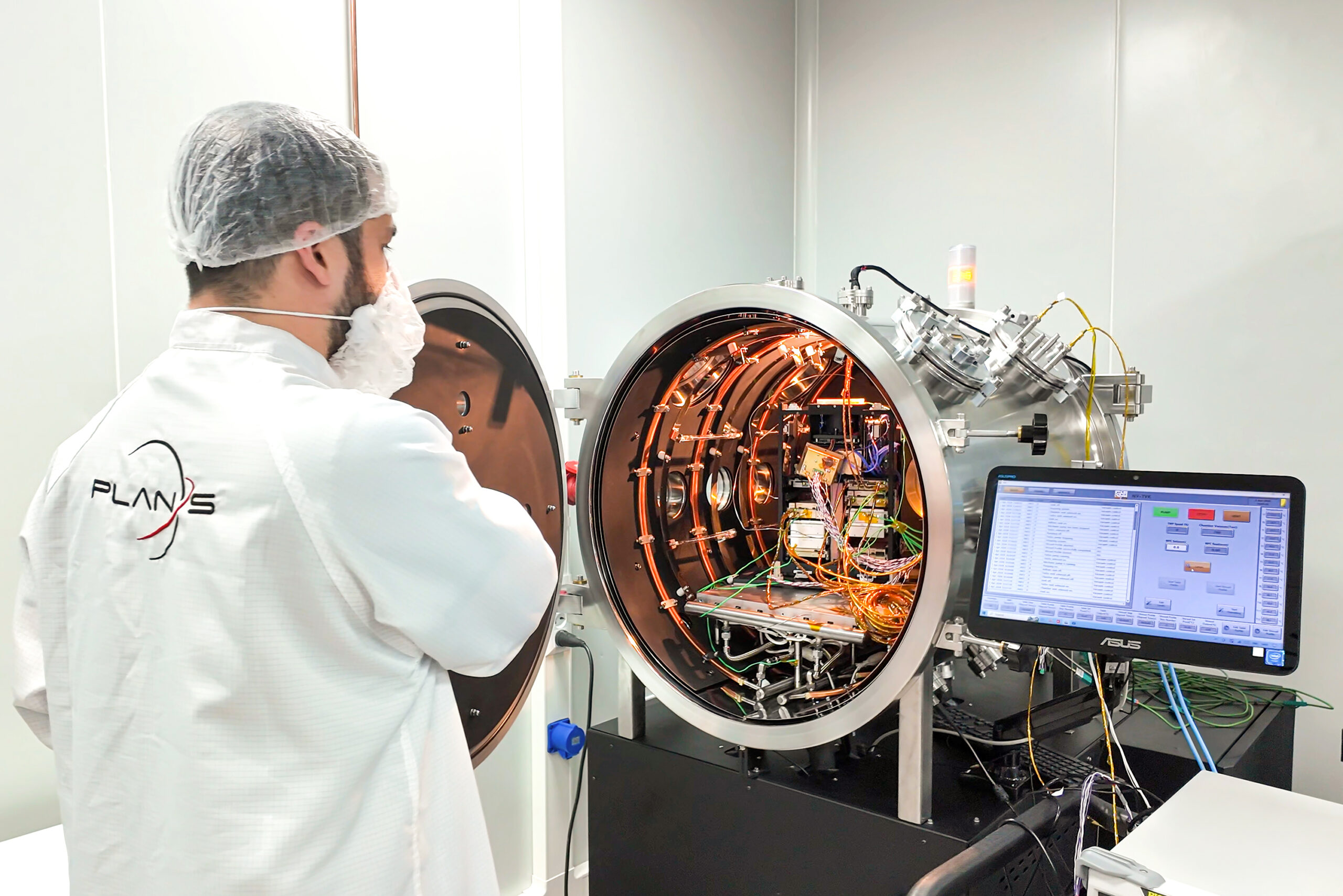
The Role of AIT in Building Reliable Small Satellites
Assembly, Integration, and Testing is one of the most critical phases in building reliable small satellites. By validating subsystems, interfaces, payload compatibility, environmental performance, and operational readiness before launch, AIT helps reduce mission risk and supports more predictable outcomes in orbit.
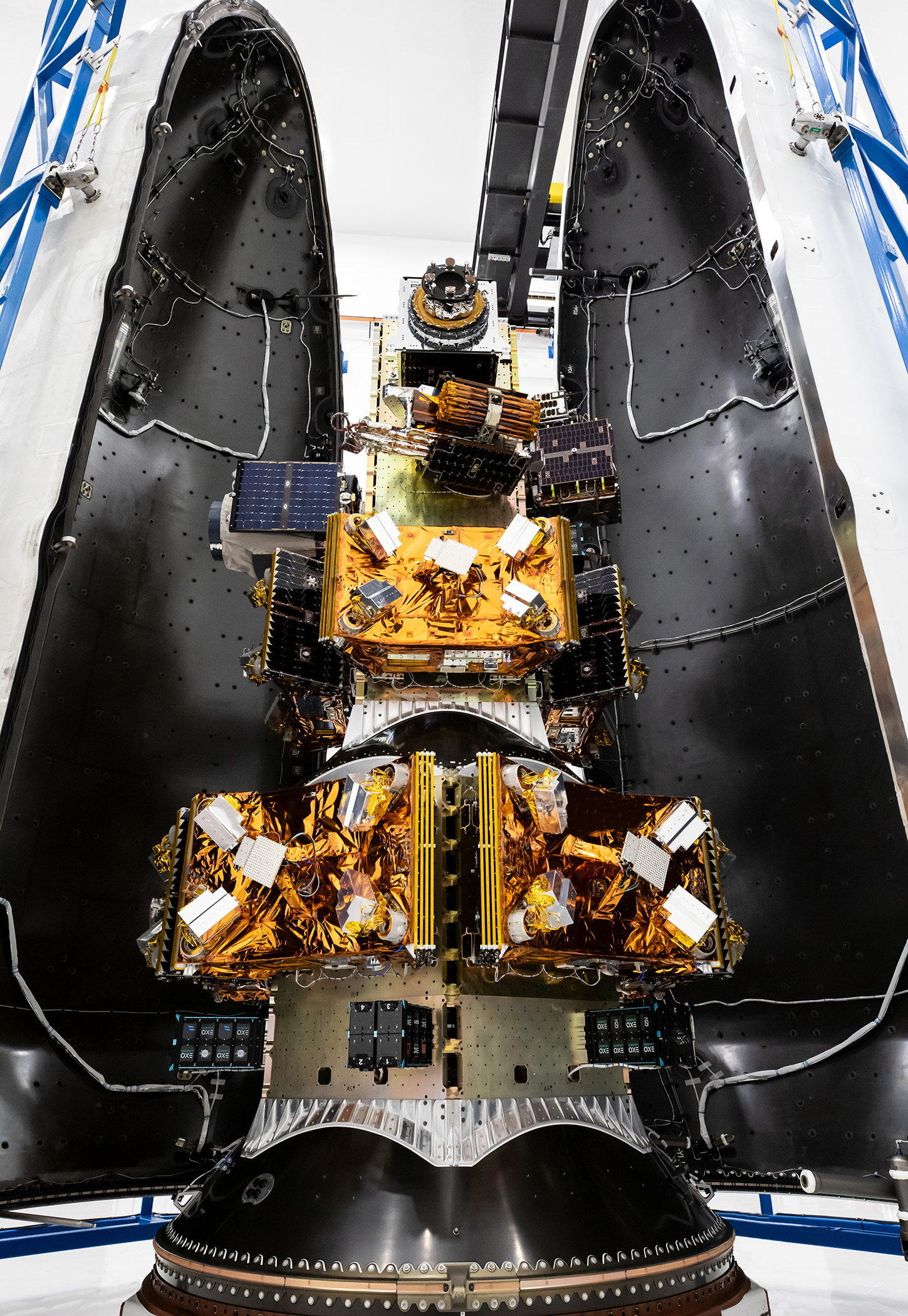
From Mission Concept to Orbit: A Step-by-Step Guide to Small Satellite Missions
A small satellite mission is a coordinated journey from concept definition and mission design to platform development, payload integration, testing, launch, licensing, operations, and data delivery. Through its end-to-end space services capabilities, Plan-S helps organizations transform mission objectives into reliable operational systems in orbit.
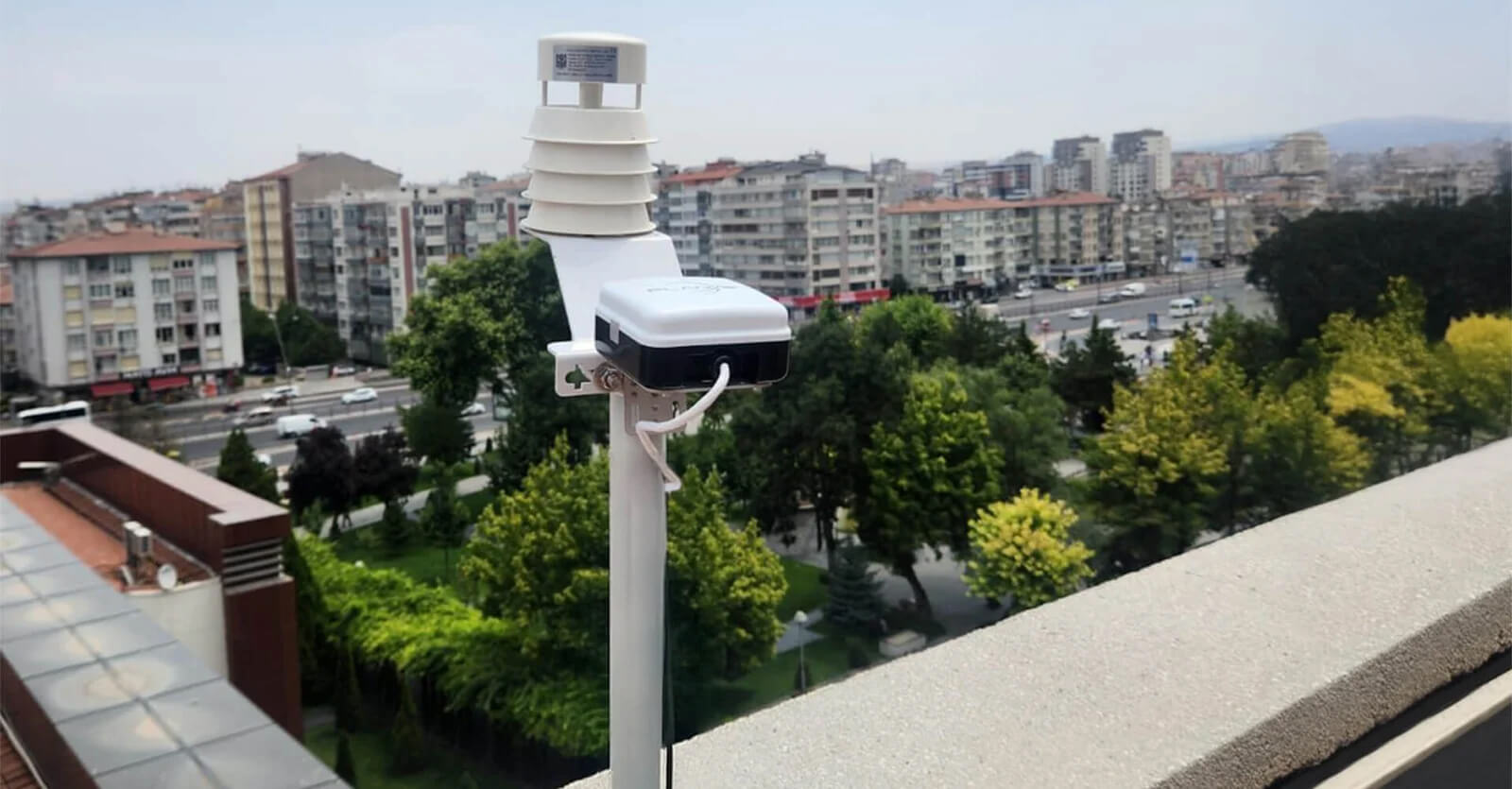
Weather Monitoring in Remote Areas: Keeping Environmental Data Flowing
Satellite IoT helps keep weather and environmental data flowing from remote monitoring points beyond terrestrial network coverage. Through Connecta, Plan-S enables reliable data transmission from distributed sensors and weather stations, supporting better planning, early warning, risk reduction, and long-term environmental visibility.
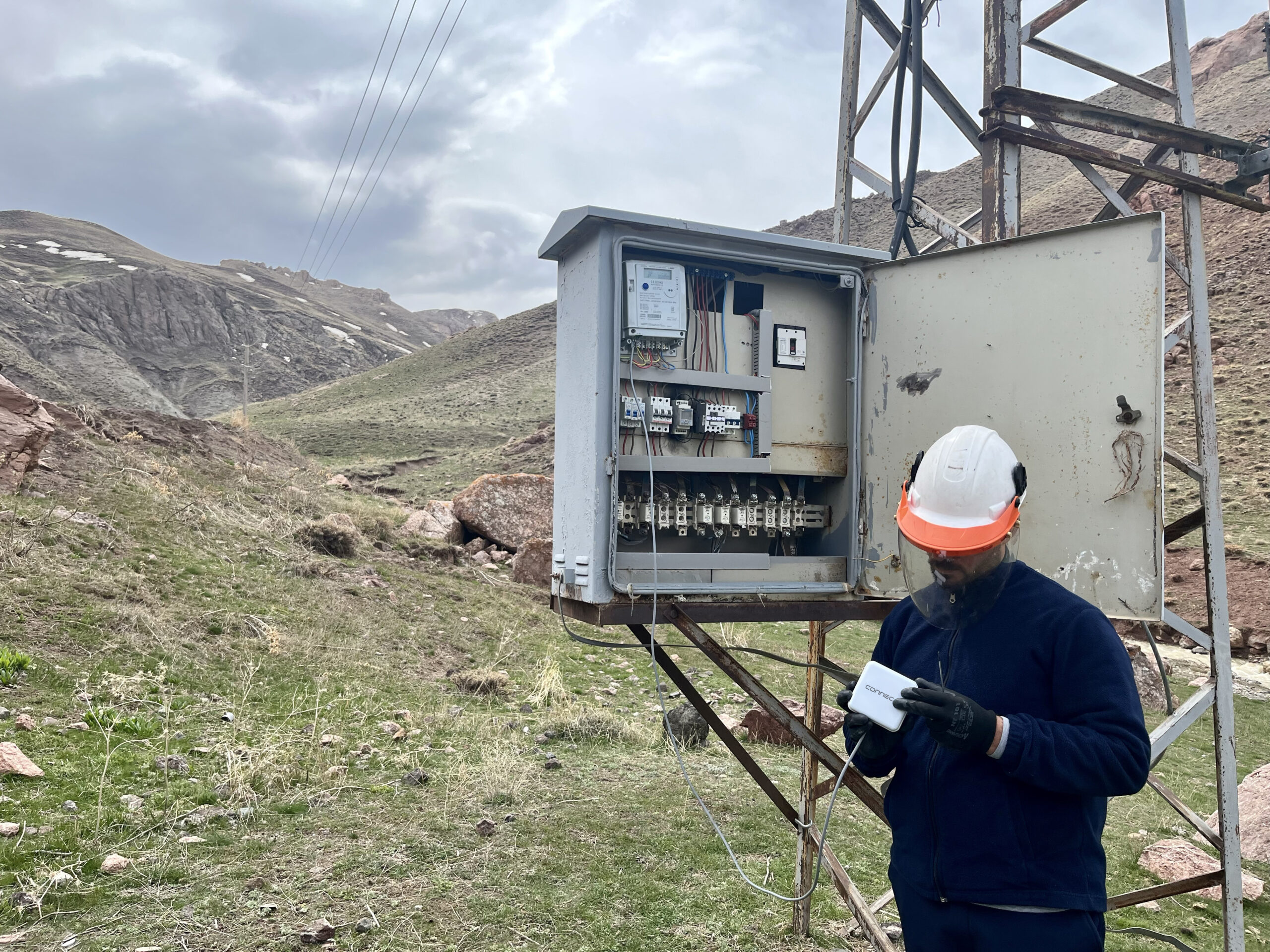
Smart Meter Reading in Remote Areas: How Satellite IoT Reduces Field Visits
Satellite IoT enables utilities to collect smart meter data from remote areas beyond terrestrial network coverage. Through Connecta Smart Meter Reader Modems and the Connecta IoT Network, Plan-S helps utilities reduce unnecessary field visits, improve data continuity, and maintain visibility across distributed service areas.

Satellite IoT for Agriculture: From Soil Data to Smarter Irrigation
Satellite IoT helps agricultural teams collect soil, irrigation, and field data from remote areas beyond terrestrial network coverage. Through Connecta, Plan-S enables smarter irrigation planning, improved resource management, and greater visibility across distributed agricultural operations.

How LoRaWAN-Compatible Satellite IoT Enables Low-Power Data Transmission
LoRaWAN-compatible satellite IoT enables low-power data transmission from remote sensors, meters, trackers, and infrastructure assets operating beyond terrestrial coverage. Through Connecta, Plan-S combines satellite connectivity, IoT hardware, network infrastructure, and operational tools to support efficient, scalable, and long-term remote monitoring.
Hosted Payload Missions: A Faster Route to Flight Heritage
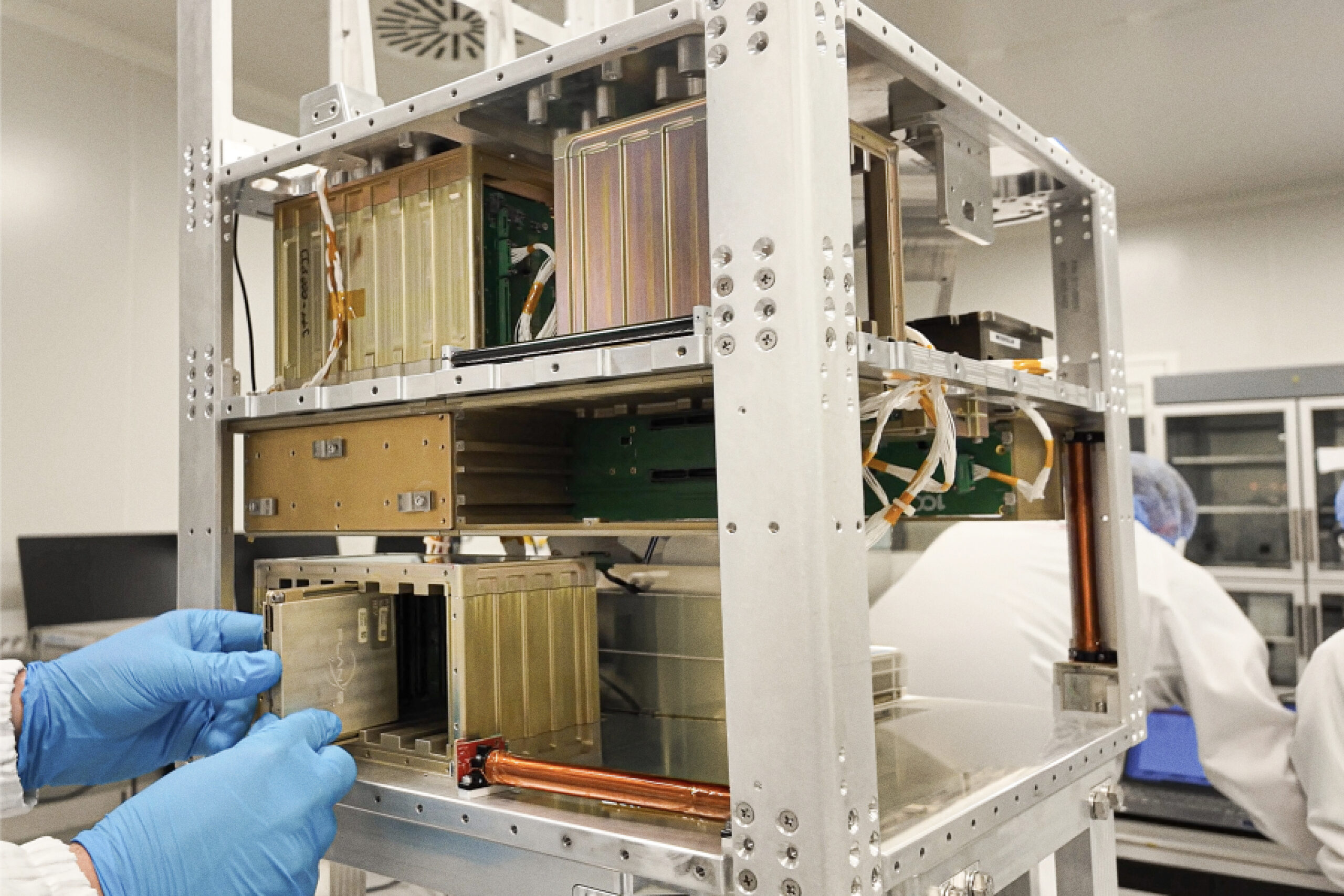
Hosted payload missions provide a practical route to in-orbit validation by allowing organizations to test sensors, communication systems, scientific instruments, and experimental payloads on existing spacecraft platforms. By building on Plan-S’ mission heritage and end-to-end space services capabilities, organizations can gain flight heritage while reducing the complexity of developing a dedicated satellite mission.