

What Is Satellite IoT and Why Does It Matter for Remote Operations?
Satellite IoT extends connectivity beyond the limits of terrestrial networks, enabling organizations to collect data, monitor assets, and maintain operational visibility in remote and hard-to-reach locations. Through the Connecta IoT Network, Connecta brings satellite connectivity, IoT hardware, and network infrastructure together for reliable remote operations.

June 9, 2026

6 minute reading
#CONNECTA
#SATELLITE IOT
Connectivity has become one of the most important layers of modern operations.
Across industries, organizations rely on connected devices to monitor assets, collect data, improve visibility, and make faster decisions. Agricultural sensors, utility meters, logistics trackers, industrial equipment, environmental monitoring systems, and critical infrastructure assets are now part of a growing IoT ecosystem that helps businesses and institutions understand what is happening in the field.
But not every operation takes place within the reach of terrestrial communication networks.
Many assets are located in remote agricultural areas, offshore environments, energy fields, transportation routes, utility networks, and infrastructure sites where cellular coverage is limited, unreliable, or completely unavailable. In these environments, maintaining operational visibility becomes a challenge.
This is where Satellite IoT plays a critical role.
By extending connectivity beyond terrestrial network boundaries, Satellite IoT enables organizations to collect data from remote assets and keep operations visible, even in locations where conventional communication infrastructure cannot reach.
What Is Satellite IoT?
Satellite IoT refers to the use of satellite networks to connect Internet of Things devices such as sensors, meters, trackers, gateways, and monitoring equipment.
In a traditional IoT system, connected devices collect information and transmit it through terrestrial infrastructure such as cellular networks, Wi-Fi, or local communication systems. Satellite IoT follows the same basic principle, but changes the communication path. Instead of relying only on ground-based networks, data can be transmitted through satellites and delivered to operational platforms where it can be monitored, analyzed, and used for decision-making.
This makes Satellite IoT especially valuable for organizations operating beyond conventional coverage areas.
With satellite-enabled connectivity, companies and institutions can monitor distributed assets, track equipment, collect environmental data, measure field conditions, and maintain situational awareness across remote locations.
Satellite IoT Does Not Replace Cellular Networks
One of the most common misconceptions about Satellite IoT is that it is designed to replace terrestrial connectivity.
In reality, satellite and cellular networks solve different connectivity challenges.
Cellular networks are highly effective in populated areas where communication infrastructure is already available. They provide strong, efficient, and high-capacity connectivity for many day-to-day IoT applications.
Satellite IoT addresses a different need. It extends connectivity to areas where terrestrial networks are unavailable, impractical, or inconsistent.
Rather than competing with cellular networks, satellite connectivity complements them. Together, satellite and terrestrial networks create a more resilient communication ecosystem that can support operations across wider geographies.
For organizations managing assets in both urban and remote environments, this hybrid approach becomes increasingly important. It allows connected devices to remain part of the same operational workflow, whether they are located inside network coverage or far beyond it.
Why Remote Operations Need Satellite IoT
Remote operations create communication challenges that traditional networks are not always designed to address.
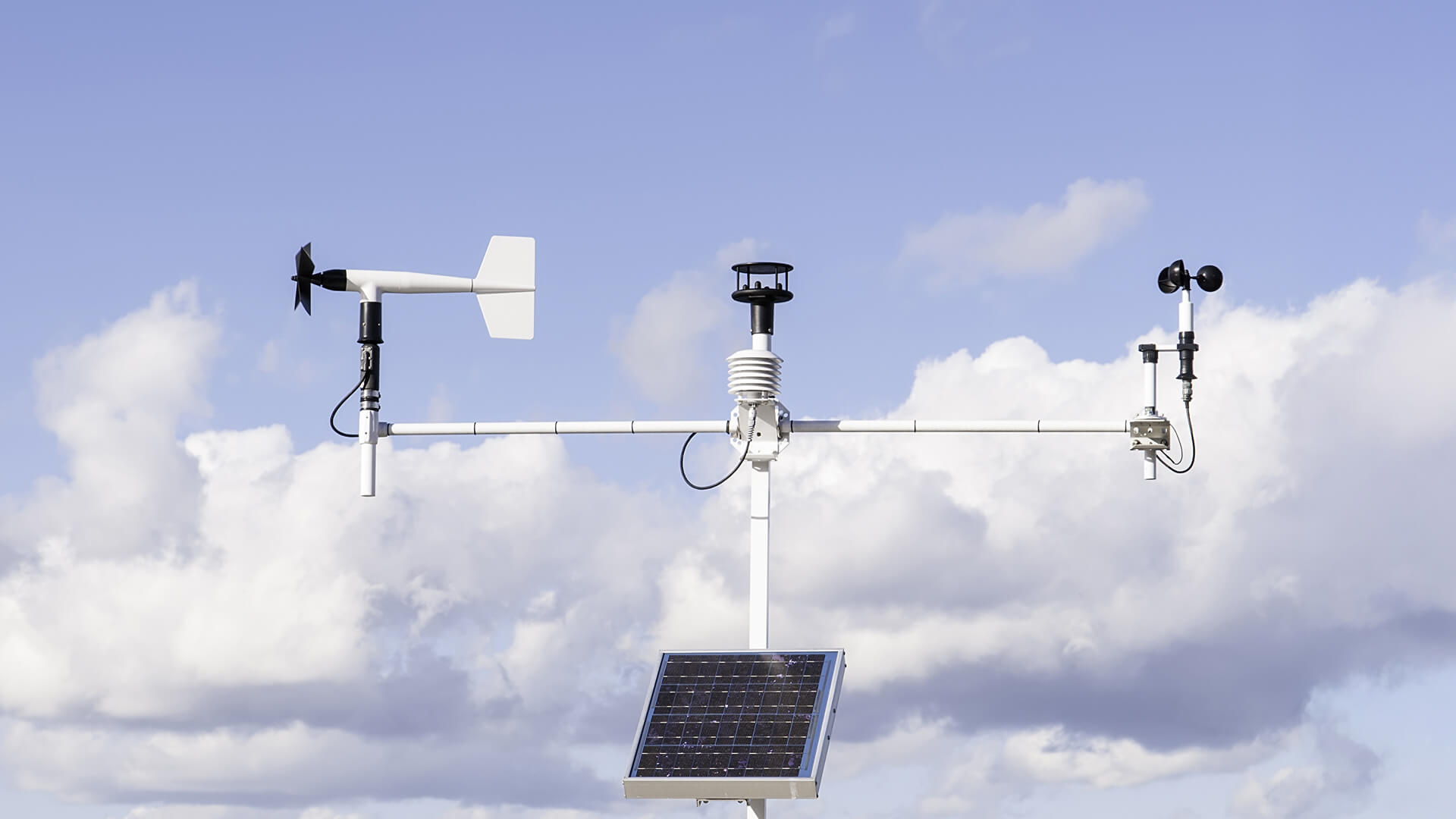
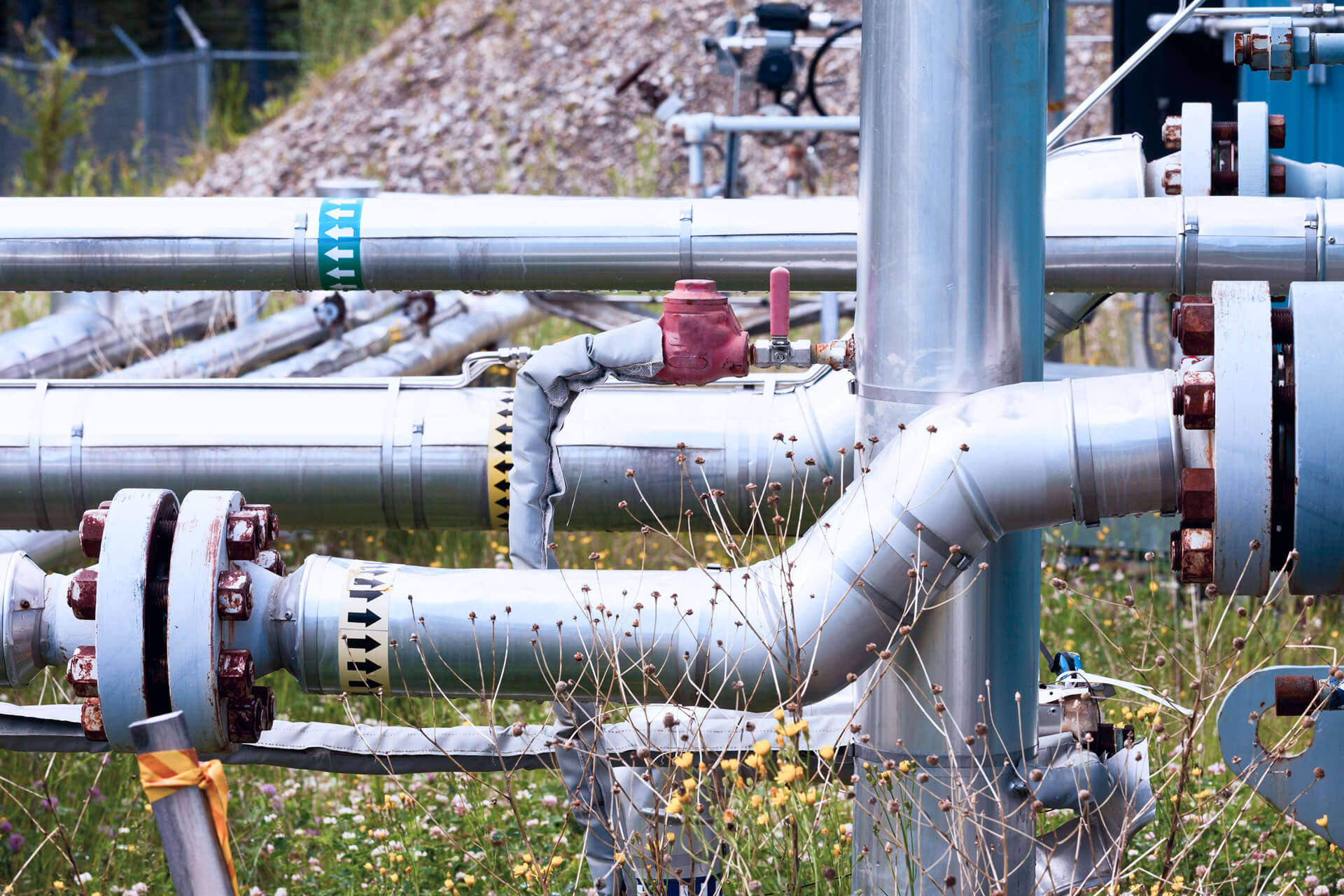
Agricultural fields can span large rural areas. Energy infrastructure may be distributed across remote regions. Utility assets may be located outside dense population centers. Maritime operations move across open waters. Logistics routes may pass through areas with limited network availability. Environmental monitoring projects often take place in isolated or hard-to-access locations.
In these environments, lack of connectivity can lead to delayed data, limited visibility, slower response times, and increased operational risk.
Without reliable communication, organizations may lose access to critical information such as equipment status, sensor readings, asset location, environmental conditions, system performance, or infrastructure health.
Satellite IoT helps close this gap by keeping data flowing from remote assets to operational platforms. This allows organizations to monitor what matters, respond faster, and make decisions based on field data rather than assumptions.
How Connecta Extends Connectivity Beyond Terrestrial Coverage
Connecta provides satellite-based IoT connectivity designed to support operations beyond the reach of traditional networks.
Through the Connecta IoT Network, organizations can connect sensors, devices, gateways, and field equipment in remote areas and transmit operational data through satellite-enabled communication paths.
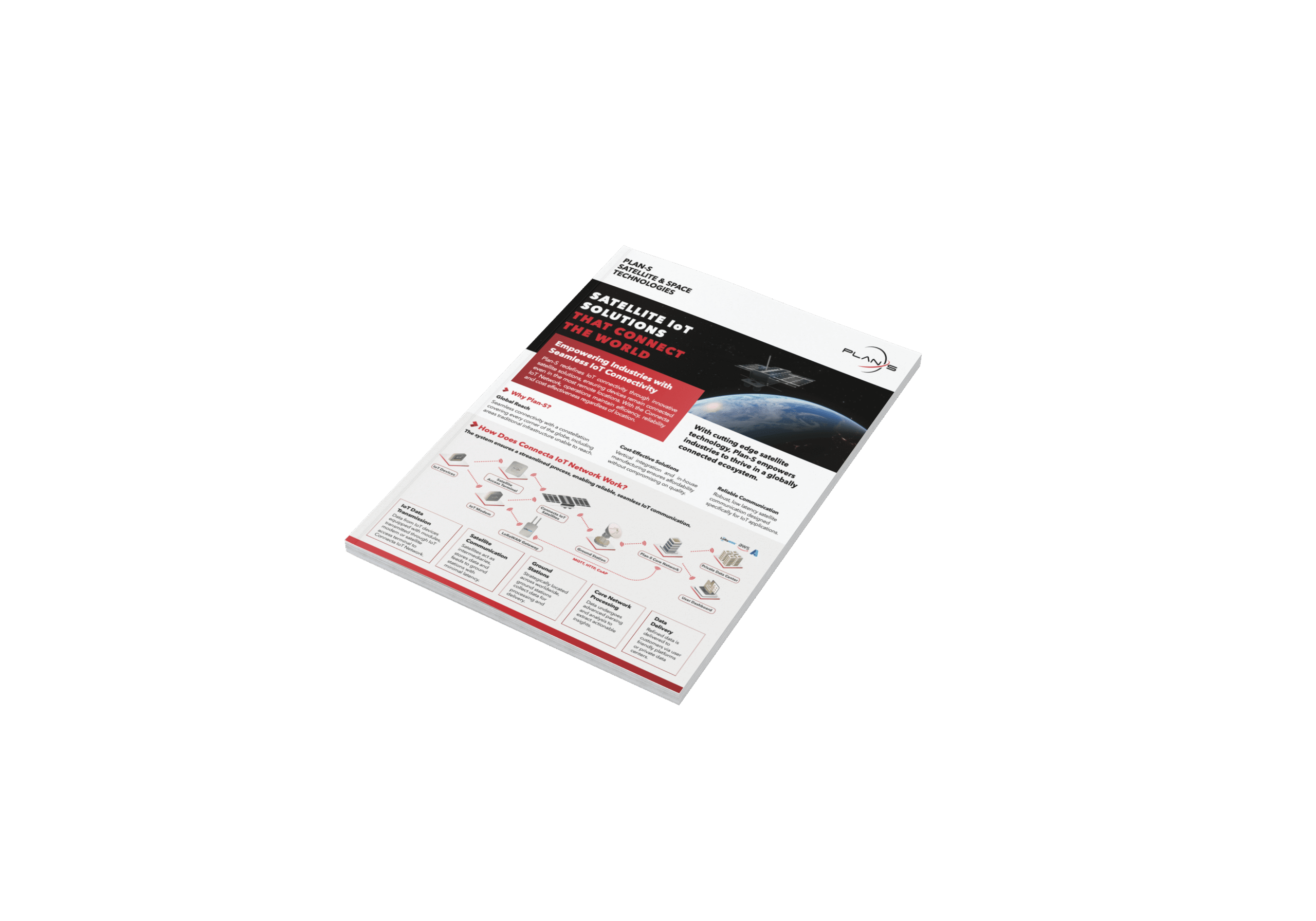
The process begins with connected devices in the field. These devices collect data from assets, infrastructure, or environmental conditions. The data is then transmitted through satellite IoT hardware and network infrastructure, routed securely, and delivered to cloud platforms, private data centers, or operational applications where it can be monitored and analyzed.
This end-to-end structure helps organizations manage remote assets more efficiently while reducing dependence on local terrestrial infrastructure.
Connecta is not only a connectivity layer. It is an ecosystem that brings together satellite communication, IoT hardware, network infrastructure, and integration capabilities to support reliable remote operations at scale.
Building the Foundation for Reliable Remote Connectivity
Reliable remote connectivity requires more than satellites alone.
Organizations need field-ready devices, satellite-enabled hardware, secure network infrastructure, integration capabilities, and data delivery tools that work together as a complete system.
Connecta brings these elements together through a portfolio of satellite IoT technologies designed for remote operations.
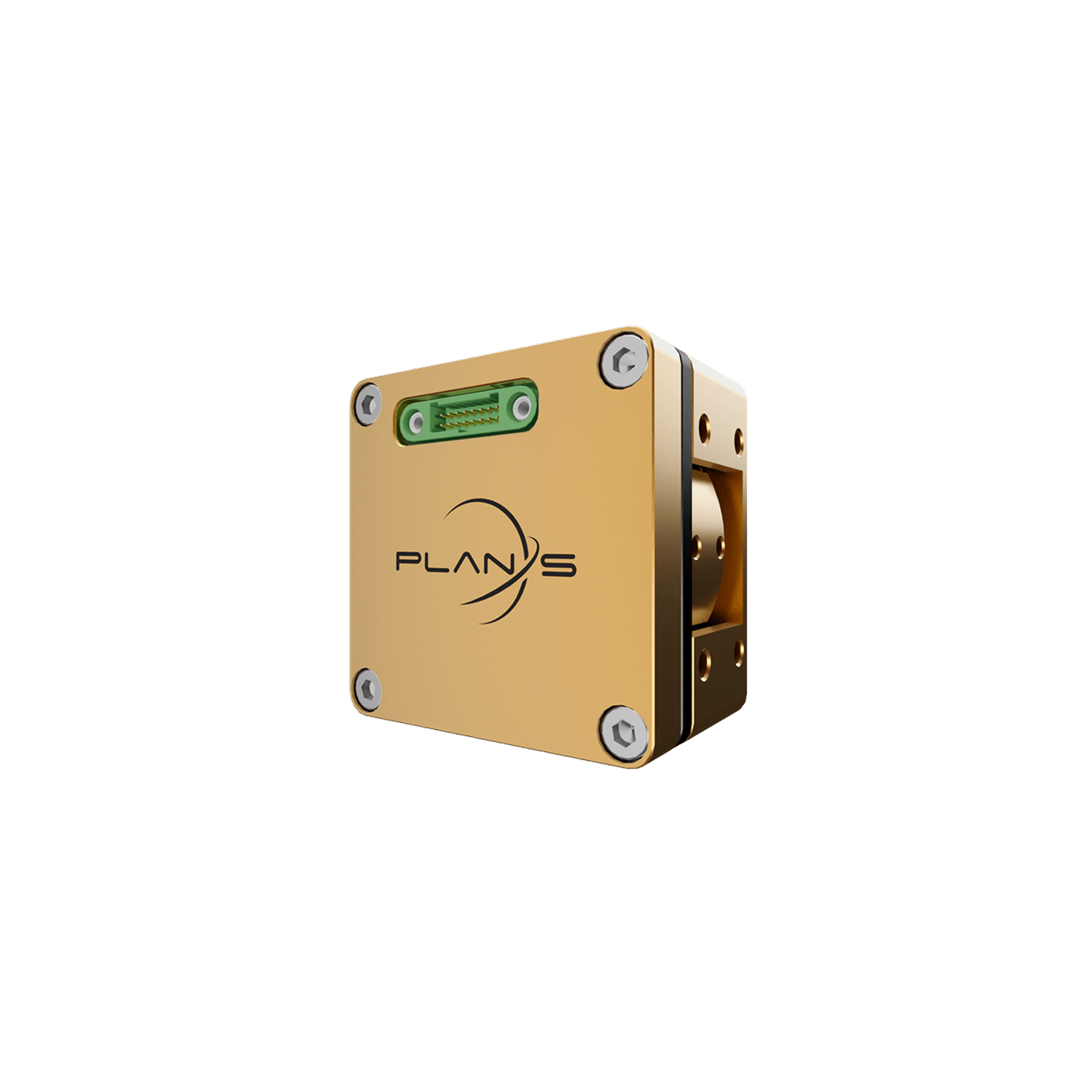
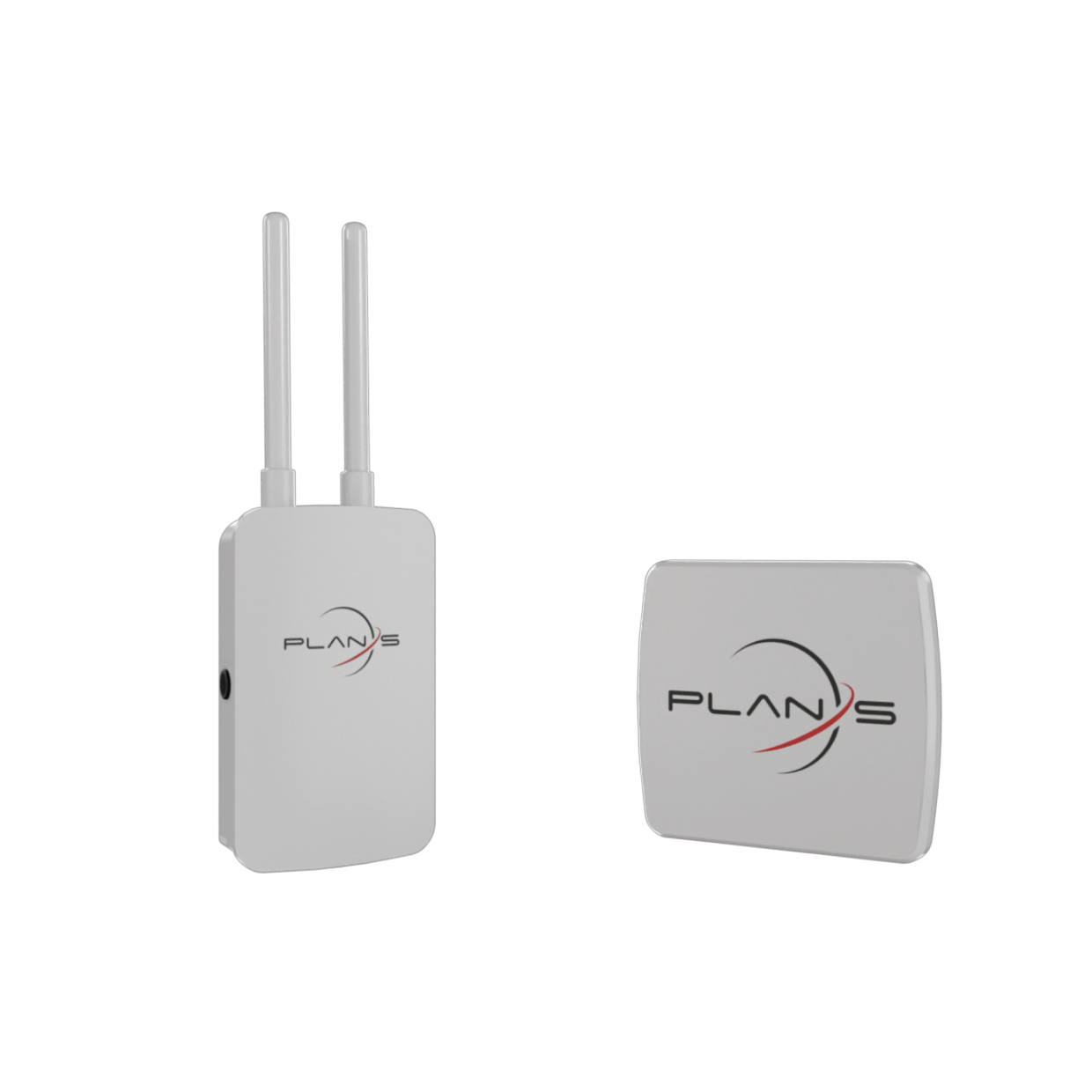
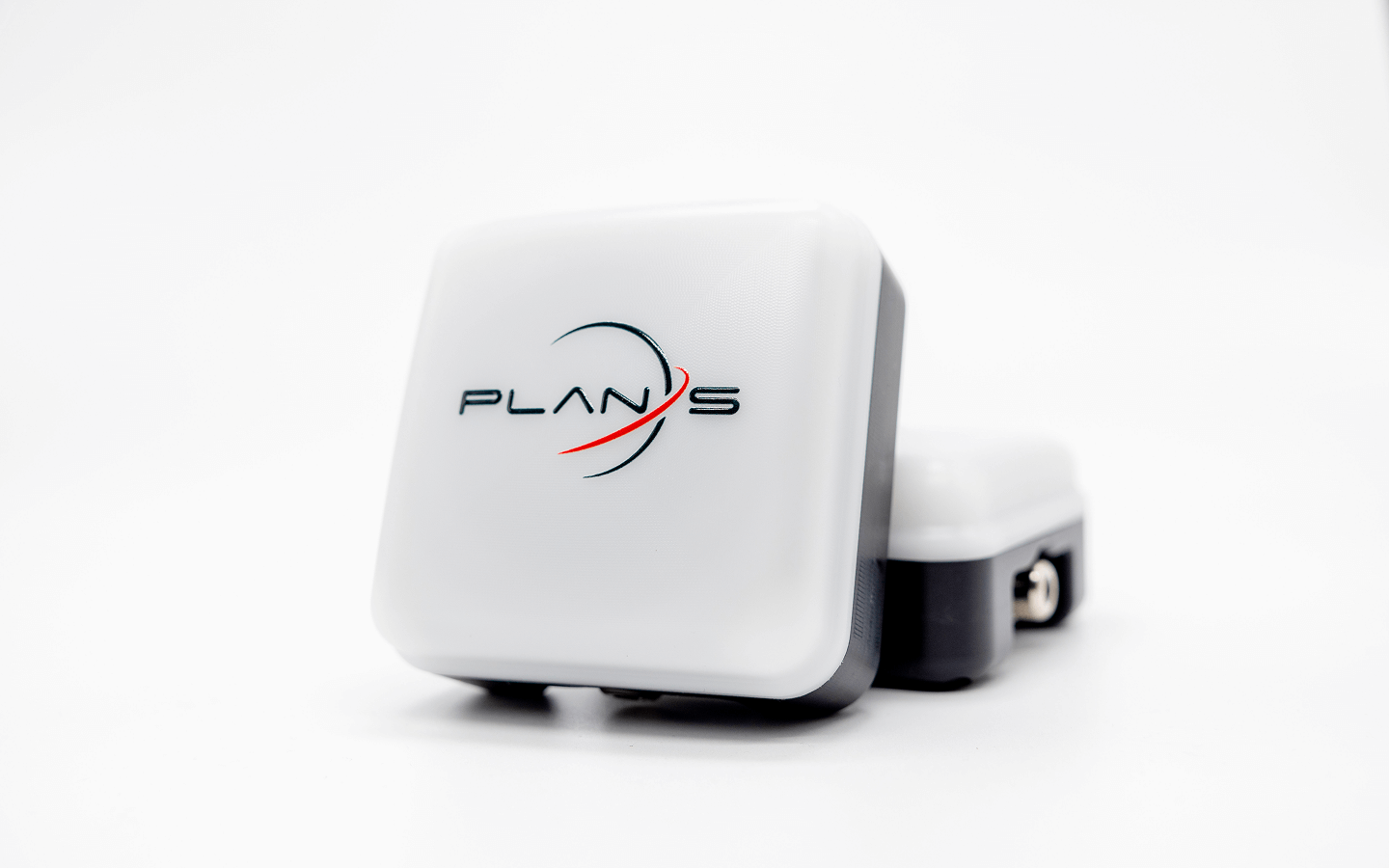
Connecta IoT Modems allow organizations to connect sensors and legacy devices to the Connecta IoT Network, enabling data transmission from remote and hard-to-reach locations. Designed for practical field deployment, these modems help organizations collect operational data without depending solely on terrestrial coverage.
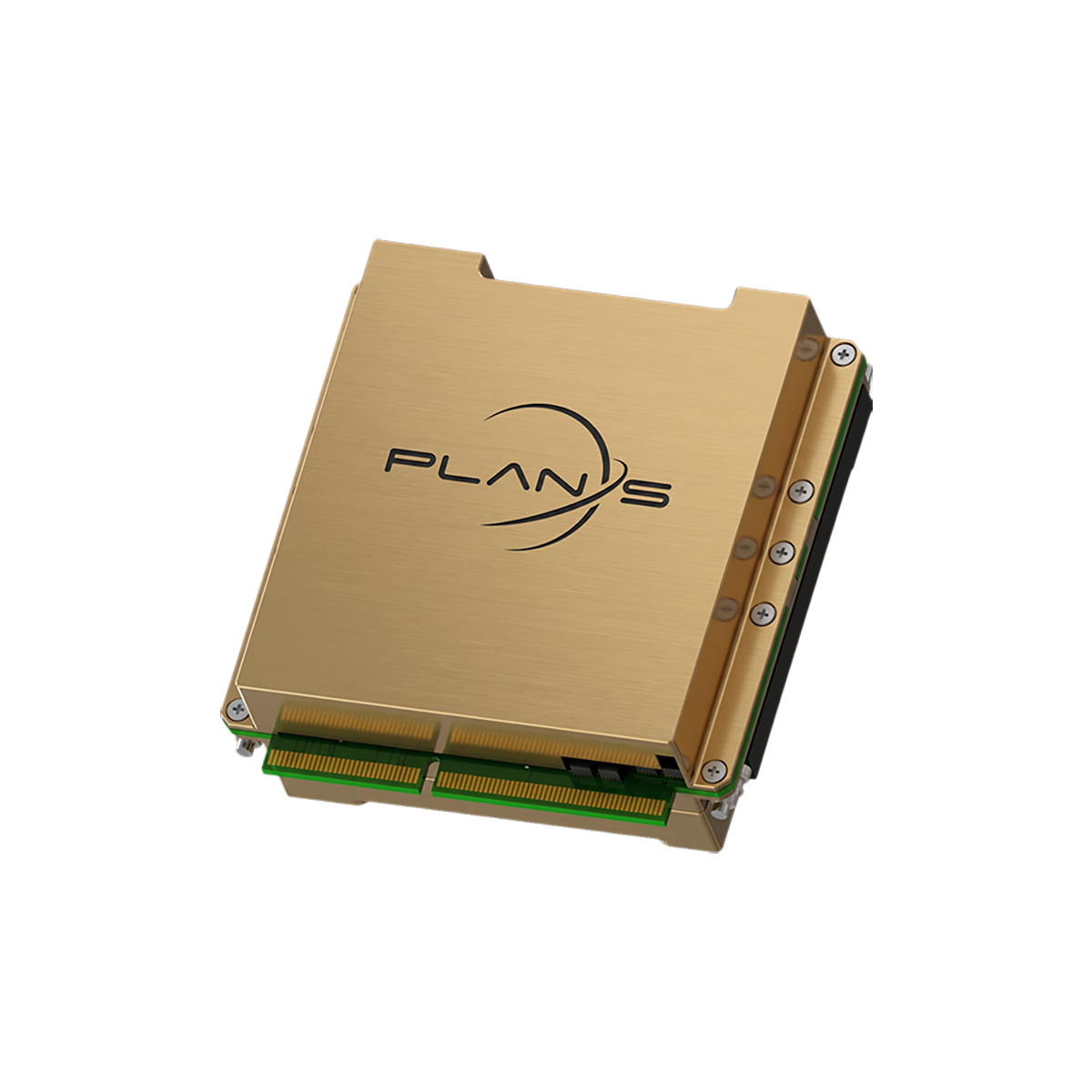
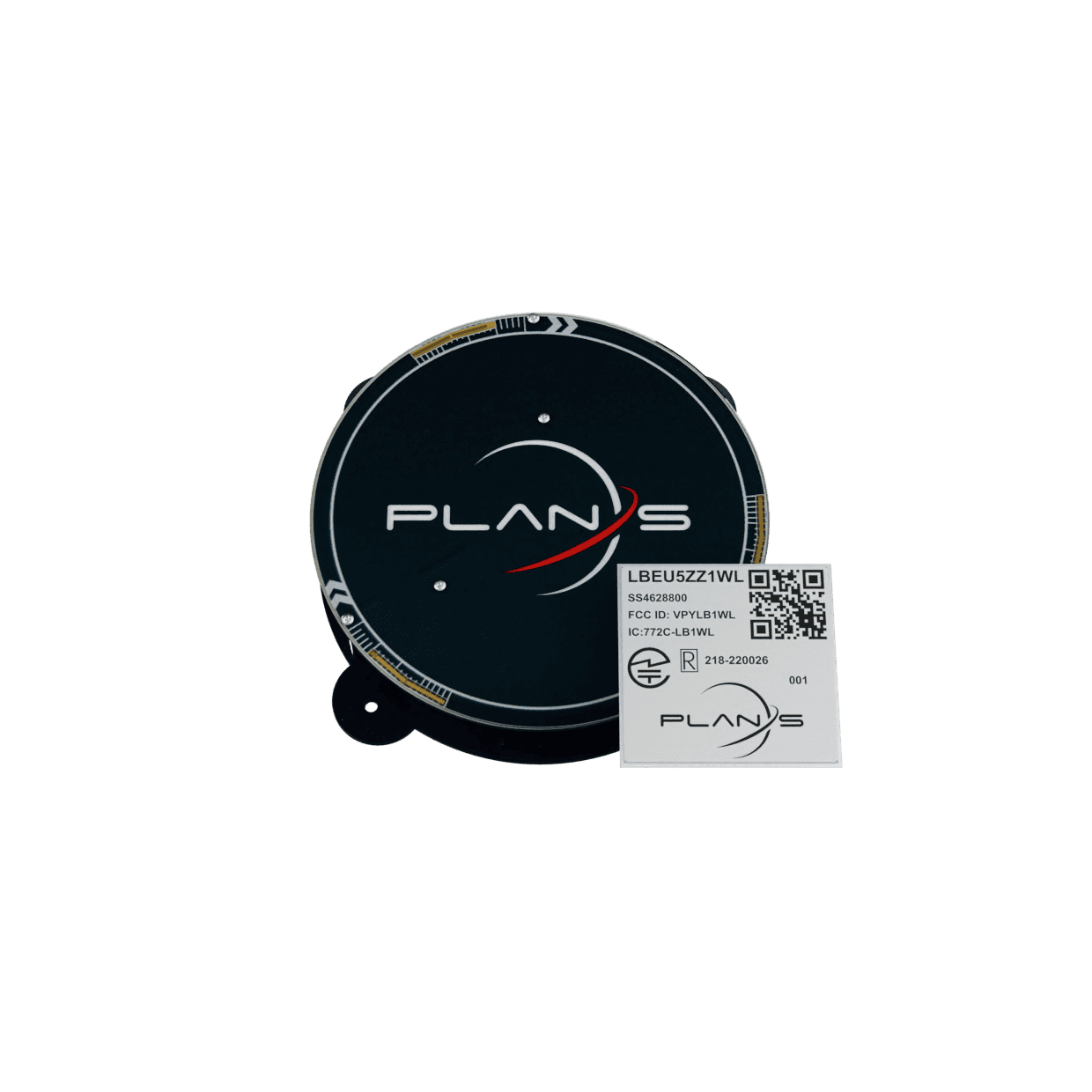
For manufacturers and solution providers developing their own connected products, Connecta IoT Modules offer a way to integrate satellite IoT connectivity directly into devices. With direct-to-satellite and LoRaWAN-based communication capabilities, these modules help accelerate the development of satellite-ready IoT solutions.
Connecta also supports specialized use cases such as smart meter connectivity, helping utilities maintain monitoring and reporting capabilities across remote service areas.
By combining hardware, connectivity, and network infrastructure, Connecta helps organizations simplify deployment while maintaining access to the operational data they need.
The Future of Connected Operations
As industries continue to digitalize, connectivity requirements are expanding beyond cities, factories, and traditional coverage areas.
Organizations increasingly need to collect, transmit, and act on data from assets located anywhere. This makes Satellite IoT a key enabler of modern remote operations.
The future of connectivity will not be defined by terrestrial or satellite networks alone. It will be shaped by the combination of both.
Terrestrial networks will continue to serve high-density areas and established infrastructure zones. Satellite IoT will extend that connectivity to remote, mobile, and underserved environments. Together, they will create a more complete communication architecture for connected operations.
For organizations managing distributed assets, this means greater visibility, improved continuity, and better control across the full operational landscape.
Connecting What Matters, Wherever It Operates
Satellite IoT helps organizations overcome one of the most important challenges in remote operations: maintaining reliable visibility beyond the reach of traditional networks.
By enabling data transmission from remote sensors, meters, trackers, gateways, and infrastructure, Satellite IoT allows organizations to monitor assets, collect field data, track performance, and make informed decisions regardless of location.
Through the Connecta IoT Network, Connecta brings satellite connectivity, IoT hardware, and network infrastructure together in a unified ecosystem designed for remote operations.
As industries continue moving toward more connected, data-driven, and distributed operating models, Satellite IoT is evolving from an emerging technology into a critical component of modern infrastructure.
Because connected operations should not stop where terrestrial networks end.
BLOG
Related Insights
Explore how space assets and ground infrastructure work together, use cases, architectures, and field results from Plan-S projects.


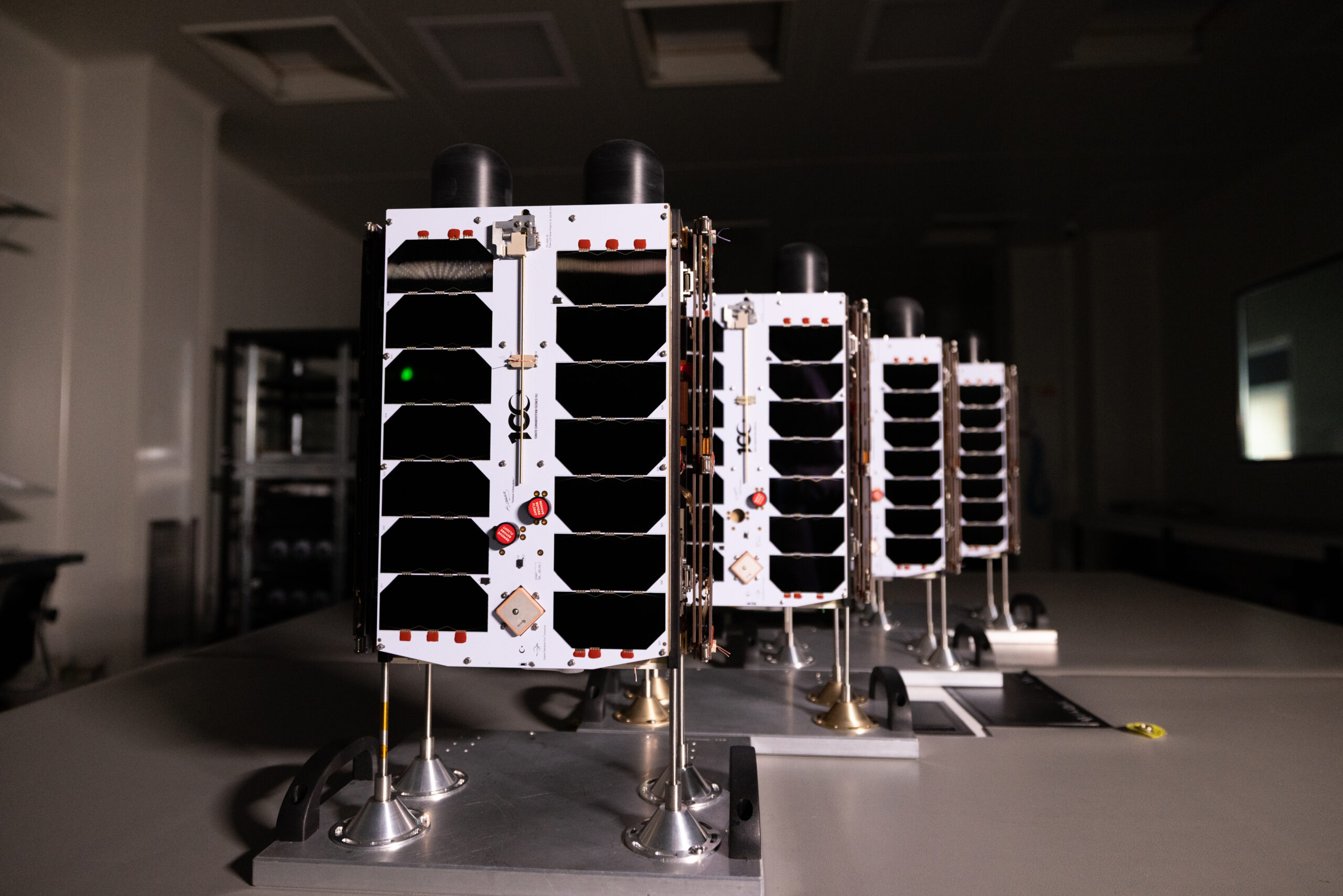
The Role of Systems Engineering in Small Satellite Mission Success
Systems engineering connects payload, power, thermal control, ADCS, communications, software, ground infrastructure, and operations into a coherent mission architecture. For small satellite missions, this system-level approach helps reduce integration risk, improve reliability, and ensure that every subsystem supports the mission objective.

LEOP Explained: What Happens After a Satellite Reaches Orbit?
Launch and Early Orbit Phase, or LEOP, is the critical stage after deployment when a satellite establishes communication, undergoes health checks, activates subsystems, verifies orbit, checks payload performance, and transitions into routine operations. A successful LEOP turns a launched spacecraft into an operational asset capable of delivering mission value.
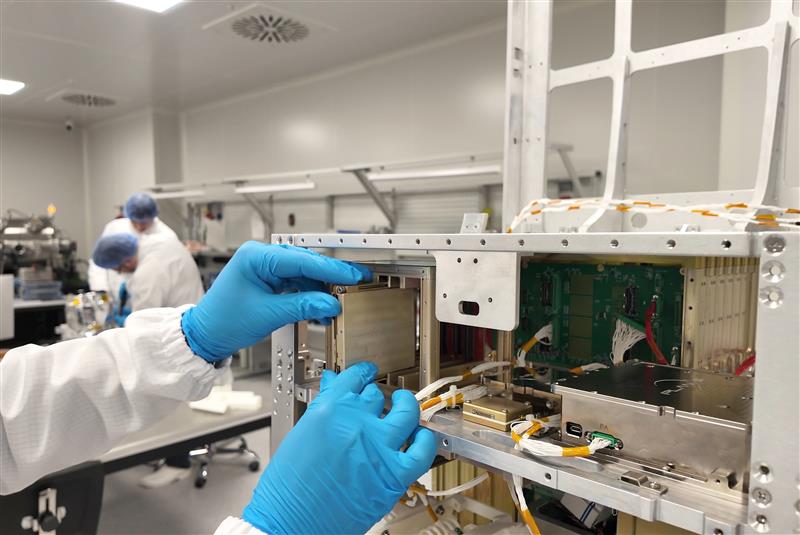
Payload Integration for Small Satellites: What Mission Teams Should Know
Payload integration is a system-level process that aligns mechanical, electrical, thermal, data, software, and operational requirements within the spacecraft architecture. For small satellite missions, successful integration helps reduce risk, validate mission readiness, and ensure that the payload can deliver reliable value in orbit.

How End-to-End Satellite Services Reduce Mission Complexity
End-to-end satellite services reduce mission complexity by bringing mission design, spacecraft development, payload integration, testing, launch coordination, ground segment, data systems, and in-orbit operations under one integrated framework. With a single accountable mission partner, organizations can move from concept to orbit with greater clarity, control, and operational continuity.
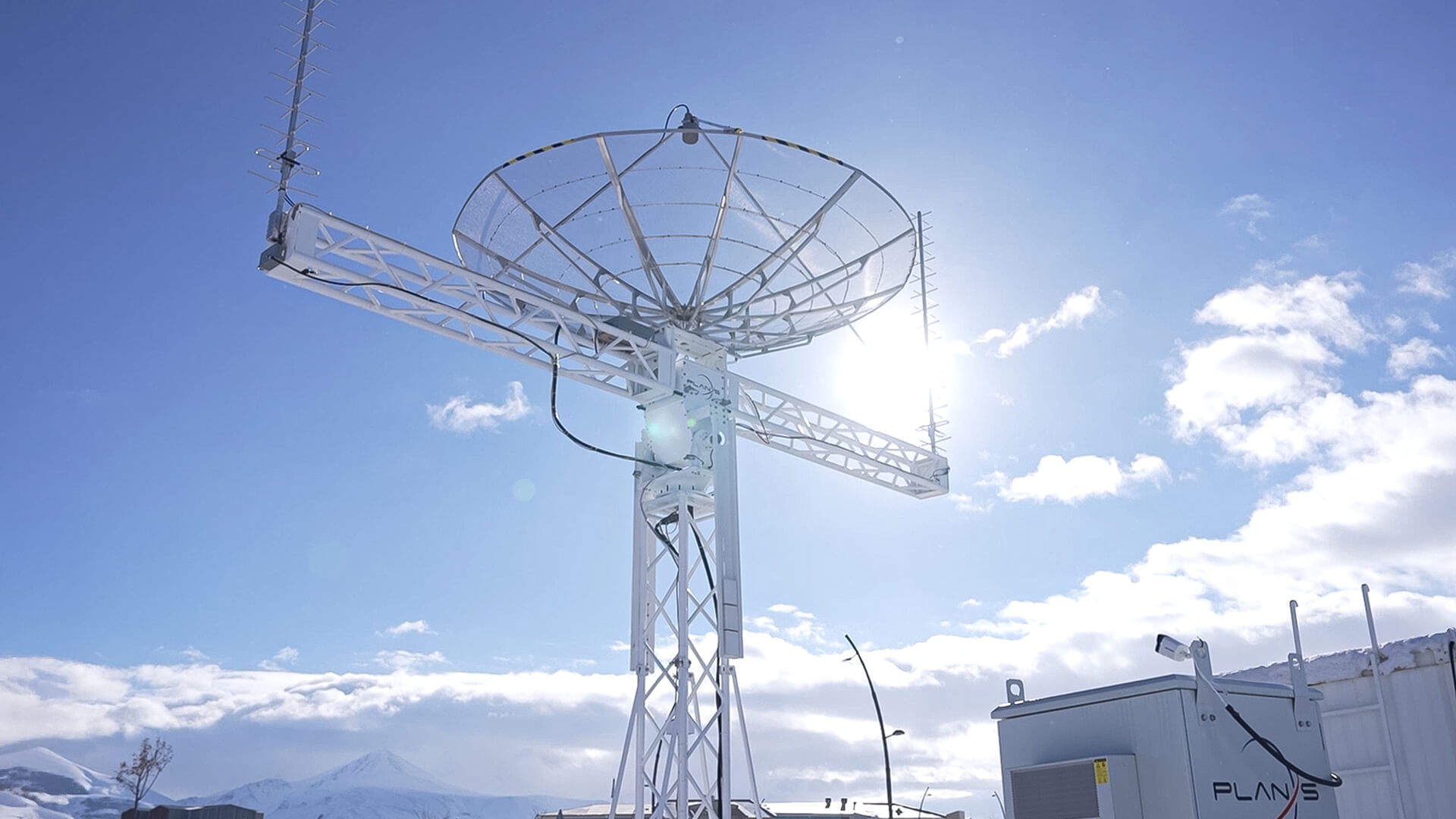
Ground Segment 101: Why Satellites Need More Than Spacecraft to Deliver Value
A satellite alone creates potential, but the ground segment turns that potential into operational value. By connecting spacecraft to mission control, data downlink, processing systems, software platforms, and user applications, the ground segment enables satellites to deliver reliable information, control, and service continuity on Earth.
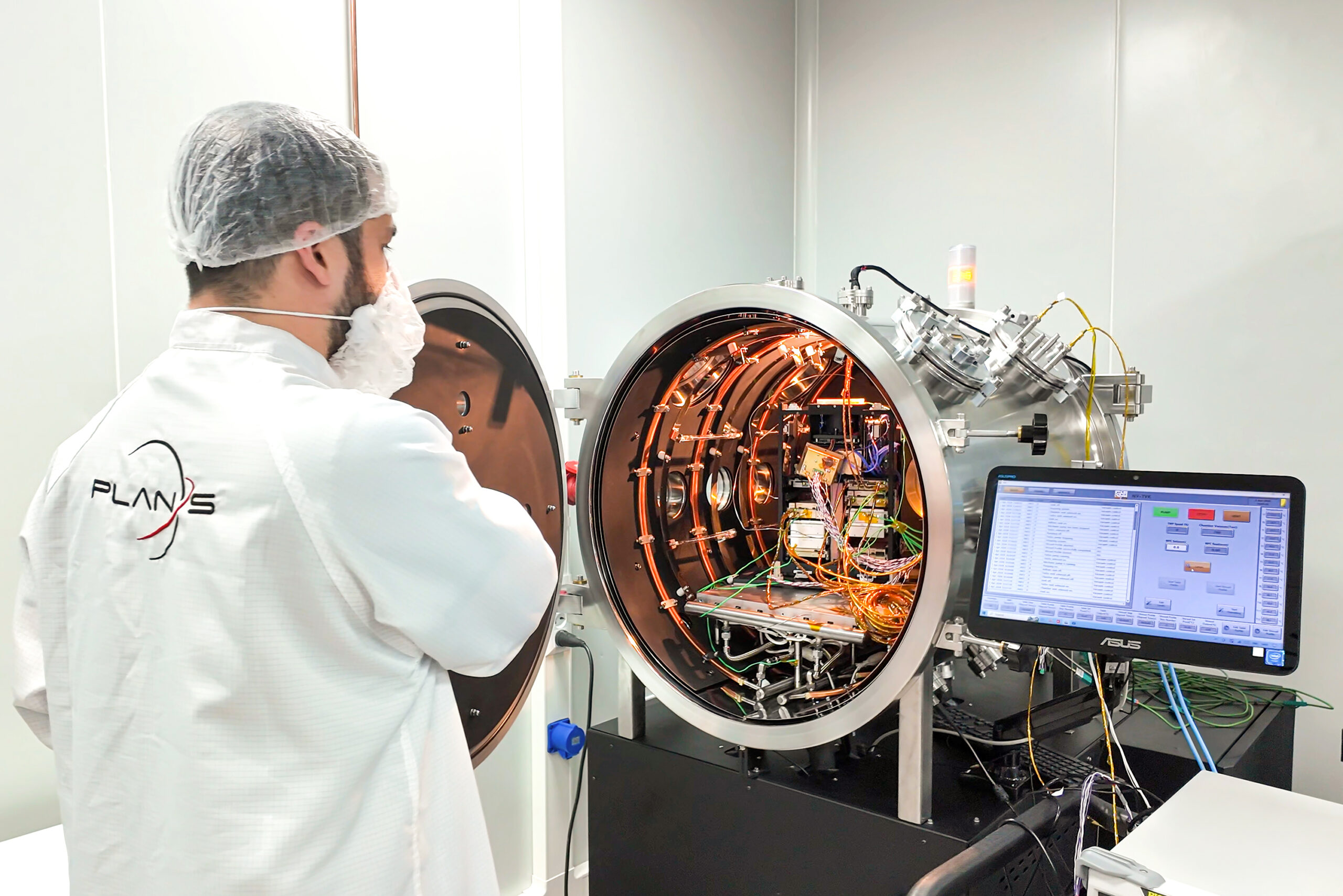
The Role of AIT in Building Reliable Small Satellites
Assembly, Integration, and Testing is one of the most critical phases in building reliable small satellites. By validating subsystems, interfaces, payload compatibility, environmental performance, and operational readiness before launch, AIT helps reduce mission risk and supports more predictable outcomes in orbit.
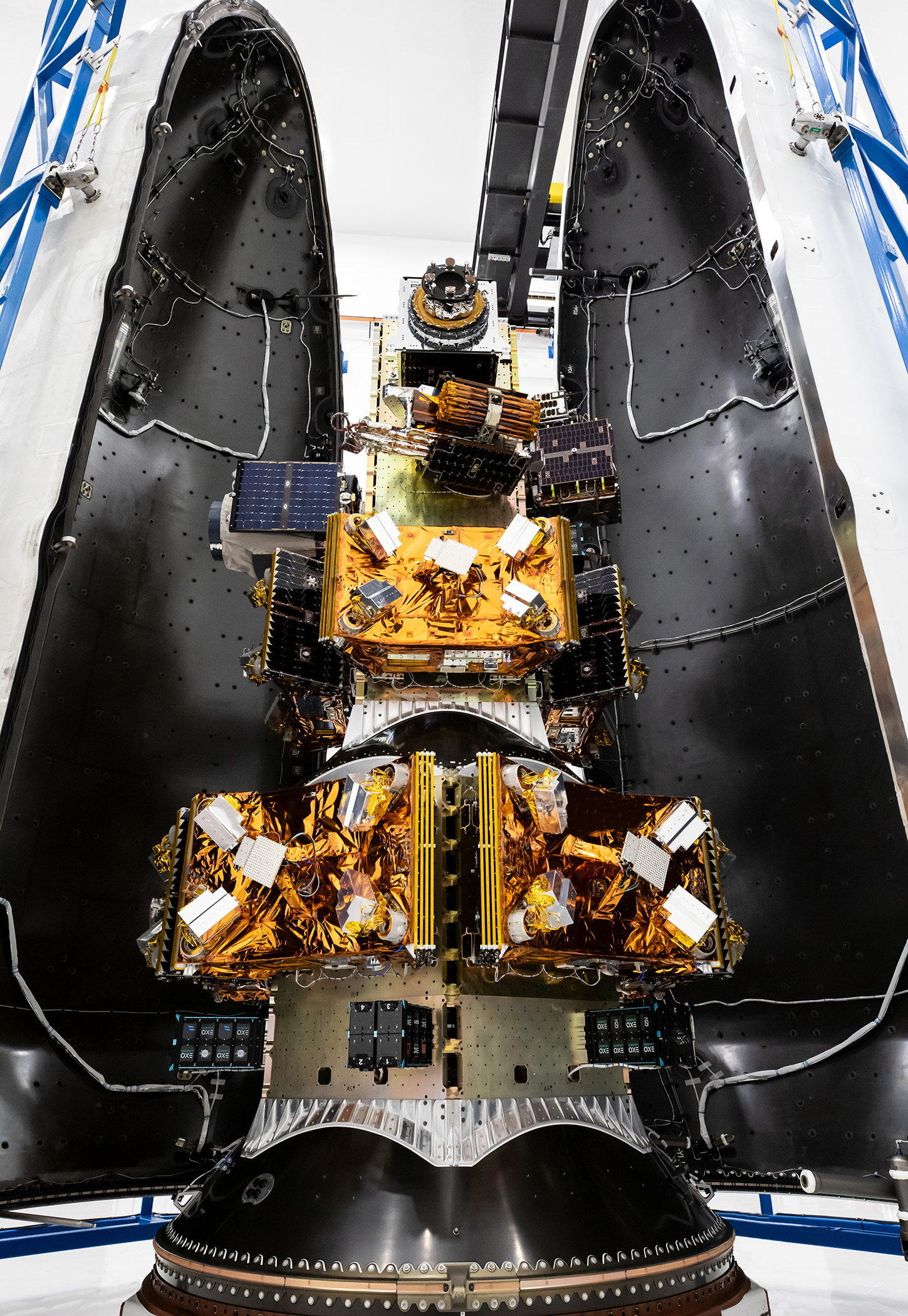
From Mission Concept to Orbit: A Step-by-Step Guide to Small Satellite Missions
A small satellite mission is a coordinated journey from concept definition and mission design to platform development, payload integration, testing, launch, licensing, operations, and data delivery. Through its end-to-end space services capabilities, Plan-S helps organizations transform mission objectives into reliable operational systems in orbit.
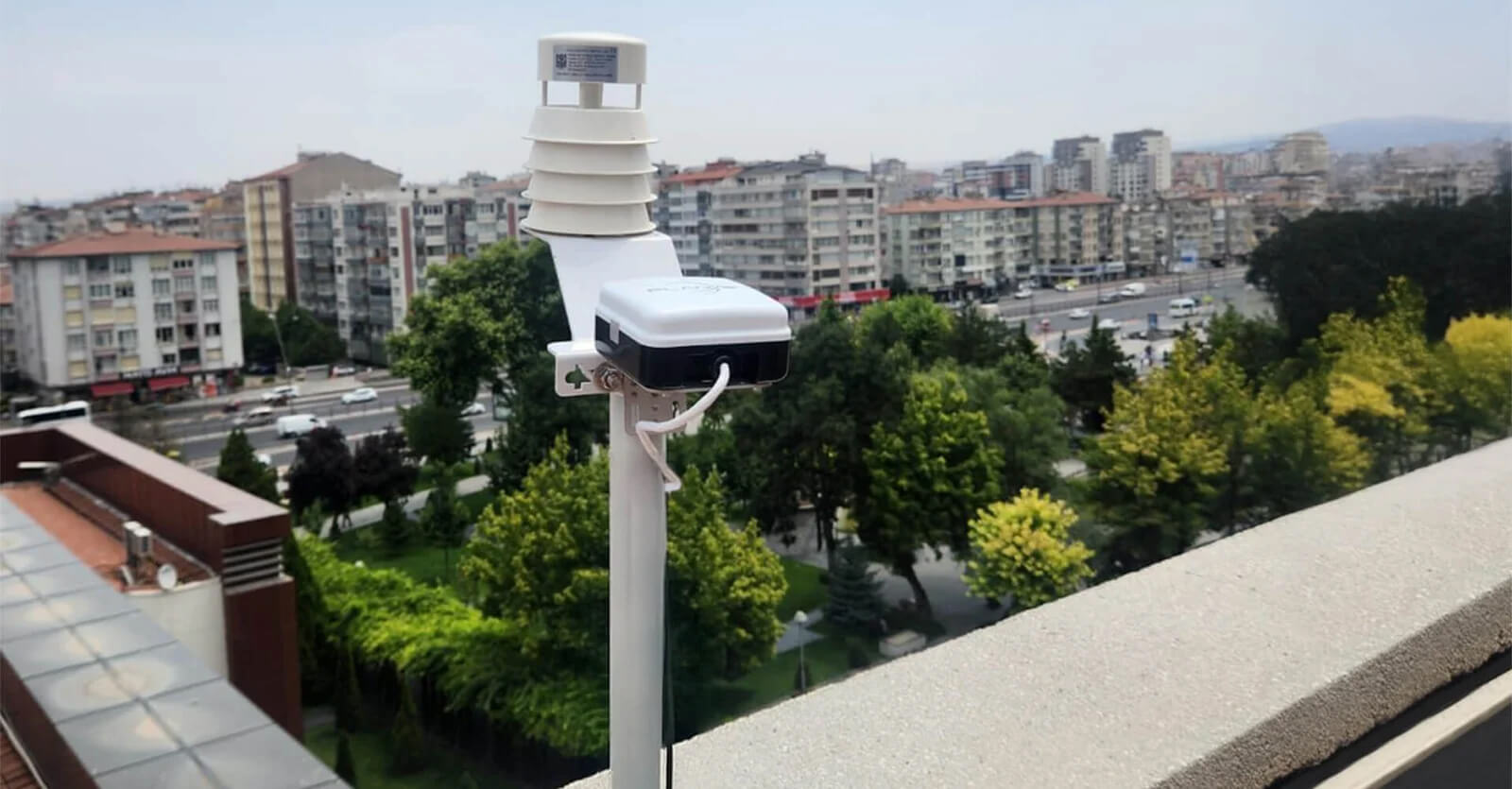
Weather Monitoring in Remote Areas: Keeping Environmental Data Flowing
Satellite IoT helps keep weather and environmental data flowing from remote monitoring points beyond terrestrial network coverage. Through Connecta, Plan-S enables reliable data transmission from distributed sensors and weather stations, supporting better planning, early warning, risk reduction, and long-term environmental visibility.
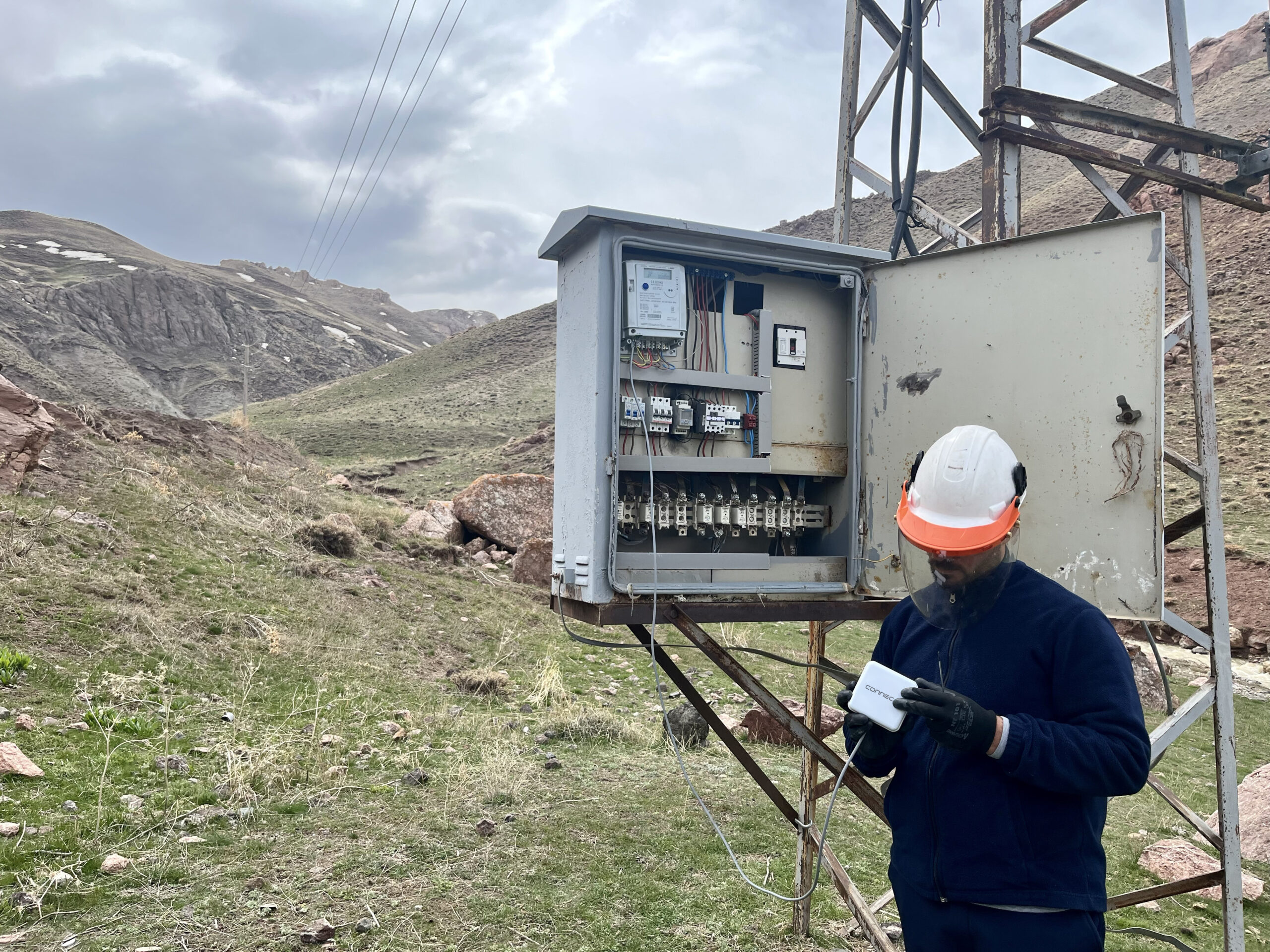
Smart Meter Reading in Remote Areas: How Satellite IoT Reduces Field Visits
Satellite IoT enables utilities to collect smart meter data from remote areas beyond terrestrial network coverage. Through Connecta Smart Meter Reader Modems and the Connecta IoT Network, Plan-S helps utilities reduce unnecessary field visits, improve data continuity, and maintain visibility across distributed service areas.
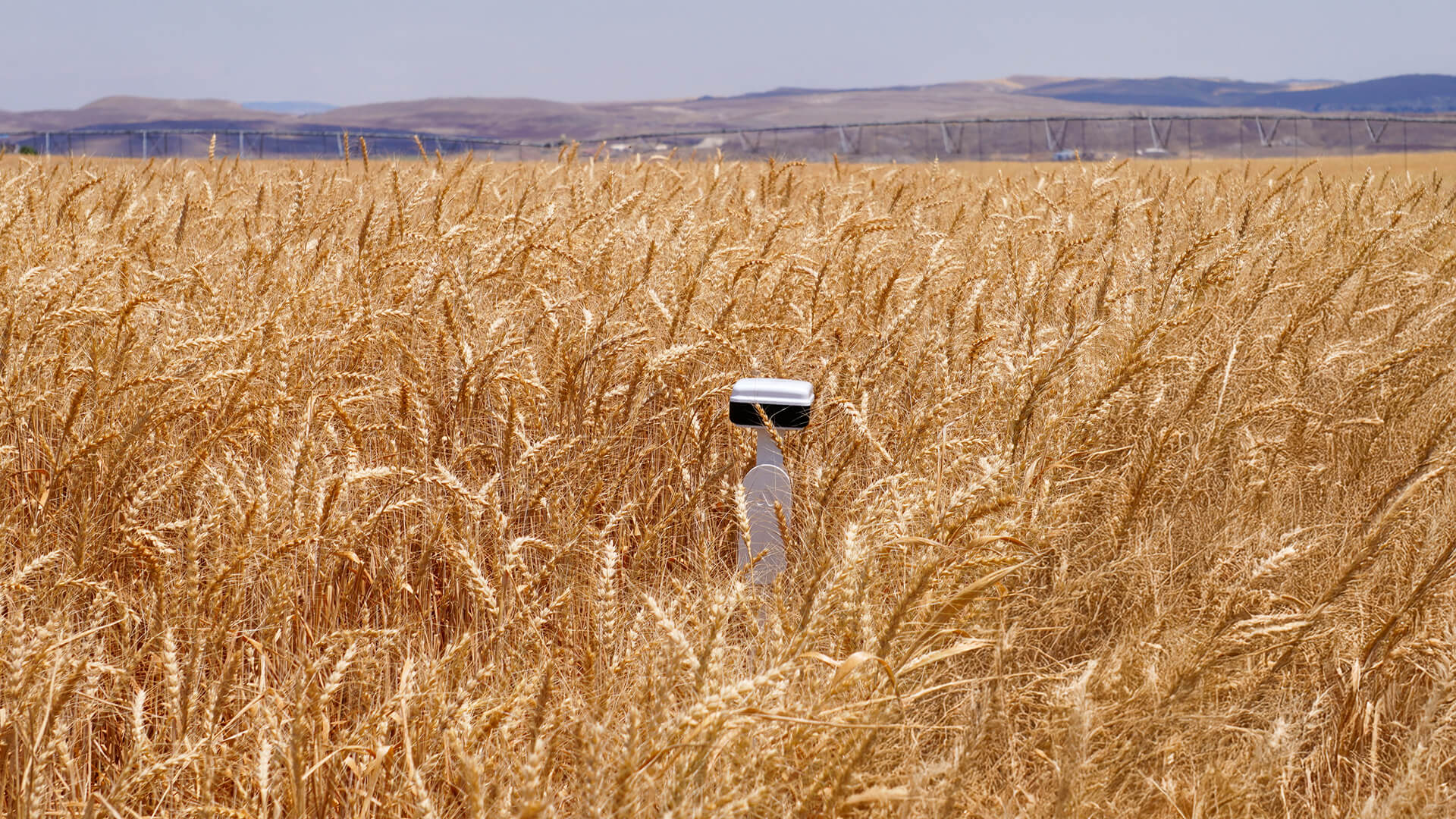
Satellite IoT for Agriculture: From Soil Data to Smarter Irrigation
Satellite IoT helps agricultural teams collect soil, irrigation, and field data from remote areas beyond terrestrial network coverage. Through Connecta, Plan-S enables smarter irrigation planning, improved resource management, and greater visibility across distributed agricultural operations.
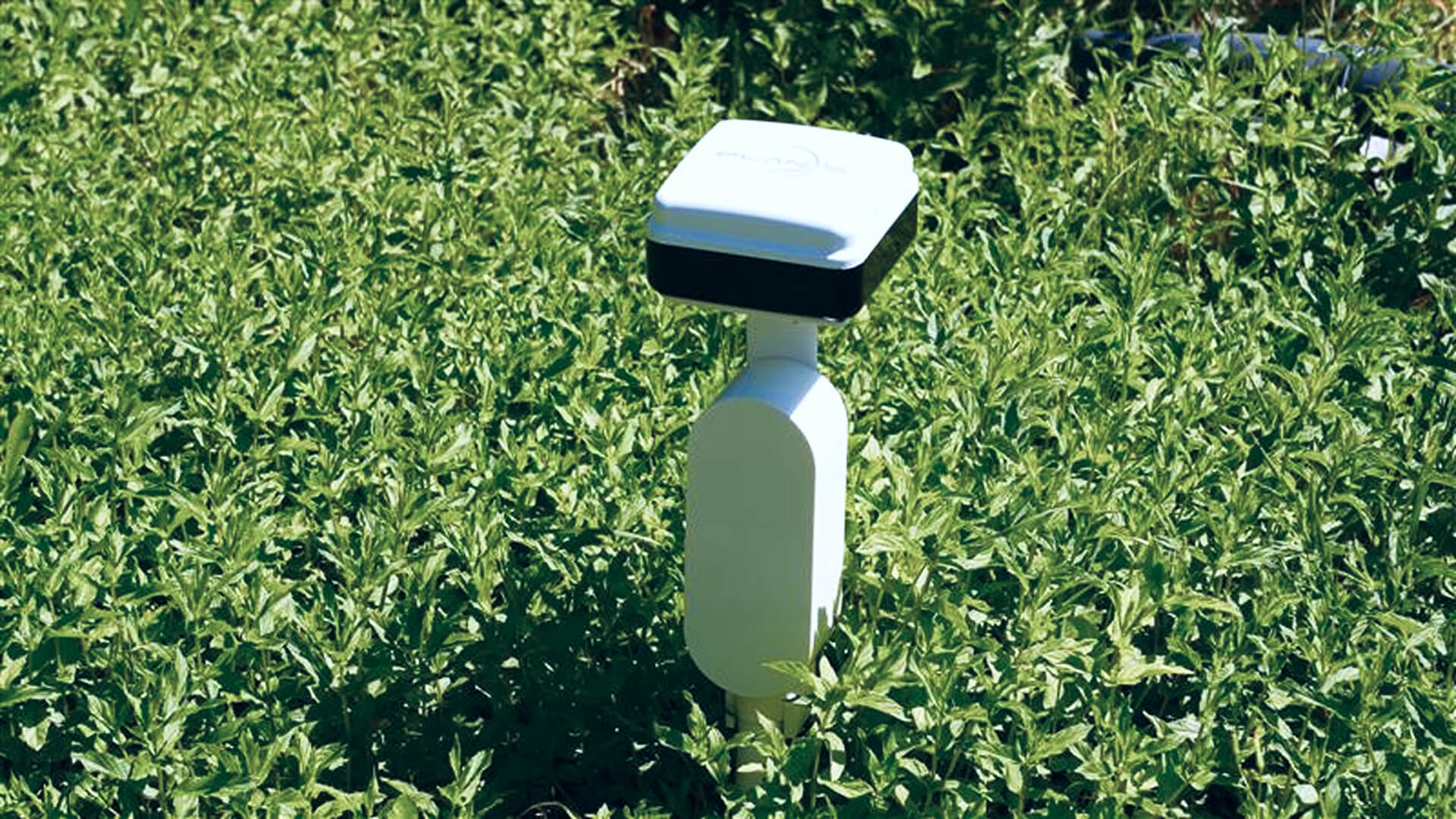
How LoRaWAN-Compatible Satellite IoT Enables Low-Power Data Transmission
LoRaWAN-compatible satellite IoT enables low-power data transmission from remote sensors, meters, trackers, and infrastructure assets operating beyond terrestrial coverage. Through Connecta, Plan-S combines satellite connectivity, IoT hardware, network infrastructure, and operational tools to support efficient, scalable, and long-term remote monitoring.
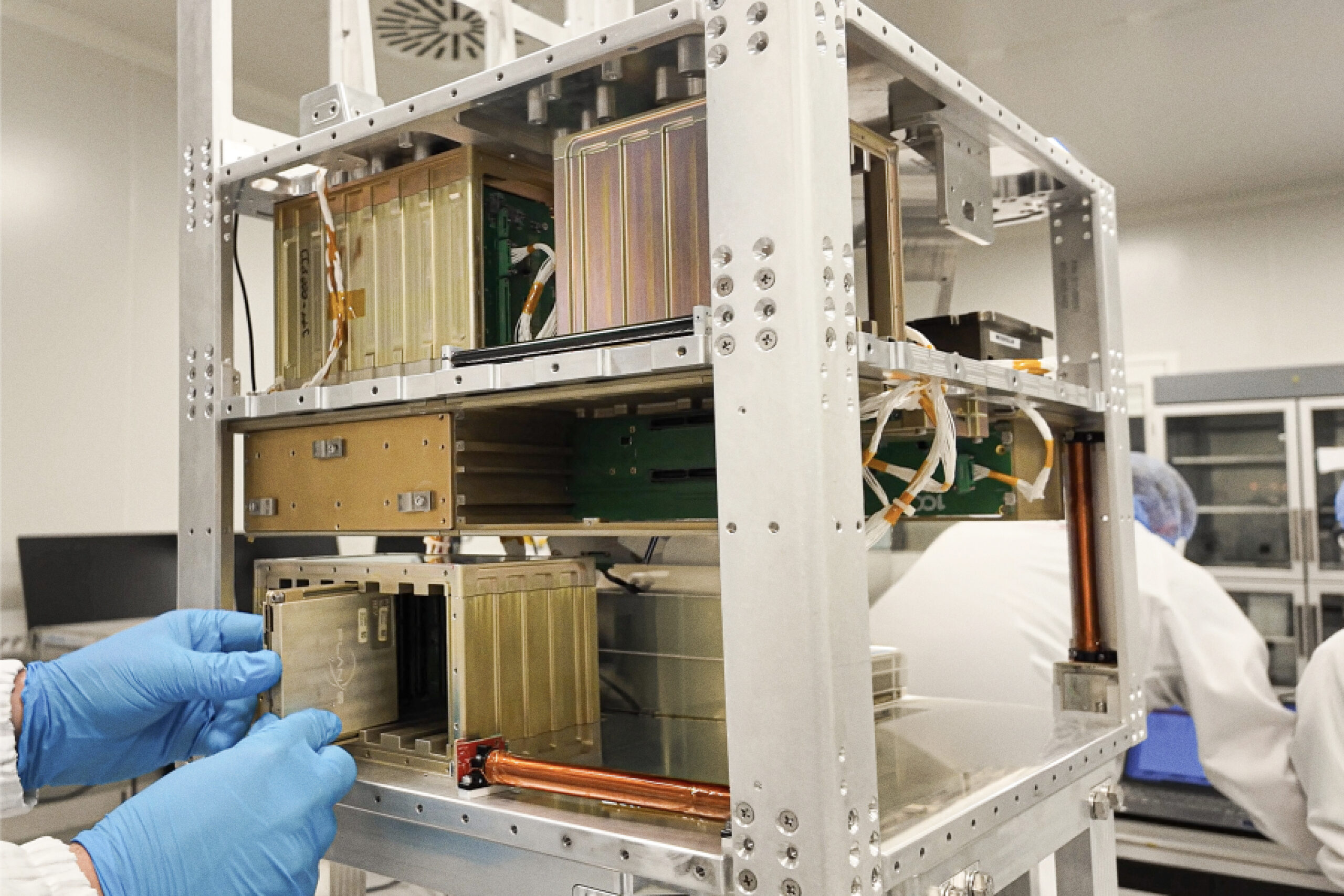
Hosted Payload Missions: A Faster Route to Flight Heritage
Hosted payload missions provide a practical route to in-orbit validation by allowing organizations to test sensors, communication systems, scientific instruments, and experimental payloads on existing spacecraft platforms. By building on Plan-S’ mission heritage and end-to-end space services capabilities, organizations can gain flight heritage while reducing the complexity of developing a dedicated satellite mission.