

How End-to-End Satellite Services Reduce Mission Complexity
End-to-end satellite services reduce mission complexity by bringing mission design, spacecraft development, payload integration, testing, launch coordination, ground segment, data systems, and in-orbit operations under one integrated framework. With a single accountable mission partner, organizations can move from concept to orbit with greater clarity, control, and operational continuity.

June 24, 2026

9 minute reading
#cubesat
#microsat
Satellite missions are complex by nature.
They bring together engineering, manufacturing, payload integration, testing, launch coordination, regulatory processes, ground infrastructure, data systems, and in-orbit operations. Each layer is critical. Each decision affects the next. Each dependency can influence cost, schedule, performance, and mission success.
For organizations entering the space domain, this complexity can become one of the biggest barriers to execution.
The challenge is rarely understanding the value of satellite capabilities. Organizations already recognize the role of space in connectivity, Earth observation, environmental monitoring, IoT, secure communications, technology validation, and data-driven services.
The real challenge is managing the path from mission concept to operational capability.
When different parts of a satellite mission are handled by separate vendors, complexity can multiply quickly. What begins as a technically feasible project can become difficult to coordinate, difficult to control, and difficult to scale.
End-to-end satellite services address this challenge by bringing the complete mission lifecycle under one integrated framework.
Instead of managing multiple suppliers across design, manufacturing, launch, ground segment, and operations, organizations work with a single accountable mission partner responsible for aligning the full system from concept to service delivery.
The Hidden Cost of Fragmented Mission Structures
Traditional satellite programs often depend on multiple suppliers.
One team may design the spacecraft platform. Another may integrate the payload. A different provider may manage launch logistics. Another organization may support ground stations, mission control, or data delivery. Each supplier may perform its own role effectively, but the interfaces between them can introduce risk.
On paper, this division of responsibility may seem manageable.
In practice, every interface becomes a potential source of misalignment.
Different technical standards, disconnected workflows, unclear ownership, communication gaps, and late-stage integration issues can slow progress. When a problem appears, teams may spend valuable time not only solving it, but first determining where it originated and who is responsible for resolving it.
These inefficiencies affect more than project management.
They can influence system performance, launch readiness, cost control, regulatory timelines, operational continuity, and long-term mission reliability.
In satellite missions, complexity is not only technical. It is also organizational.
Reducing that complexity requires a more integrated approach.
A Single-Responsibility Model for Satellite Missions
An end-to-end satellite service model replaces fragmented accountability with a unified structure.
A single team oversees mission design, spacecraft development, subsystem coordination, payload integration, assembly, testing, launch coordination, ground segment implementation, and in-orbit operations.
This creates clearer ownership across the mission lifecycle.
Technical trade-offs are evaluated within the full mission context rather than within isolated subsystems. If a payload requirement affects platform architecture, power allocation, thermal design, or data handling, the impact can be assessed across the entire system. If a launch schedule affects testing or integration timelines, the plan can be adjusted through one coordinated framework.
This approach simplifies decision-making.
Changes can be managed without unnecessary friction between separate suppliers. Risks can be identified earlier. Responsibilities remain clear. Communication becomes more direct. Program execution becomes more predictable.
The value of a single-responsibility model is not only smoother coordination. It is stronger mission control from the earliest concept stage to operational service in orbit.
Maintaining Schedule and Cost Control
Satellite missions operate under strict constraints.
Launch windows are fixed. Regulatory processes follow defined timelines. Testing schedules must align with integration milestones. Ground infrastructure must be ready before operations begin. Delays in one area can quickly affect the rest of the mission.
In multi-vendor environments, even small misalignments can create cascading delays.
A late payload delivery may affect integration. A software update may delay testing. An interface issue may require redesign. A regulatory dependency may shift the mission timeline. Every disconnected responsibility introduces another point of potential schedule risk.
End-to-end satellite services reduce this risk by aligning all phases within a single operational plan.
Scheduling becomes coordinated rather than negotiated across independent parties. Engineering, manufacturing, testing, launch preparation, licensing support, ground segment readiness, and operations planning are managed as connected parts of the same mission lifecycle.
Cost control follows the same logic.
When responsibilities are fragmented, financial planning can become more vulnerable to unexpected changes, interface issues, rework, delays, and vendor dependencies. With a clearer view of the full mission stack, organizations can plan more accurately and reduce the risk of uncontrolled cost escalation.
An integrated mission model does not remove every uncertainty. Space missions will always involve risk. But it helps organizations manage that risk with greater visibility, structure, and accountability.
Operational Continuity Across the Mission Lifecycle
A satellite mission does not end at launch.
In many ways, launch is the transition point between development and operations.
A spacecraft must be commissioned, monitored, commanded, and maintained in orbit. Payload data must be downlinked, processed, routed, and delivered. Ground systems must support communication and control. Operational workflows must ensure service continuity throughout the mission lifetime.
This is why continuity between development and operations matters.
Systems designed during early mission phases must integrate seamlessly with ground infrastructure, mission control, data platforms, and customer applications. If these layers are treated as separate additions after launch, operational complexity can increase.
End-to-end services maintain continuity by keeping the same mission framework active from concept to operations.
The team that understands the mission architecture remains involved through deployment and service delivery. Ground segment planning is aligned with spacecraft design. Data handling is considered during mission architecture. Operations are prepared before launch, not improvised afterward.
This consistency reduces the disconnect that can occur when responsibility shifts between organizations.
It also supports long-term reliability.
A satellite mission is most effective when the spacecraft, ground segment, data layer, and operational tools are designed to work together from the beginning.
The Complete Mission Stack Approach
A fully integrated satellite service model treats the mission as one system made of interconnected elements.
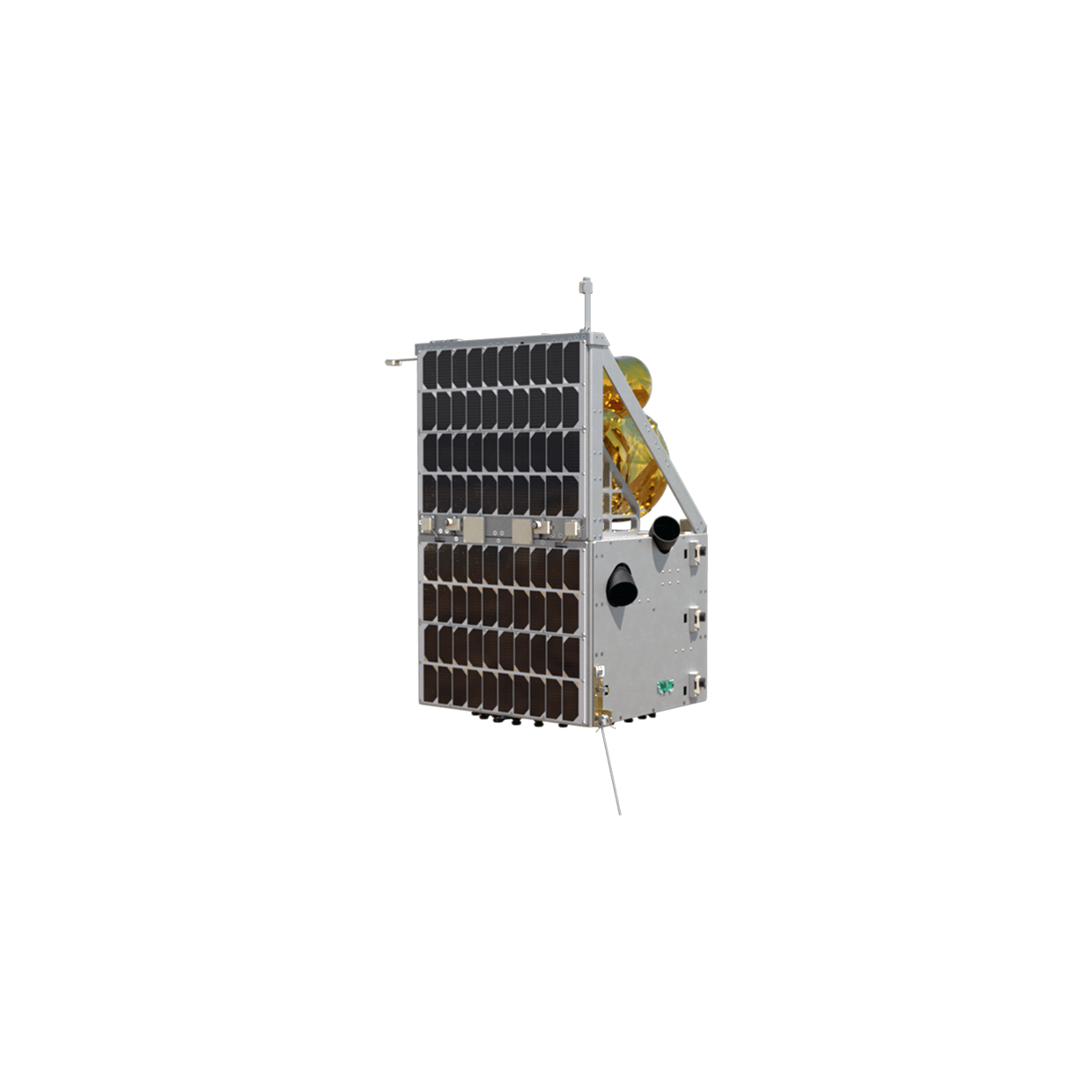
The space segment includes the satellite platform, payload, onboard systems, communication links, power architecture, thermal design, attitude control, and flight software.
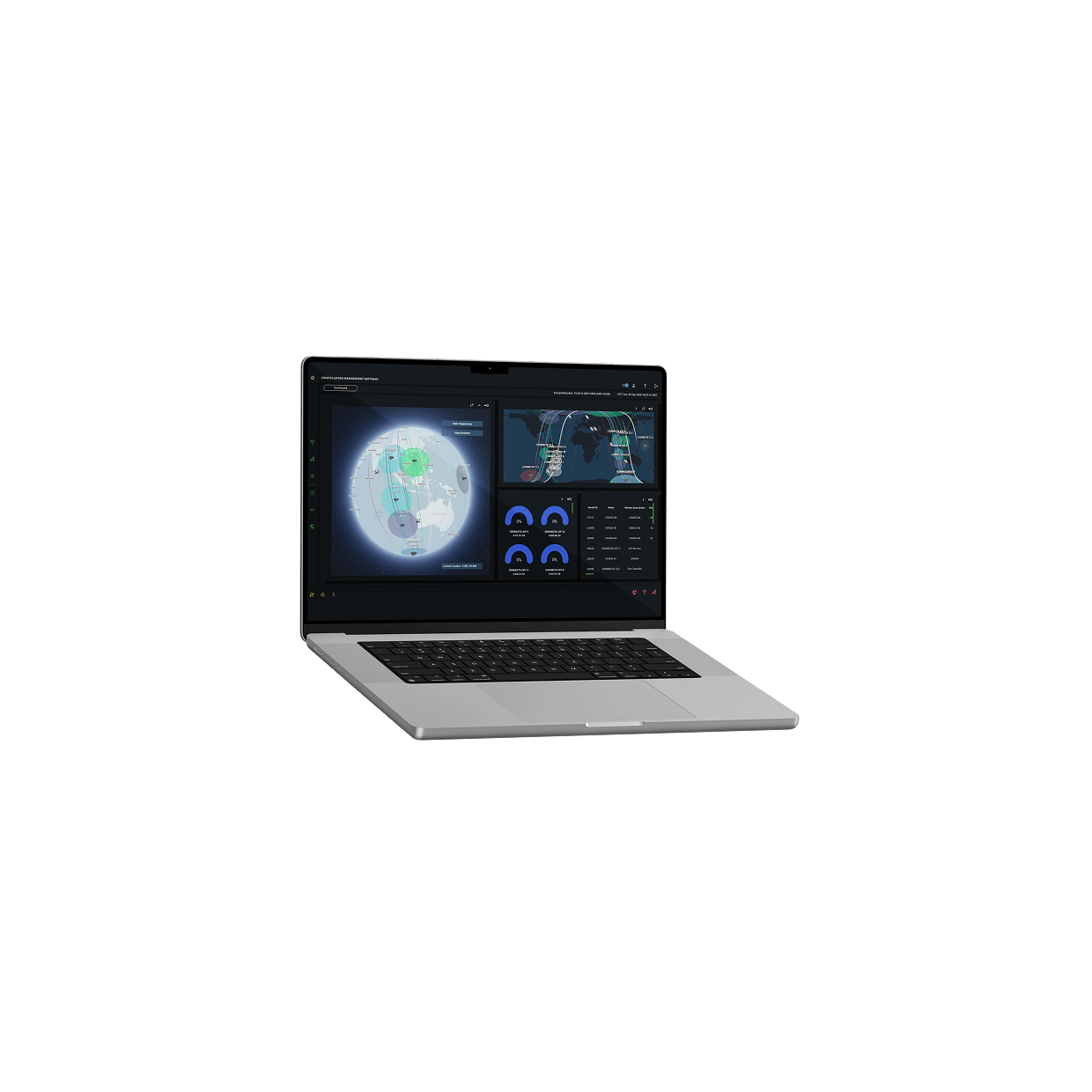
The ground segment includes ground stations, telemetry, tracking and command systems, mission control infrastructure, data downlink, processing systems, and operational dashboards.
The data layer connects satellite outputs to users through cloud-based tools, APIs, analytics platforms, and customer applications.
Each layer must be designed with awareness of the others.
Data formats, communication protocols, mission schedules, command structures, payload operations, and user requirements should align from the beginning. When they do, the mission becomes easier to manage, easier to operate, and easier to scale.
This removes the need for complex retrofitting later in the lifecycle.
The systems are not forced to work together after development. They are built to function together from the start.
That is one of the main advantages of an end-to-end mission approach.
Reducing Complexity Without Reducing Capability
Simplifying a satellite mission does not mean limiting what the mission can achieve.
In fact, reducing structural complexity often improves overall performance.
When integration risks are lower, decision-making is clearer, and operational pathways are better defined, teams can focus more effectively on mission objectives. Resources can be directed toward delivering value rather than managing coordination challenges.
This is especially important for organizations that need advanced space capabilities but do not want to build internal expertise across every technical domain.
A telecom operator may need satellite-enabled connectivity. A government agency may need sovereign space capabilities. An energy company may need remote monitoring. A research institution may need in-orbit validation. A technology company may need hosted payload access. A utility provider may need satellite IoT for distributed assets.
Each organization has a different mission objective.
But all of them benefit from a clearer path to space.
End-to-end satellite services provide that path by keeping technical depth intact while reducing the burden of managing every engineering, operational, and regulatory layer independently.
Plan-S’ End-to-End Satellite Services Capability
At Plan-S, satellite missions are approached as complete operational systems.
Plan-S brings together mission design, spacecraft platform development, subsystem engineering, satellite manufacturing, payload integration, assembly, integration and testing, launch coordination, ground segment implementation, data infrastructure, and in-orbit operations under one integrated framework.
This end-to-end capability helps organizations move from mission concept to operational service with greater clarity.
Instead of managing multiple vendors across separate mission layers, customers can work with a single accountable team that understands the full mission architecture and owns the execution pathway.
Plan-S’ in-house capabilities support tighter coordination across critical stages of the mission lifecycle. Engineering decisions can be aligned with manufacturing realities. Payload requirements can be assessed against platform capacity. Ground segment planning can be connected to mission operations. Data delivery can be considered from the beginning, not added as an afterthought.
Through spacecraft platform families such as CubeCore and MicroCore, Plan-S can support different mission classes, from compact CubeSat missions to more capable microsatellite systems. This flexibility allows organizations to select a mission architecture aligned with their payload needs, performance requirements, schedule, budget, and long-term growth plans.
Whether the mission involves connectivity, Earth observation, satellite IoT, hosted payload validation, secure communications, technology demonstration, or data-driven services, Plan-S supports the full path from concept to orbit and from orbit to operational value.
From Mission Concept to Service Delivery
The value of an end-to-end satellite service model becomes clear when the mission is viewed as a continuous chain.
The mission begins with an objective. That objective becomes a system architecture. The architecture defines the platform, payload, orbit, communication strategy, and ground segment. The spacecraft is manufactured, integrated, tested, launched, commissioned, operated, and connected to data systems that deliver value to users.
Each stage depends on the one before it.
If the chain is broken, risk increases. If the chain is managed as one system, execution becomes clearer.
This is why end-to-end services are especially valuable for organizations that need reliable access to space-based capabilities without building a complete space program internally.
The goal is not only to launch a satellite.
The goal is to deliver a functioning capability that supports real-world decisions, services, and operations.
Building a More Direct Path to Orbit
Satellite missions will never be simple.
They involve physics, engineering, regulation, launch coordination, orbital operations, and global infrastructure. But the way that complexity is managed can become more structured, more efficient, and more predictable.
An end-to-end approach replaces fragmentation with clarity.
It creates a direct line from mission concept to operational service, where each stage supports the next without unnecessary friction. Instead of navigating a maze of suppliers, interfaces, and shifting responsibilities, organizations can move forward with one accountable mission partner and a clearly defined execution model.
For space missions, this clarity is not a convenience.
It is a requirement.
In a domain where timing, precision, and reliability matter, integrated execution can make the difference between a project that reaches orbit and a mission that delivers lasting operational value.
At Plan-S, end-to-end satellite services are designed around that principle.
Because the future of space access is not only about building satellites.
It is about turning mission objectives into reliable space-based capabilities.
BLOG
Related Insights
Explore how space assets and ground infrastructure work together, use cases, architectures, and field results from Plan-S projects.


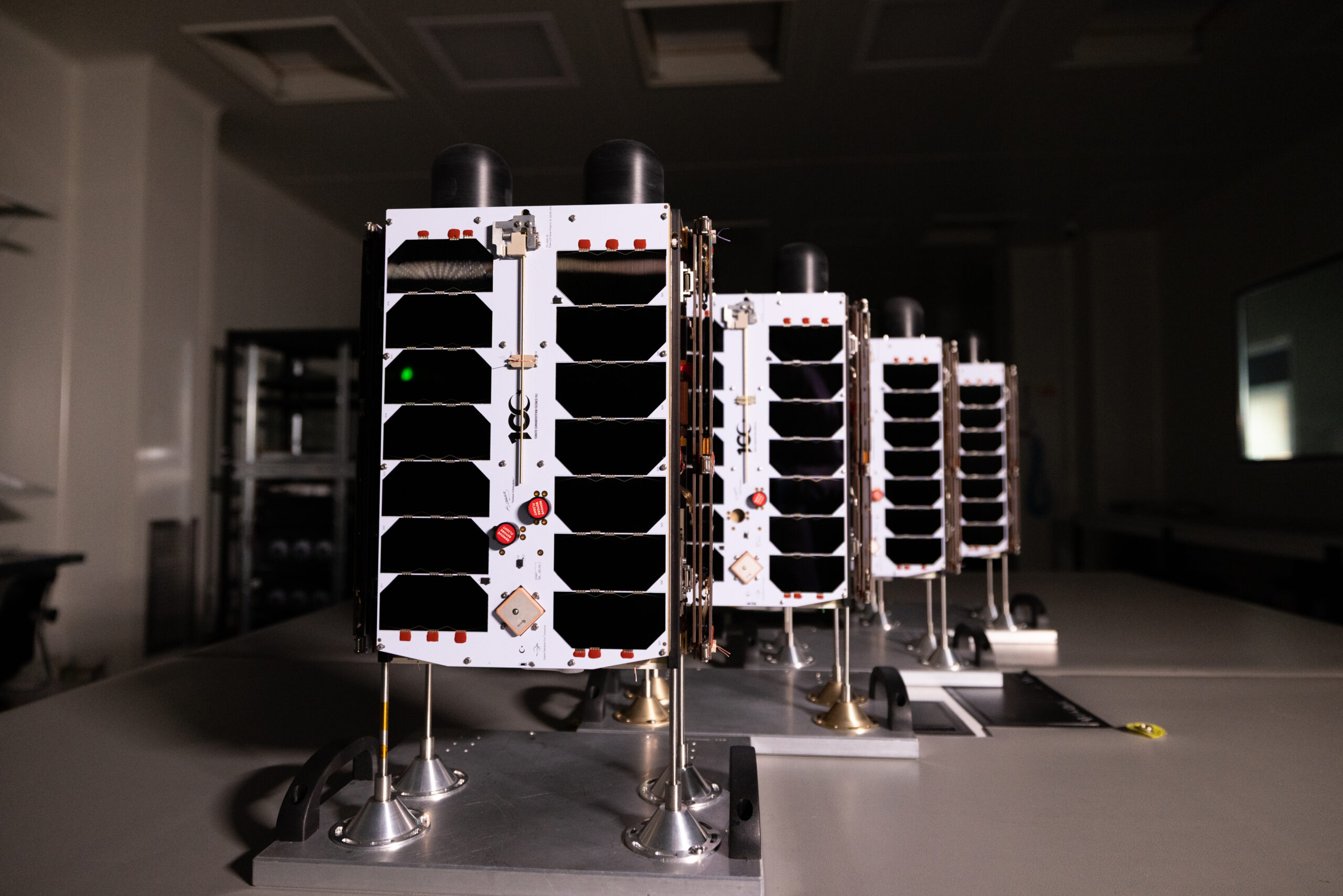
The Role of Systems Engineering in Small Satellite Mission Success
Systems engineering connects payload, power, thermal control, ADCS, communications, software, ground infrastructure, and operations into a coherent mission architecture. For small satellite missions, this system-level approach helps reduce integration risk, improve reliability, and ensure that every subsystem supports the mission objective.

LEOP Explained: What Happens After a Satellite Reaches Orbit?
Launch and Early Orbit Phase, or LEOP, is the critical stage after deployment when a satellite establishes communication, undergoes health checks, activates subsystems, verifies orbit, checks payload performance, and transitions into routine operations. A successful LEOP turns a launched spacecraft into an operational asset capable of delivering mission value.
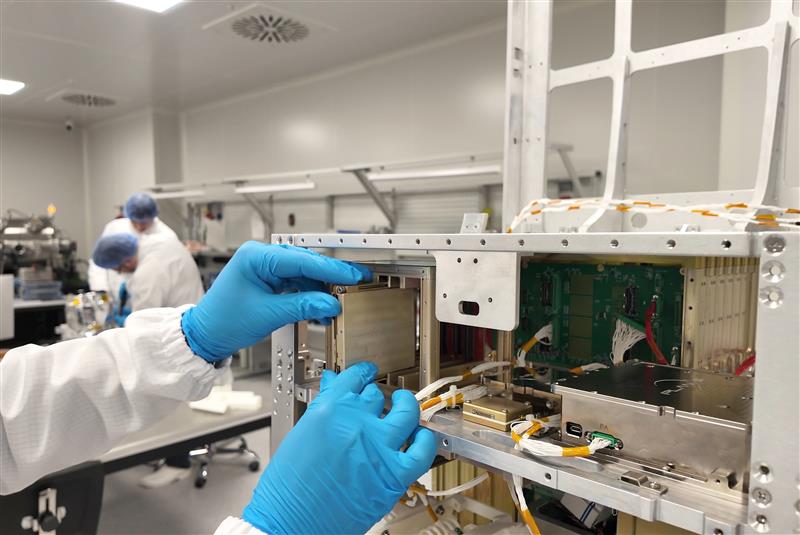
Payload Integration for Small Satellites: What Mission Teams Should Know
Payload integration is a system-level process that aligns mechanical, electrical, thermal, data, software, and operational requirements within the spacecraft architecture. For small satellite missions, successful integration helps reduce risk, validate mission readiness, and ensure that the payload can deliver reliable value in orbit.

Ground Segment 101: Why Satellites Need More Than Spacecraft to Deliver Value
A satellite alone creates potential, but the ground segment turns that potential into operational value. By connecting spacecraft to mission control, data downlink, processing systems, software platforms, and user applications, the ground segment enables satellites to deliver reliable information, control, and service continuity on Earth.
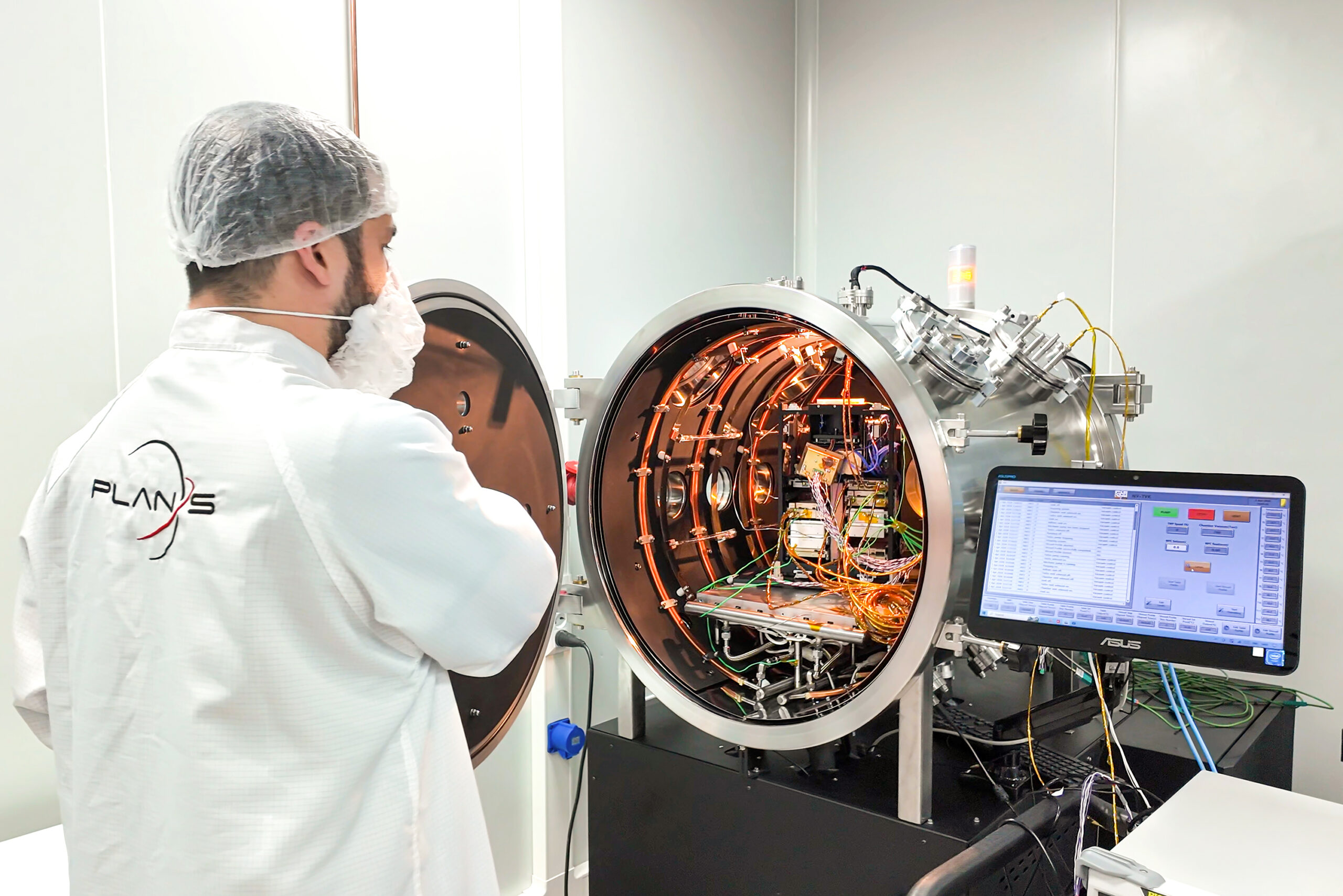
The Role of AIT in Building Reliable Small Satellites
Assembly, Integration, and Testing is one of the most critical phases in building reliable small satellites. By validating subsystems, interfaces, payload compatibility, environmental performance, and operational readiness before launch, AIT helps reduce mission risk and supports more predictable outcomes in orbit.
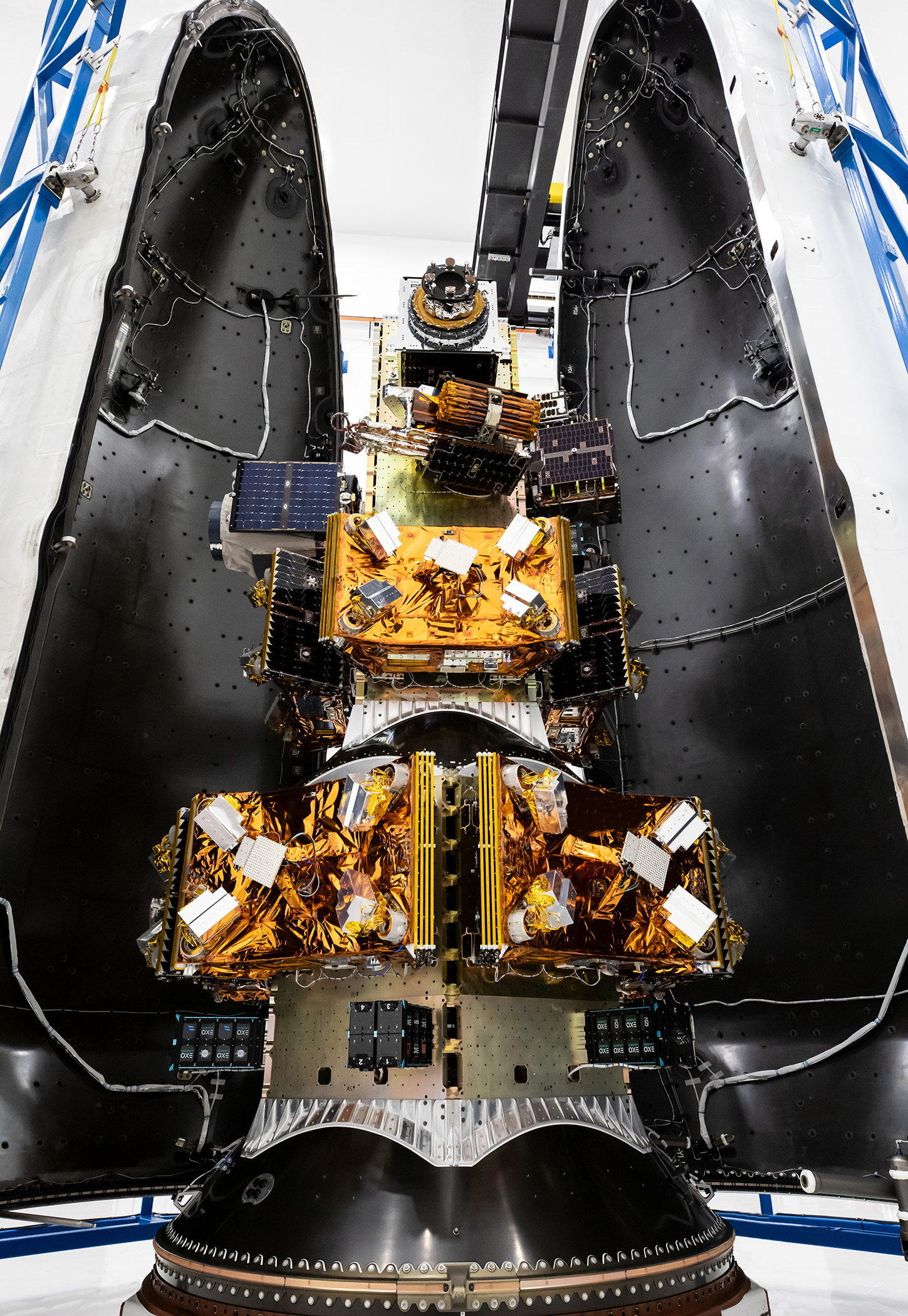
From Mission Concept to Orbit: A Step-by-Step Guide to Small Satellite Missions
A small satellite mission is a coordinated journey from concept definition and mission design to platform development, payload integration, testing, launch, licensing, operations, and data delivery. Through its end-to-end space services capabilities, Plan-S helps organizations transform mission objectives into reliable operational systems in orbit.
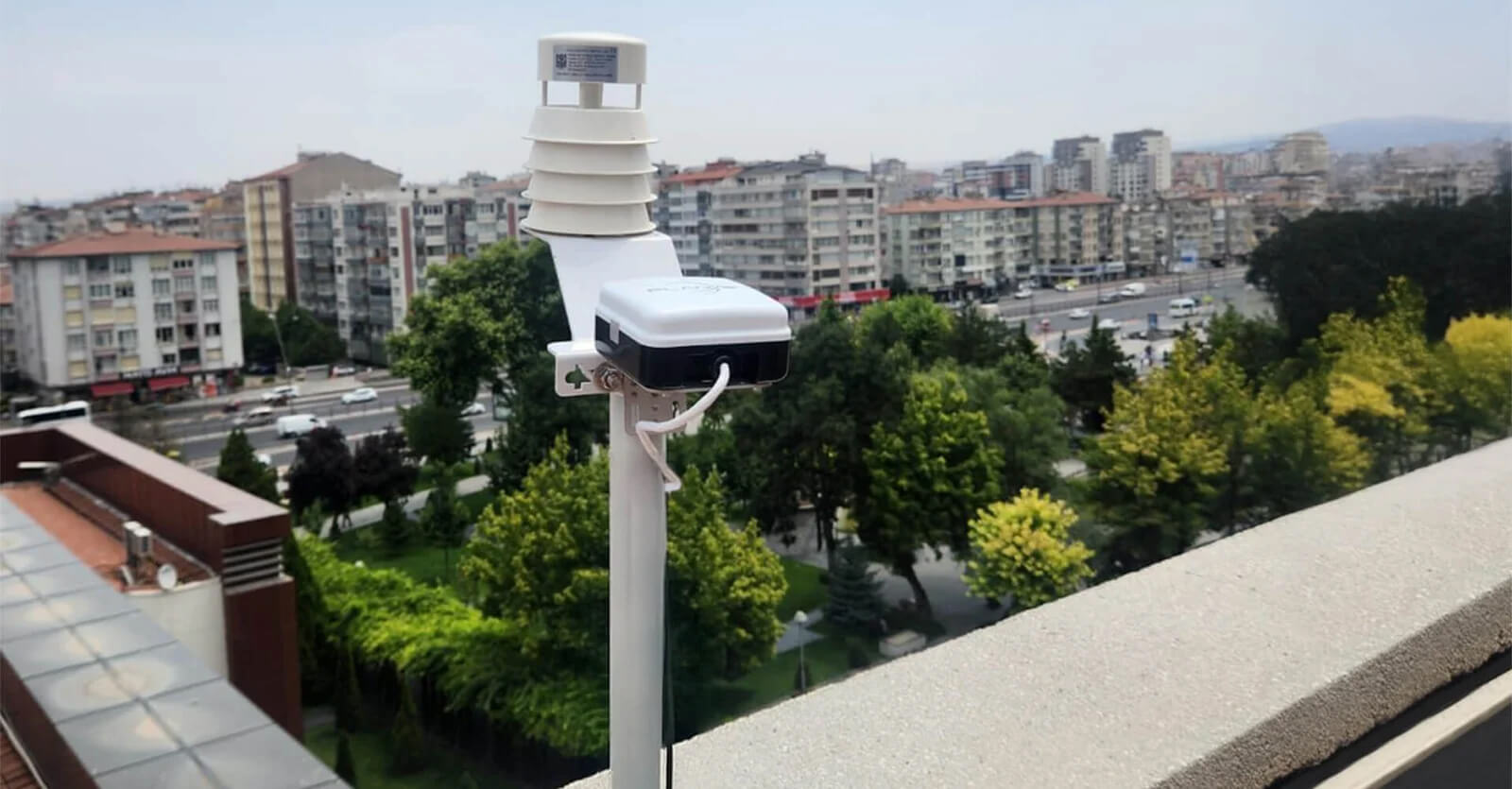
Weather Monitoring in Remote Areas: Keeping Environmental Data Flowing
Satellite IoT helps keep weather and environmental data flowing from remote monitoring points beyond terrestrial network coverage. Through Connecta, Plan-S enables reliable data transmission from distributed sensors and weather stations, supporting better planning, early warning, risk reduction, and long-term environmental visibility.
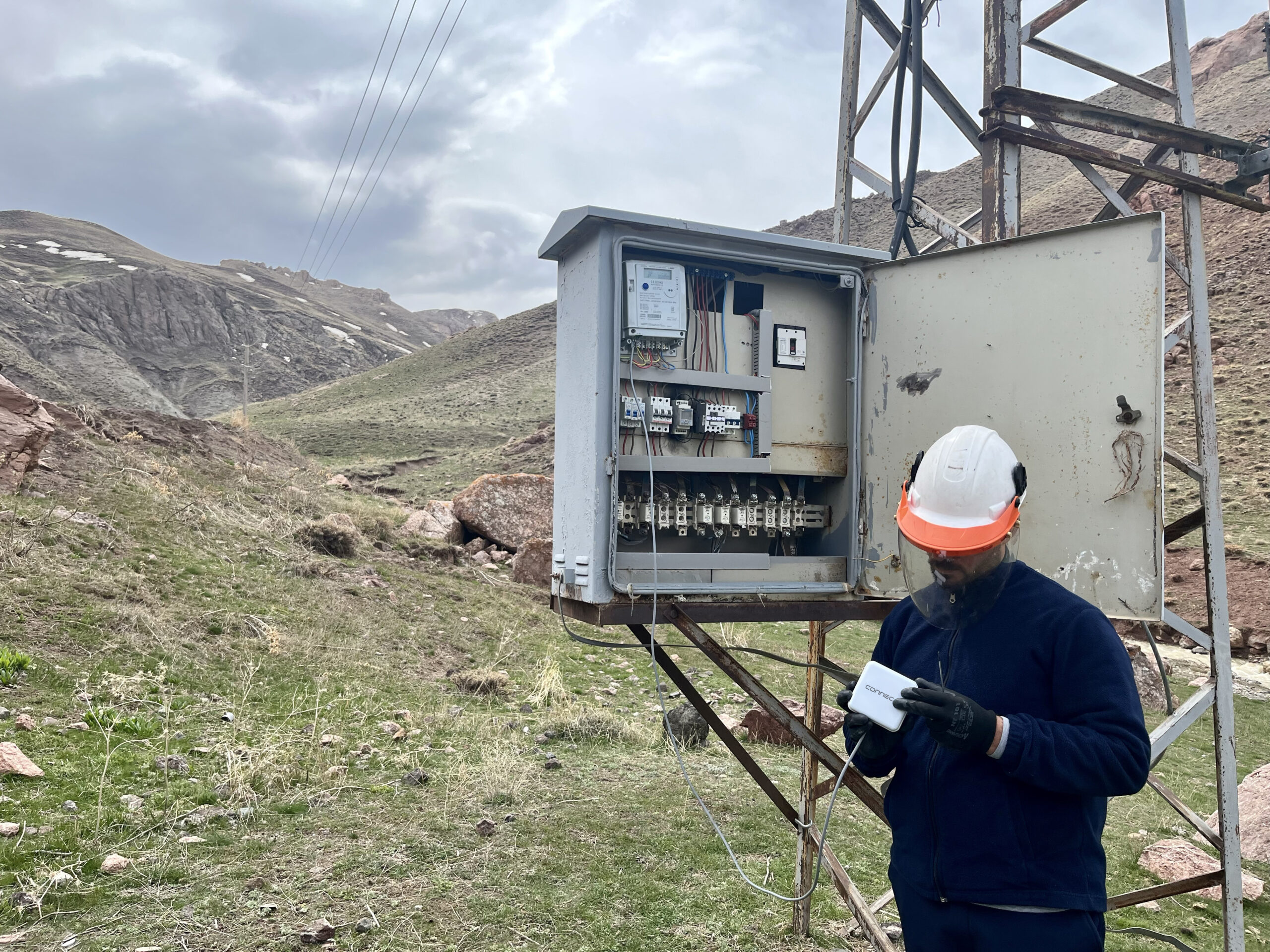
Smart Meter Reading in Remote Areas: How Satellite IoT Reduces Field Visits
Satellite IoT enables utilities to collect smart meter data from remote areas beyond terrestrial network coverage. Through Connecta Smart Meter Reader Modems and the Connecta IoT Network, Plan-S helps utilities reduce unnecessary field visits, improve data continuity, and maintain visibility across distributed service areas.

Satellite IoT for Agriculture: From Soil Data to Smarter Irrigation
Satellite IoT helps agricultural teams collect soil, irrigation, and field data from remote areas beyond terrestrial network coverage. Through Connecta, Plan-S enables smarter irrigation planning, improved resource management, and greater visibility across distributed agricultural operations.

How LoRaWAN-Compatible Satellite IoT Enables Low-Power Data Transmission
LoRaWAN-compatible satellite IoT enables low-power data transmission from remote sensors, meters, trackers, and infrastructure assets operating beyond terrestrial coverage. Through Connecta, Plan-S combines satellite connectivity, IoT hardware, network infrastructure, and operational tools to support efficient, scalable, and long-term remote monitoring.
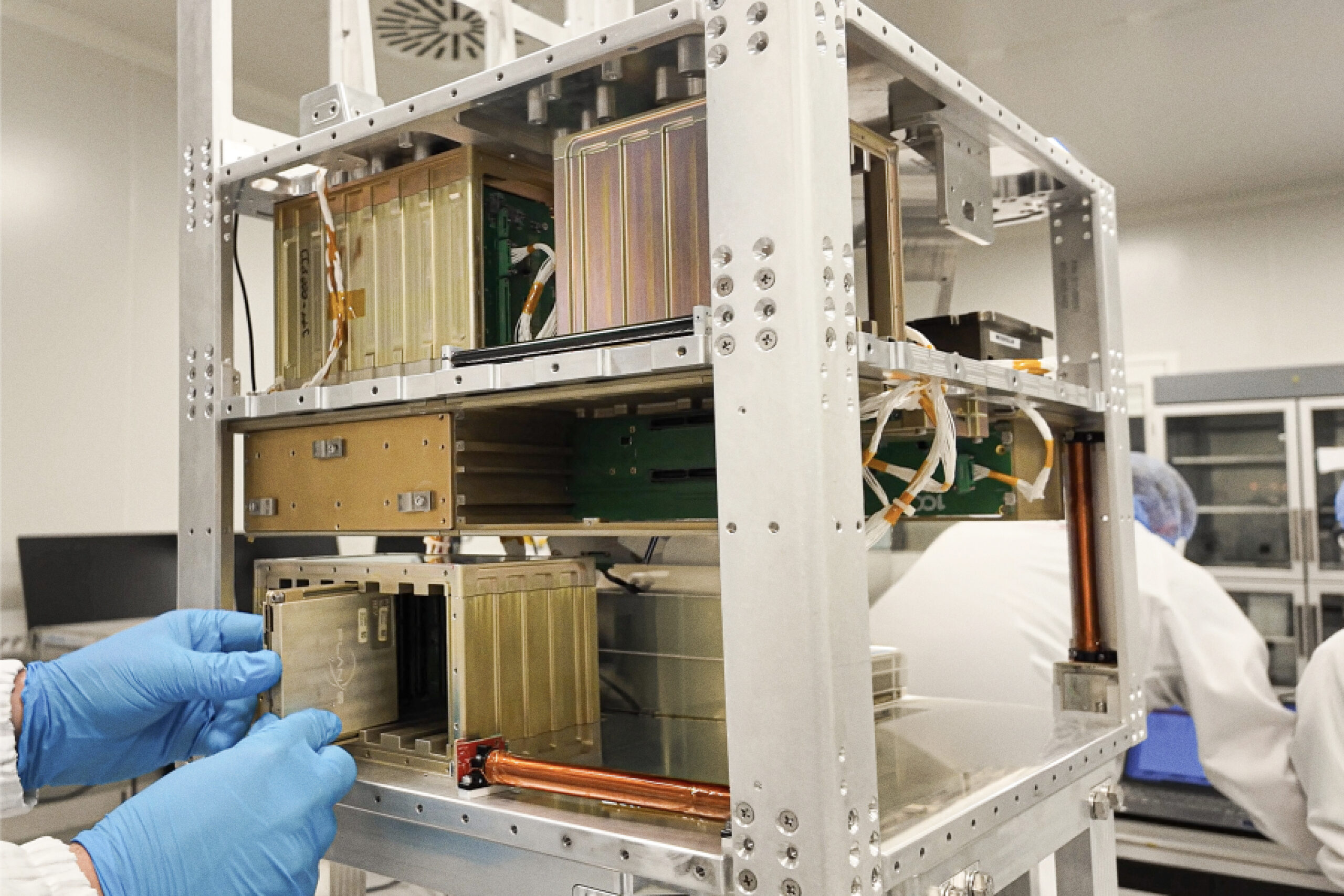
Hosted Payload Missions: A Faster Route to Flight Heritage
Hosted payload missions provide a practical route to in-orbit validation by allowing organizations to test sensors, communication systems, scientific instruments, and experimental payloads on existing spacecraft platforms. By building on Plan-S’ mission heritage and end-to-end space services capabilities, organizations can gain flight heritage while reducing the complexity of developing a dedicated satellite mission.
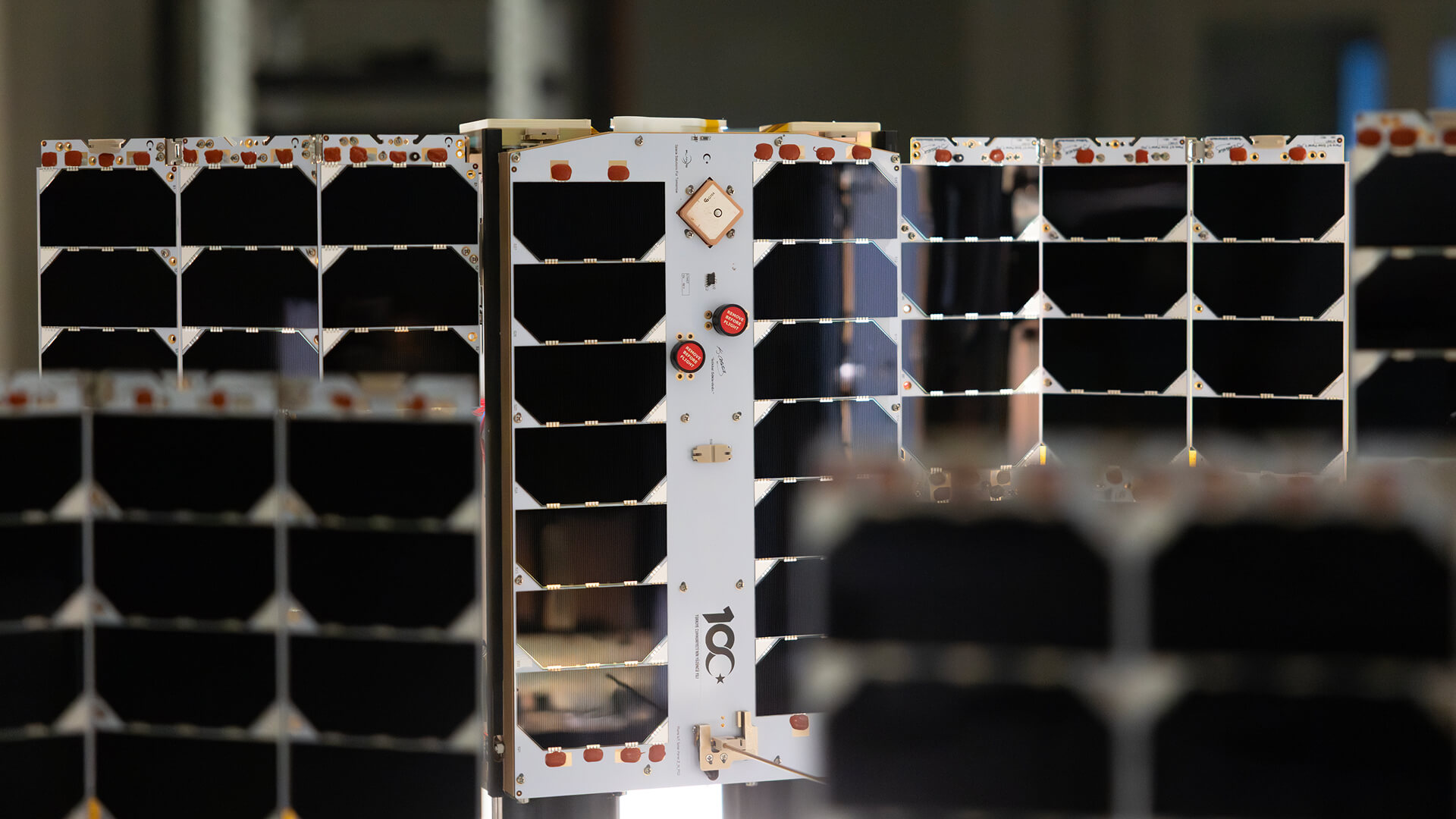
Why Flight Heritage Matters in Small Satellite Missions
Flight heritage gives satellite missions a stronger foundation by turning in-orbit experience into greater reliability, reduced uncertainty, and more mature spacecraft platforms. At Plan-S, each mission contributes to the evolution of flight-proven systems, supporting future missions from concept to orbit and from orbit to operational value.