

LEOP Explained: What Happens After a Satellite Reaches Orbit?
Launch and Early Orbit Phase, or LEOP, is the critical stage after deployment when a satellite establishes communication, undergoes health checks, activates subsystems, verifies orbit, checks payload performance, and transitions into routine operations. A successful LEOP turns a launched spacecraft into an operational asset capable of delivering mission value.

June 25, 2026

10 minute reading
#cubesat
#microsat
A satellite launch is one of the most visible moments of any space mission.
It marks the successful completion of years of design, engineering, manufacturing, integration, testing, launch coordination, and mission planning. But reaching orbit is not the end of the mission. In many ways, it is the beginning of one of its most critical phases.
This phase is known as Launch and Early Orbit Phase, or LEOP.
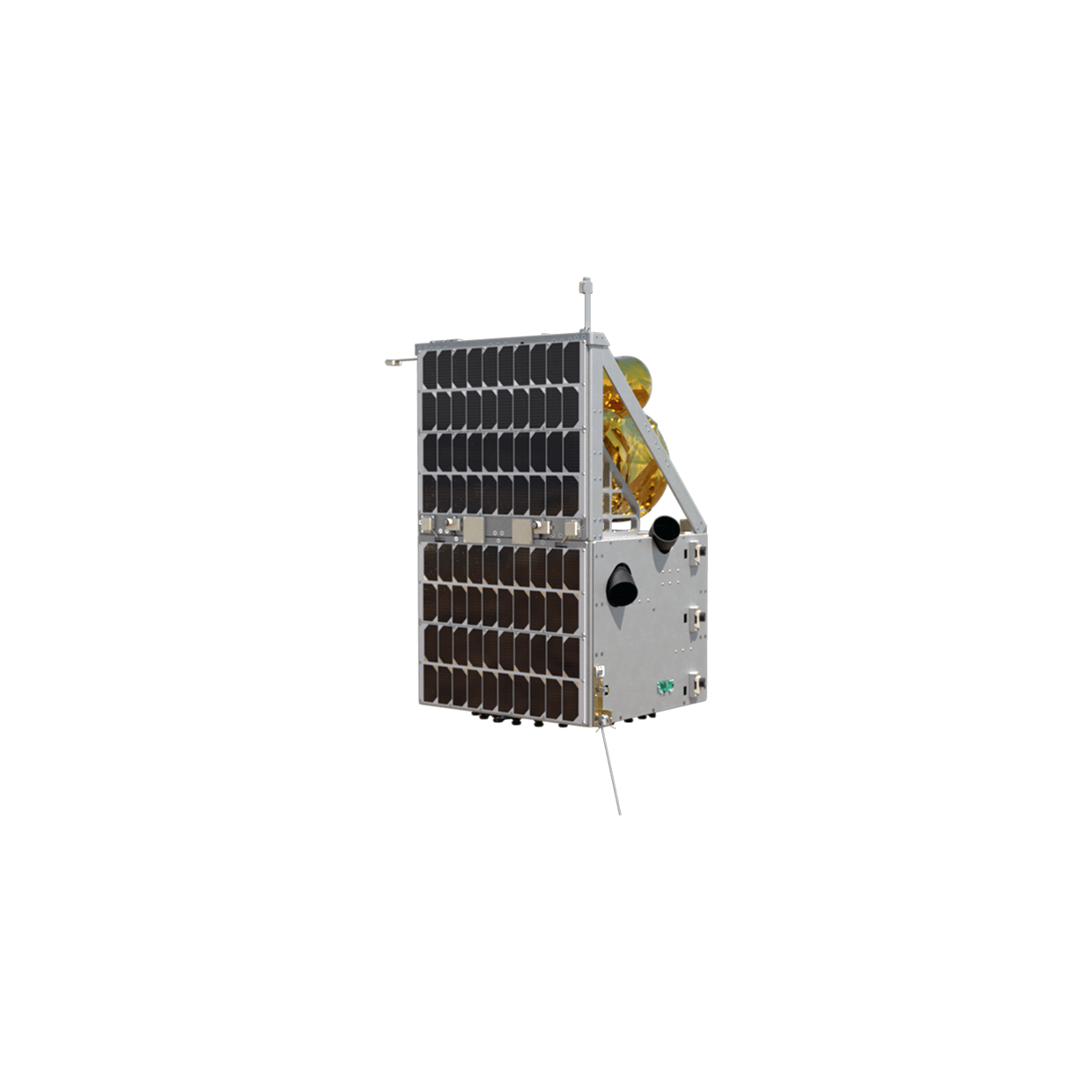
LEOP is the period immediately after a satellite separates from the launch vehicle and begins its first operations in space. During this stage, mission teams establish communication, assess spacecraft health, activate key subsystems, verify orbital parameters, check payload performance, and prepare the satellite for routine operations.
It is the moment when the spacecraft transitions from a launched object into an operational system.
Every subsystem, interface, software function, and design assumption is tested under real space conditions for the first time. Even after extensive ground testing, LEOP remains one of the most sensitive phases of the mission lifecycle because intervention is limited and timing is critical.
A successful LEOP creates the foundation for the entire mission.
First Contact: Establishing Communication
Once the satellite separates from the launch vehicle, the first priority is communication.
Ground stations begin searching for the satellite signal based on predicted orbital parameters and pass windows. Depending on the launch profile, orbit, deployment sequence, and ground station visibility, first contact may occur within minutes or hours after separation.
This first signal is one of the most important milestones in the mission.
It confirms that the satellite is alive, transmitting, and responsive. Telemetry begins to flow from the spacecraft to the ground, providing early insight into critical parameters such as battery status, power generation, onboard temperatures, attitude state, communication link stability, and subsystem health.
At this point, mission teams are not yet focused on full mission performance. The first objective is simpler and more urgent: confirm that the spacecraft has survived deployment and can communicate with Earth.
Without first contact, operators cannot assess spacecraft status, send commands, or begin the next steps of early orbit operations.
Health Checks and Initial Stabilization
After communication is established, operators begin a structured health assessment.
The satellite typically enters a predefined safe configuration designed to protect the spacecraft while minimizing operational risk. This safe state allows mission teams to evaluate the satellite’s condition before activating more complex systems or beginning payload operations.
During this stage, teams review power levels, battery behavior, thermal conditions, communication performance, onboard computer status, and attitude stability.
The goal is to understand whether the spacecraft is stable and controllable.
Any anomaly must be identified as early as possible. A small deviation in power generation, thermal behavior, communication response, or attitude control can become more serious if left unmanaged. Since physical intervention is not possible once the satellite is in orbit, early detection and rapid response are essential.
This stage is about survival, stability, and control.
Only after the spacecraft is confirmed to be healthy can the mission proceed to subsystem activation and functional validation.
Subsystem Activation and Functional Validation
Once the satellite is stable, individual subsystems are activated in a controlled sequence.
This methodical approach reduces risk. Activating every system at once may seem faster, but it can also make it harder to identify the source of a problem if something behaves unexpectedly.
Subsystem activation may include the attitude determination and control system, communication systems, onboard computers, data handling units, power distribution systems, thermal control elements, and other mission-critical components.
Each activation is followed by verification.
Commands are sent from the ground. Responses are received and analyzed. Telemetry is compared against expected values. System behavior is evaluated under real operating conditions.
This process helps confirm that each subsystem functions not only on its own, but also as part of the complete spacecraft architecture.
Functional validation is one of the most important parts of LEOP because it connects ground-based testing to real in-orbit performance. It shows whether the spacecraft behaves as expected after launch, deployment, and exposure to the space environment.
Orbit Verification and Adjustment
Even with precise launch planning, a satellite’s actual orbit may differ slightly from its intended parameters.
During LEOP, mission teams verify orbital characteristics such as altitude, inclination, position, velocity, and pass timing. This information is essential for communication planning, mission operations, coverage calculations, and long-term orbital management.
For some missions, small orbital differences may be acceptable. For others, orbit accuracy is critical.
Earth observation missions depend on coverage and revisit requirements. Communication missions depend on timing and link availability. Constellation missions depend on spacing and coordination between satellites. Hosted payload missions may require specific operational windows. Satellite IoT missions need predictable connectivity opportunities.
If the spacecraft includes propulsion or orbit control capability, correction maneuvers may be planned and executed when needed. These maneuvers help align the satellite with mission requirements and support long-term operational performance.
A satellite may be technically healthy, but if it is not positioned correctly for its mission, it may not be able to deliver the intended value.
This is why orbit verification is a key part of early operations
Payload Checkout and Calibration
After the platform is confirmed to be stable and operational, attention shifts to the payload.
The payload represents the purpose of the mission. It may be an imaging system, communication payload, IoT payload, scientific instrument, experimental technology, or hosted payload. During LEOP, mission teams begin checking whether the payload can operate safely and deliver the expected performance in orbit.
Payload checkout may include powering on the payload, verifying command response, checking data generation, validating data transmission, monitoring power and thermal behavior, and confirming compatibility with onboard systems.
For imaging payloads, this may involve capturing initial test data and performing calibration activities. For communication payloads, it may include validating link performance, throughput, signal quality, and operational modes. For IoT or hosted payload missions, it may involve confirming data flow, interface behavior, and mission-specific performance parameters.
This stage brings the mission’s objective into focus.
A satellite platform can be healthy, stable, and responsive, but the mission only begins delivering value when the payload performs as intended.
Payload checkout helps confirm that the satellite is ready to move beyond early operations and toward routine mission activity.
Transition to Routine Operations
Once the spacecraft platform and payload are validated, the satellite gradually transitions from LEOP to nominal operations.
During this transition, the mission shifts from intensive monitoring to structured operations. Communication windows become more predictable. Payload activities become regular. Data collection begins according to mission plans. Automation may take over routine command execution, pass scheduling, telemetry review, and operational workflows.
This does not mean the mission becomes simple.
Routine operations still require continuous monitoring, anomaly management, data handling, ground segment coordination, and mission planning. However, the satellite has now proven that it can survive, respond, stabilize, operate, and begin delivering mission outputs.
LEOP ends when the spacecraft is no longer only being protected and verified, but is ready to perform its intended function consistently.
This transition marks the beginning of operational value.
Why LEOP Defines Mission Success
LEOP is where theory meets reality.
Every design decision, integration step, ground test, operational procedure, and contingency plan is validated under actual space conditions. The spacecraft is no longer in a controlled test environment. It is in orbit, exposed to the realities of thermal cycles, communication windows, attitude dynamics, power constraints, and mission timing.
Failures during this phase can be difficult or impossible to reverse.
A missed communication opportunity, incorrect command sequence, unstable attitude condition, power anomaly, or delayed response can create significant mission risk. This is why experienced mission teams invest heavily in LEOP preparation.
Successful LEOP requires detailed procedures, contingency planning, trained operations teams, reliable ground station coverage, real-time monitoring, rapid decision-making, and strong coordination between engineering and operations.
The value of LEOP preparation is not only technical.
It creates operational confidence. It allows teams to respond quickly, verify spacecraft behavior, reduce uncertainty, and establish the mission on a stable foundation.
The Role of Ground Segment in LEOP
LEOP cannot succeed without a capable ground segment.
During early orbit operations, communication must be reliable, telemetry must be accessible, commands must be executed precisely, and operators must have continuous visibility into spacecraft behavior.
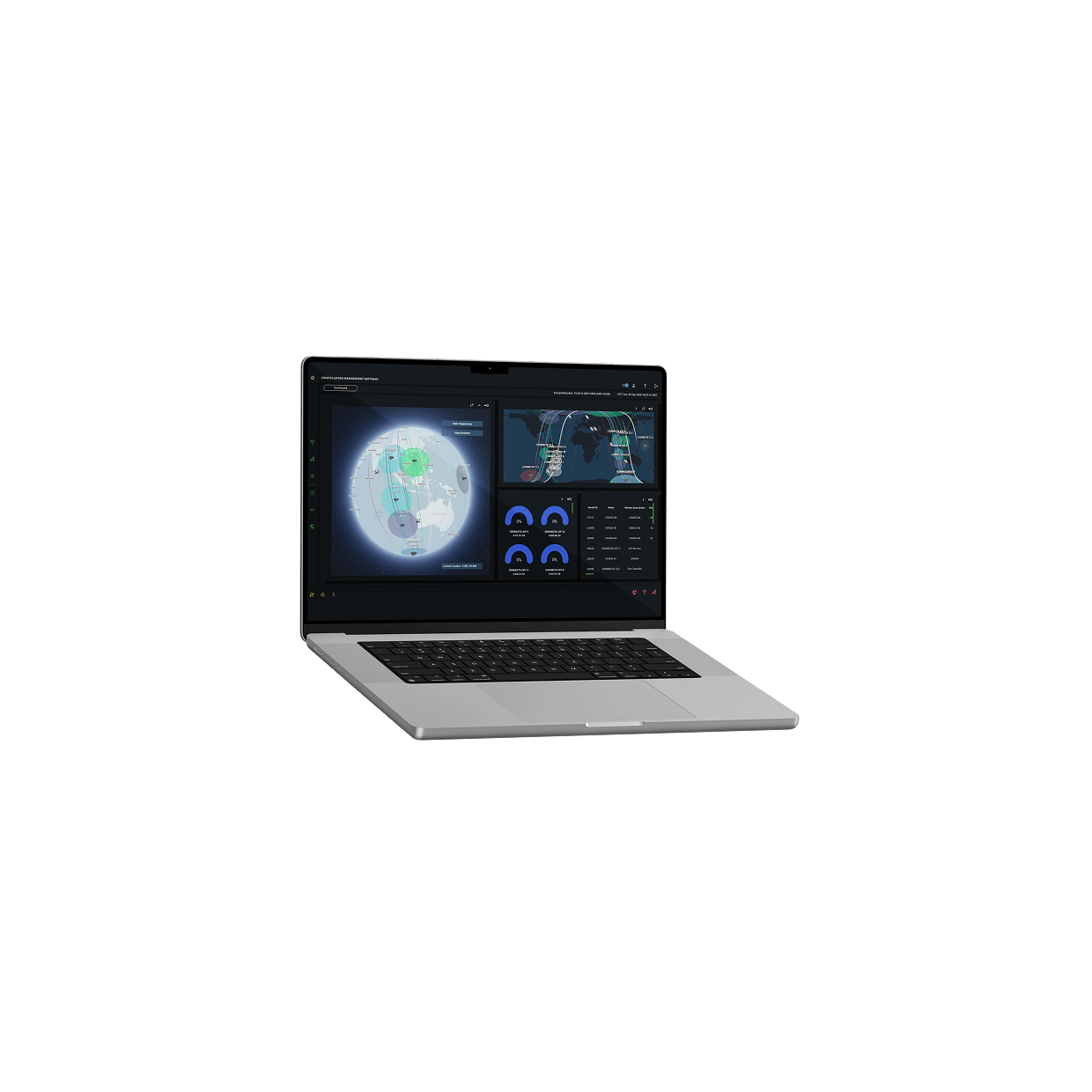
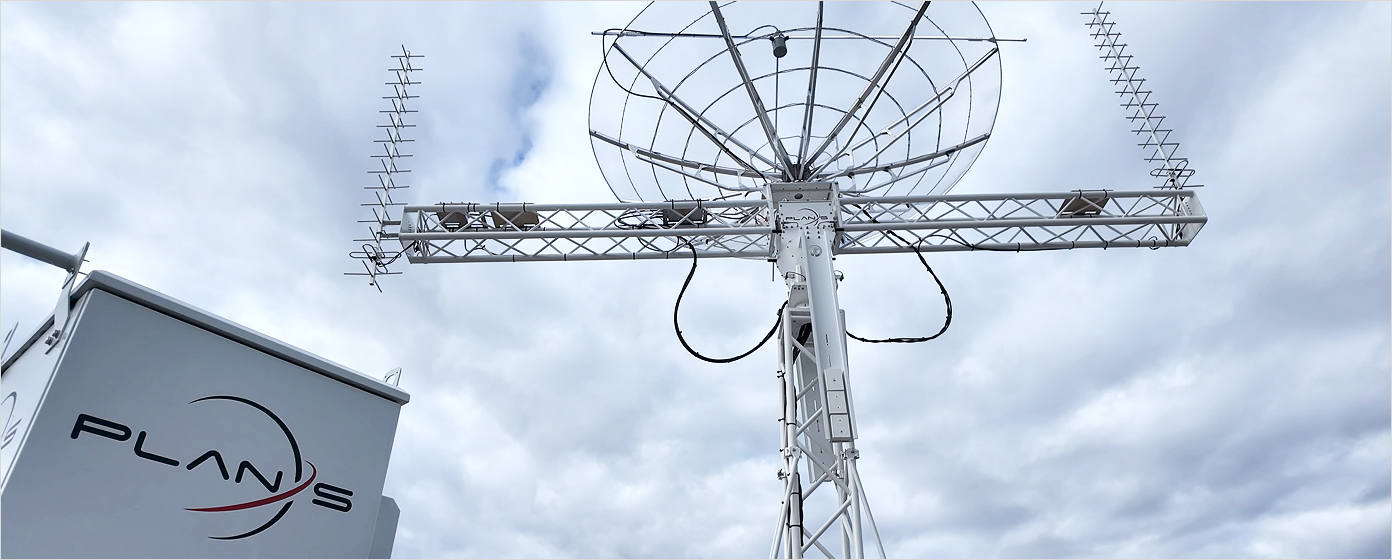
Ground stations provide the communication link between the satellite and mission teams. Mission control systems allow operators to monitor telemetry, schedule communication passes, send commands, and evaluate spacecraft status. Software platforms support data analysis, anomaly detection, operational coordination, and decision-making.
In LEOP, these systems must work together as one operational chain.
Fragmented tools or disconnected workflows can slow response times during a phase where speed and accuracy are essential. An integrated ground segment improves coordination by connecting communication, control, telemetry, and analysis within a unified operational environment.
This allows teams to move from signal acquisition to health assessment, from subsystem activation to payload checkout, and from early stabilization to routine operations with greater control.
Plan-S’ LEOP and In-Orbit Operations Capability
At Plan-S, LEOP is approached as part of an end-to-end satellite mission framework.
Plan-S brings together mission design, spacecraft platform development, satellite manufacturing, assembly, integration and testing, launch coordination, ground segment infrastructure, mission control, and in-orbit operations under one integrated structure.
This capability supports continuity across the full mission lifecycle.
The same mission logic that shapes design and testing continues into launch preparation, early orbit operations, commissioning, and routine mission execution. This integrated approach helps reduce operational gaps and ensures that the spacecraft, ground segment, and mission teams are aligned from the beginning.
Plan-S’ ground segment infrastructure, autonomous mission control capabilities, telemetry and command systems, and integrated software platforms support early orbit operations by providing visibility, control, and rapid response capability during critical mission windows.
For customers, this means LEOP is not treated as a separate post-launch activity. It is planned as a core part of mission success.
Whether the mission involves a CubeSat, microsatellite, hosted payload, connectivity service, Earth observation system, or technology demonstration, early orbit operations determine whether the mission can move from launch to operational value.
Plan-S supports that transition through coordinated execution from ground to orbit.
From Launch Success to Operational Capability
A successful launch places a satellite in space.
A successful LEOP turns that satellite into an operational asset.
The difference is significant.
LEOP verifies that the spacecraft can communicate, stabilize, generate power, manage thermal conditions, activate subsystems, confirm its orbit, operate its payload, and begin delivering mission outputs.
This phase may be short compared to the full mission lifetime, but its impact is disproportionate. Everything that follows depends on getting early operations right.
A well-executed LEOP establishes the foundation for reliable spacecraft performance, consistent data delivery, effective payload operations, and long-term mission success.
The Moment a Mission Becomes Real
Space missions may begin with a launch, but they become real when the satellite proves it can survive, respond, and deliver in orbit.
That proof happens during LEOP.
It is the phase where engineering becomes operation, where assumptions become telemetry, and where a spacecraft begins its transition into a working space system.
At Plan-S, LEOP is supported by integrated ground segment capabilities, mission control systems, in-orbit operations expertise, and end-to-end satellite service execution.
Because reaching orbit is only the beginning.
The mission begins to create value when the satellite proves it can operate there.
BLOG
Related Insights
Explore how space assets and ground infrastructure work together, use cases, architectures, and field results from Plan-S projects.


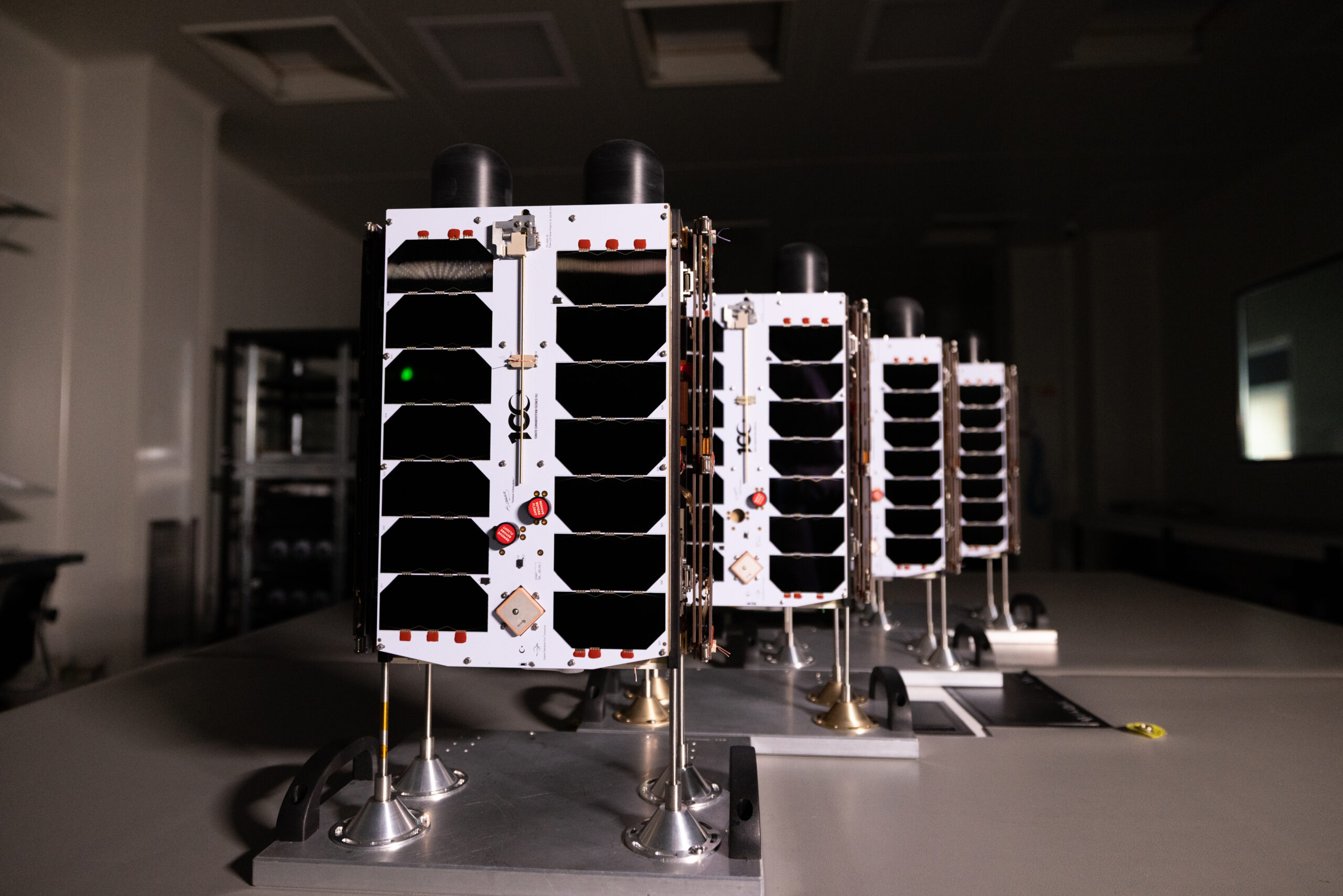
The Role of Systems Engineering in Small Satellite Mission Success
Systems engineering connects payload, power, thermal control, ADCS, communications, software, ground infrastructure, and operations into a coherent mission architecture. For small satellite missions, this system-level approach helps reduce integration risk, improve reliability, and ensure that every subsystem supports the mission objective.
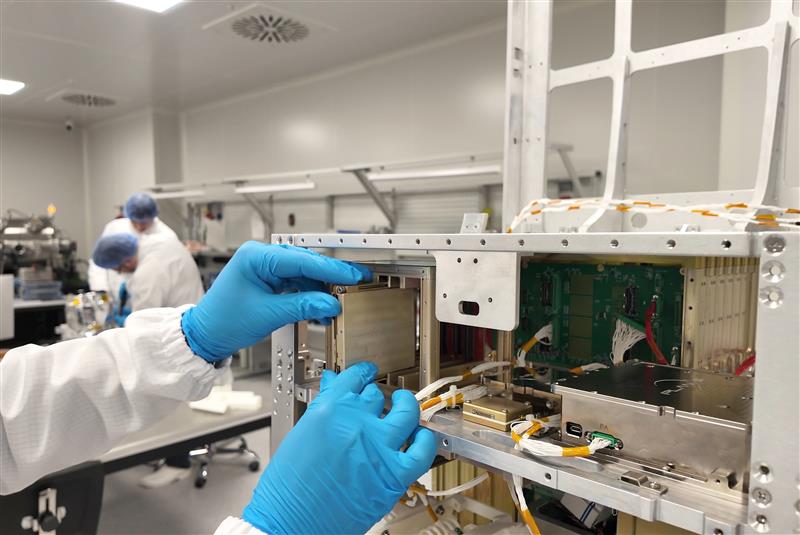
Payload Integration for Small Satellites: What Mission Teams Should Know
Payload integration is a system-level process that aligns mechanical, electrical, thermal, data, software, and operational requirements within the spacecraft architecture. For small satellite missions, successful integration helps reduce risk, validate mission readiness, and ensure that the payload can deliver reliable value in orbit.
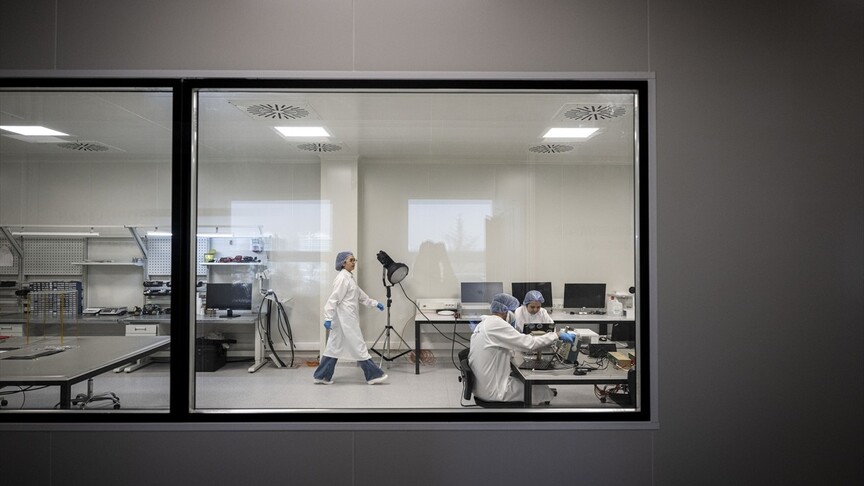
How End-to-End Satellite Services Reduce Mission Complexity
End-to-end satellite services reduce mission complexity by bringing mission design, spacecraft development, payload integration, testing, launch coordination, ground segment, data systems, and in-orbit operations under one integrated framework. With a single accountable mission partner, organizations can move from concept to orbit with greater clarity, control, and operational continuity.
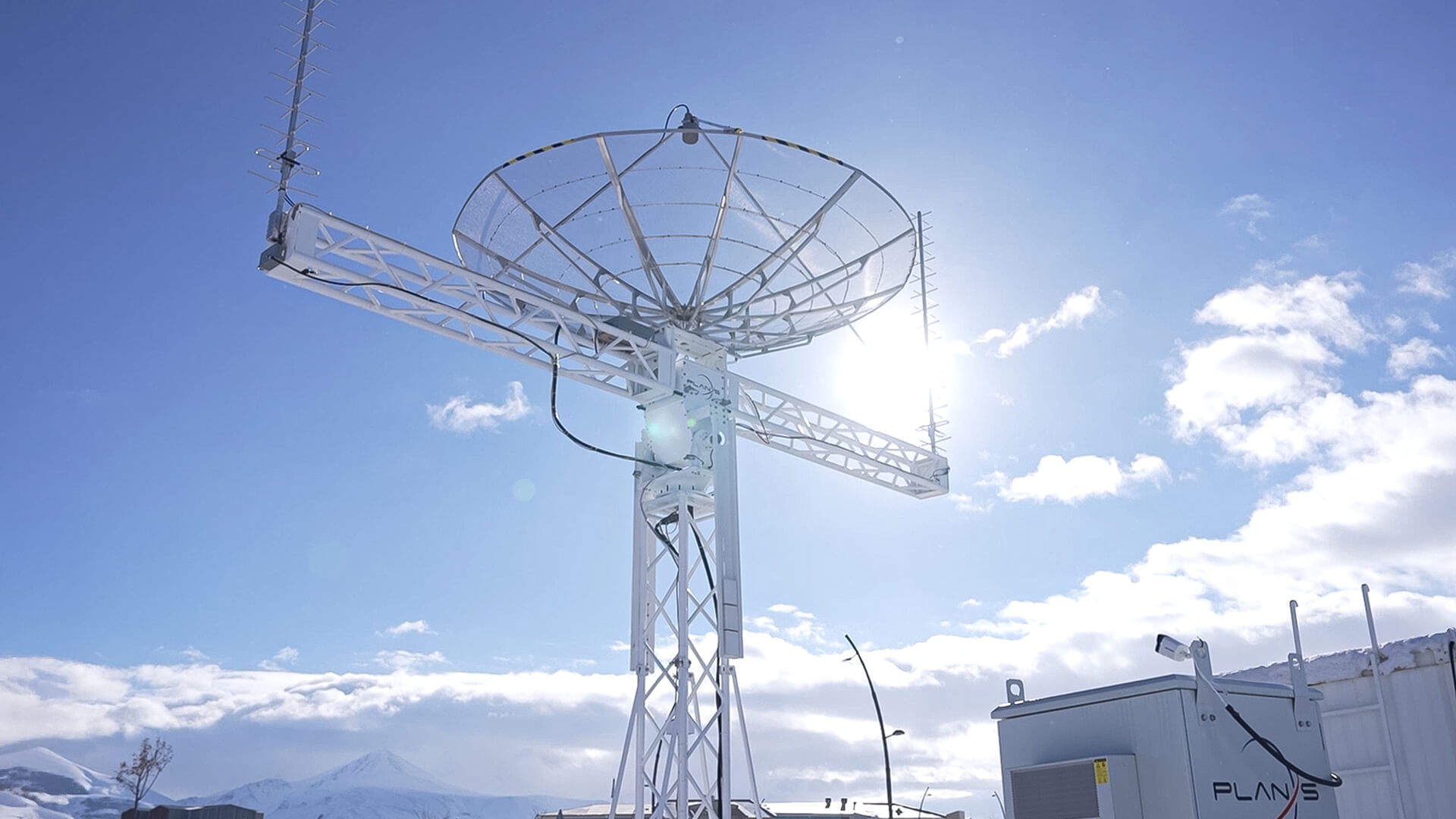
Ground Segment 101: Why Satellites Need More Than Spacecraft to Deliver Value
A satellite alone creates potential, but the ground segment turns that potential into operational value. By connecting spacecraft to mission control, data downlink, processing systems, software platforms, and user applications, the ground segment enables satellites to deliver reliable information, control, and service continuity on Earth.
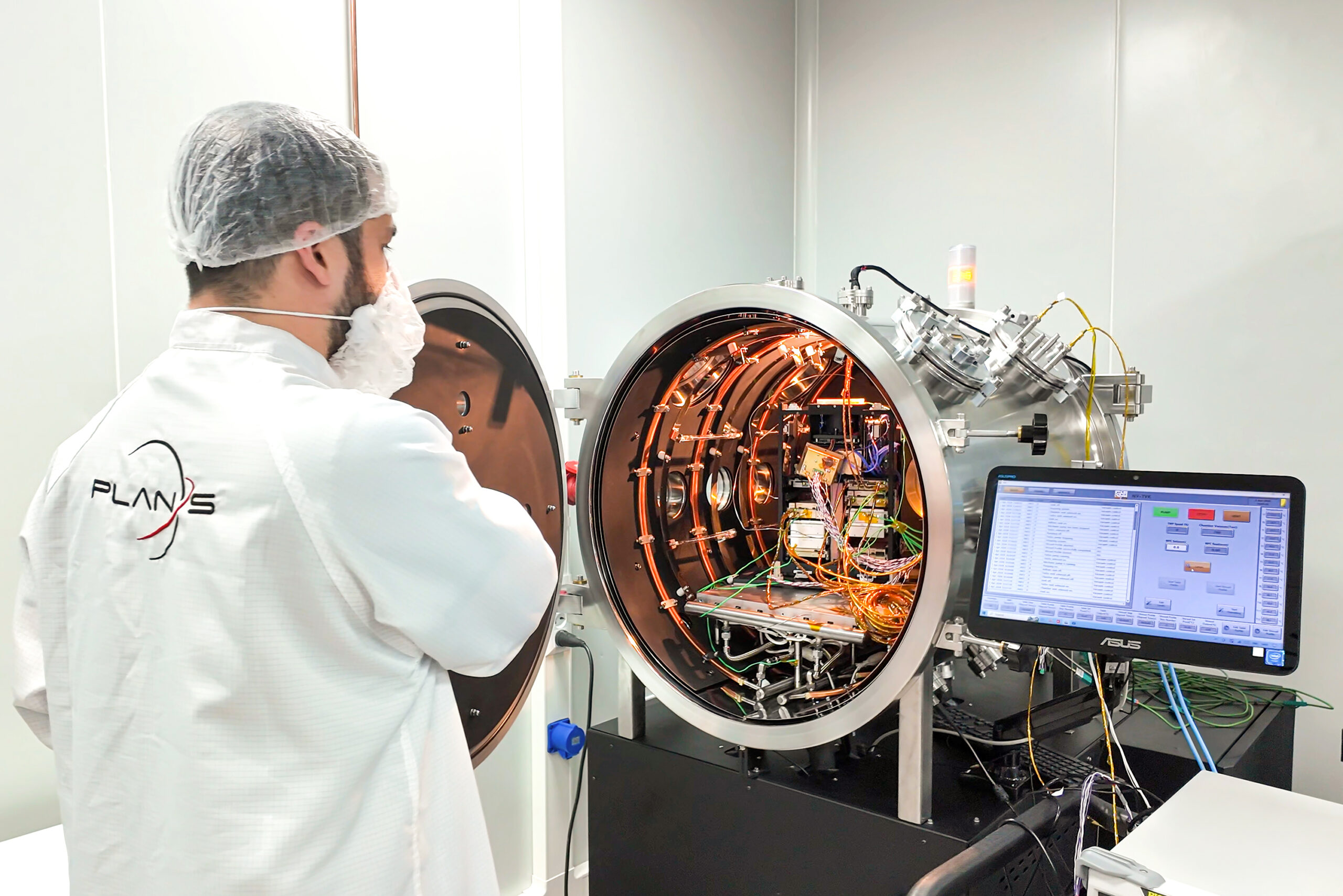
The Role of AIT in Building Reliable Small Satellites
Assembly, Integration, and Testing is one of the most critical phases in building reliable small satellites. By validating subsystems, interfaces, payload compatibility, environmental performance, and operational readiness before launch, AIT helps reduce mission risk and supports more predictable outcomes in orbit.
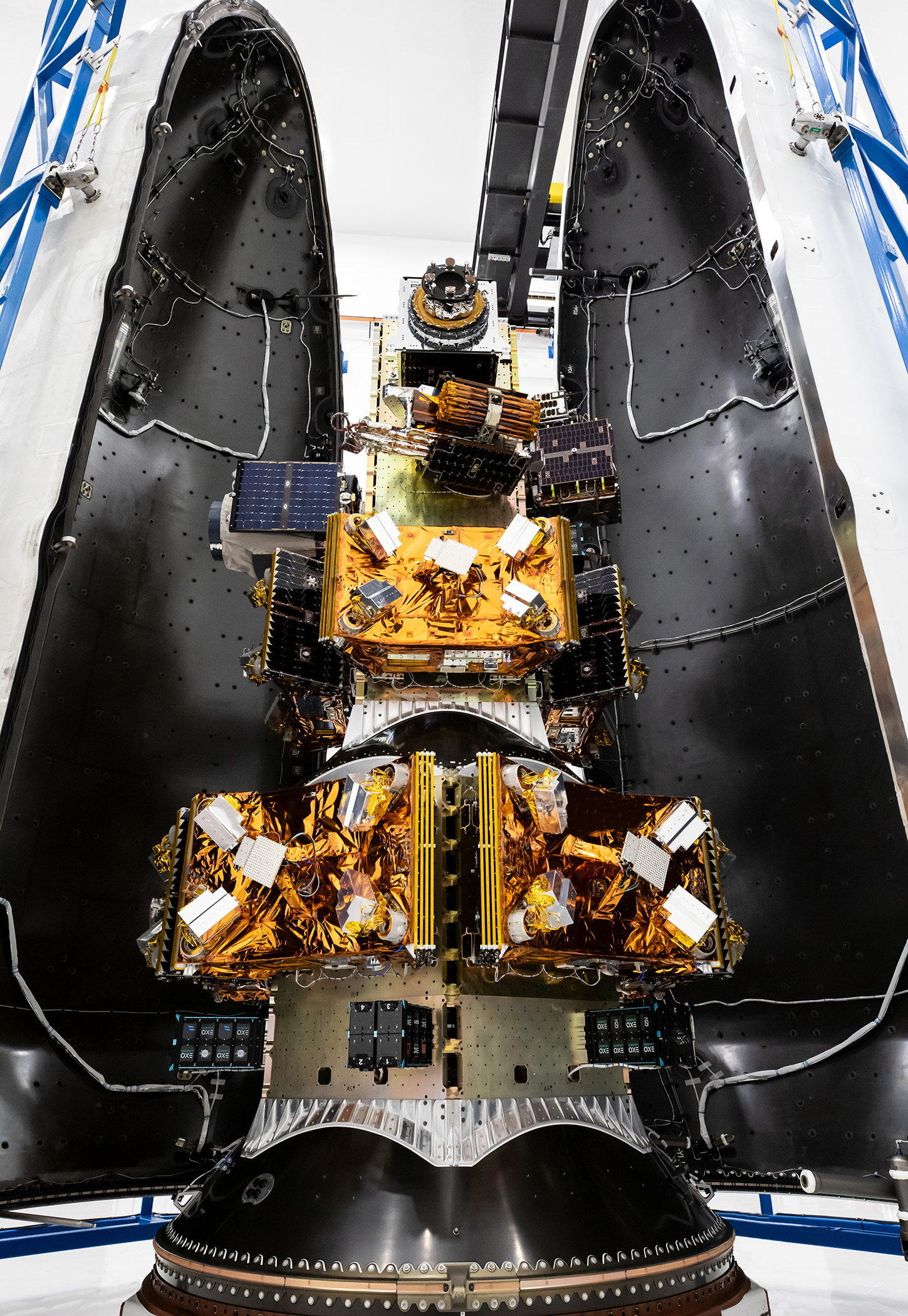
From Mission Concept to Orbit: A Step-by-Step Guide to Small Satellite Missions
A small satellite mission is a coordinated journey from concept definition and mission design to platform development, payload integration, testing, launch, licensing, operations, and data delivery. Through its end-to-end space services capabilities, Plan-S helps organizations transform mission objectives into reliable operational systems in orbit.
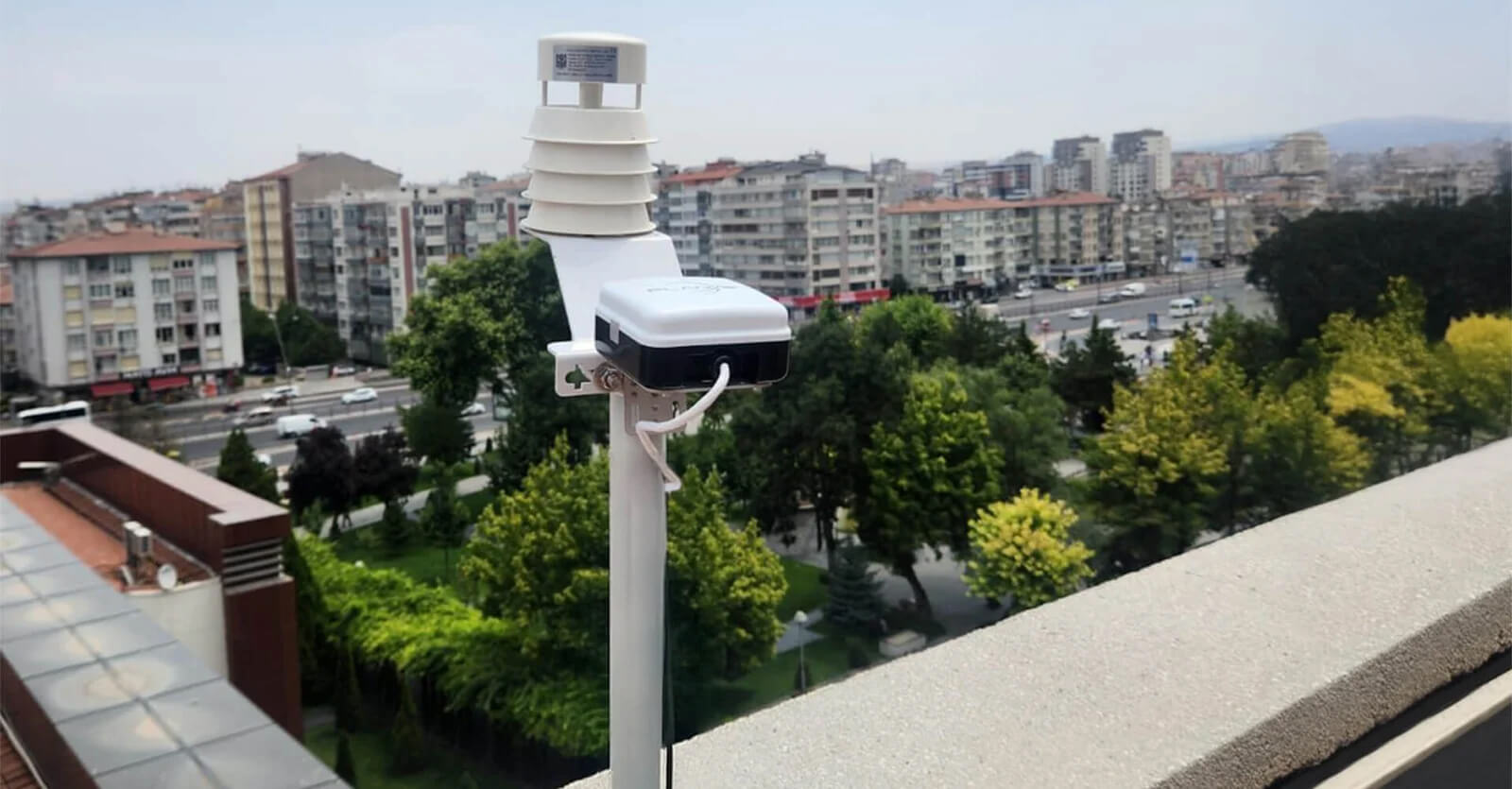
Weather Monitoring in Remote Areas: Keeping Environmental Data Flowing
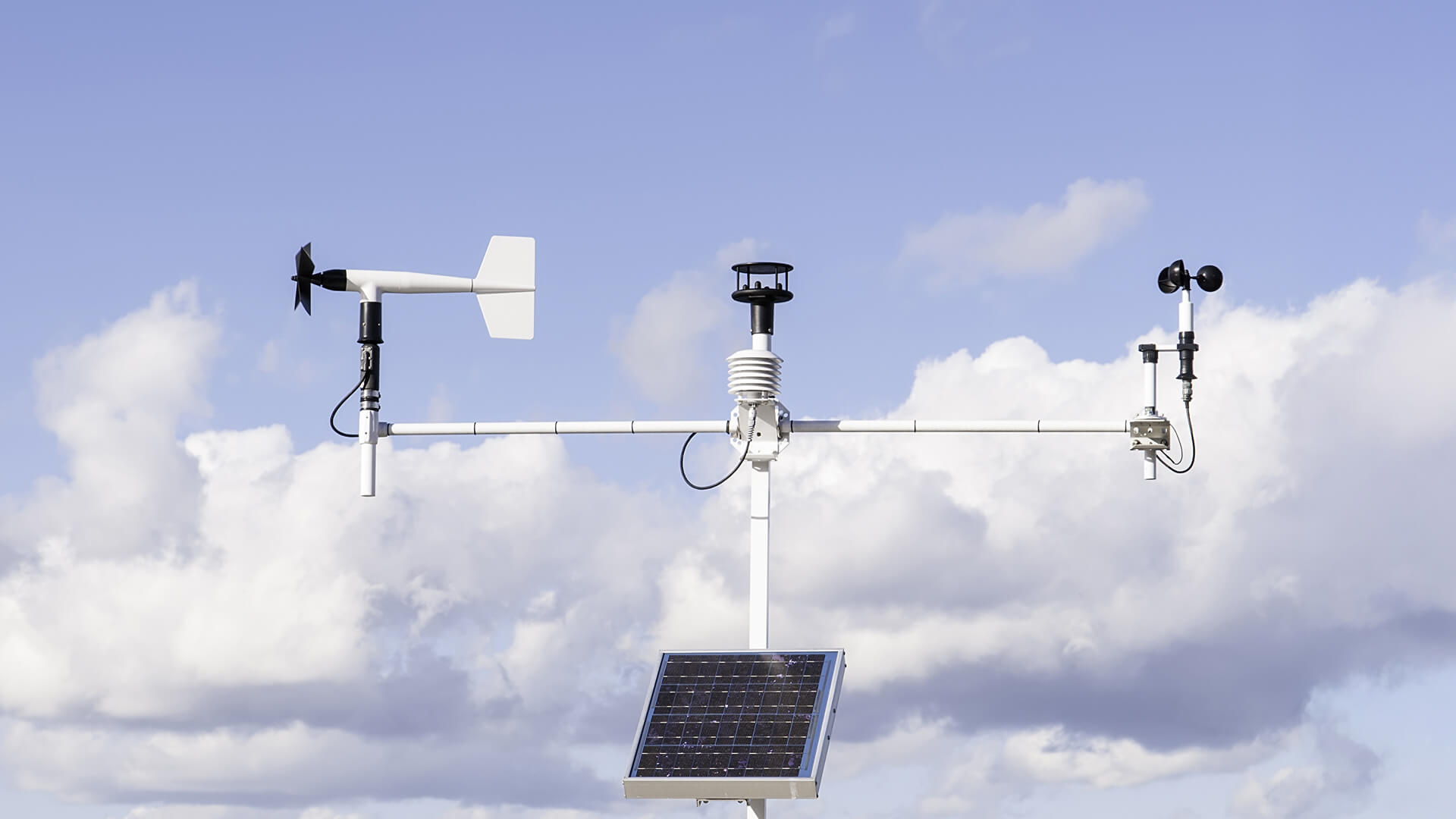
Satellite IoT helps keep weather and environmental data flowing from remote monitoring points beyond terrestrial network coverage. Through Connecta, Plan-S enables reliable data transmission from distributed sensors and weather stations, supporting better planning, early warning, risk reduction, and long-term environmental visibility.
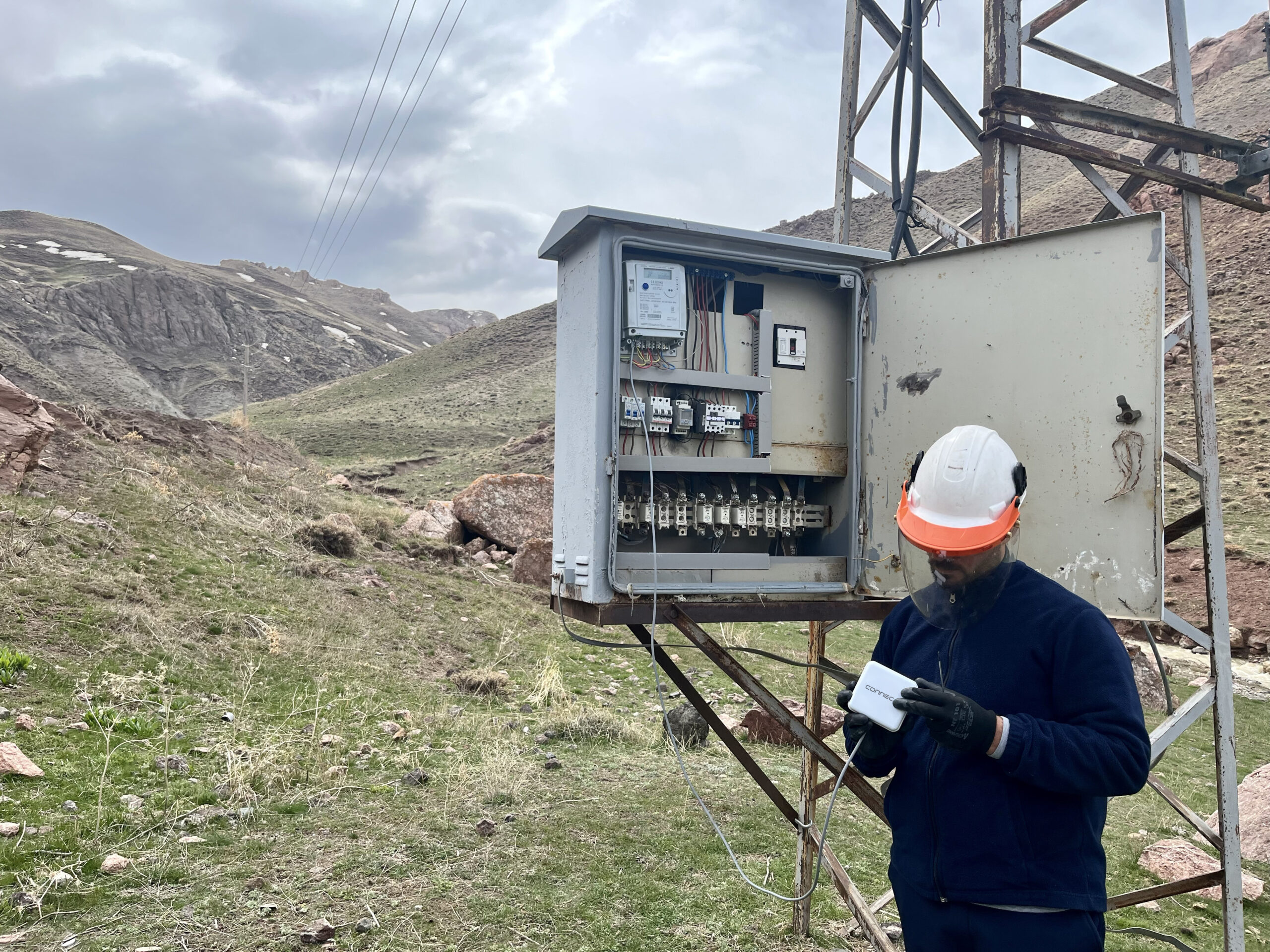
Smart Meter Reading in Remote Areas: How Satellite IoT Reduces Field Visits
Satellite IoT enables utilities to collect smart meter data from remote areas beyond terrestrial network coverage. Through Connecta Smart Meter Reader Modems and the Connecta IoT Network, Plan-S helps utilities reduce unnecessary field visits, improve data continuity, and maintain visibility across distributed service areas.

Satellite IoT for Agriculture: From Soil Data to Smarter Irrigation
Satellite IoT helps agricultural teams collect soil, irrigation, and field data from remote areas beyond terrestrial network coverage. Through Connecta, Plan-S enables smarter irrigation planning, improved resource management, and greater visibility across distributed agricultural operations.

How LoRaWAN-Compatible Satellite IoT Enables Low-Power Data Transmission
LoRaWAN-compatible satellite IoT enables low-power data transmission from remote sensors, meters, trackers, and infrastructure assets operating beyond terrestrial coverage. Through Connecta, Plan-S combines satellite connectivity, IoT hardware, network infrastructure, and operational tools to support efficient, scalable, and long-term remote monitoring.
Hosted Payload Missions: A Faster Route to Flight Heritage
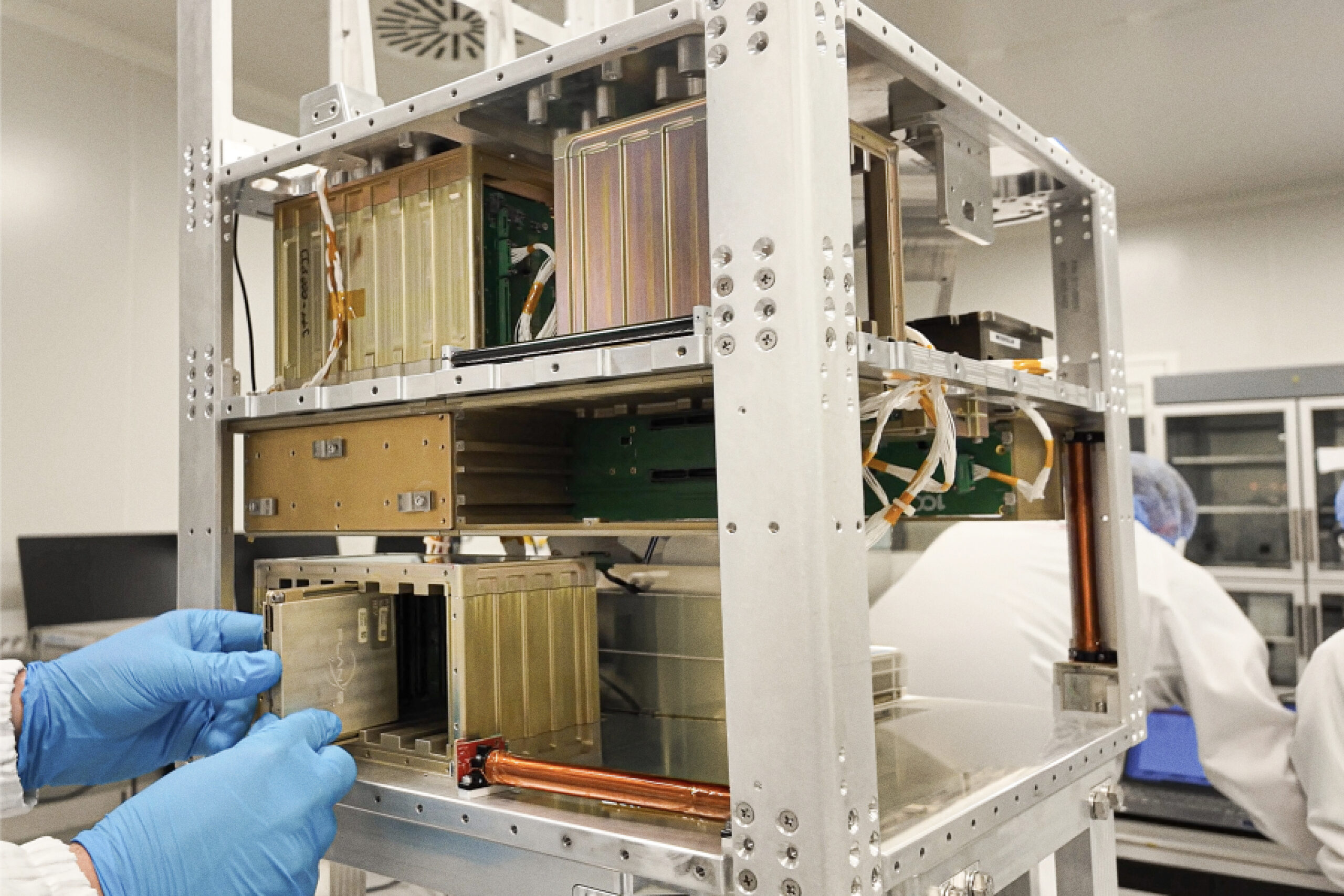
Hosted payload missions provide a practical route to in-orbit validation by allowing organizations to test sensors, communication systems, scientific instruments, and experimental payloads on existing spacecraft platforms. By building on Plan-S’ mission heritage and end-to-end space services capabilities, organizations can gain flight heritage while reducing the complexity of developing a dedicated satellite mission.
Why Flight Heritage Matters in Small Satellite Missions
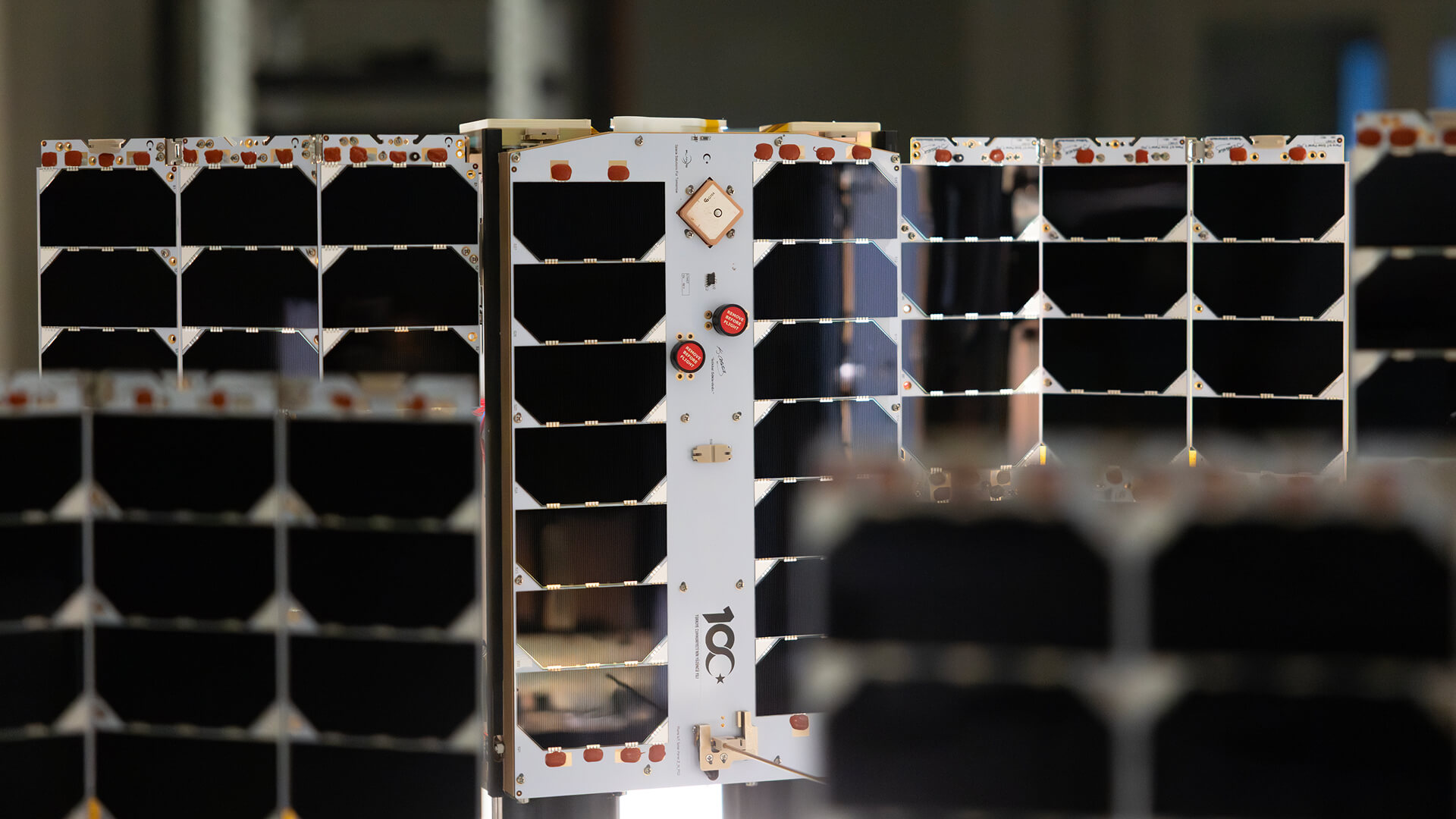
Flight heritage gives satellite missions a stronger foundation by turning in-orbit experience into greater reliability, reduced uncertainty, and more mature spacecraft platforms. At Plan-S, each mission contributes to the evolution of flight-proven systems, supporting future missions from concept to orbit and from orbit to operational value.