

Ground Segment 101: Why Satellites Need More Than Spacecraft to Deliver Value
A satellite alone creates potential, but the ground segment turns that potential into operational value. By connecting spacecraft to mission control, data downlink, processing systems, software platforms, and user applications, the ground segment enables satellites to deliver reliable information, control, and service continuity on Earth.

June 23, 2026

11 minute reading
#groundsegment
#Smallsats
A satellite in orbit is an engineering achievement.
But a satellite alone does not deliver value.
It creates potential. That potential becomes meaningful only when the satellite is connected to a reliable ground segment that enables communication, control, data access, and operational continuity.
Every successful satellite mission depends on a continuous exchange between space and Earth. Satellites collect data, transmit signals, receive commands, and operate according to mission plans. Ground infrastructure ensures that this exchange remains stable, secure, and accessible throughout the mission lifecycle.
Without a ground segment, even the most capable spacecraft becomes an isolated system.
It may orbit Earth successfully, but it cannot deliver practical output unless data can be received, processed, managed, and transformed into usable information.
This is why the ground segment is one of the most important layers of any satellite mission.
What Is a Ground Segment?
The ground segment refers to the infrastructure, systems, software, and operational processes that connect satellites in orbit with teams, platforms, and users on Earth.
It includes ground stations, mission control systems, telemetry, tracking, and command functions, data downlink infrastructure, processing pipelines, operational dashboards, network management tools, and integration interfaces.
Together, these elements allow mission teams to monitor satellite health, command spacecraft, receive payload data, manage operations, process information, and deliver mission outputs to end users.
In simple terms, the ground segment is the operational bridge between the satellite and the value it is expected to create.
For connectivity missions, it supports data transmission and network operations. For Earth observation missions, it enables image downlink and processing. For IoT missions, it helps move device data from remote assets to operational platforms. For hosted payload and technology demonstration missions, it provides the control and data access needed to validate performance in orbit.
A satellite performs the mission in space. The ground segment makes that mission usable on Earth.
Ground Stations: Establishing Reliable Communication
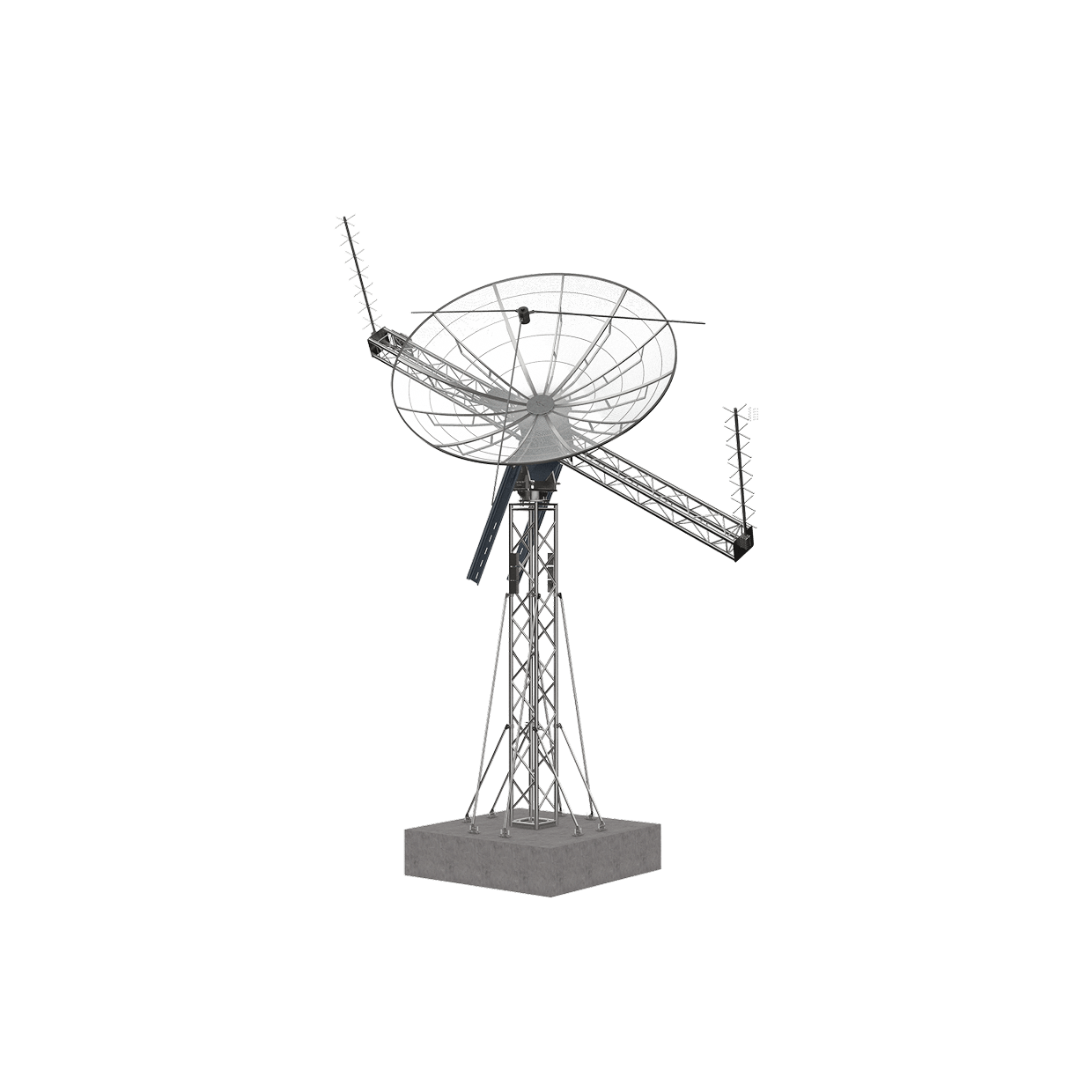
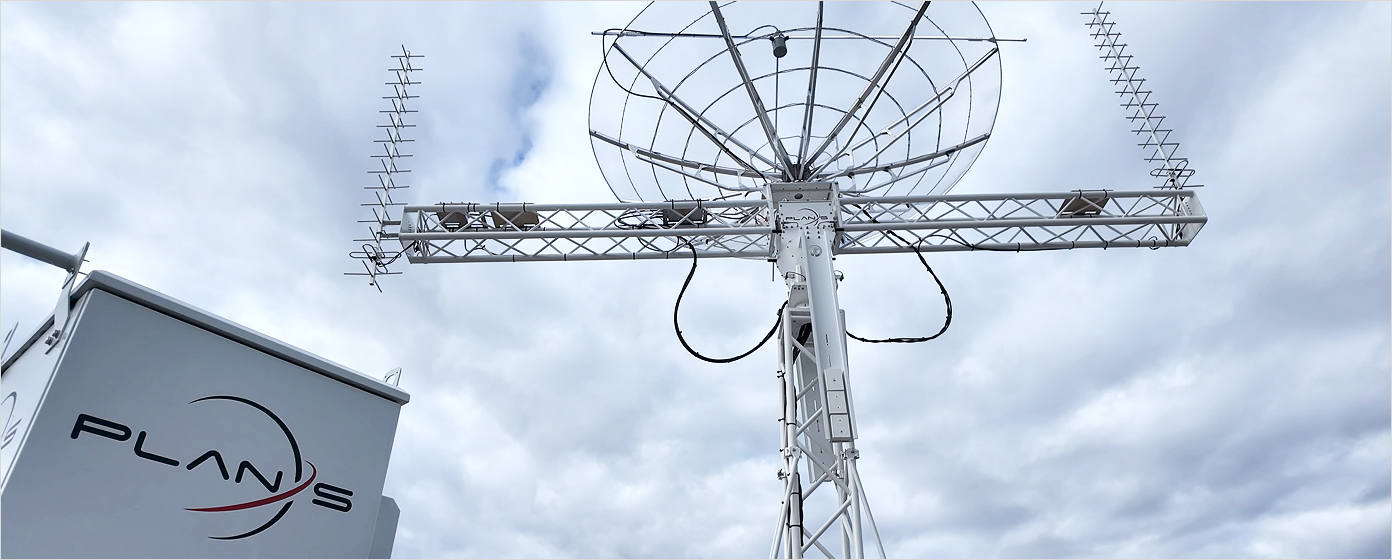
Ground stations form the physical backbone of the ground segment.
They create the communication link between satellites and operational systems on Earth. Through telemetry, tracking, and command functions, ground stations allow operators to monitor spacecraft health, determine orbital position, send commands, and receive data.
These functions are essential throughout the satellite lifecycle.
During early operations, ground stations help establish first contact, confirm satellite status, and support commissioning. During routine operations, they enable scheduled communication passes, data downlink, command execution, and ongoing health monitoring. During anomaly situations, they provide the link needed to diagnose issues and restore operational stability.
Reliability in this layer is critical.
A satellite may only have limited communication windows during each orbital pass. Ground stations must be ready to capture those opportunities, maintain signal quality, and support consistent data exchange.
A distributed ground station network can strengthen mission availability by increasing access across different orbital passes and geographic regions. This improves communication reliability and helps reduce dependency on a single ground location.
At Plan-S, ground segment capability is developed as part of a broader mission infrastructure. Ground stations, mission operations, and data systems are designed to work together so satellites remain connected, controllable, and operational throughout their lifecycle.
Mission Control: Coordinating Satellite Operations
Mission control systems manage the day-to-day functioning of satellite operations.
They give operators visibility into spacecraft status, communication sessions, subsystem performance, payload activity, and mission timelines. Through mission control, teams can monitor satellite behavior, execute commands, schedule operations, and respond to changing mission conditions.
A structured mission control environment is essential because satellite operations involve many moving parts.
Commands must be prepared and validated. Communication windows must be scheduled. Telemetry must be reviewed. Anomalies must be detected and assessed. Payload activities must be coordinated with available power, storage, pointing, and downlink capacity.
Automation also plays an important role.
Routine command execution, pass scheduling, monitoring, alerts, and anomaly detection can be supported by automated systems, allowing operators to manage missions more efficiently and consistently.
For small satellite constellations, mission control becomes even more important. As the number of spacecraft increases, operations must scale without becoming fragmented or overly manual.
A strong mission control layer helps ensure that satellites remain coordinated, responsive, and aligned with mission objectives.
Data Downlink: Moving Information from Orbit to Earth
Satellites continuously generate data.
This may include payload data, images, IoT messages, telemetry, communication signals, environmental measurements, or mission-specific outputs. However, data in orbit has limited value unless it can be transferred reliably to the ground.
Data downlink is the process that moves information from satellites to ground stations.
This stage directly influences how quickly mission outputs become available to users. Performance factors such as bandwidth, latency, reliability, communication window duration, and ground station availability all affect the speed and consistency of data delivery.
For Earth observation missions, downlink capacity can determine how efficiently imagery reaches processing systems. For IoT missions, it supports the movement of device data from remote assets to network infrastructure. For technology demonstration missions, it enables teams to evaluate payload performance and collect validation data.
A reliable downlink architecture ensures that data does not remain trapped in orbit.
It creates the path from satellite operations to real-world use.
Data Processing: Turning Signals into Usable Information
Receiving data is only the beginning.
Once satellite data reaches the ground, it must be processed, validated, structured, and prepared for use. Raw signals need to become operational information.
Processing pipelines help transform downlinked data into formats that teams, customers, platforms, and applications can understand. This may include decoding, validation, quality checks, formatting, storage, analytics, visualization, or routing to external systems.
The transition from raw signal to structured data defines the practical value of many satellite missions.
For an IoT connectivity mission, a small data packet collected from a remote sensor must reach the customer’s platform in a usable format. For an Earth observation mission, imagery must be processed before it can support analysis. For environmental monitoring, data must be validated and delivered in time to support decisions.
Efficient data processing ensures that satellite information remains timely, reliable, and relevant.
Without this layer, even successfully downlinked data may not create operational value.
Ground Segment Software: Centralizing Control and Visibility
Modern ground segments are not only defined by antennas, facilities, and hardware.
They also depend on integrated software environments that centralize control, visibility, automation, and data management.
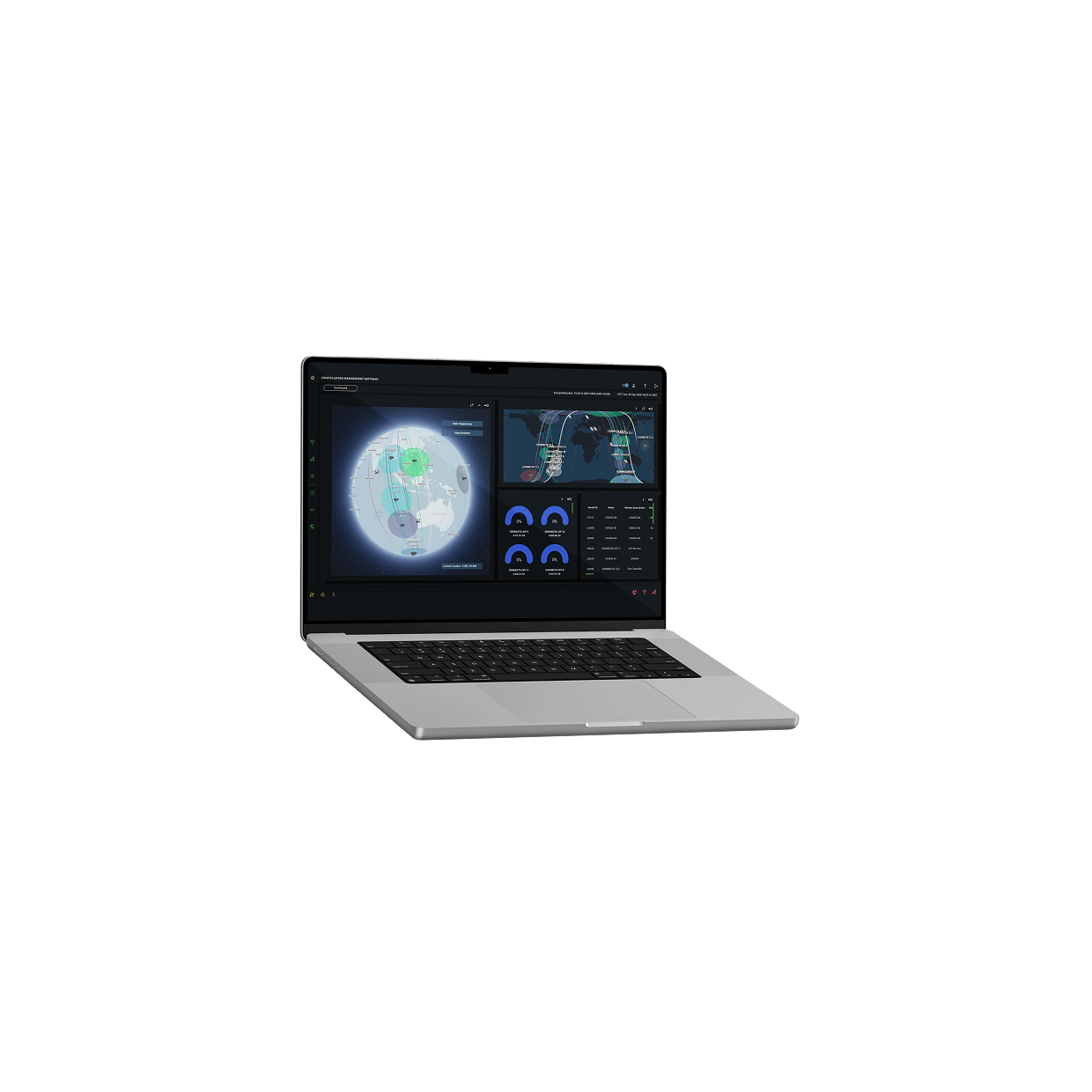
Ground segment software connects the different layers of mission operations. It enables teams to monitor satellites, manage communication sessions, access telemetry, track mission performance, control data flows, and coordinate operational activity through unified interfaces.
This is especially important as missions become more complex.
A fragmented ground segment can force teams to work across disconnected tools, manual processes, and separate operational workflows. This increases complexity and can slow response times.
A centralized software environment improves coordination.
Cloud-based dashboards, operational interfaces, monitoring tools, and automated workflows can provide real-time visibility into satellite status, mission performance, communication activity, and data movement.
At Plan-S, ground segment software is approached as part of the same operational chain that supports satellite platforms, ground infrastructure, and mission services. This unified approach helps reduce complexity and gives teams stronger visibility across distributed assets and mission activities.
API Integration: Connecting Satellite Data to Real-World Systems
Satellite data becomes more valuable when it connects directly to the systems where decisions are made.
API-based integration allows satellite-derived data to flow into external platforms, analytics environments, customer applications, operational dashboards, and industry-specific systems.
This is critical because most organizations do not want satellite data to remain isolated in a separate workflow.
Agricultural teams may need sensor or Earth observation data inside farm management systems. Utility operators may need smart meter data inside their operational platforms. Environmental monitoring teams may need field data connected to analysis tools. Infrastructure managers may need satellite-enabled insights integrated into existing decision-making environments.
API integration helps make this possible.
It enables seamless data exchange between satellite systems and real-world applications, reducing manual transfer and helping organizations use space-based information more directly.
In this way, the ground segment becomes more than a technical support layer. It becomes the link between satellite infrastructure and operational decision-making.
Why the Ground Segment Matters for Mission Value
The value of a satellite mission depends on more than what happens in orbit.
A spacecraft may collect data successfully, but if that data cannot be received, processed, delivered, and integrated into user systems, the mission cannot reach its full potential.
The ground segment ensures that satellite capabilities translate into measurable outcomes.
Reliable communication keeps the satellite controllable. Structured data flows make information accessible. Mission control systems maintain operational stability. Software platforms centralize visibility. API integrations connect data to customer workflows.
Together, these elements transform satellites into functional operational systems.
For industries that depend on accurate and timely information, this matters.
Agriculture, utilities, environmental monitoring, energy, logistics, infrastructure management, telecommunications, and defense applications all require dependable data flows. A satellite mission must be designed not only to operate in space, but to deliver information where and when it is needed on Earth.
Plan-S’ Unified Ground Segment Approach
Traditional ground segment architectures can rely on separate systems for communication, control, data management, and customer delivery.
This fragmentation can introduce inefficiencies.
When ground stations, mission control, data processing, software interfaces, and user integrations are managed separately, operational complexity increases. Data flows may become slower. Visibility may become limited. Coordination across mission layers can become more difficult.
Plan-S approaches the ground segment as a unified operational chain.
Ground stations, mission control systems, data flows, software tools, and integration interfaces are designed to operate within one connected framework. Each component supports the others, creating a streamlined path from satellite communication to user value.
This approach helps ensure that data moves continuously from satellite to ground systems and from ground systems to customer platforms.
It also supports stronger control across mission operations, allowing teams to monitor spacecraft, manage communication, process information, and deliver data through a coordinated environment.
For customers, this means the ground segment is not treated as a separate technical dependency. It becomes part of an end-to-end mission service designed to simplify operations and support reliable outcomes.
Ground Segment as Part of End-to-End Space Services
At Plan-S, ground segment capability is integrated into a broader end-to-end space services model.
This model brings together mission design, spacecraft platform development, payload integration, satellite manufacturing, assembly, integration and testing, launch coordination, licensing support, ground segment implementation, and in-orbit operations.
By managing these stages within a unified framework, Plan-S helps organizations reduce the complexity traditionally associated with satellite missions.
The ground segment plays a central role in this approach.
It ensures that once a satellite reaches orbit, it can remain connected, controllable, and capable of delivering data to the systems where that data creates value.
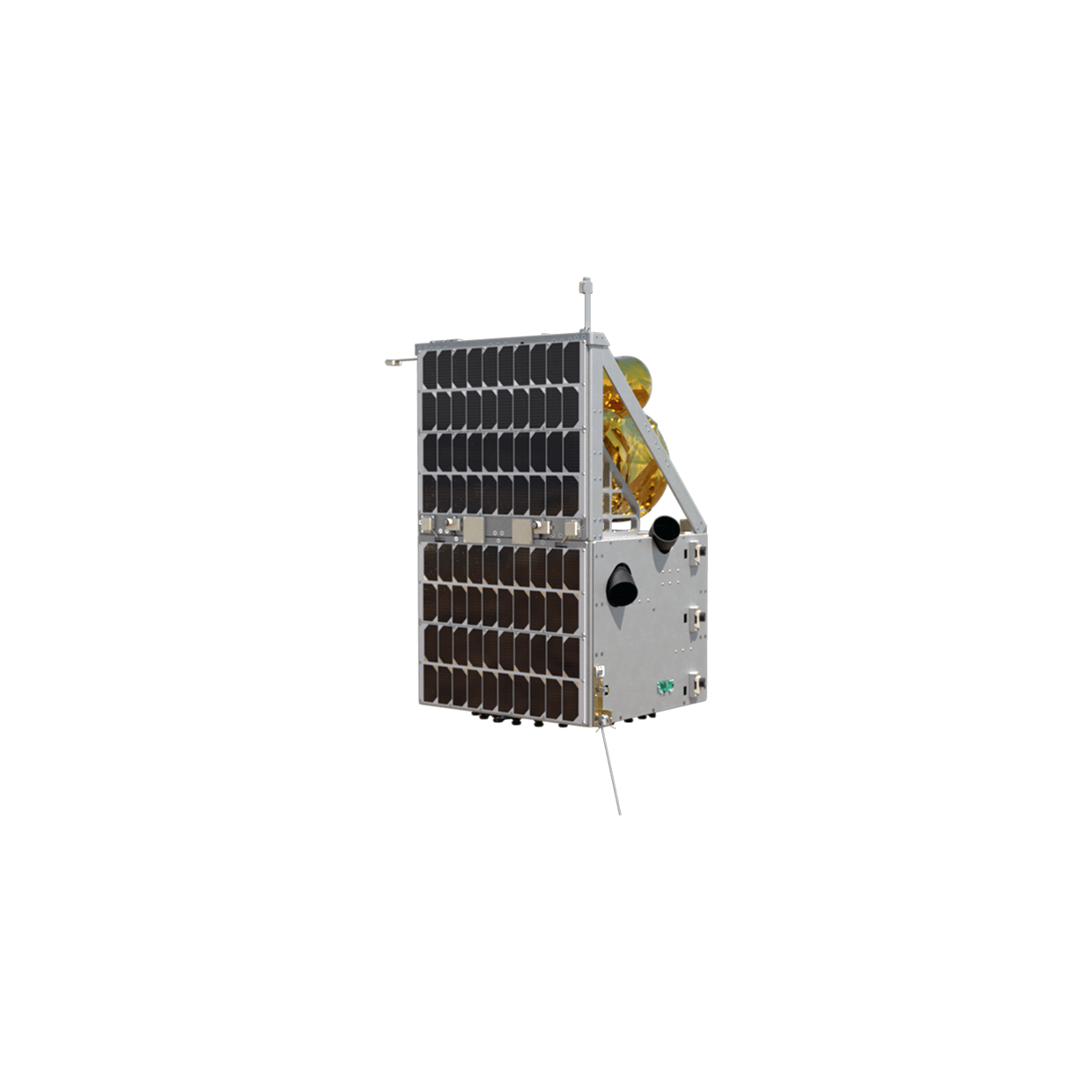
Through its spacecraft platforms, including CubeCore and MicroCore, and its mission infrastructure capabilities, Plan-S supports different mission types from technology demonstration and hosted payload missions to connectivity, Earth observation, and operational satellite services.
In each case, the ground segment connects the mission objective to the user outcome.
Supporting Scalable Satellite Operations
As satellite missions evolve from single spacecraft to constellations and service-oriented architectures, the ground segment must also scale.
Managing one satellite is different from managing multiple spacecraft across recurring passes, distributed ground stations, varied payload operations, and continuous data delivery requirements.
Scalable ground segment architecture helps support this growth.
Automation, standardized workflows, centralized dashboards, distributed ground station access, and integrated data pipelines all contribute to more efficient constellation operations.
For customers planning long-term satellite-enabled services, this scalability is essential.
A mission may begin with a single spacecraft or demonstration payload, but future requirements may involve expanded coverage, more frequent data delivery, additional satellites, or more complex service models.
A well-designed ground segment provides the foundation for that progression.
It allows the mission to grow without requiring every operational process to be rebuilt from the ground up.
From Spacecraft to Operational Capability
A satellite in orbit represents potential.
A satellite connected through a fully integrated ground segment represents operational capability.
The difference lies in the ability to communicate, control, process, deliver, and use information effectively.
Ground stations establish the link. Mission control coordinates operations. Data downlink transfers information. Processing systems transform raw signals into structured outputs. Software platforms centralize visibility. APIs connect satellite data to real-world systems.
Together, these elements turn spacecraft into working infrastructure.
At Plan-S, this ground segment capability is part of a broader commitment to delivering space systems that create value beyond launch. By integrating ground infrastructure with satellite platforms, operations, and data delivery, Plan-S helps organizations move from mission concept to operational service with greater clarity and confidence.
Because a successful satellite mission does not end when the spacecraft reaches orbit.
It begins delivering value when space and Earth work together as one connected system.
BLOG
Related Insights
Explore how space assets and ground infrastructure work together, use cases, architectures, and field results from Plan-S projects.


The Role of Systems Engineering in Small Satellite Mission Success
Systems engineering connects payload, power, thermal control, ADCS, communications, software, ground infrastructure, and operations into a coherent mission architecture. For small satellite missions, this system-level approach helps reduce integration risk, improve reliability, and ensure that every subsystem supports the mission objective.

LEOP Explained: What Happens After a Satellite Reaches Orbit?
Launch and Early Orbit Phase, or LEOP, is the critical stage after deployment when a satellite establishes communication, undergoes health checks, activates subsystems, verifies orbit, checks payload performance, and transitions into routine operations. A successful LEOP turns a launched spacecraft into an operational asset capable of delivering mission value.
Payload Integration for Small Satellites: What Mission Teams Should Know
Payload integration is a system-level process that aligns mechanical, electrical, thermal, data, software, and operational requirements within the spacecraft architecture. For small satellite missions, successful integration helps reduce risk, validate mission readiness, and ensure that the payload can deliver reliable value in orbit.
How End-to-End Satellite Services Reduce Mission Complexity
End-to-end satellite services reduce mission complexity by bringing mission design, spacecraft development, payload integration, testing, launch coordination, ground segment, data systems, and in-orbit operations under one integrated framework. With a single accountable mission partner, organizations can move from concept to orbit with greater clarity, control, and operational continuity.
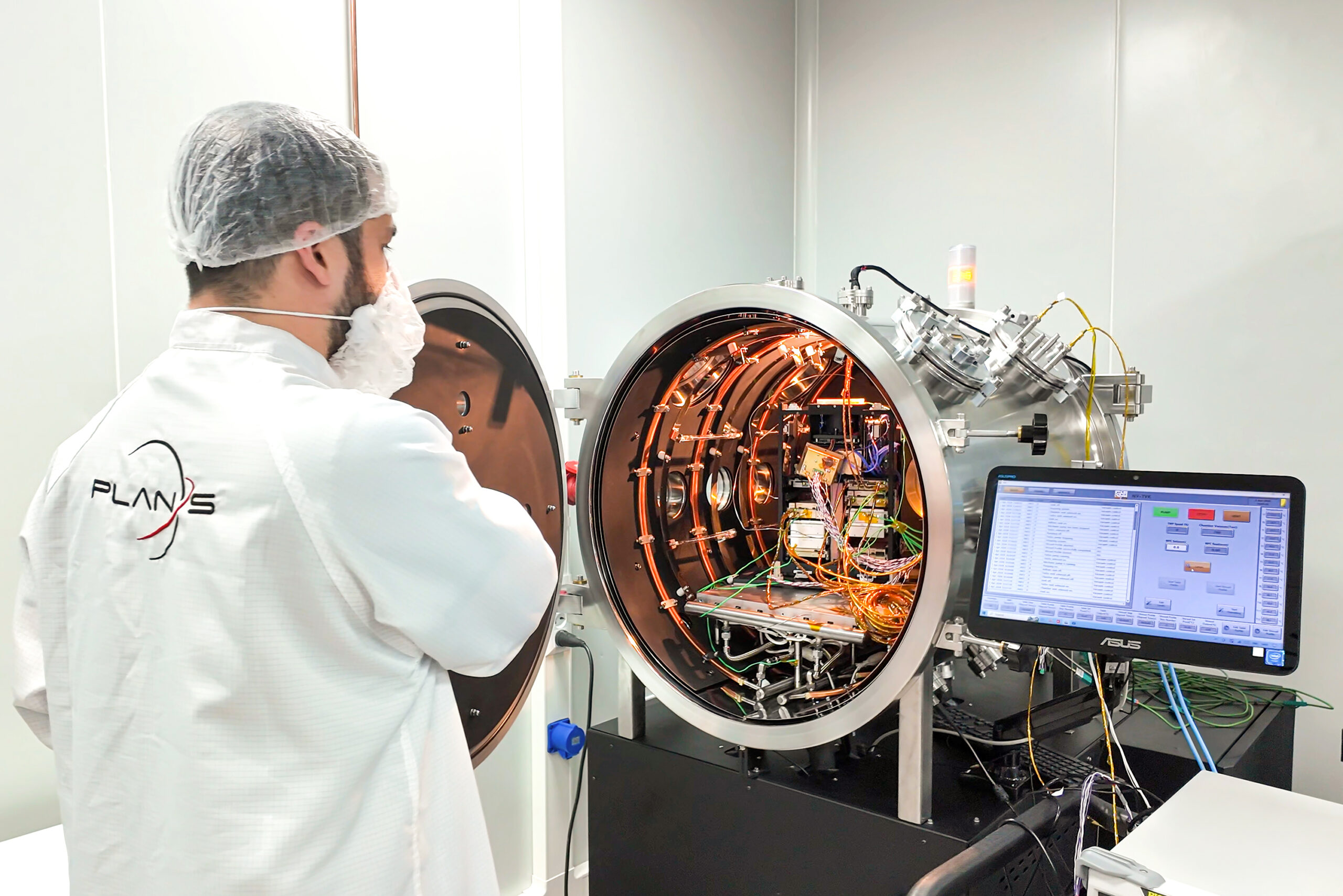
The Role of AIT in Building Reliable Small Satellites
Assembly, Integration, and Testing is one of the most critical phases in building reliable small satellites. By validating subsystems, interfaces, payload compatibility, environmental performance, and operational readiness before launch, AIT helps reduce mission risk and supports more predictable outcomes in orbit.
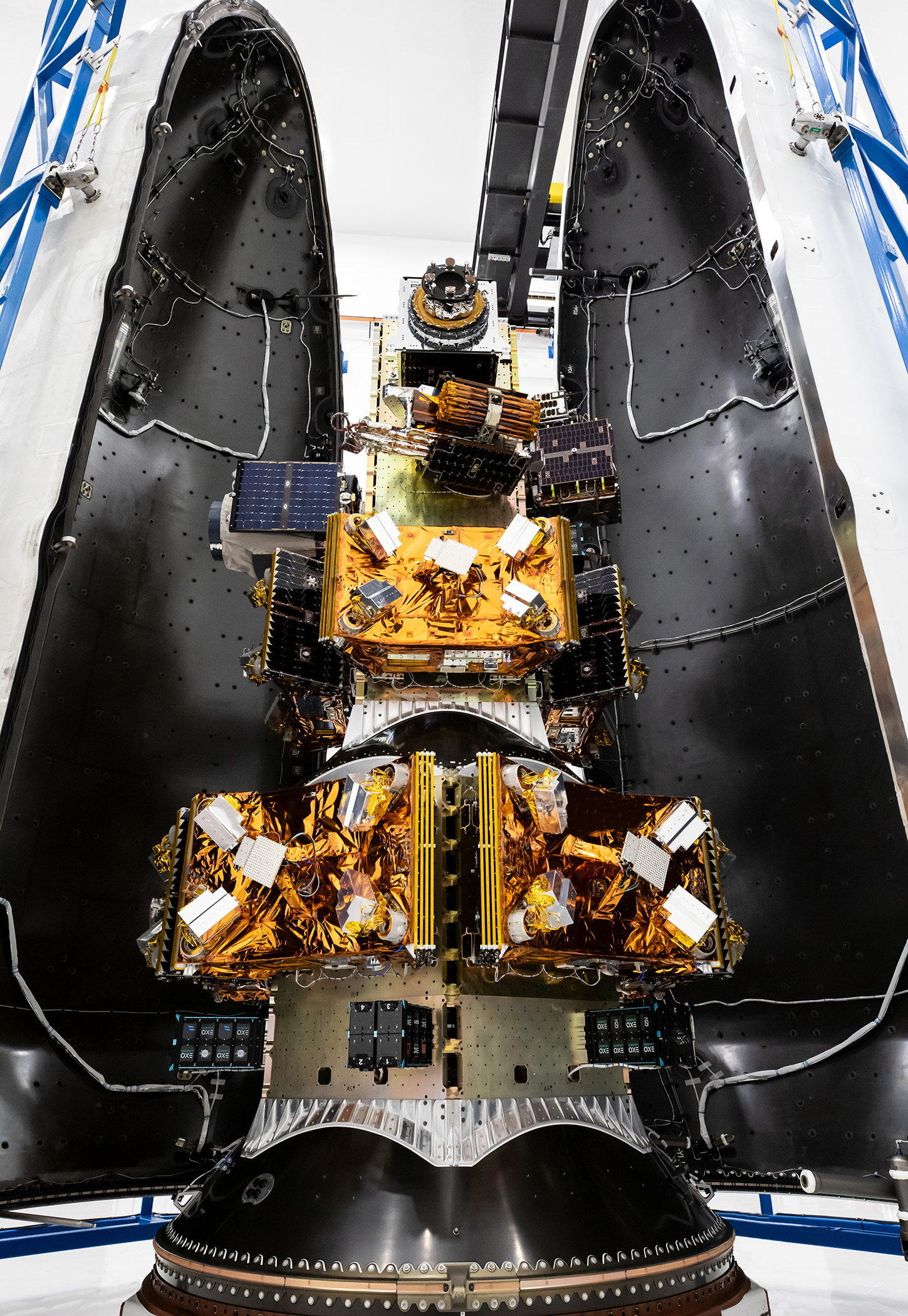
From Mission Concept to Orbit: A Step-by-Step Guide to Small Satellite Missions
A small satellite mission is a coordinated journey from concept definition and mission design to platform development, payload integration, testing, launch, licensing, operations, and data delivery. Through its end-to-end space services capabilities, Plan-S helps organizations transform mission objectives into reliable operational systems in orbit.
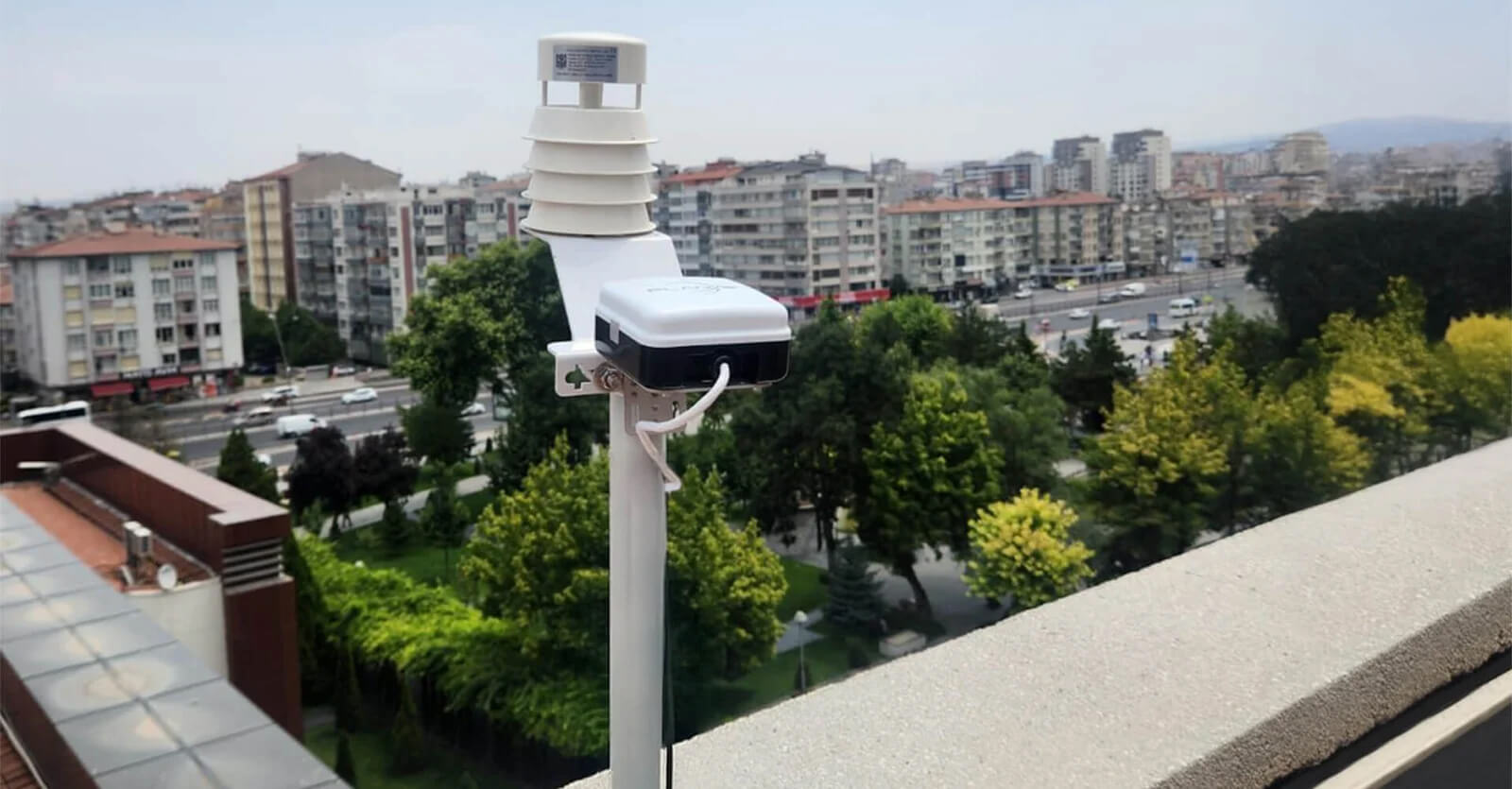
Weather Monitoring in Remote Areas: Keeping Environmental Data Flowing
Satellite IoT helps keep weather and environmental data flowing from remote monitoring points beyond terrestrial network coverage. Through Connecta, Plan-S enables reliable data transmission from distributed sensors and weather stations, supporting better planning, early warning, risk reduction, and long-term environmental visibility.
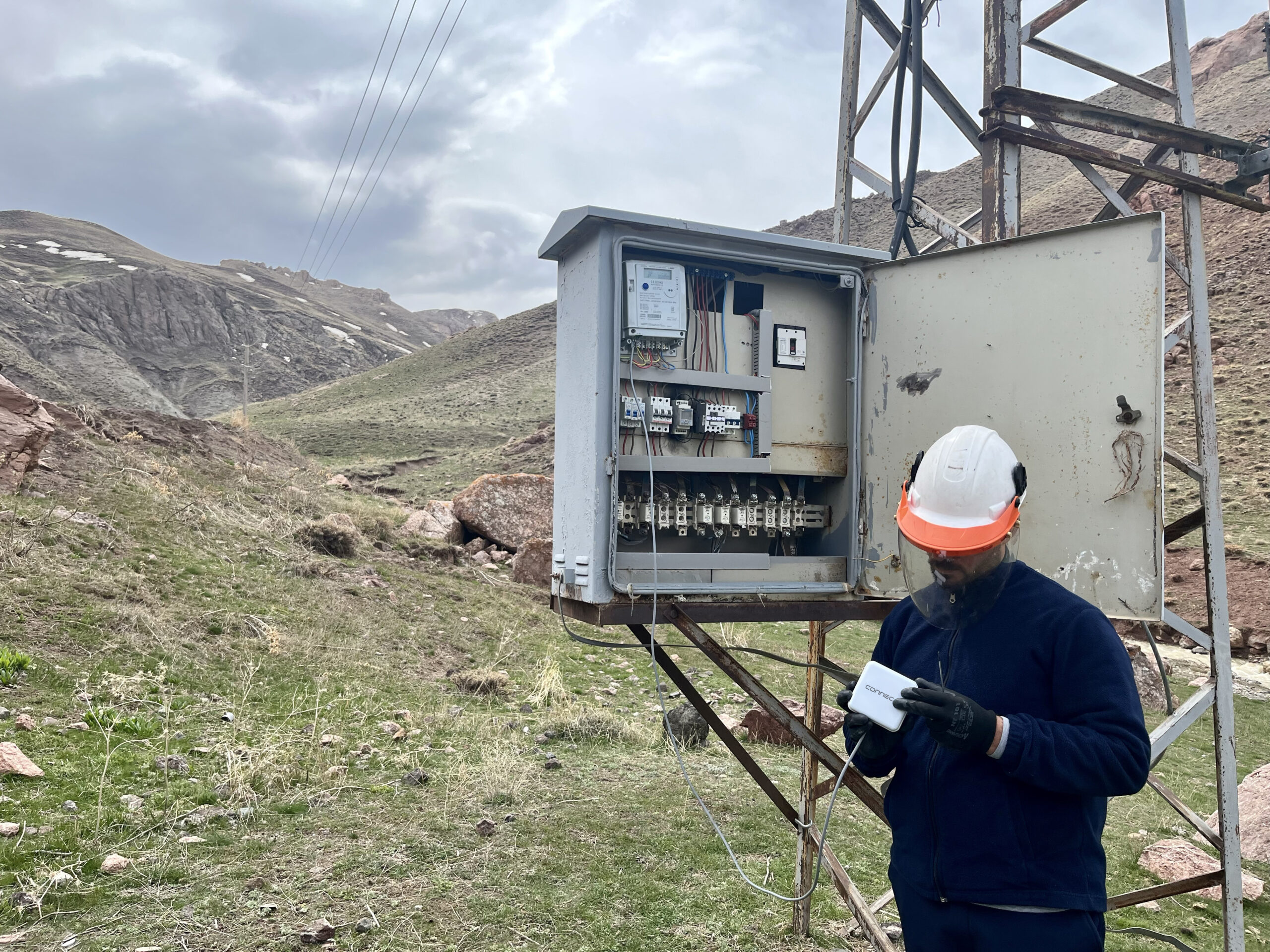
Smart Meter Reading in Remote Areas: How Satellite IoT Reduces Field Visits
Satellite IoT enables utilities to collect smart meter data from remote areas beyond terrestrial network coverage. Through Connecta Smart Meter Reader Modems and the Connecta IoT Network, Plan-S helps utilities reduce unnecessary field visits, improve data continuity, and maintain visibility across distributed service areas.
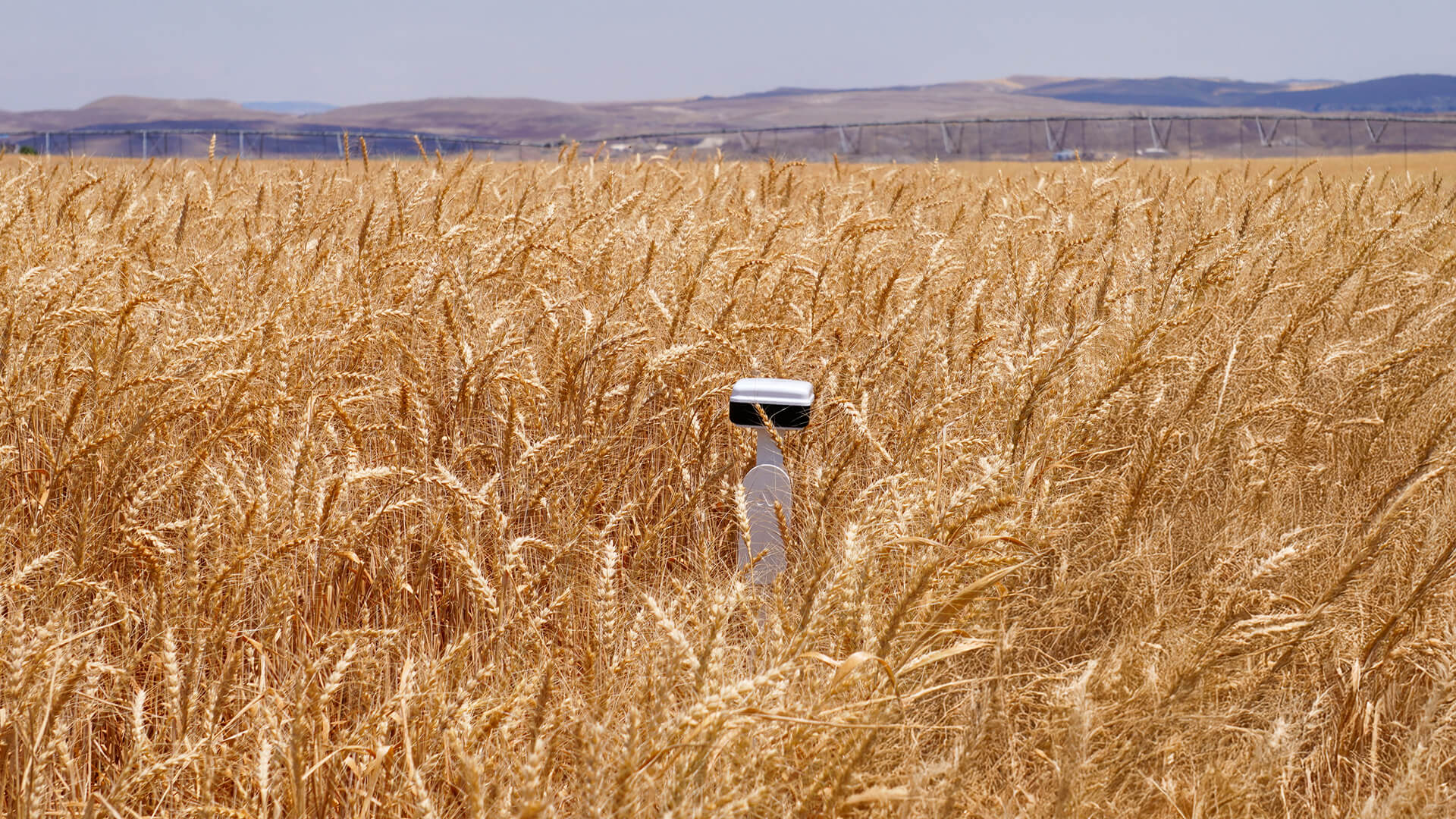
Satellite IoT for Agriculture: From Soil Data to Smarter Irrigation
Satellite IoT helps agricultural teams collect soil, irrigation, and field data from remote areas beyond terrestrial network coverage. Through Connecta, Plan-S enables smarter irrigation planning, improved resource management, and greater visibility across distributed agricultural operations.
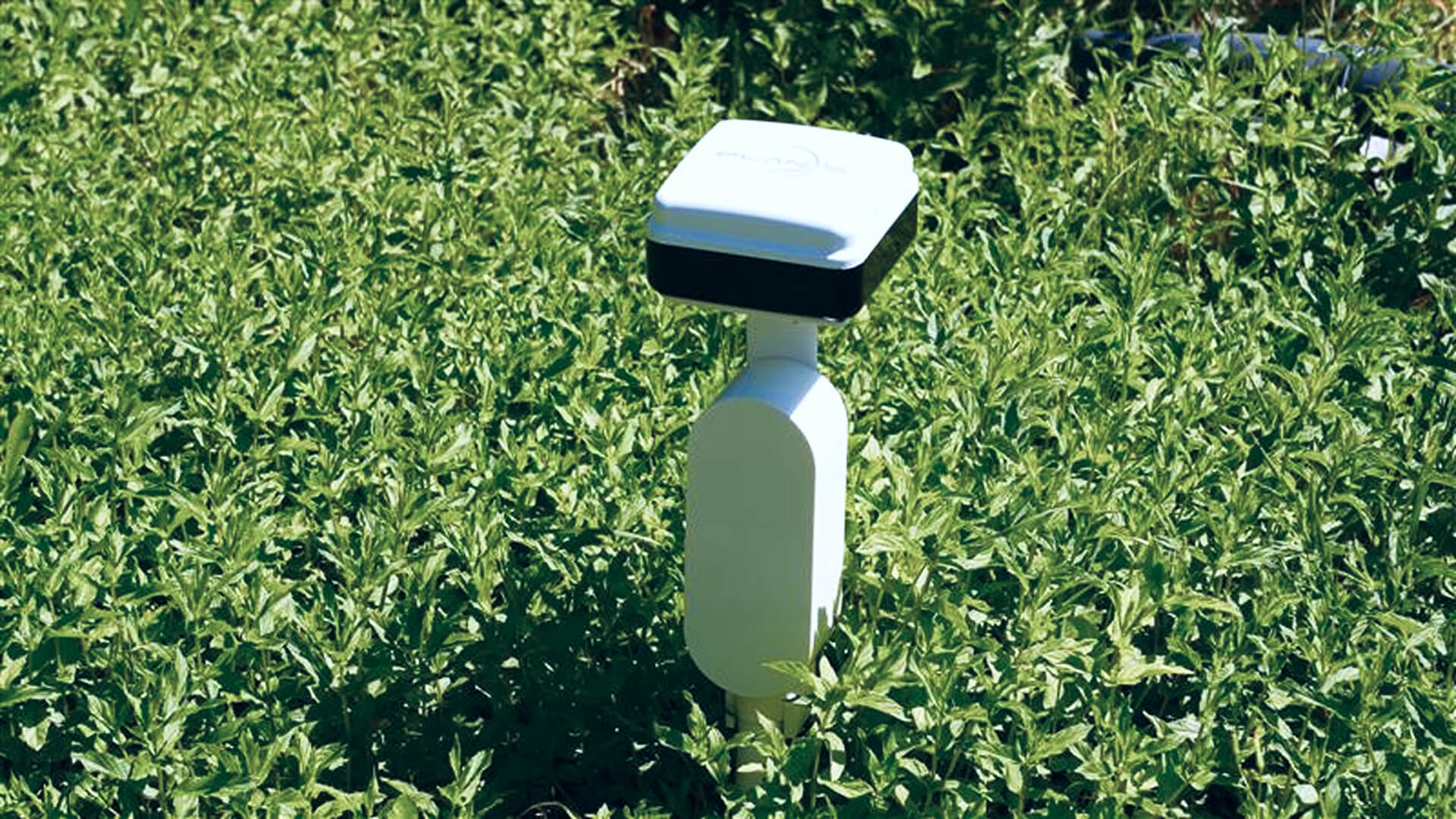
How LoRaWAN-Compatible Satellite IoT Enables Low-Power Data Transmission
LoRaWAN-compatible satellite IoT enables low-power data transmission from remote sensors, meters, trackers, and infrastructure assets operating beyond terrestrial coverage. Through Connecta, Plan-S combines satellite connectivity, IoT hardware, network infrastructure, and operational tools to support efficient, scalable, and long-term remote monitoring.
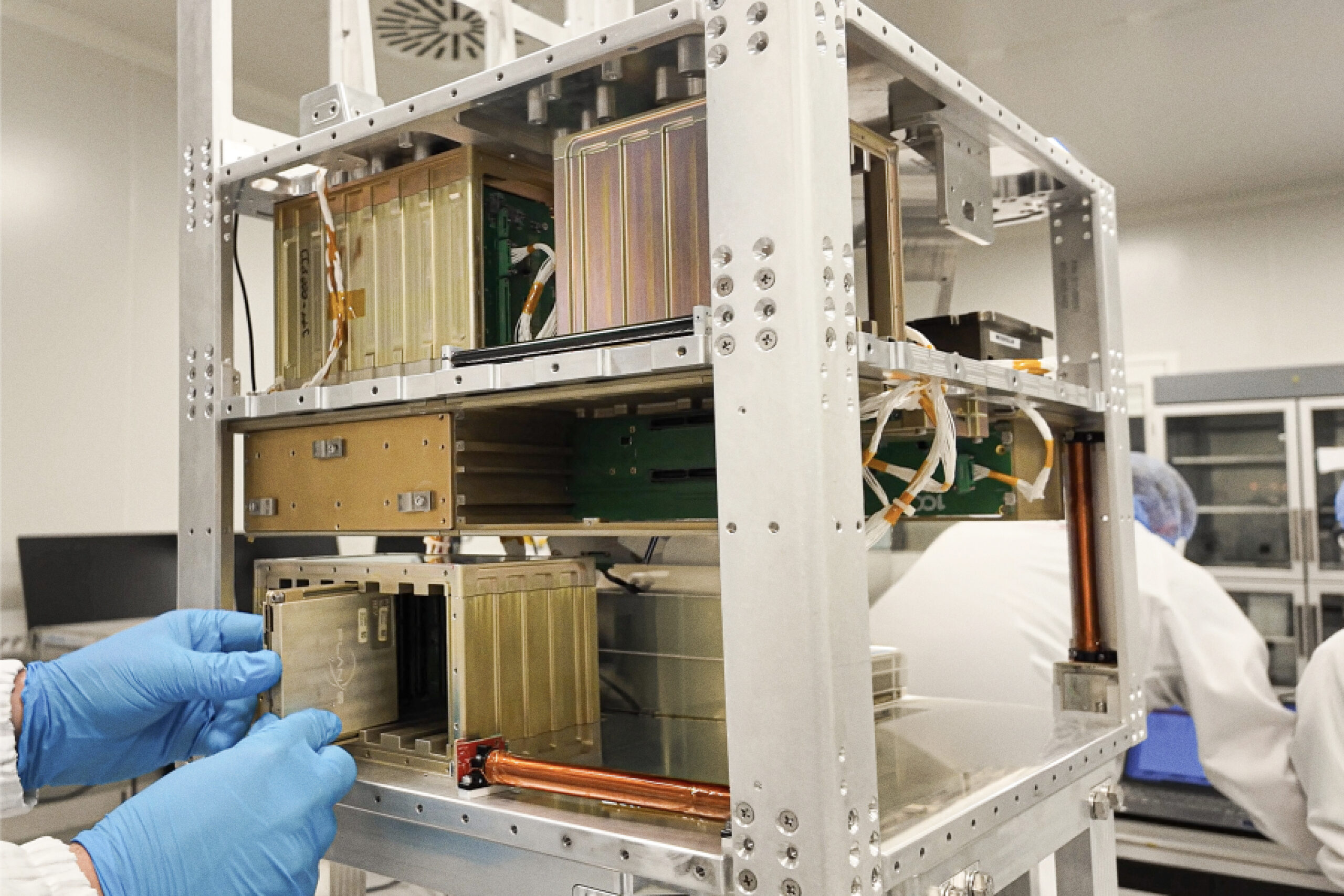
Hosted Payload Missions: A Faster Route to Flight Heritage
Hosted payload missions provide a practical route to in-orbit validation by allowing organizations to test sensors, communication systems, scientific instruments, and experimental payloads on existing spacecraft platforms. By building on Plan-S’ mission heritage and end-to-end space services capabilities, organizations can gain flight heritage while reducing the complexity of developing a dedicated satellite mission.
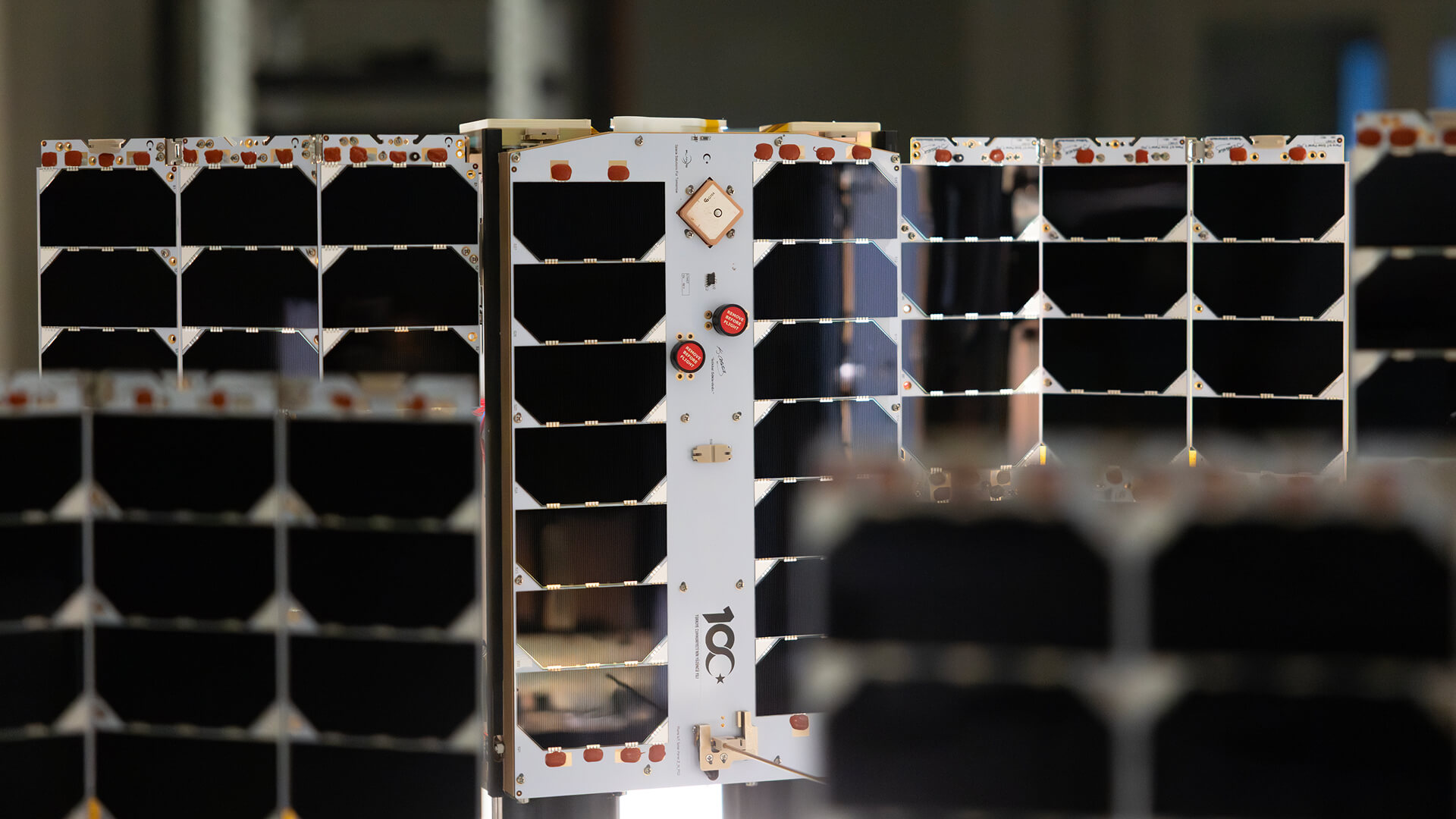
Why Flight Heritage Matters in Small Satellite Missions
Flight heritage gives satellite missions a stronger foundation by turning in-orbit experience into greater reliability, reduced uncertainty, and more mature spacecraft platforms. At Plan-S, each mission contributes to the evolution of flight-proven systems, supporting future missions from concept to orbit and from orbit to operational value.