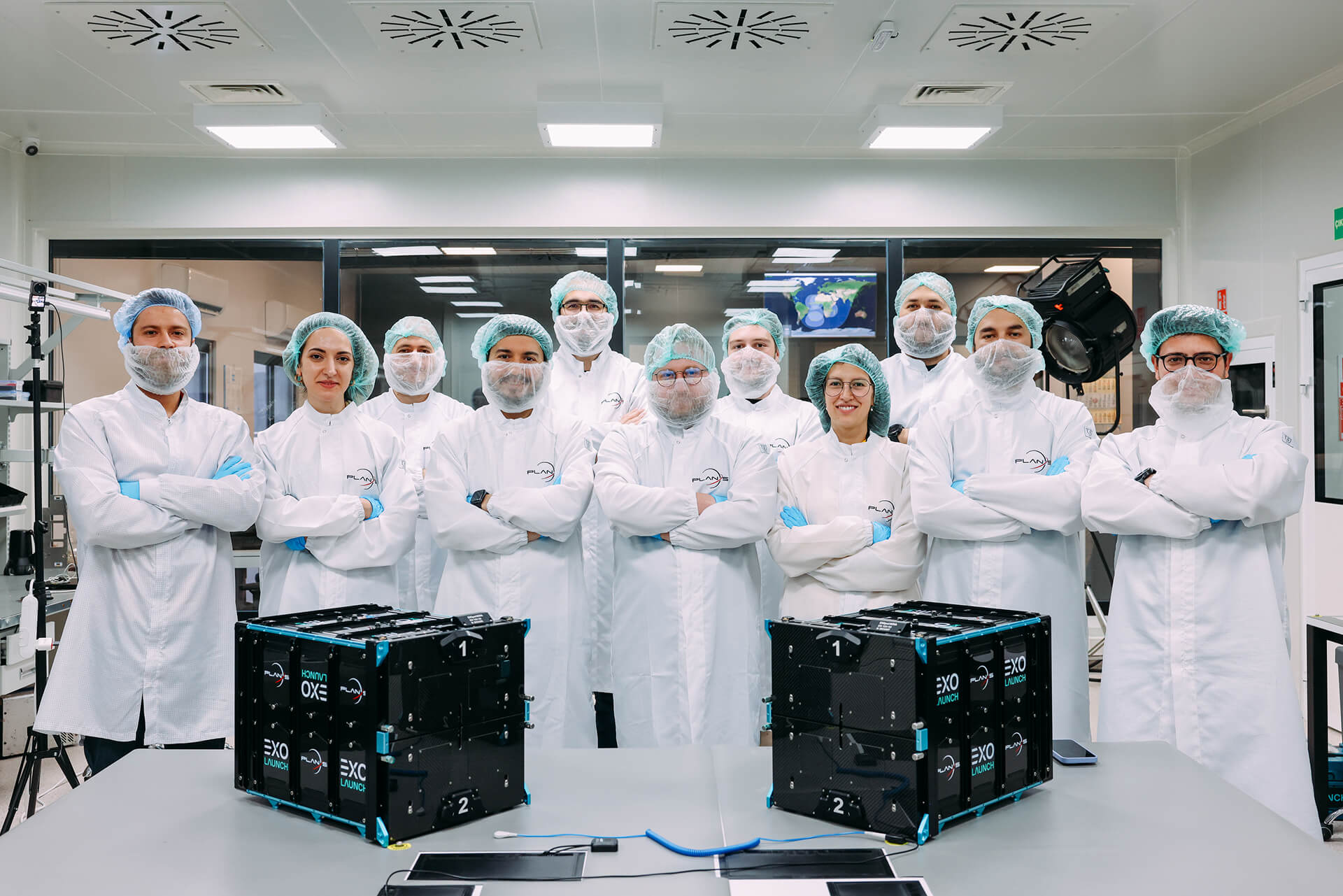


Hosted Payload Missions: A Faster Route to Flight Heritage
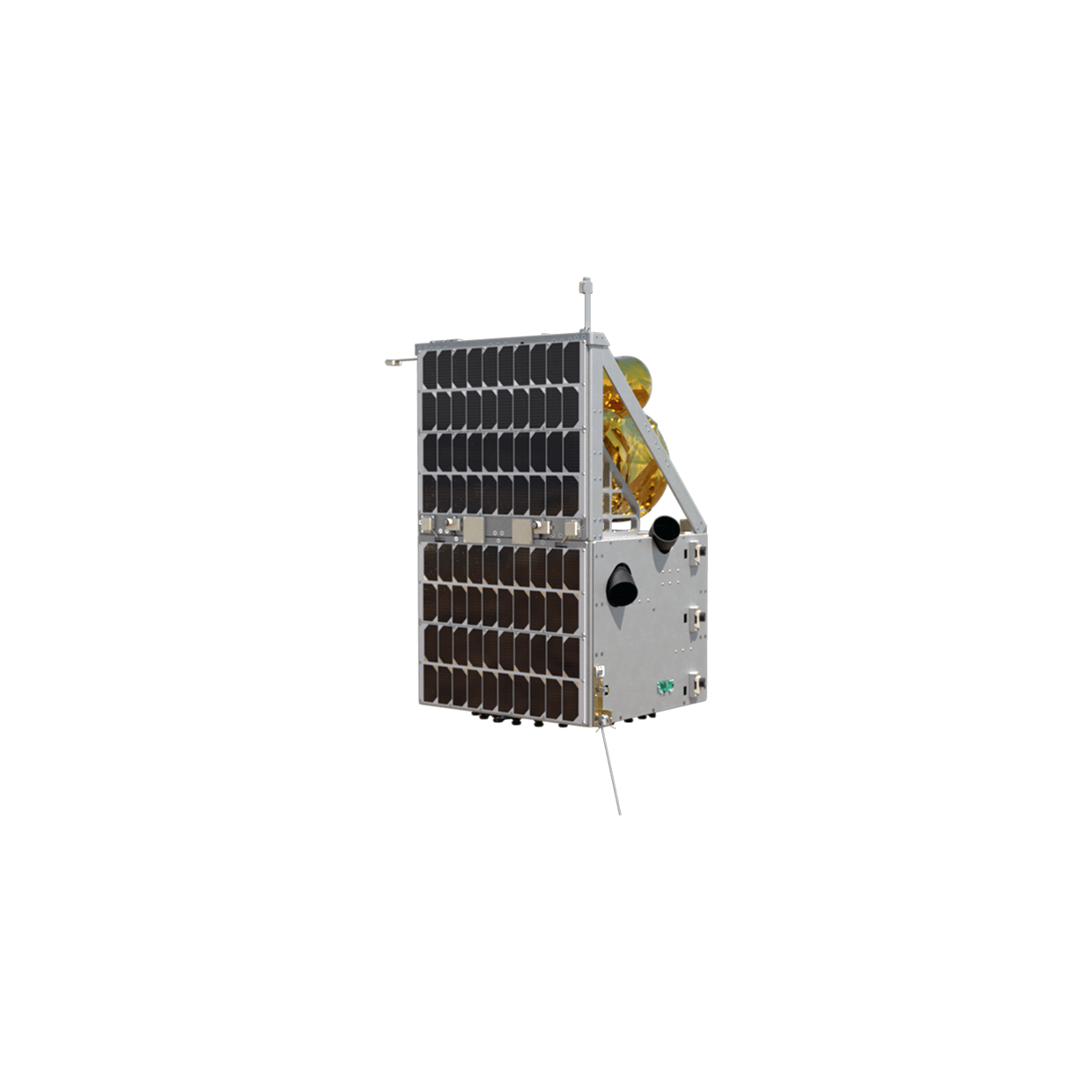
Hosted payload missions provide a practical route to in-orbit validation by allowing organizations to test sensors, communication systems, scientific instruments, and experimental payloads on existing spacecraft platforms. By building on Plan-S’ mission heritage and end-to-end space services capabilities, organizations can gain flight heritage while reducing the complexity of developing a dedicated satellite mission.

June 17, 2026

7 minute reading
#cubesat
#microsat
Developing a new space technology is only the beginning of the journey.
Before a sensor, communication system, scientific instrument, onboard software, or experimental payload can move toward operational use, it must prove that it can perform in the environment it was designed for.
Ground testing, simulation, and laboratory validation are essential steps in this process. They help engineering teams understand performance limits, identify risks, and improve system readiness. However, some questions can only be answered in orbit.
How does the technology behave under real mission conditions?
How does it respond to the space environment over time?
Can it operate reliably once exposed to launch loads, thermal cycles, radiation, vacuum, and long-term orbital operations?
Most importantly, can it deliver the performance required for future missions?
For many organizations, answering these questions is a critical step between development and deployment.
This is where hosted payload missions become valuable.
From Testing to Proof
In the space industry, flight heritage carries significant weight.
Flight heritage refers to the operational experience gained when a technology successfully functions in orbit. It provides a level of confidence that ground testing alone cannot fully deliver.
A payload that has already flown in space gives mission operators, customers, investors, and future partners a stronger basis for decision-making. It shows that the technology has moved beyond theoretical readiness and has demonstrated performance under real operational conditions.
This matters because the path from development to adoption is often shaped by proof.
A new technology may be promising in design. It may perform well in controlled test environments. But for many future missions, commercial opportunities, and large-scale deployment programs, in-orbit validation becomes a key milestone.
Technologies that can demonstrate their capabilities in space are often better positioned to move into operational programs, future satellite missions, and commercial service models.
Not Every Payload Needs Its Own Satellite
Traditionally, gaining flight heritage often required launching a dedicated satellite mission.
While this approach can provide maximum flexibility and mission control, it also introduces significant complexity. Developing and operating a complete spacecraft requires platform design, subsystem integration, testing, launch coordination, ground segment planning, regulatory processes, commissioning, and in-orbit operations.
For many organizations, that level of commitment may not be necessary.
In some cases, the objective is not to build and operate an entire satellite. The objective is to validate a specific payload, collect operational data, and demonstrate that a technology can perform in orbit.
Hosted payload missions offer a practical alternative.
Instead of developing a dedicated spacecraft, organizations can integrate their payload onto an existing satellite platform. This allows teams to focus on their core technology while relying on an established spacecraft system to provide the infrastructure required for orbital validation.
By reducing the need to manage a full satellite mission independently, hosted payload missions can simplify the path to space and make in-orbit testing more accessible.
A Faster Route to Orbit
Hosted payload missions are commonly used for technology demonstrations, sensor validation, communication experiments, scientific research, software-defined payload testing, and early-stage commercial applications.
They help organizations collect real mission data, evaluate system performance, identify improvement areas, and gain operational experience before committing to larger or dedicated programs.
For emerging technologies, this can be a decisive step.
In-orbit validation helps reduce uncertainty. It supports future mission planning. It strengthens technical credibility. It also provides the flight heritage that many stakeholders look for before adopting a technology at scale.
As access to space becomes more flexible, hosted payload missions are increasingly used as a bridge between concept development and operational deployment.
They allow organizations to move faster, learn earlier, and make better-informed decisions before scaling their technology into dedicated missions, constellations, or long-term services.
Why Hosted Payload Missions Matter
Hosted payload missions create value by lowering the complexity of in-orbit validation.
For startups, they can provide a practical way to demonstrate a technology without carrying the full cost and responsibility of a complete satellite program. For research institutions, they can support scientific experimentation and applied space research. For commercial companies, they can help validate new products, communication systems, sensors, or data-driven services. For government and defense organizations, they can support rapid experimentation, capability development, and mission-specific testing.
Across these use cases, the need is similar: access to orbit without unnecessary program complexity.
A hosted payload approach allows organizations to focus on what they need to prove, while the spacecraft platform, mission execution, and operational infrastructure are managed through an established mission framework.
This makes hosted payload missions especially relevant for organizations seeking speed, flexibility, and flight-proven validation.
Built on Mission Heritage
At Plan-S, hosted payload missions are supported by a growing foundation of in-orbit experience.
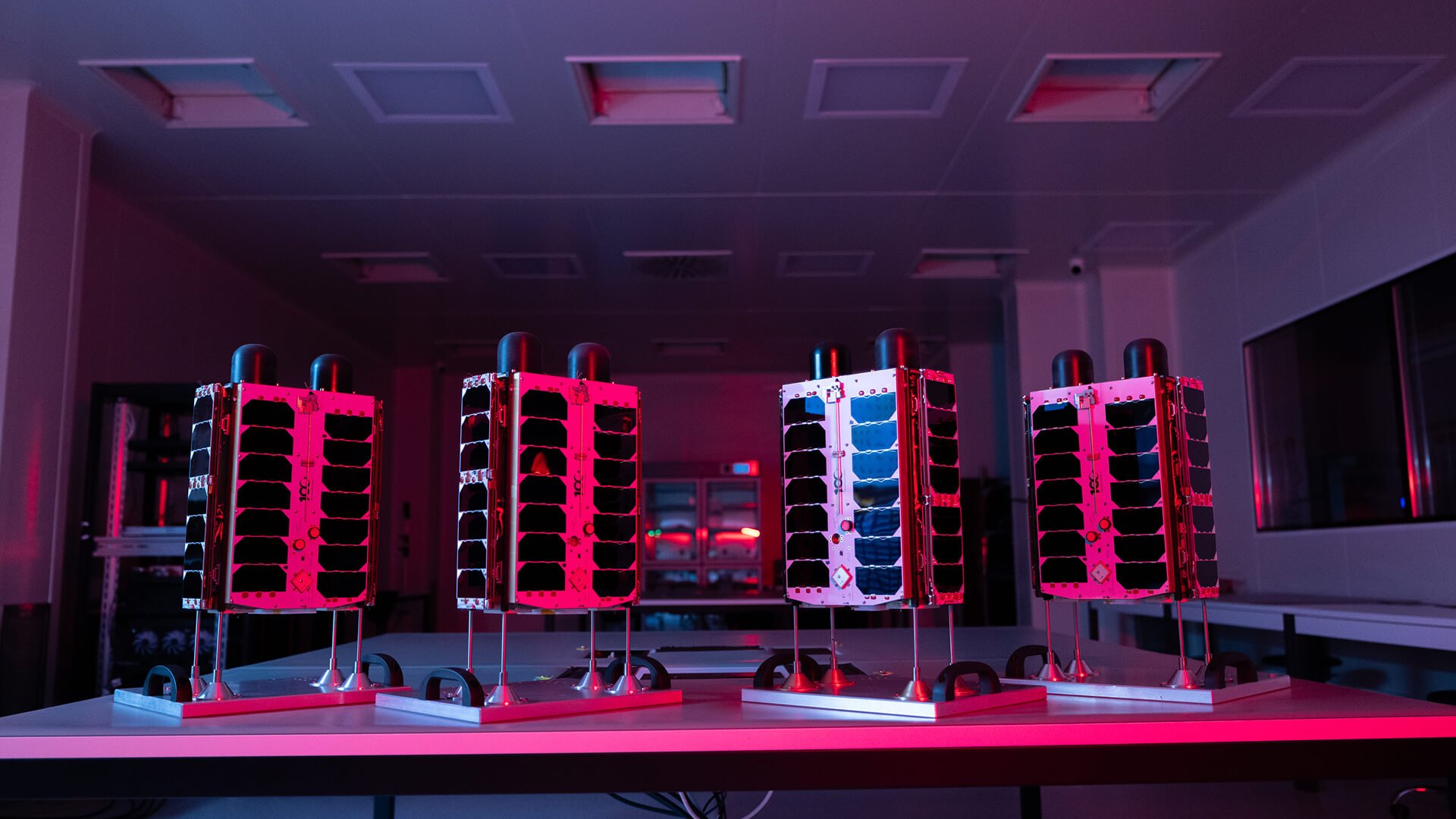
Through its mission heritage, Plan-S has developed and operated satellite platforms, integrated payloads, demonstrated communication technologies, validated onboard systems, and gained operational experience across multiple missions.
The Connecta mission series has played an important role in this progression. Beginning with early validation missions and continuing through more advanced capabilities, Plan-S has demonstrated technologies including IoT connectivity, software-defined radio systems, imaging payloads, and inter-satellite link capabilities.
Each mission has contributed to a growing body of knowledge.
This experience strengthens platform development, subsystem maturity, payload integration processes, ground segment operations, launch coordination, and in-orbit mission management. It also allows future hosted payload missions to benefit from proven workflows and accumulated operational insight.
For customers, this means access to more than a spacecraft slot. It means access to an integrated mission environment shaped by real flight experience.
Plan-S’ Hosted Payload Mission Capability
Plan-S supports hosted payload missions through its end-to-end space services capabilities.
This includes mission analysis, payload accommodation studies, interface definition, spacecraft platform development, integration, environmental testing, launch coordination, commissioning, and in-orbit operations. By managing these elements within a unified framework, Plan-S helps organizations reduce the complexity traditionally associated with reaching space.
Hosted payload missions can be supported across different platform architectures depending on mission needs, payload requirements, power budget, data volume, pointing needs, operational timeline, and future scalability.
This flexibility allows organizations to validate technologies in orbit while benefiting from Plan-S’ in-house engineering, manufacturing, integration, testing, ground segment, and operations capabilities.
Rather than approaching hosted payload missions as isolated experiments, Plan-S treats them as part of a broader mission strategy. The goal is not only to reach orbit, but to generate useful operational data, demonstrate performance, and support the next step toward deployment.
Bridging Development and Deployment
For many organizations, the biggest challenge is not developing a promising technology. It is proving that the technology is ready for operational use.
Hosted payload missions help bridge that gap.
They provide a practical route to in-orbit validation, allowing teams to demonstrate performance in real space conditions without developing an entire satellite system from the ground up.
This can accelerate technology readiness, support future investment decisions, improve customer confidence, and create a stronger foundation for dedicated missions or commercial deployment.
At Plan-S, hosted payload missions build on proven mission experience and end-to-end execution capability. By leveraging established spacecraft platforms, integration expertise, launch coordination, and in-orbit operations, Plan-S helps organizations move promising technologies from ground validation to space-based proof.
Turning In-Orbit Validation into Mission Value
The value of a hosted payload mission does not end at launch.
Its real value comes from the data, insight, and confidence generated during operations. A successful hosted payload mission can validate design assumptions, reveal performance improvements, support future product development, and create the flight heritage needed for broader adoption.
For organizations developing new space technologies, this can be the step that transforms a promising concept into a mission-ready capability.
As the space economy continues to grow, hosted payload missions will play an increasingly important role in helping technologies reach orbit faster and mature with greater confidence.
Because before a technology can become part of future space infrastructure, it must first prove itself in space.
Hosted payload missions make that path more accessible, more efficient, and more achievable.
BLOG
Related Insights
Explore how space assets and ground infrastructure work together, use cases, architectures, and field results from Plan-S projects.


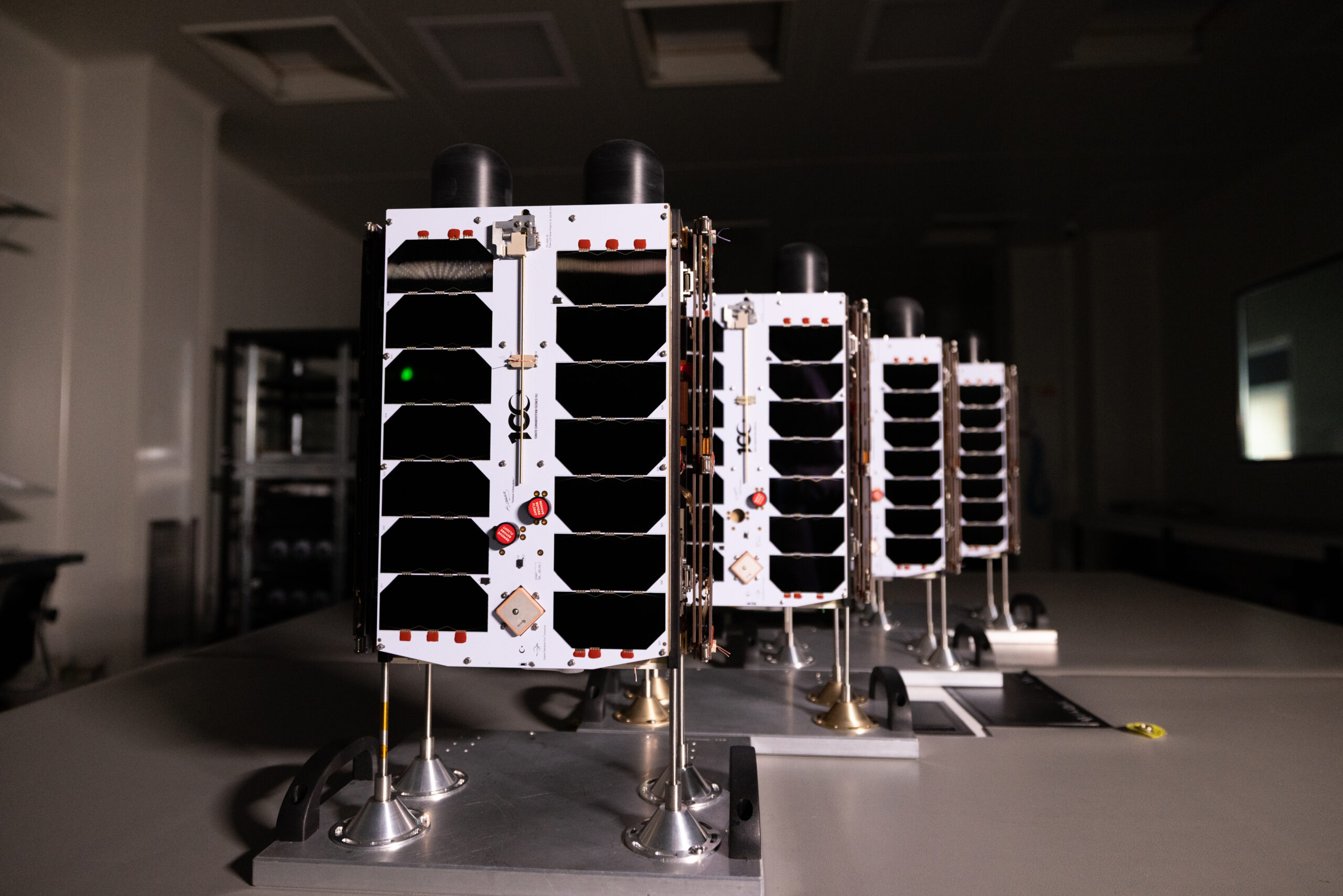
The Role of Systems Engineering in Small Satellite Mission Success
Systems engineering connects payload, power, thermal control, ADCS, communications, software, ground infrastructure, and operations into a coherent mission architecture. For small satellite missions, this system-level approach helps reduce integration risk, improve reliability, and ensure that every subsystem supports the mission objective.

LEOP Explained: What Happens After a Satellite Reaches Orbit?
Launch and Early Orbit Phase, or LEOP, is the critical stage after deployment when a satellite establishes communication, undergoes health checks, activates subsystems, verifies orbit, checks payload performance, and transitions into routine operations. A successful LEOP turns a launched spacecraft into an operational asset capable of delivering mission value.
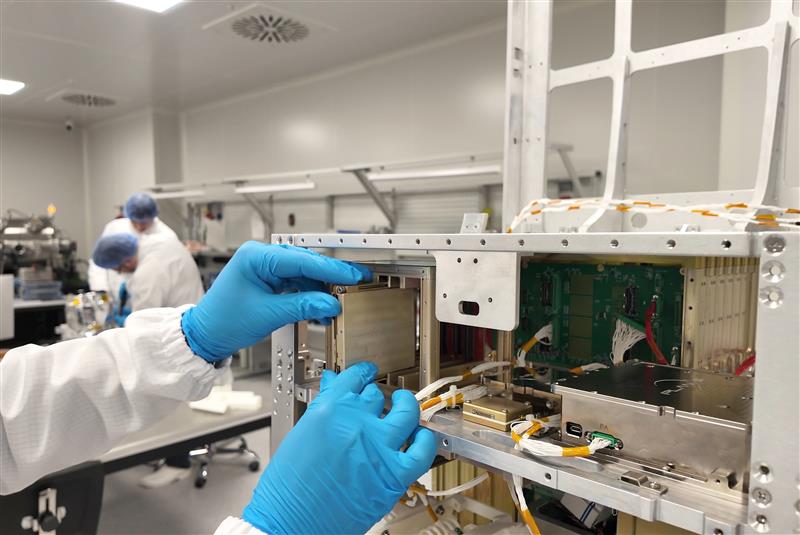
Payload Integration for Small Satellites: What Mission Teams Should Know
Payload integration is a system-level process that aligns mechanical, electrical, thermal, data, software, and operational requirements within the spacecraft architecture. For small satellite missions, successful integration helps reduce risk, validate mission readiness, and ensure that the payload can deliver reliable value in orbit.
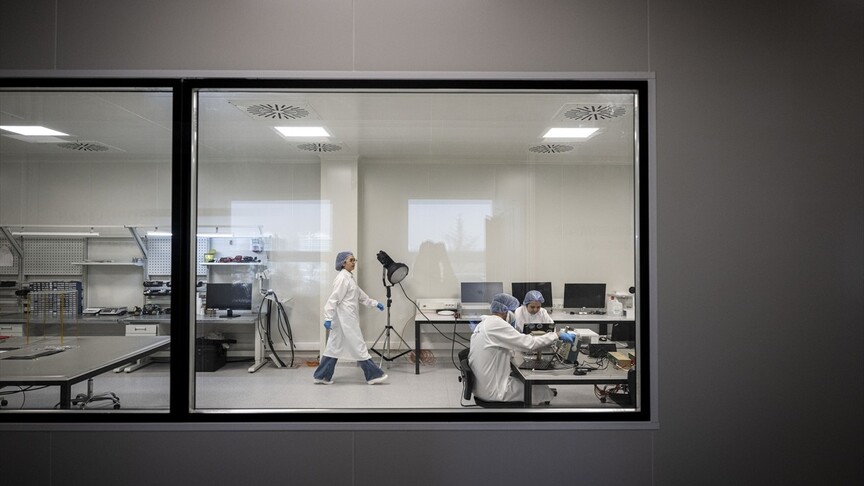
How End-to-End Satellite Services Reduce Mission Complexity
End-to-end satellite services reduce mission complexity by bringing mission design, spacecraft development, payload integration, testing, launch coordination, ground segment, data systems, and in-orbit operations under one integrated framework. With a single accountable mission partner, organizations can move from concept to orbit with greater clarity, control, and operational continuity.
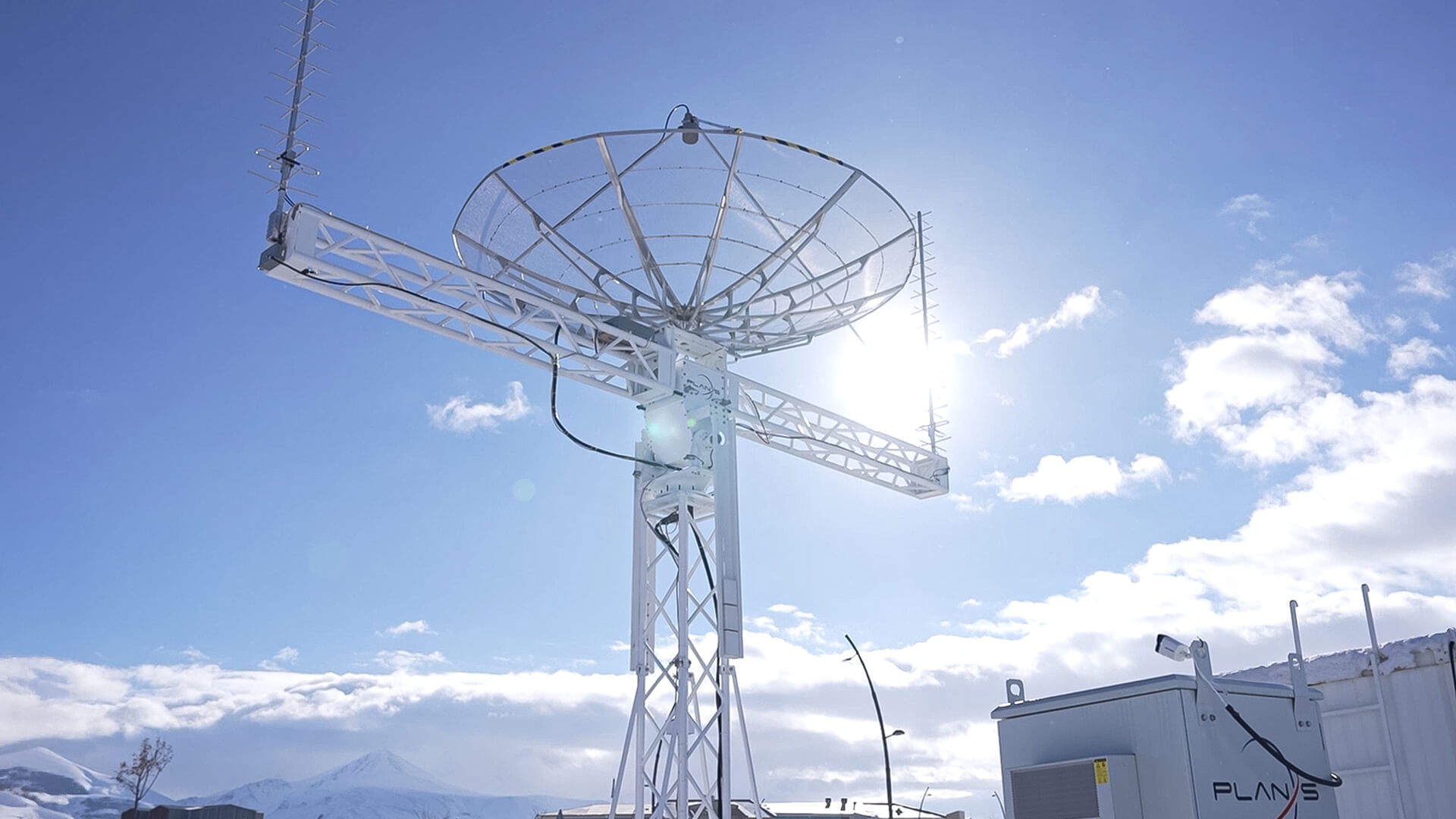
Ground Segment 101: Why Satellites Need More Than Spacecraft to Deliver Value
A satellite alone creates potential, but the ground segment turns that potential into operational value. By connecting spacecraft to mission control, data downlink, processing systems, software platforms, and user applications, the ground segment enables satellites to deliver reliable information, control, and service continuity on Earth.
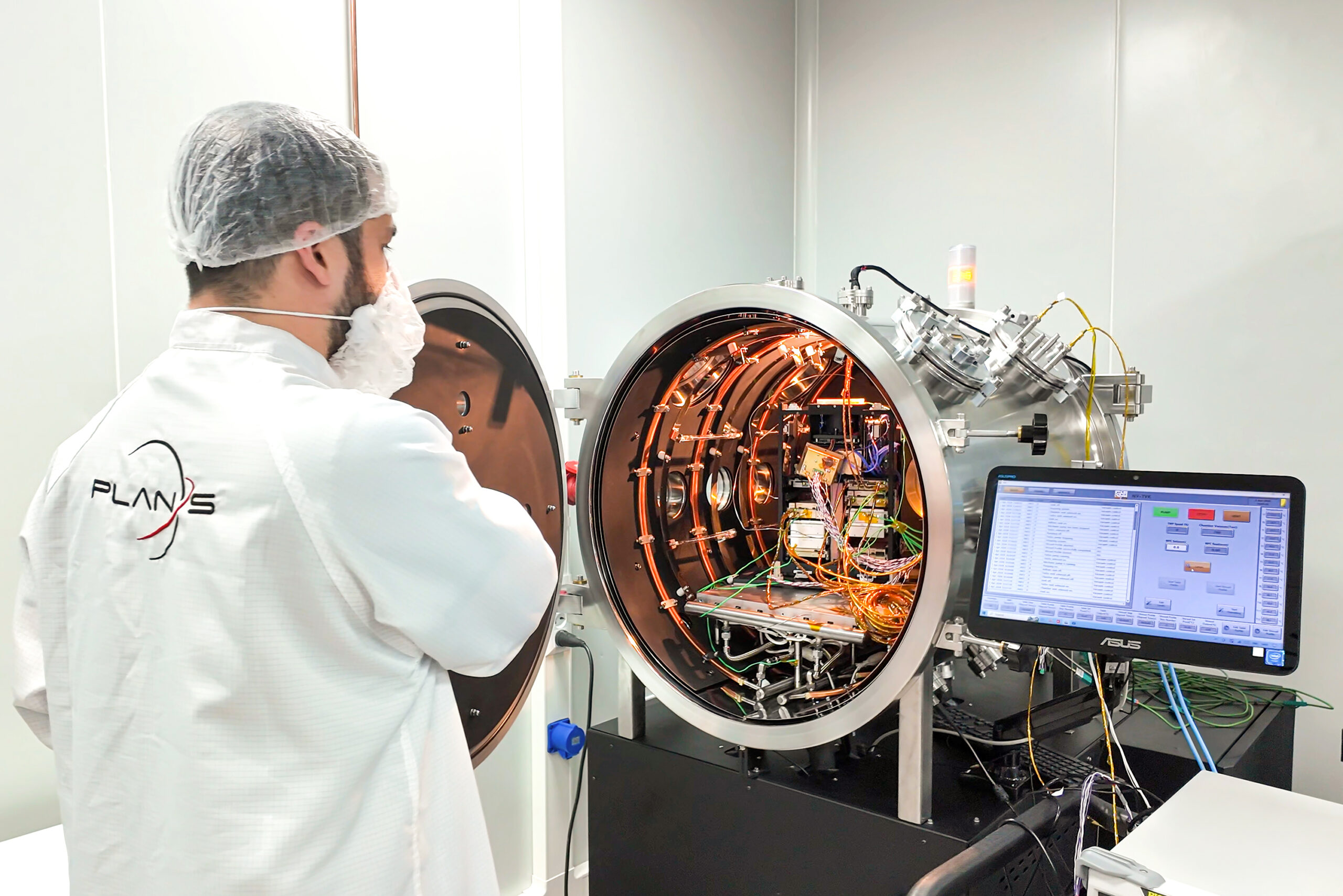
The Role of AIT in Building Reliable Small Satellites
Assembly, Integration, and Testing is one of the most critical phases in building reliable small satellites. By validating subsystems, interfaces, payload compatibility, environmental performance, and operational readiness before launch, AIT helps reduce mission risk and supports more predictable outcomes in orbit.
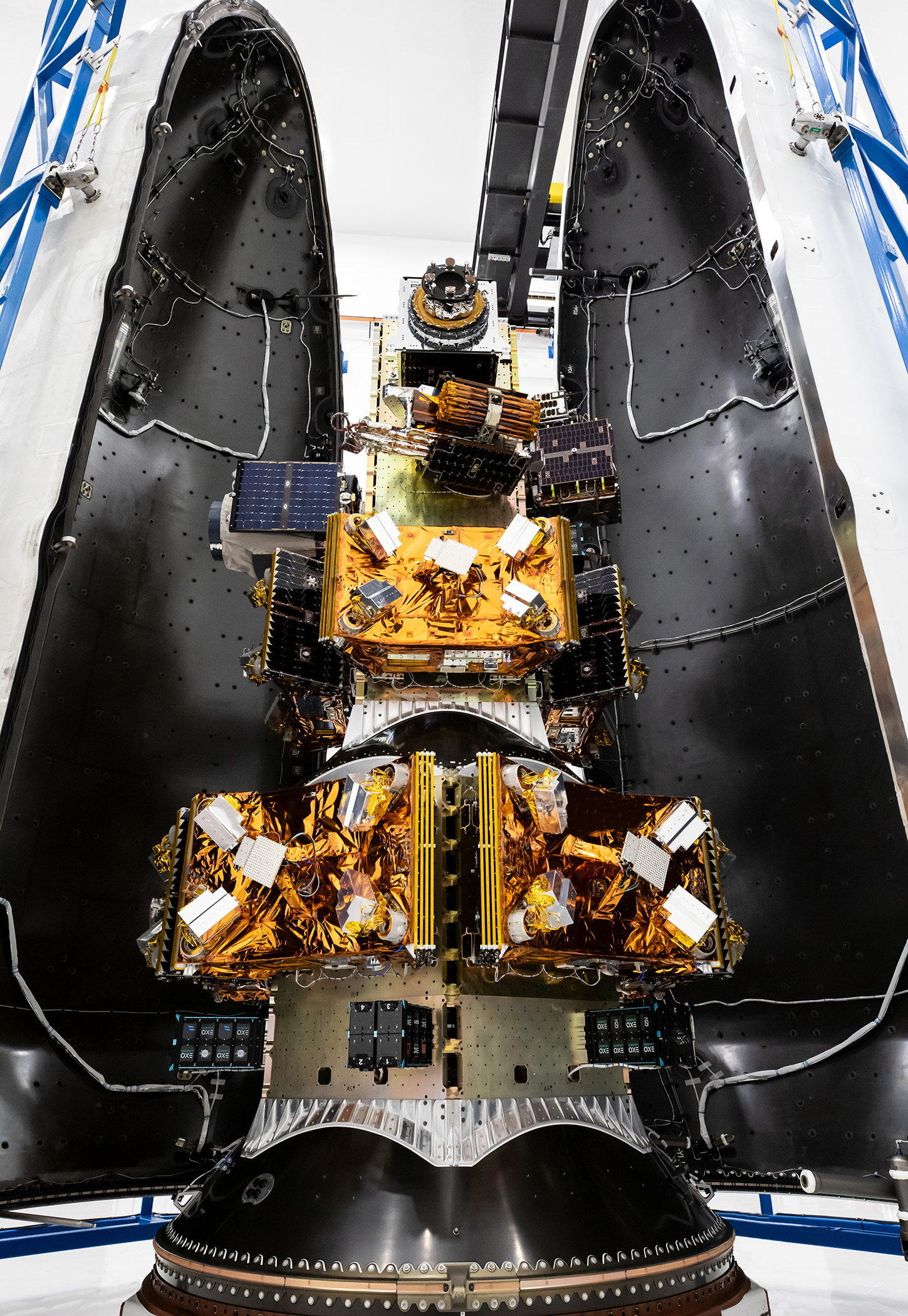
From Mission Concept to Orbit: A Step-by-Step Guide to Small Satellite Missions
A small satellite mission is a coordinated journey from concept definition and mission design to platform development, payload integration, testing, launch, licensing, operations, and data delivery. Through its end-to-end space services capabilities, Plan-S helps organizations transform mission objectives into reliable operational systems in orbit.
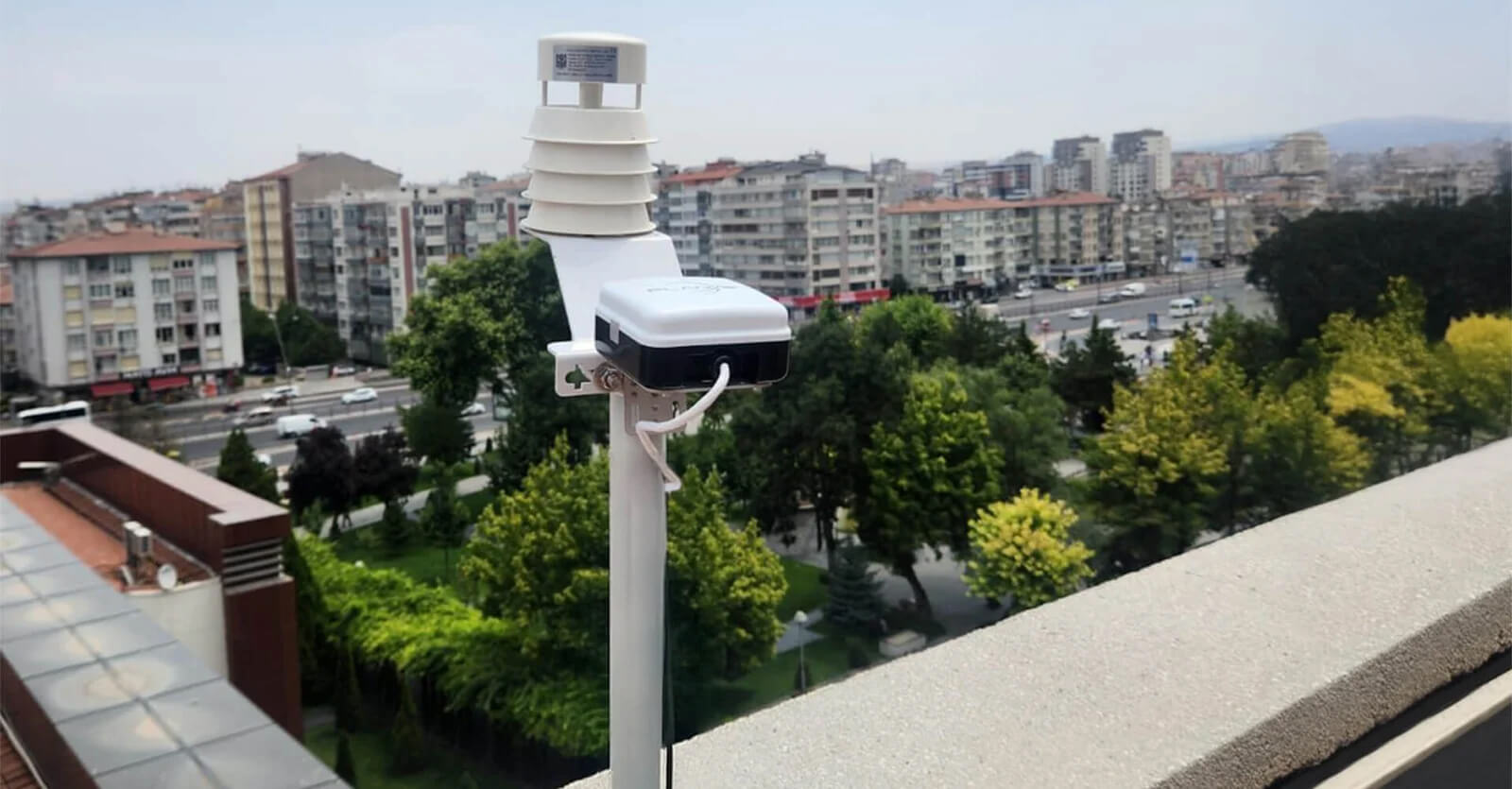
Weather Monitoring in Remote Areas: Keeping Environmental Data Flowing
Satellite IoT helps keep weather and environmental data flowing from remote monitoring points beyond terrestrial network coverage. Through Connecta, Plan-S enables reliable data transmission from distributed sensors and weather stations, supporting better planning, early warning, risk reduction, and long-term environmental visibility.
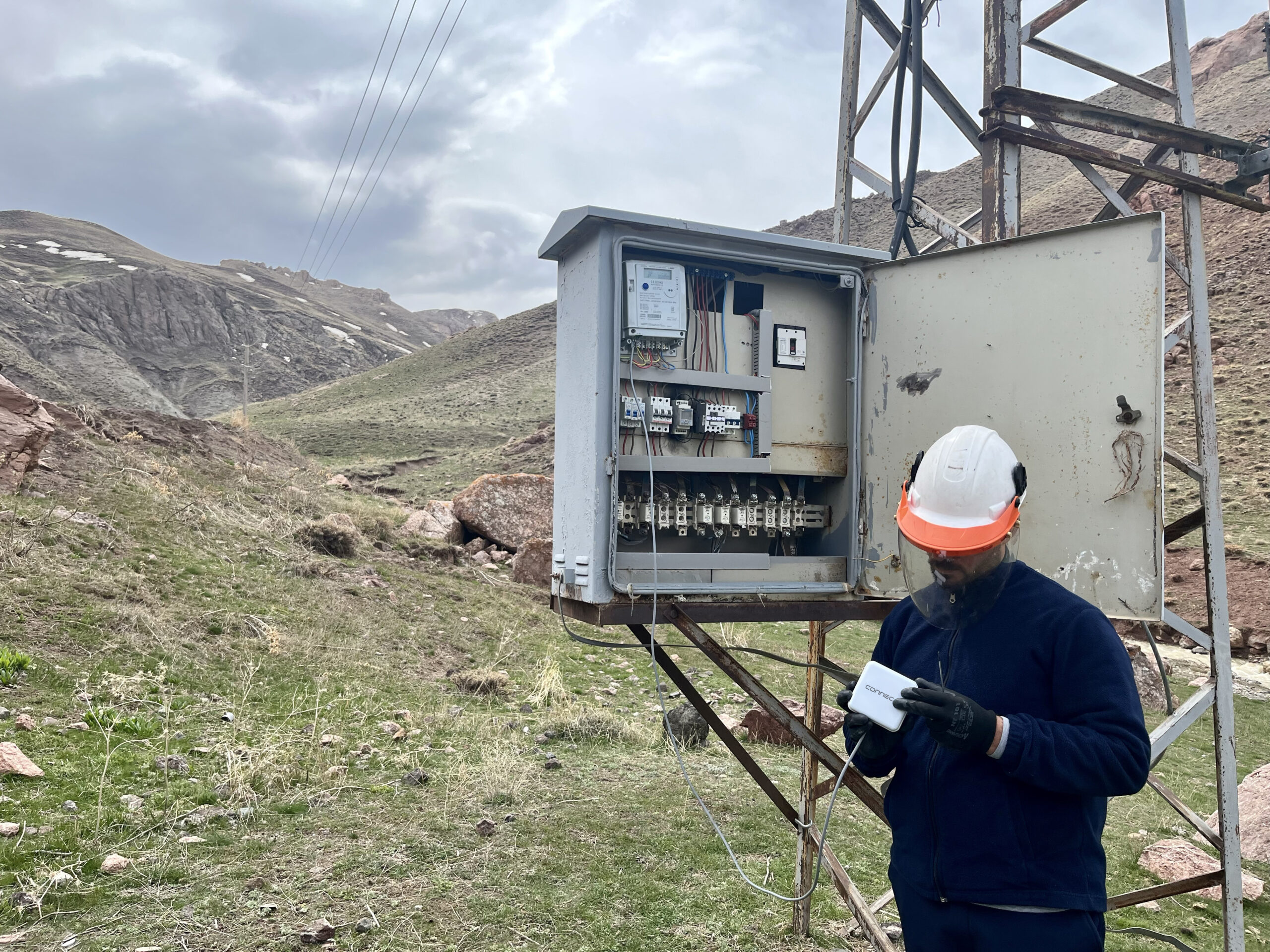
Smart Meter Reading in Remote Areas: How Satellite IoT Reduces Field Visits
Satellite IoT enables utilities to collect smart meter data from remote areas beyond terrestrial network coverage. Through Connecta Smart Meter Reader Modems and the Connecta IoT Network, Plan-S helps utilities reduce unnecessary field visits, improve data continuity, and maintain visibility across distributed service areas.

Satellite IoT for Agriculture: From Soil Data to Smarter Irrigation
Satellite IoT helps agricultural teams collect soil, irrigation, and field data from remote areas beyond terrestrial network coverage. Through Connecta, Plan-S enables smarter irrigation planning, improved resource management, and greater visibility across distributed agricultural operations.

How LoRaWAN-Compatible Satellite IoT Enables Low-Power Data Transmission
LoRaWAN-compatible satellite IoT enables low-power data transmission from remote sensors, meters, trackers, and infrastructure assets operating beyond terrestrial coverage. Through Connecta, Plan-S combines satellite connectivity, IoT hardware, network infrastructure, and operational tools to support efficient, scalable, and long-term remote monitoring.
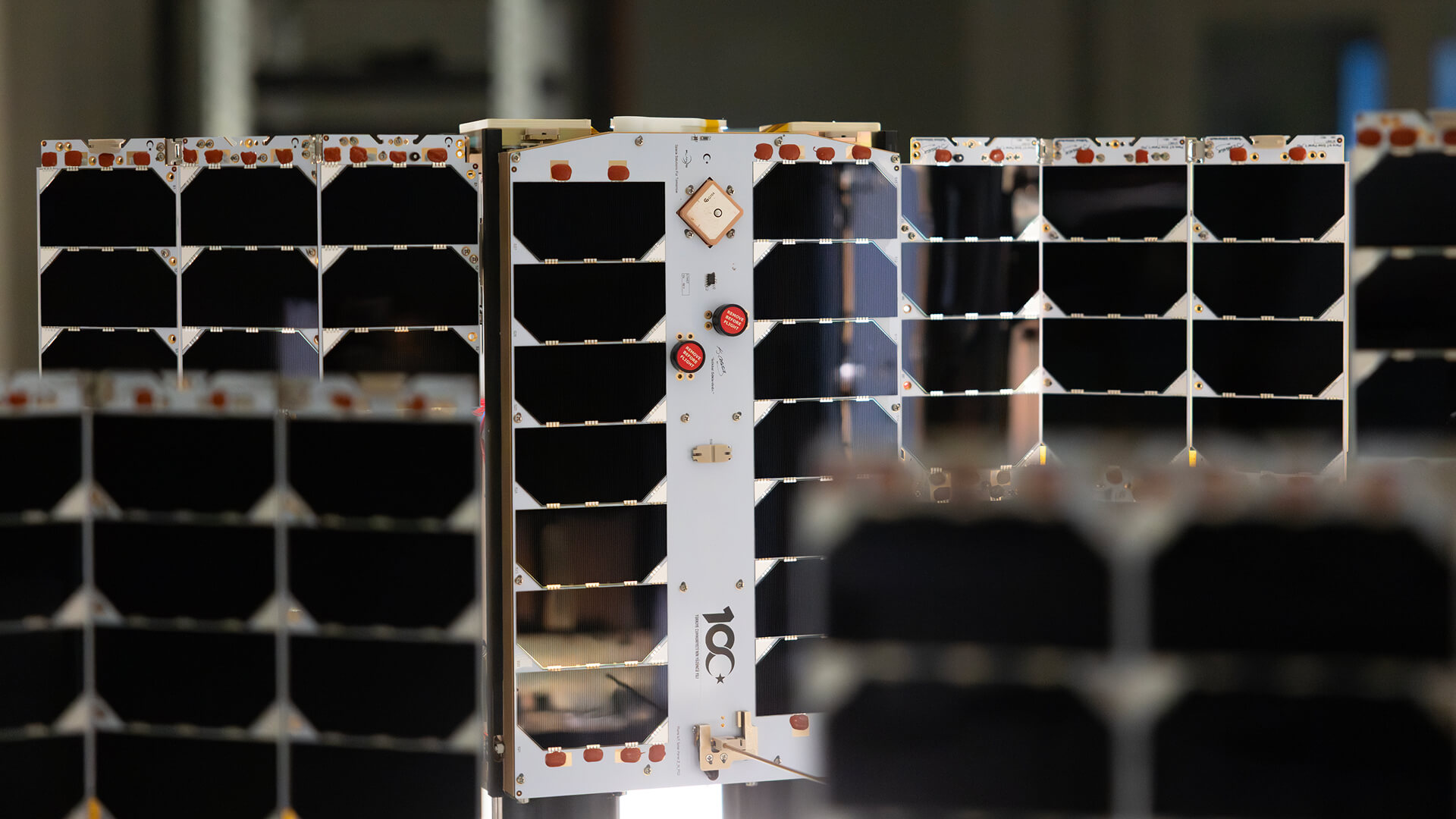
Why Flight Heritage Matters in Small Satellite Missions
Flight heritage gives satellite missions a stronger foundation by turning in-orbit experience into greater reliability, reduced uncertainty, and more mature spacecraft platforms. At Plan-S, each mission contributes to the evolution of flight-proven systems, supporting future missions from concept to orbit and from orbit to operational value.