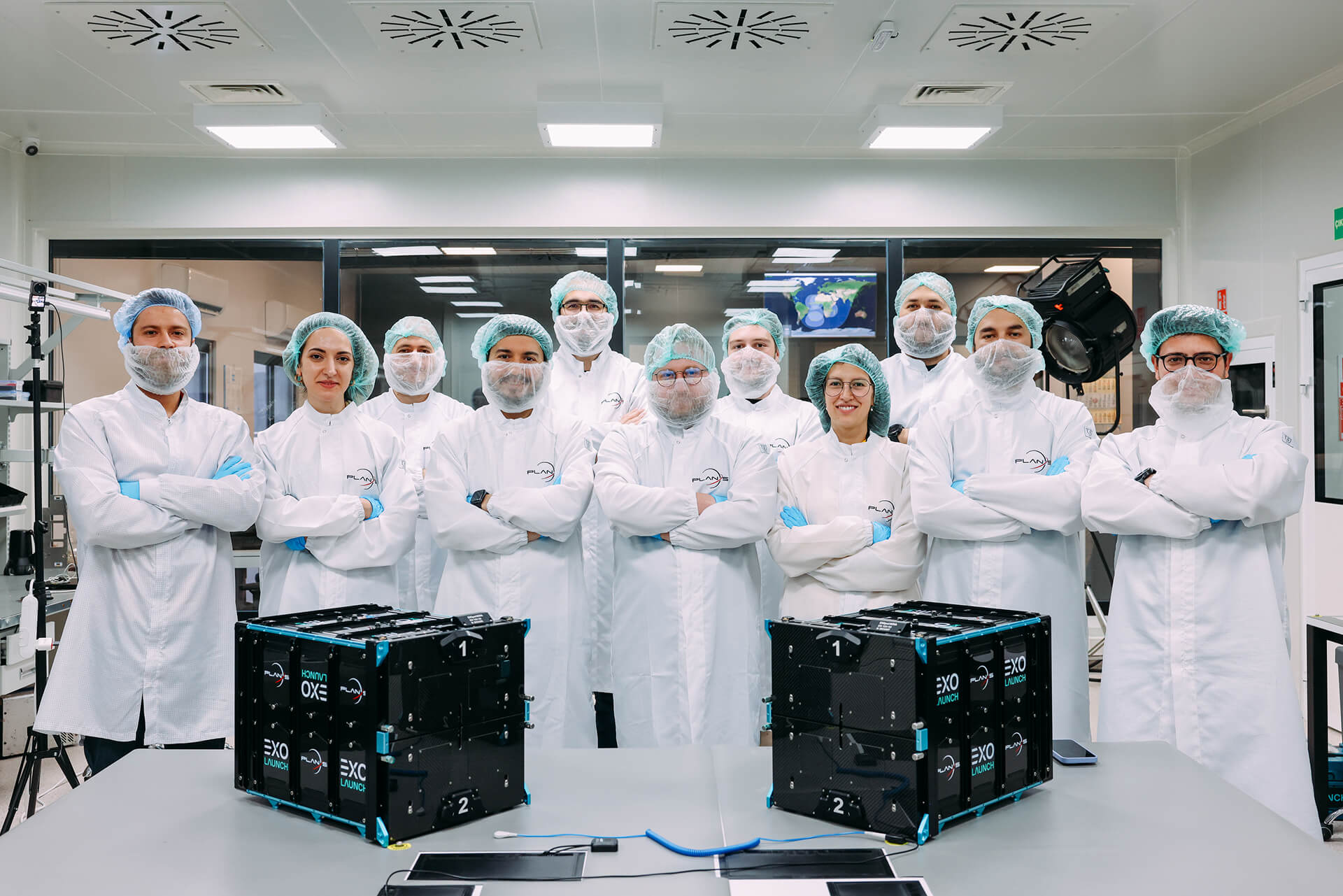


The Role of AIT in Building Reliable Small Satellites
Assembly, Integration, and Testing is one of the most critical phases in building reliable small satellites. By validating subsystems, interfaces, payload compatibility, environmental performance, and operational readiness before launch, AIT helps reduce mission risk and supports more predictable outcomes in orbit.

June 23, 2026

9 minute reading
#cubesat
#microsat
Space missions demand precision at every stage.
Once a satellite is launched and deployed into orbit, direct physical intervention is no longer possible. Every subsystem, interface, connection, and operational function must perform as intended in an environment where there is little room for correction.
This is why reliability cannot be treated as a final checkpoint.
It must be engineered into the spacecraft throughout the development process.
Assembly, Integration, and Testing, commonly known as AIT, is one of the most critical phases in building reliable small satellites. It transforms a spacecraft from a collection of subsystems into a verified, flight-ready system. More importantly, it helps reduce uncertainty before launch by proving that the satellite can operate as designed under demanding mission conditions.
For small satellite missions, where development timelines are often shorter and mission expectations continue to grow, AIT plays a central role in turning engineering design into operational confidence.
Reliability Begins Before Launch
A satellite mission begins long before a spacecraft reaches orbit.
Design decisions, subsystem selection, manufacturing quality, platform architecture, payload requirements, and operational goals all shape mission performance. However, these elements only become meaningful when they work together as one complete system.
AIT is the phase where this system-level confidence is built.
It verifies that individual components are assembled correctly, that subsystems communicate properly, that the payload can operate within the platform, and that the spacecraft can withstand the mechanical and environmental conditions it will face during launch and in orbit.
The goal is simple: identify and resolve potential issues on the ground, before they become mission-critical problems in space.
Assembly: Building the Physical Foundation
The assembly phase brings individual spacecraft elements together into a unified structure.
Power units, onboard computers, communication modules, attitude control components, thermal management systems, structural parts, harnesses, and payload interfaces are all prepared, positioned, and connected according to defined procedures.
At this stage, precision matters.
Mechanical alignment, electrical continuity, structural integrity, connector reliability, and thermal paths must all meet mission requirements. Even a small inconsistency introduced during assembly can affect downstream performance.
For small satellites, where compact architectures leave limited margin for error, controlled assembly procedures are especially important. Every component must be installed with care, every interface must be verified, and every step must be documented.
Assembly is not only about putting hardware together. It is about establishing the physical and functional foundation of the mission.
Integration: Turning Subsystems Into a Spacecraft
Once the satellite is assembled, the next challenge is ensuring that all subsystems operate together as one coordinated spacecraft.
Integration validates the relationships between hardware, software, payload, platform, and operational interfaces.
Power systems must distribute energy reliably. Onboard computers must communicate with subsystems. Communication modules must transmit and receive data as expected. Payloads must operate within available power, thermal, structural, and data handling limits. Flight software must support mission operations. Ground systems must be able to command, monitor, and control the spacecraft.
This stage often reveals the difference between design assumptions and real system behavior.
A subsystem may perform well on its own, but integration shows how it behaves inside the complete spacecraft architecture. Timing issues, interface mismatches, software conflicts, communication inconsistencies, or unexpected power behavior can be identified and corrected before launch.
By resolving these findings during integration, mission teams strengthen system resilience and reduce operational risk.
Testing: Proving Readiness for Space
Testing verifies that the satellite can survive launch and operate reliably in orbit.
This phase provides measurable evidence that the spacecraft performs under expected and extreme conditions. For small satellites, testing is essential because the mission environment includes intense launch vibrations, temperature variations, vacuum exposure, radiation effects, and long-term operational stress.
Environmental testing simulates the physical conditions the spacecraft will experience. Vibration testing helps confirm that the satellite can withstand launch loads. Thermal vacuum testing evaluates performance in temperature extremes and vacuum conditions. Thermal cycling helps reveal how systems respond to repeated changes in temperature.
Functional testing verifies that the spacecraft behaves correctly across operational scenarios.
Communication links, onboard software, power regulation, payload interfaces, data handling, telemetry, command sequences, and fault responses are tested repeatedly to confirm consistency.
The objective is not only to prove that the satellite works once. It is to prove that it can perform reliably across the conditions expected throughout the mission.
Testing reduces uncertainty. It turns confidence from an assumption into evidence.
Quality Assurance and Traceability
AIT also plays a major role in quality assurance.
A reliable satellite program depends on controlled processes, documented procedures, inspection checkpoints, and clear verification records. These elements create traceability across the production cycle and help ensure that every requirement is addressed before launch.
Quality assurance is especially important for organizations developing more than one spacecraft.
Small satellite programs often evolve from single missions into constellations, recurring launches, or scalable service infrastructures. In these cases, consistency across multiple units becomes essential.
Standardized AIT processes support repeatable production by ensuring that each spacecraft follows the same assembly protocols, integration steps, and testing sequences. This helps reduce variation, improve predictability, and support long-term operational reliability.
For mission operators, this consistency matters. It strengthens confidence not only in one satellite, but in the full system being deployed.
Risk Reduction Through Validation
Every space mission carries risk.
The purpose of AIT is not to eliminate risk entirely, but to identify, understand, and control it before launch.
Mechanical weaknesses, thermal imbalances, power irregularities, software issues, communication errors, interface problems, and payload integration challenges can all be detected during AIT. Each issue resolved on the ground represents a potential failure avoided in orbit.
This is one of the most important values of AIT.
It allows engineering teams to test the spacecraft under controlled conditions, learn how the system behaves, and make corrections while intervention is still possible.
For customers and mission stakeholders, this process provides greater confidence in mission readiness. For engineering teams, it creates a verified foundation for launch. For operators, it supports more predictable mission performance once the satellite enters orbit.
AIT for Scalable Small Satellite Production
The small satellite market is increasingly moving toward scalable architectures, recurring missions, and constellation-based services.
This shift makes AIT even more important.
When organizations build multiple satellites, reliability must be repeatable. A successful first unit is not enough. Each satellite must meet the same performance expectations, follow the same quality standards, and be validated through the same disciplined process.
AIT enables this repeatability.
By applying standardized workflows, verification frameworks, and documentation practices, satellite manufacturers can support more predictable production and reduce mission-to-mission variation.
This is particularly important for missions that depend on consistent service delivery, such as satellite IoT, Earth observation, communications, remote monitoring, and operational constellations.
In these cases, AIT supports more than spacecraft readiness. It supports service continuity.
Plan-S’ Approach to AIT and Mission Reliability
At Plan-S, AIT is an integral part of the end-to-end satellite development lifecycle.
Plan-S combines mission design, spacecraft platform development, subsystem engineering, manufacturing, payload integration, assembly, testing, launch coordination, ground segment infrastructure, and in-orbit operations within a unified framework. This integrated capability helps ensure that reliability is considered across every stage of the mission, not only at the final testing phase.
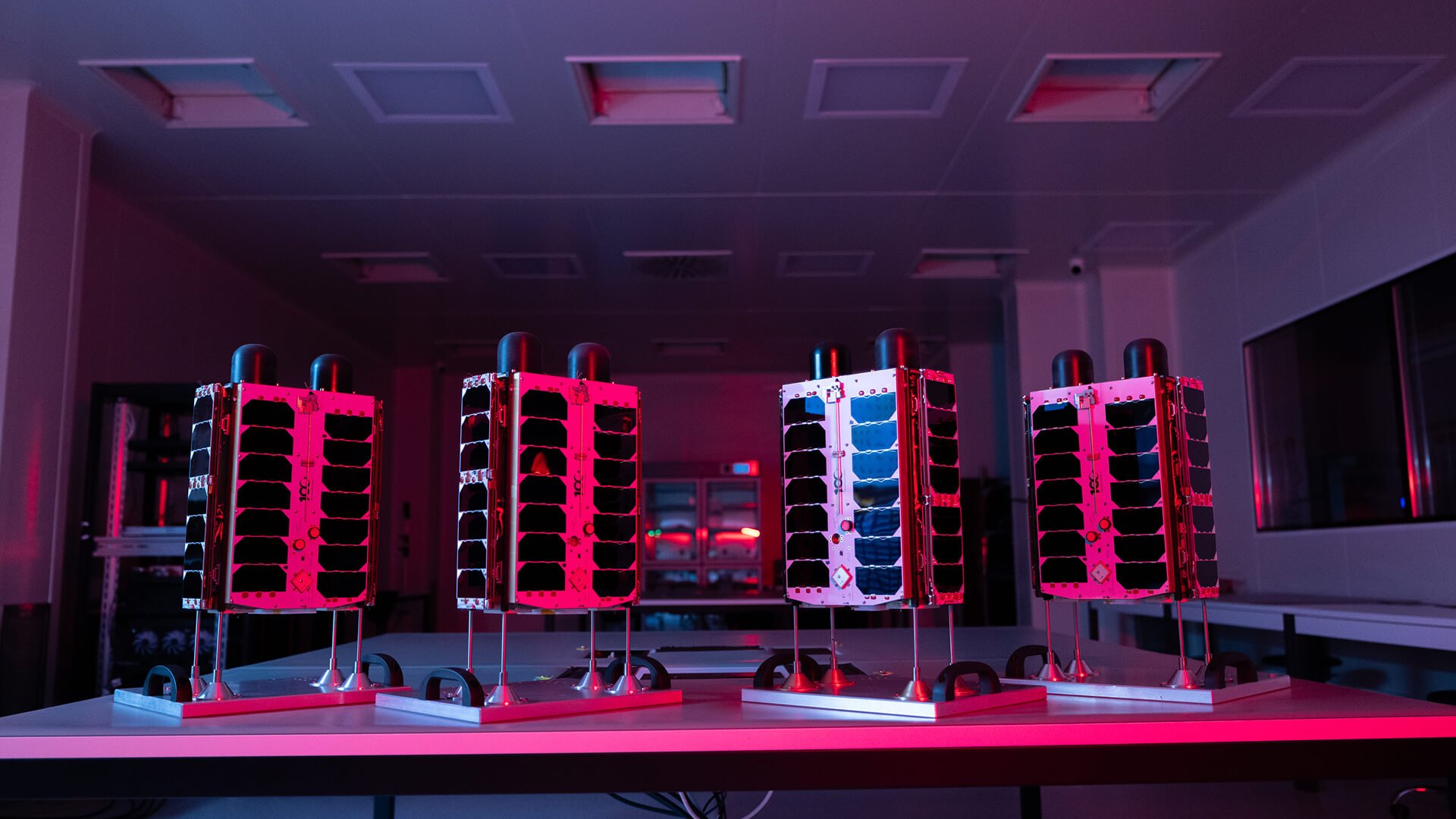
Through its in-house engineering and production capabilities, Plan-S supports the development of small satellite platforms designed for different mission needs, including CubeCore and MicroCore. These scalable platform families benefit from structured AIT processes that help validate system performance, reduce technical uncertainty, and support mission readiness.
For customers, this means working with a team that can manage the full path from concept to orbit while maintaining control over critical engineering, integration, and verification stages.
Plan-S’ approach is built around a simple principle: a satellite must be designed, assembled, integrated, tested, launched, and operated as one connected system.
From Verified Spacecraft to Operational Value
AIT is not only about preparing a satellite for launch.
It is about ensuring that the spacecraft can deliver value once it reaches orbit.
A satellite that completes AIT successfully enters its mission with verified interfaces, tested subsystems, validated operational behavior, and reduced uncertainty. This supports smoother commissioning, stronger operational confidence, and more reliable service delivery.
For missions involving connectivity, Earth observation, hosted payloads, technology demonstration, or remote monitoring, this reliability is essential.
The payload must perform. The platform must remain stable. Communication links must function. Power must be managed. Data must flow. Ground systems must maintain control. Operations must continue as planned.
AIT helps make this possible by proving that the spacecraft is ready before it leaves the ground.
Building Confidence Before Orbit
In space, reliability cannot be left to assumption.
It must be built through disciplined engineering, controlled processes, rigorous verification, and repeatable execution.
Assembly, Integration, and Testing form the foundation of that reliability. AIT turns design into a complete spacecraft, validates system behavior, exposes potential risks, and prepares the mission for the realities of launch and orbit.
For small satellite missions, this process is one of the most important contributors to mission success.
At Plan-S, AIT is part of a broader end-to-end capability that helps organizations move from mission objectives to reliable operational systems in orbit.
Because a successful satellite mission does not begin when the spacecraft reaches space.
It begins when reliability is proven on the ground.
A satellite mission moves through multiple stages, each dependent on the one before it.
Concept definition, mission design, platform selection, payload integration, testing, launch coordination, licensing, ground segment implementation, operations, and data delivery form a continuous chain.
Breaking that chain introduces risk. Managing it as one system creates clarity.
From initial idea to operational service, the mission lifecycle transforms an objective into a functioning capability in orbit. Behind that transformation are engineering discipline, regulatory coordination, operational planning, flight-proven systems, and end-to-end execution.
At Plan-S, this process is supported by a growing foundation of mission experience and integrated space infrastructure capabilities.
Because a successful satellite mission is not only about reaching orbit.
It is about delivering reliable access to information, connectivity, and operational value where it matters most.
BLOG
Related Insights
Explore how space assets and ground infrastructure work together, use cases, architectures, and field results from Plan-S projects.


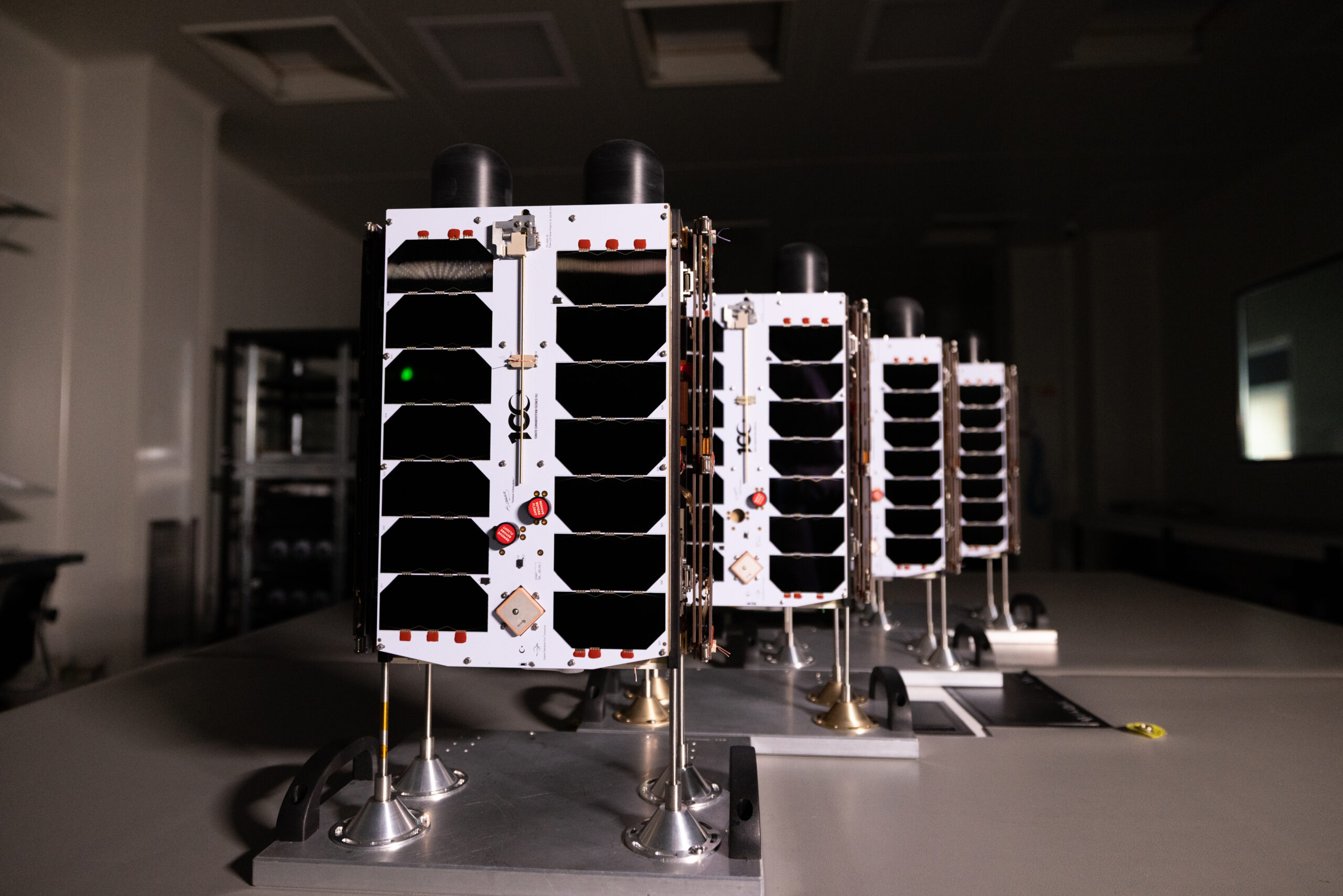
The Role of Systems Engineering in Small Satellite Mission Success
Systems engineering connects payload, power, thermal control, ADCS, communications, software, ground infrastructure, and operations into a coherent mission architecture. For small satellite missions, this system-level approach helps reduce integration risk, improve reliability, and ensure that every subsystem supports the mission objective.

LEOP Explained: What Happens After a Satellite Reaches Orbit?
Launch and Early Orbit Phase, or LEOP, is the critical stage after deployment when a satellite establishes communication, undergoes health checks, activates subsystems, verifies orbit, checks payload performance, and transitions into routine operations. A successful LEOP turns a launched spacecraft into an operational asset capable of delivering mission value.
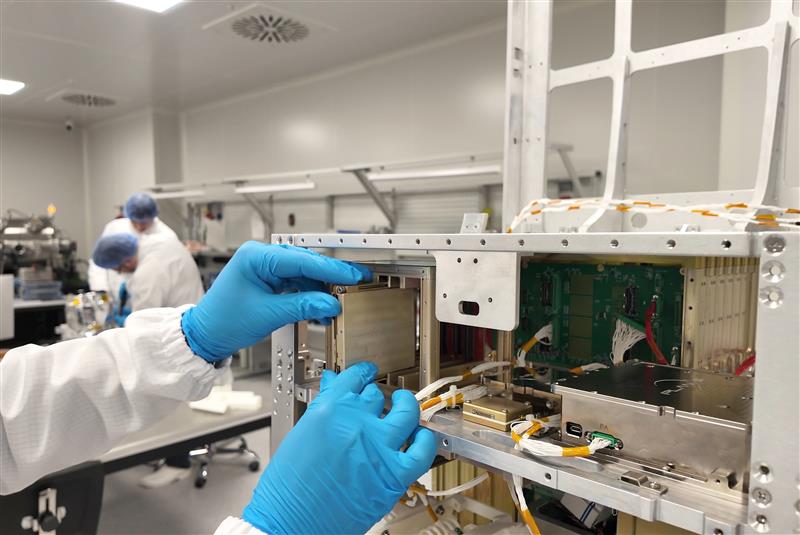
Payload Integration for Small Satellites: What Mission Teams Should Know
Payload integration is a system-level process that aligns mechanical, electrical, thermal, data, software, and operational requirements within the spacecraft architecture. For small satellite missions, successful integration helps reduce risk, validate mission readiness, and ensure that the payload can deliver reliable value in orbit.
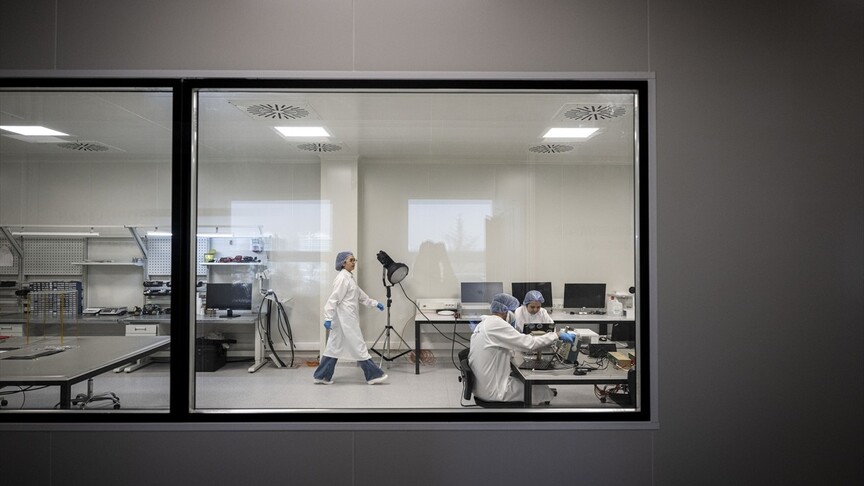
How End-to-End Satellite Services Reduce Mission Complexity
End-to-end satellite services reduce mission complexity by bringing mission design, spacecraft development, payload integration, testing, launch coordination, ground segment, data systems, and in-orbit operations under one integrated framework. With a single accountable mission partner, organizations can move from concept to orbit with greater clarity, control, and operational continuity.
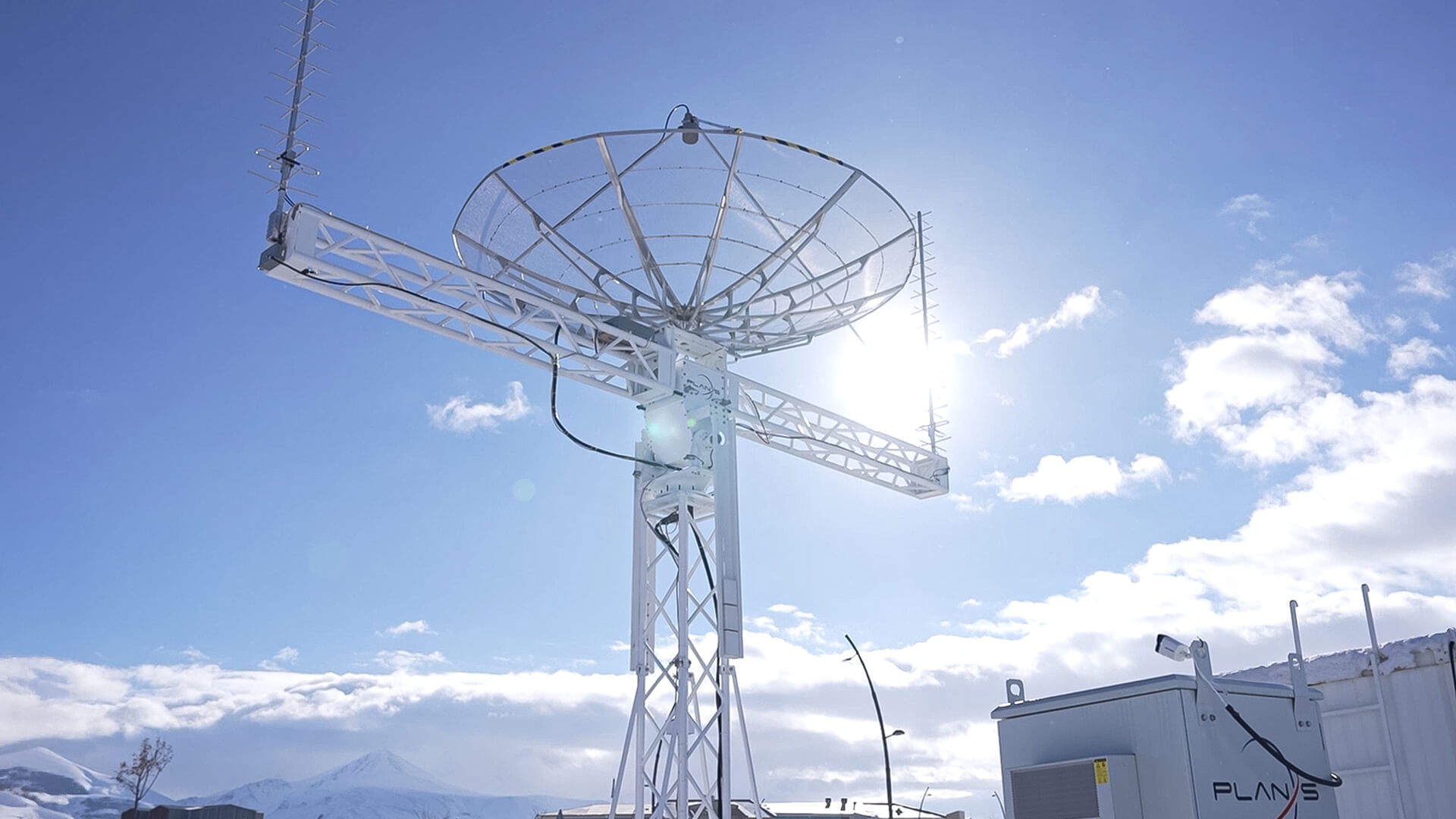
Ground Segment 101: Why Satellites Need More Than Spacecraft to Deliver Value
A satellite alone creates potential, but the ground segment turns that potential into operational value. By connecting spacecraft to mission control, data downlink, processing systems, software platforms, and user applications, the ground segment enables satellites to deliver reliable information, control, and service continuity on Earth.
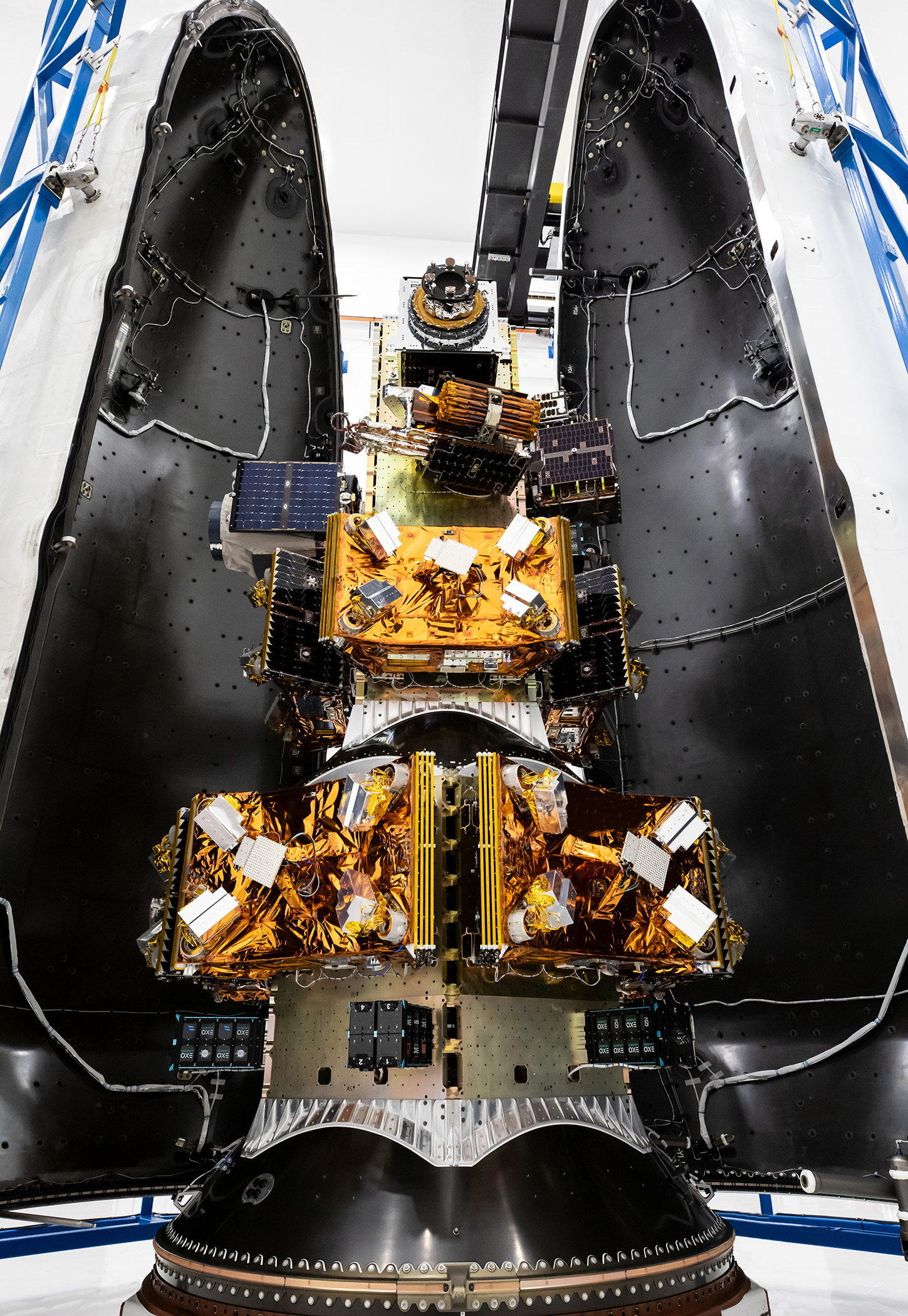
From Mission Concept to Orbit: A Step-by-Step Guide to Small Satellite Missions
A small satellite mission is a coordinated journey from concept definition and mission design to platform development, payload integration, testing, launch, licensing, operations, and data delivery. Through its end-to-end space services capabilities, Plan-S helps organizations transform mission objectives into reliable operational systems in orbit.

Weather Monitoring in Remote Areas: Keeping Environmental Data Flowing
Satellite IoT helps keep weather and environmental data flowing from remote monitoring points beyond terrestrial network coverage. Through Connecta, Plan-S enables reliable data transmission from distributed sensors and weather stations, supporting better planning, early warning, risk reduction, and long-term environmental visibility.
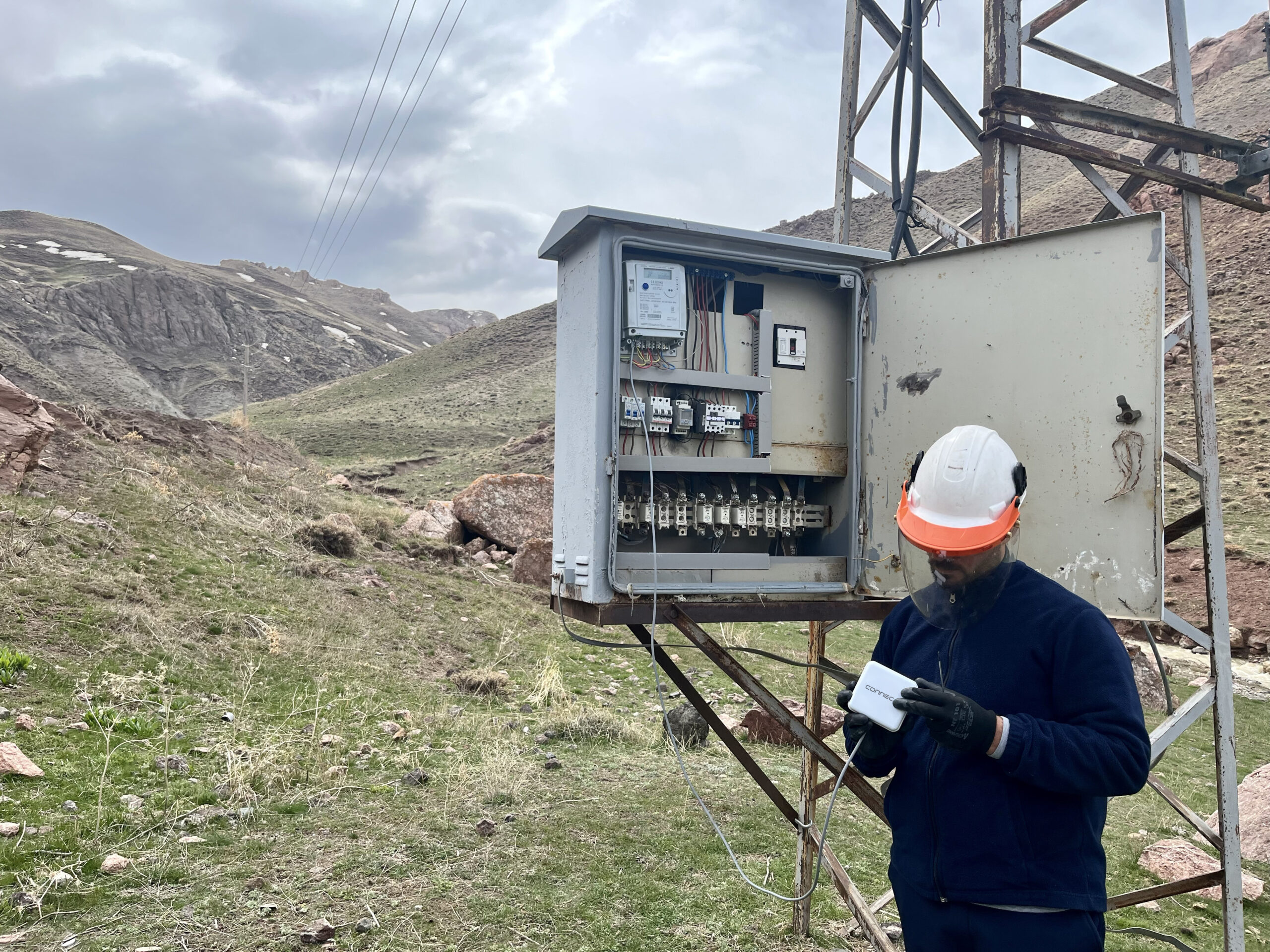
Smart Meter Reading in Remote Areas: How Satellite IoT Reduces Field Visits
Satellite IoT enables utilities to collect smart meter data from remote areas beyond terrestrial network coverage. Through Connecta Smart Meter Reader Modems and the Connecta IoT Network, Plan-S helps utilities reduce unnecessary field visits, improve data continuity, and maintain visibility across distributed service areas.

Satellite IoT for Agriculture: From Soil Data to Smarter Irrigation
Satellite IoT helps agricultural teams collect soil, irrigation, and field data from remote areas beyond terrestrial network coverage. Through Connecta, Plan-S enables smarter irrigation planning, improved resource management, and greater visibility across distributed agricultural operations.

How LoRaWAN-Compatible Satellite IoT Enables Low-Power Data Transmission
LoRaWAN-compatible satellite IoT enables low-power data transmission from remote sensors, meters, trackers, and infrastructure assets operating beyond terrestrial coverage. Through Connecta, Plan-S combines satellite connectivity, IoT hardware, network infrastructure, and operational tools to support efficient, scalable, and long-term remote monitoring.
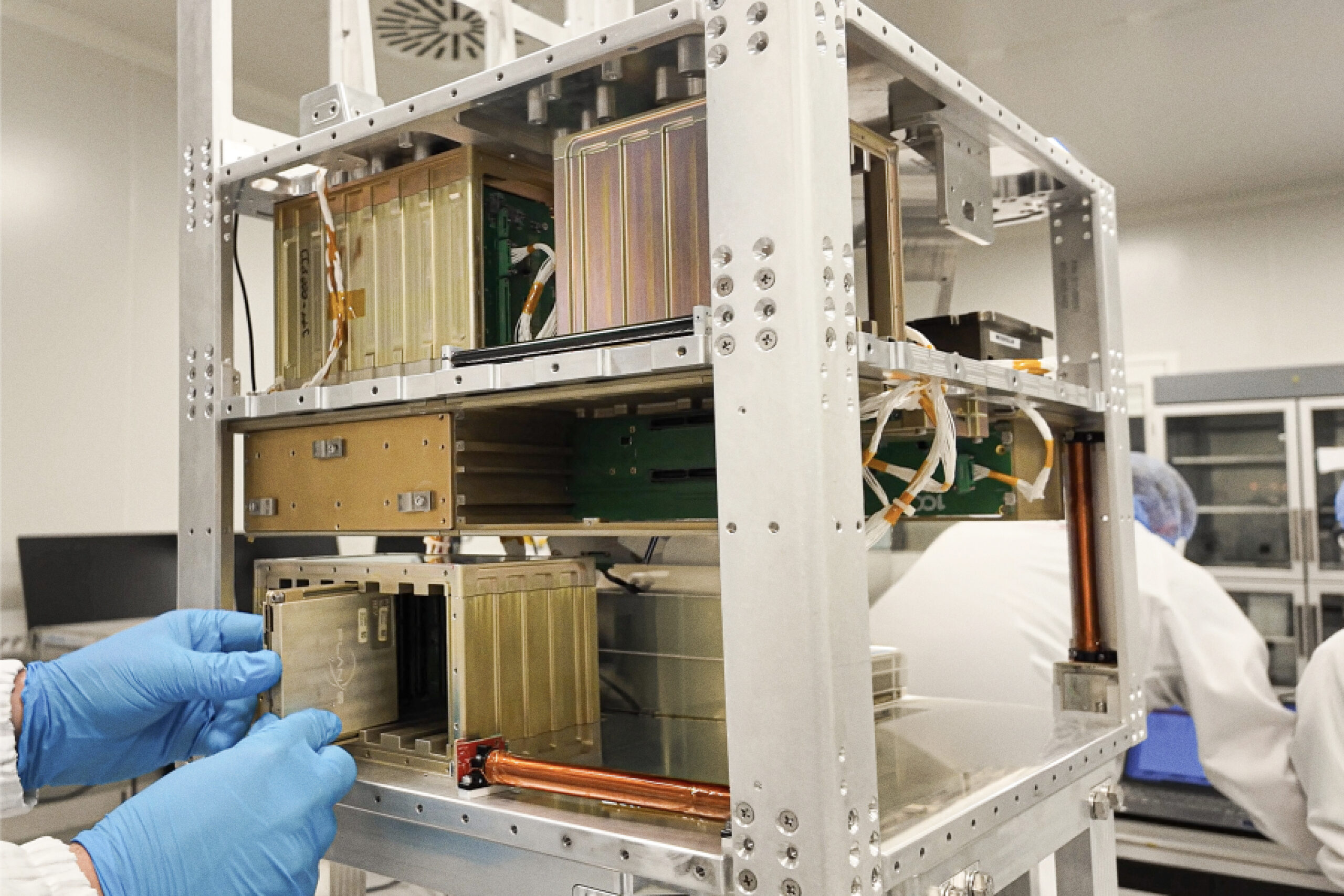
Hosted Payload Missions: A Faster Route to Flight Heritage
Hosted payload missions provide a practical route to in-orbit validation by allowing organizations to test sensors, communication systems, scientific instruments, and experimental payloads on existing spacecraft platforms. By building on Plan-S’ mission heritage and end-to-end space services capabilities, organizations can gain flight heritage while reducing the complexity of developing a dedicated satellite mission.
Why Flight Heritage Matters in Small Satellite Missions
Flight heritage gives satellite missions a stronger foundation by turning in-orbit experience into greater reliability, reduced uncertainty, and more mature spacecraft platforms. At Plan-S, each mission contributes to the evolution of flight-proven systems, supporting future missions from concept to orbit and from orbit to operational value.