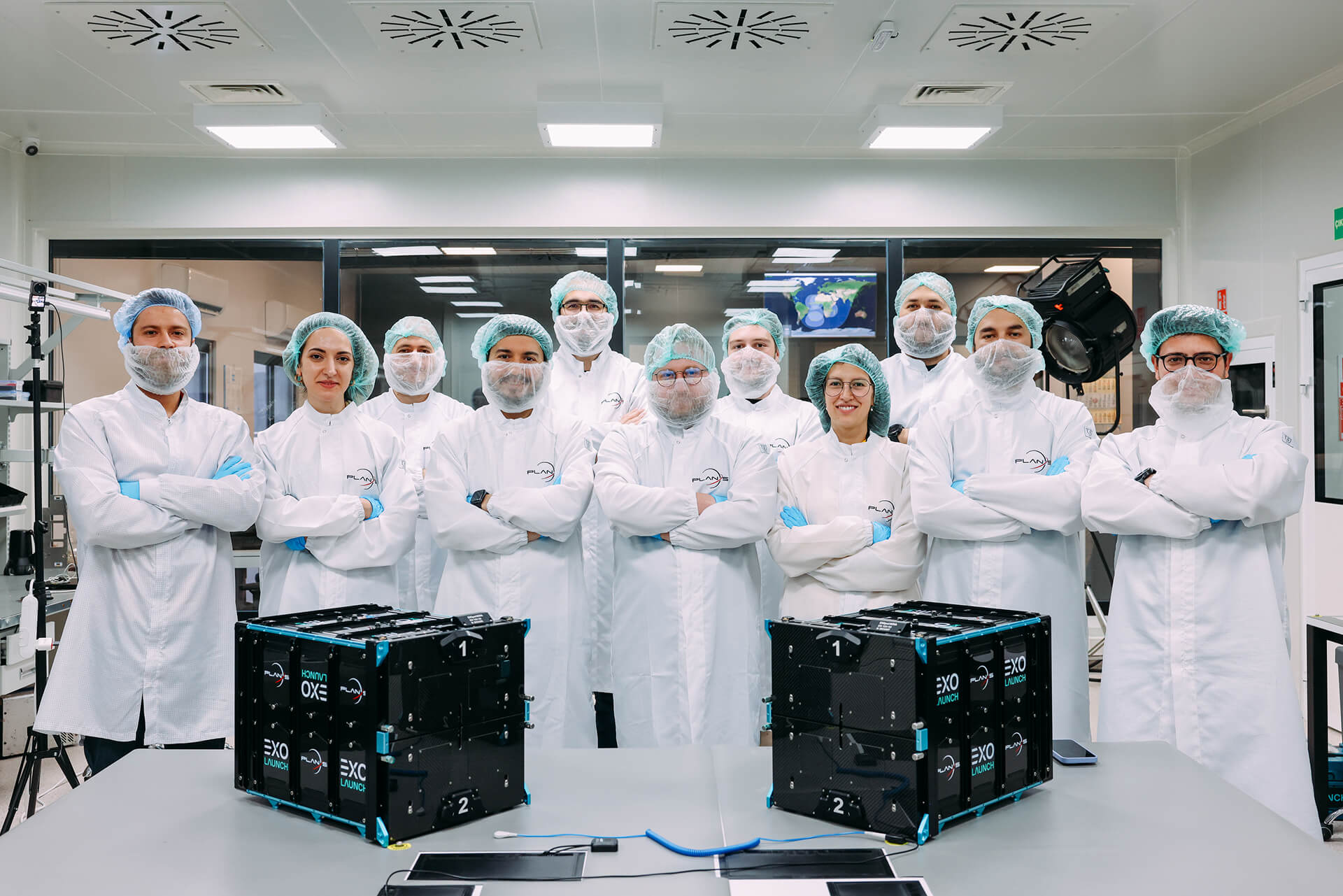


The Role of Systems Engineering in Small Satellite Mission Success
Systems engineering connects payload, power, thermal control, ADCS, communications, software, ground infrastructure, and operations into a coherent mission architecture. For small satellite missions, this system-level approach helps reduce integration risk, improve reliability, and ensure that every subsystem supports the mission objective.

June 25, 2026

10 minute reading
#cubesat
#microsat
Small satellite missions operate within tightly defined limits.
Power is limited. Volume is limited. Thermal margins are narrow. Communication windows are short. Onboard processing, payload performance, attitude control, and ground segment operations must all work within a compact and highly constrained architecture.
Under these conditions, mission success does not depend only on how well individual subsystems perform on their own.
It depends on how effectively they operate together.
This is the role of systems engineering.
Systems engineering provides the structure that connects mission objectives, payload requirements, spacecraft platform architecture, power systems, thermal control, attitude determination and control, communication systems, onboard software, ground infrastructure, and operational workflows into one coherent mission system.
For small satellite missions, this discipline is essential. It ensures that every subsystem supports the mission objective, every interface is understood, and every design decision is evaluated within the full operational context.
Why Systems Engineering Matters in Small Satellite Missions
A satellite is not a collection of independent components.
It is an integrated system where every decision affects something else. A payload may require more power, which affects the power budget. Increased power usage may generate more heat, which affects thermal control. A high-data payload may require greater onboard storage and downlink capacity. A pointing requirement may influence attitude control, structural design, and mass distribution.
In small satellites, these dependencies become even more important because there is less room for inefficiency.
A design choice that appears manageable in isolation can create mission-level risk when viewed across the full system. Systems engineering helps prevent this by identifying relationships between subsystems early and aligning them within a unified architecture.
The goal is not only to make each subsystem work.
The goal is to make the whole mission work.
Aligning Mission Objectives with System Architecture
Every satellite mission begins with an objective.
The mission may focus on connectivity, Earth observation, environmental monitoring, IoT data collection, hosted payload validation, technology demonstration, or secure communications. Whatever the goal, it must be translated into technical requirements that guide the full system design.
Systems engineering performs this translation.
Coverage requirements influence orbit selection. Data expectations shape payload capability and communication architecture. Mission lifetime affects power, thermal, and reliability planning. Operational timelines influence ground station access, command scheduling, and data delivery. Payload performance requirements define pointing accuracy, onboard processing, and platform capacity.
Without systems engineering, these decisions may evolve separately.
When that happens, misalignment can appear later in development, often during integration, testing, or early operations. Systems engineering reduces this risk by ensuring that mission objectives, technical requirements, and operational needs are connected from the beginning.
This creates a stronger foundation for mission execution.
Coordinating Payload, Power, and Thermal Systems
The payload defines the purpose of the mission, but it also introduces some of the most demanding requirements.
Payloads consume power, generate heat, produce data, and often require specific pointing, timing, and operational conditions. In a small satellite, these requirements must be balanced carefully against platform limitations.
Power systems must support both routine and peak loads without destabilizing the spacecraft. Thermal control must keep subsystems within safe operating ranges despite orbital temperature changes and internal heat generation. Payload operations must be planned so that performance does not compromise spacecraft stability.
These systems cannot be designed independently.
A high-performance payload without sufficient power availability will not deliver consistent results. A payload that generates more heat than the thermal system can manage may become a reliability risk. A sensor that produces more data than the communication system can downlink may limit the mission’s usable output.
Systems engineering helps teams evaluate these trade-offs with full visibility across the spacecraft.
This ensures that payload performance is supported by the platform, rather than constrained by late-stage incompatibilities.
ADCS and Mission Performance Stability
Attitude Determination and Control Systems, or ADCS, are essential for missions that depend on orientation, stability, and pointing accuracy.
Earth observation payloads may require precise pointing to capture usable imagery. Communication systems may need stable alignment to maintain reliable links. Scientific instruments may depend on controlled orientation to collect meaningful measurements.
ADCS performance is not only a subsystem issue.
It is influenced by spacecraft structure, mass distribution, payload placement, thermal behavior, actuator capability, sensor performance, and operational modes. Even small imbalances or distortions can affect pointing accuracy and mission quality.
Systems engineering integrates ADCS considerations into the full mission architecture.
By evaluating pointing requirements early, mission teams can design the spacecraft structure, payload accommodation, mass properties, and control strategy in a coordinated way. This helps ensure that stability is built into the system rather than corrected later.
For small satellite missions, where margins are tighter, this early alignment is critical.
Communication and Data Flow Integration
A satellite’s value depends on its ability to deliver data.
Whether the mission involves IoT messages, Earth observation imagery, telemetry, environmental readings, or hosted payload results, data must move reliably from the payload to onboard systems and from the spacecraft to the ground.
Systems engineering defines this data flow.
It determines how data is generated, processed, stored, prioritized, transmitted, received, validated, and delivered to users. This includes communication protocols, link budgets, onboard processing, storage capacity, downlink windows, ground station compatibility, and data routing.
The objective is not simply to transmit data.
The objective is to maintain a reliable and continuous flow of information that supports mission outcomes.
For small satellites, this is especially important because communication resources are limited. A payload may collect valuable data, but if the mission architecture cannot handle that data efficiently, operational value is reduced.
Systems engineering ensures that data delivery is considered as part of the mission from the beginning, not added as a separate layer after the spacecraft is designed.
Software as the Coordinating Layer
Modern satellites rely on software to function as coordinated systems.
Flight software manages command execution, scheduling, data handling, fault detection, subsystem coordination, payload activity, and operational logic. It connects hardware capabilities with mission objectives.
Systems engineering ensures that software architecture aligns with spacecraft design and mission requirements.
Interfaces must be consistent. Timing must be synchronized. Commands must be structured clearly. Fault responses must be predictable. Data handling must support payload and communication needs. Operational modes must reflect power, thermal, attitude, and mission constraints.
A well-integrated software layer allows the satellite to operate as a complete system rather than a set of independent components.
This is especially important for missions that require autonomy, recurring operations, constellation management, or continuous service delivery. As mission complexity grows, software becomes one of the main layers that keeps the spacecraft coordinated, responsive, and operationally efficient.
Integrating the Ground Segment into System Design
A satellite mission does not end with the spacecraft.
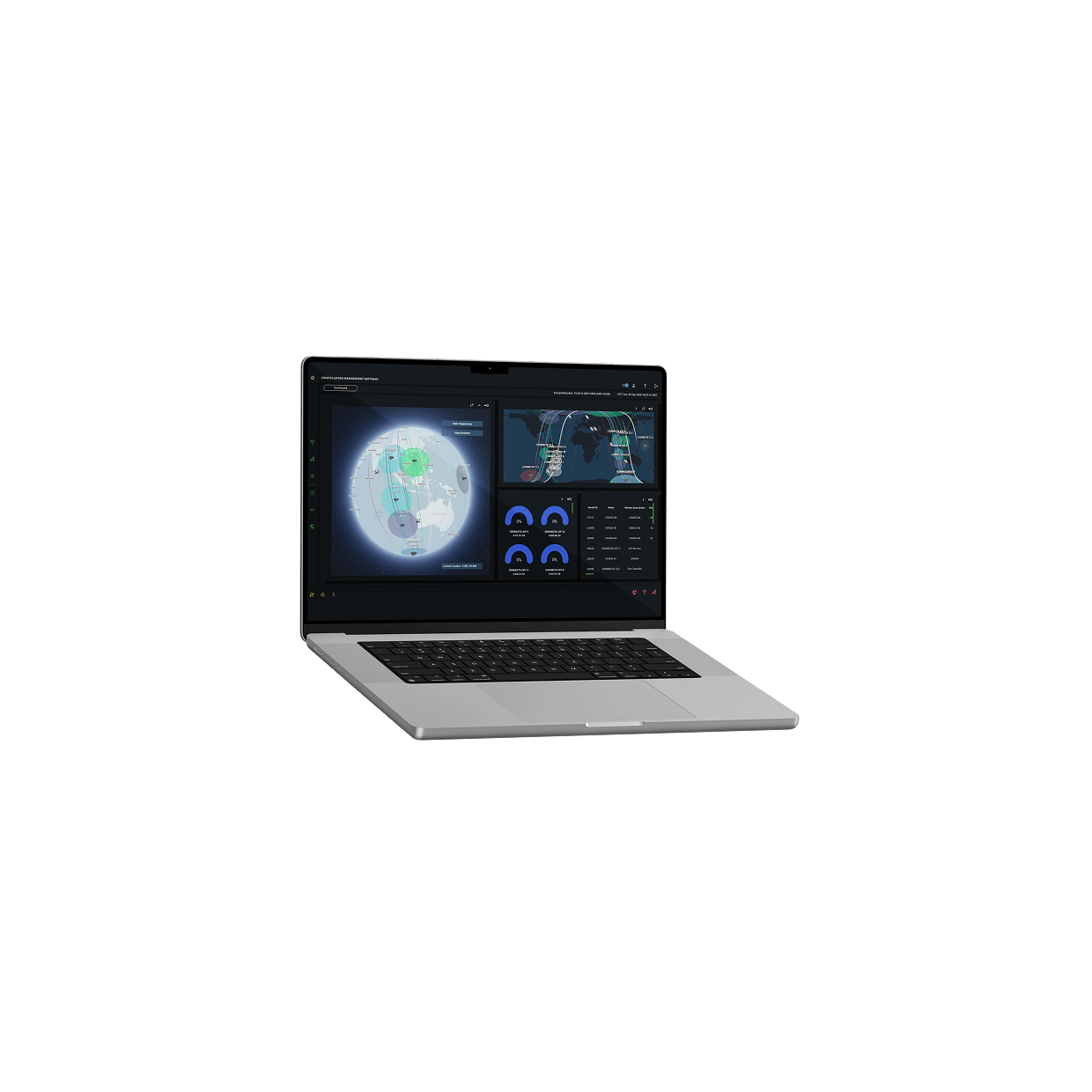
Ground stations, mission control systems, telemetry and command tools, data processing platforms, cloud environments, APIs, and operational dashboards are all part of the mission architecture.
Systems engineering brings these elements into the design process from the beginning.
Communication strategies must align with ground station availability. Data formats must match processing pipelines. Mission control systems must support command and telemetry requirements. User-facing platforms must receive data in usable formats. Operational workflows must connect in-orbit activity with ground-based decision-making.
When the ground segment is treated as a separate layer added later, fragmentation can occur.
Data flows may become inefficient. Command processes may become more complex. Integration with user systems may require additional work. Operational visibility may become limited.
By integrating the ground segment into system design, mission teams create continuity between spacecraft operations and data utilization.
This helps ensure that the satellite does not only function in orbit, but also delivers value on Earth.
Reducing Risk Through System-Level Thinking
Many mission challenges do not come from a single component failure.
They come from mismatches between subsystems.
An interface may appear compatible in documentation but behave differently under operational conditions. A payload may meet its own requirements but exceed spacecraft power or thermal limits. A communication system may support a certain data rate, but ground station access may not be sufficient to deliver data on time. Software timing may conflict with subsystem behavior.
Systems engineering reduces these risks by identifying dependencies early.
It evaluates how subsystems interact, how trade-offs affect the full mission, and how system behavior changes under different operational scenarios. This allows mission teams to detect potential issues before they become costly integration problems or in-orbit failures.
Risk cannot be eliminated from space missions.
But it can be managed through disciplined architecture, clear interfaces, verification planning, and system-level validation.
Systems engineering provides the framework for that control.
Supporting Scalable and Repeatable Missions
Small satellite missions increasingly support scalable applications.
A mission may begin as a technology demonstration and later grow into an operational service. A single satellite may evolve into a constellation. A payload validation mission may become the basis for a long-term commercial or institutional capability.
This progression requires architectures that are not only functional, but scalable.
Systems engineering supports this by creating repeatable frameworks, standardized interfaces, validated design logic, and clear operational models. When spacecraft platforms, ground infrastructure, software systems, and data workflows are aligned from the beginning, missions become easier to replicate, expand, and operate over time.
This is especially important for satellite IoT, Earth observation, remote monitoring, connectivity services, and other applications where long-term operational continuity matters.
Scalability begins with system-level alignment.
Plan-S’ Approach to Integrated Systems Engineering
At Plan-S, systems engineering is applied as a unifying discipline across satellite missions and space services.
Plan-S brings together mission design, spacecraft platform development, subsystem engineering, payload integration, satellite manufacturing, assembly, integration and testing, launch coordination, ground segment implementation, mission control, software platforms, and in-orbit operations within an integrated framework.
This approach allows mission requirements to be evaluated across the full system from the earliest stages.
Payload needs can be assessed alongside platform capability. Power and thermal requirements can be aligned with mission operations. ADCS performance can be designed around payload objectives. Communication strategies can be connected to ground segment infrastructure. Software and data flows can be planned with both in-orbit operations and user delivery in mind.
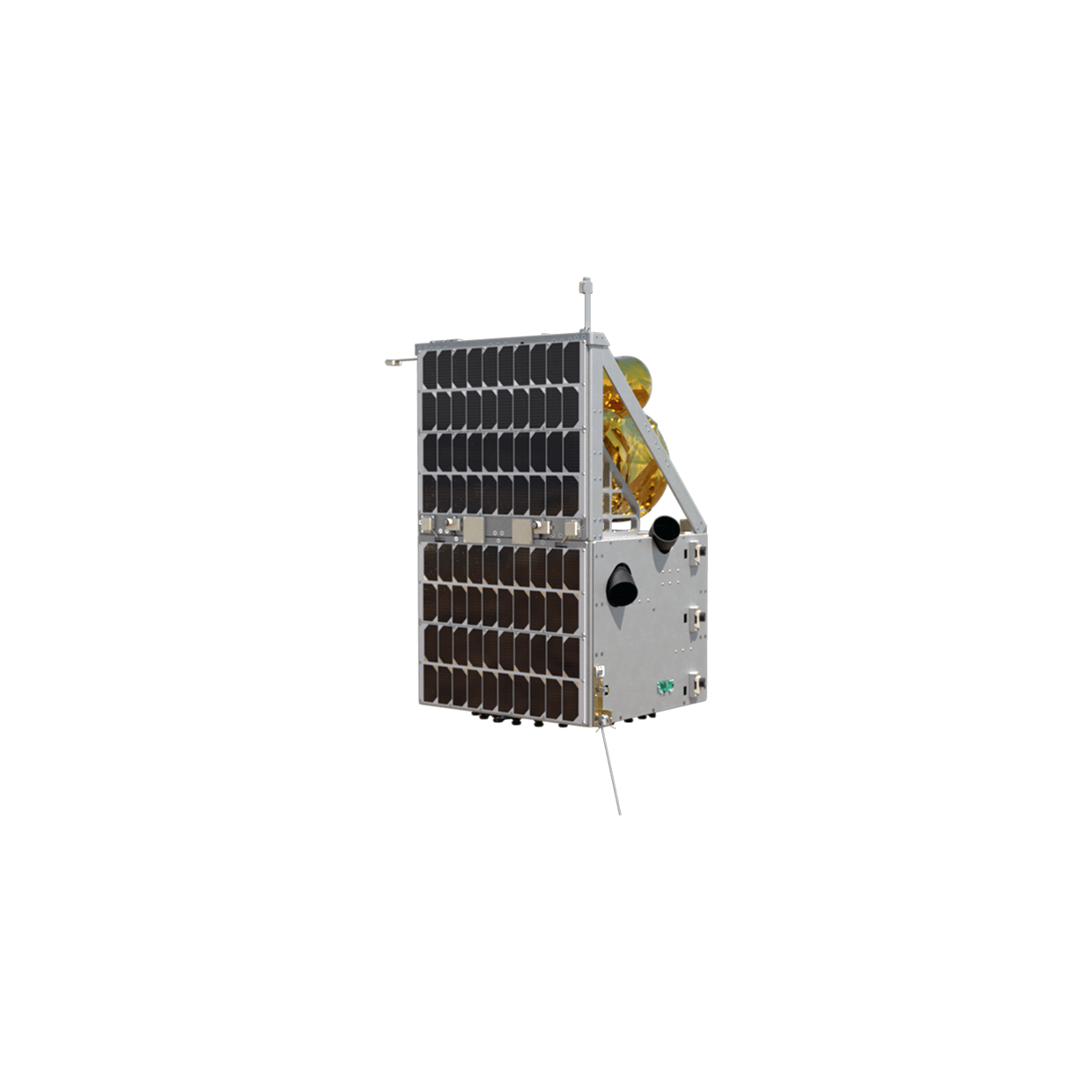
Through scalable spacecraft platforms such as CubeCore and MicroCore, Plan-S supports different mission classes while maintaining system-level coherence across architecture, integration, testing, operations, and data delivery.
This integrated approach helps reduce interface risks, improve development predictability, and support more reliable mission outcomes.
For customers, it means working with a mission partner that understands the complete space system, not only one part of it.
From System Architecture to Operational Value
Systems engineering connects technical design with operational value.
It ensures that a satellite mission is not built as a set of separate subsystems, but as one coordinated architecture designed to deliver a specific outcome.
For small satellite missions, this is essential.
The spacecraft must support the payload. The payload must align with power, thermal, data, and pointing constraints. Software must coordinate operations. Communication systems must deliver data. The ground segment must receive, process, and route that data. Operations must maintain mission continuity.
When these layers are aligned, the satellite becomes more than a functional spacecraft.
It becomes a reliable operational system.
At Plan-S, systems engineering forms the foundation for building missions that are technically sound, operationally resilient, and aligned with real-world objectives.
Because in space, complexity is unavoidable.
Systems engineering is what keeps that complexity from becoming mission risk.
BLOG
Related Insights
Explore how space assets and ground infrastructure work together, use cases, architectures, and field results from Plan-S projects.



LEOP Explained: What Happens After a Satellite Reaches Orbit?
Launch and Early Orbit Phase, or LEOP, is the critical stage after deployment when a satellite establishes communication, undergoes health checks, activates subsystems, verifies orbit, checks payload performance, and transitions into routine operations. A successful LEOP turns a launched spacecraft into an operational asset capable of delivering mission value.
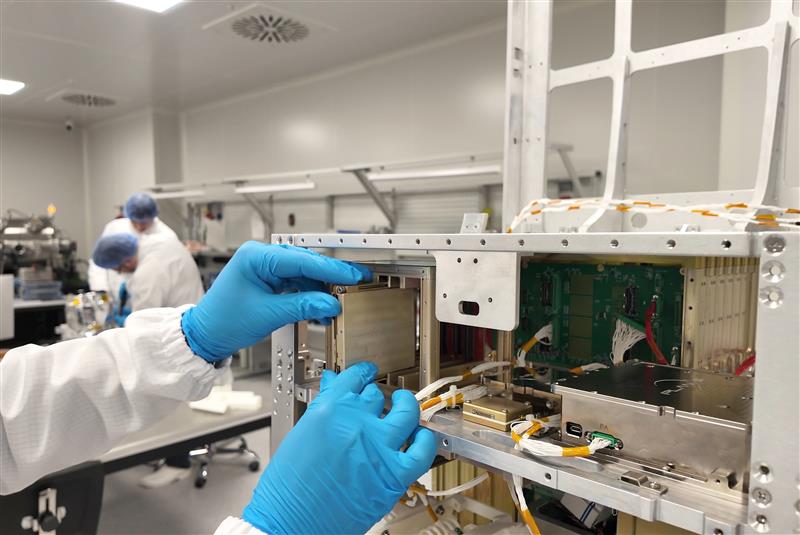
Payload Integration for Small Satellites: What Mission Teams Should Know
Payload integration is a system-level process that aligns mechanical, electrical, thermal, data, software, and operational requirements within the spacecraft architecture. For small satellite missions, successful integration helps reduce risk, validate mission readiness, and ensure that the payload can deliver reliable value in orbit.
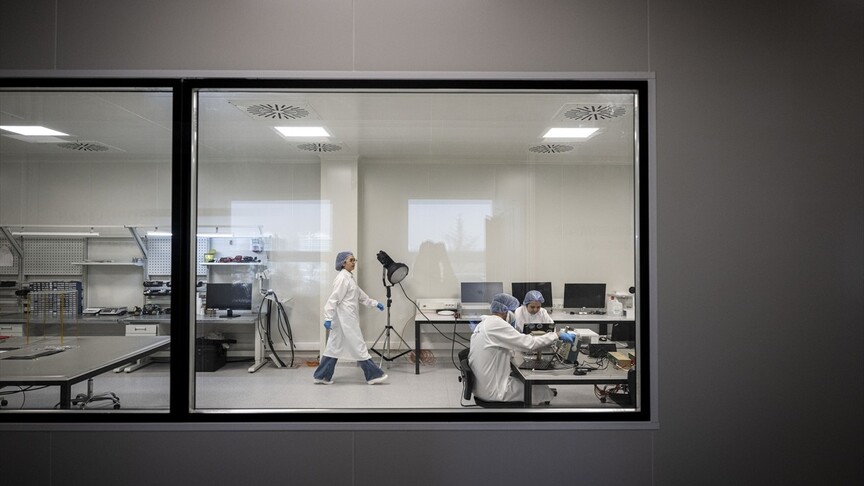
How End-to-End Satellite Services Reduce Mission Complexity
End-to-end satellite services reduce mission complexity by bringing mission design, spacecraft development, payload integration, testing, launch coordination, ground segment, data systems, and in-orbit operations under one integrated framework. With a single accountable mission partner, organizations can move from concept to orbit with greater clarity, control, and operational continuity.
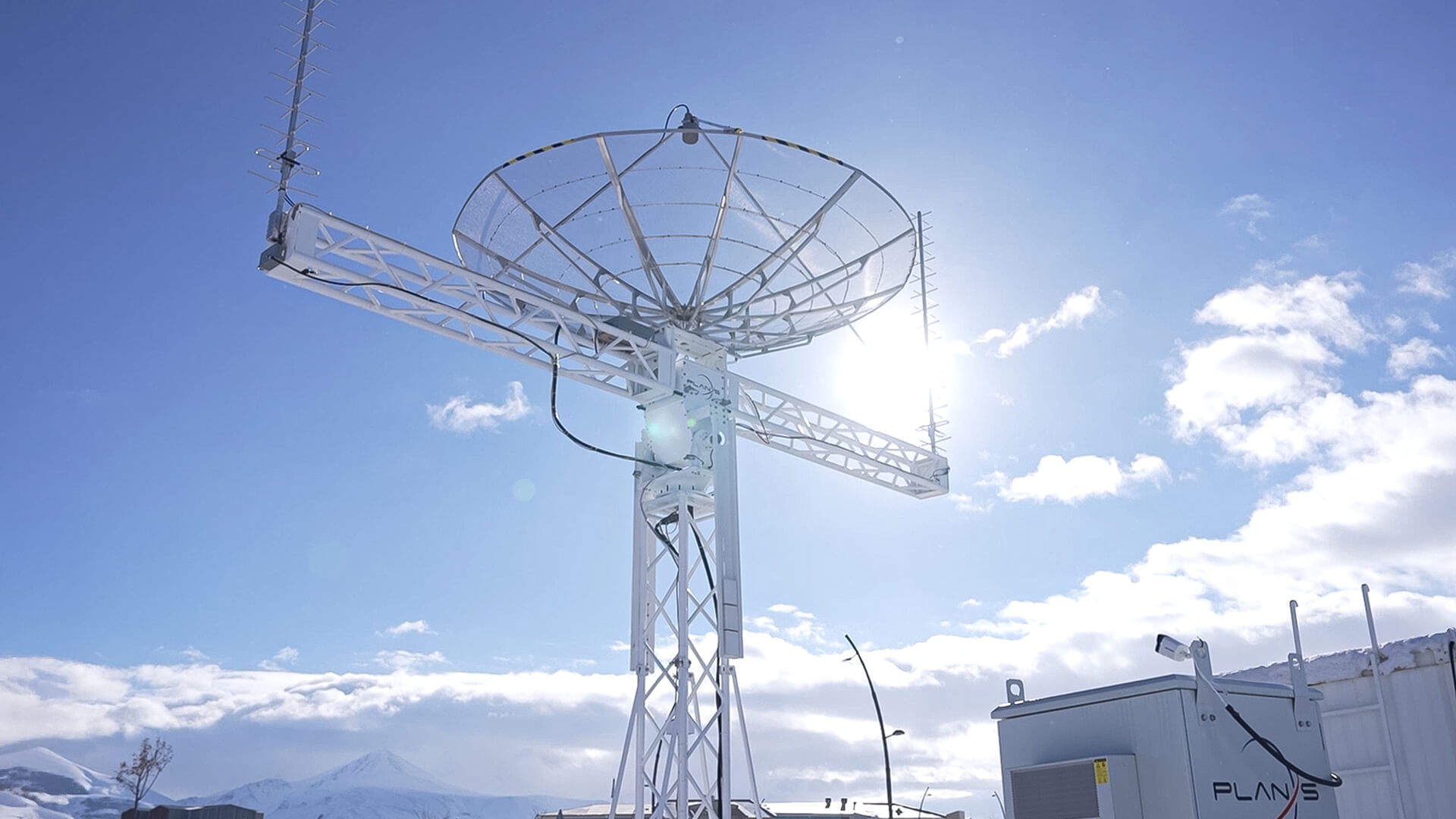
Ground Segment 101: Why Satellites Need More Than Spacecraft to Deliver Value
A satellite alone creates potential, but the ground segment turns that potential into operational value. By connecting spacecraft to mission control, data downlink, processing systems, software platforms, and user applications, the ground segment enables satellites to deliver reliable information, control, and service continuity on Earth.
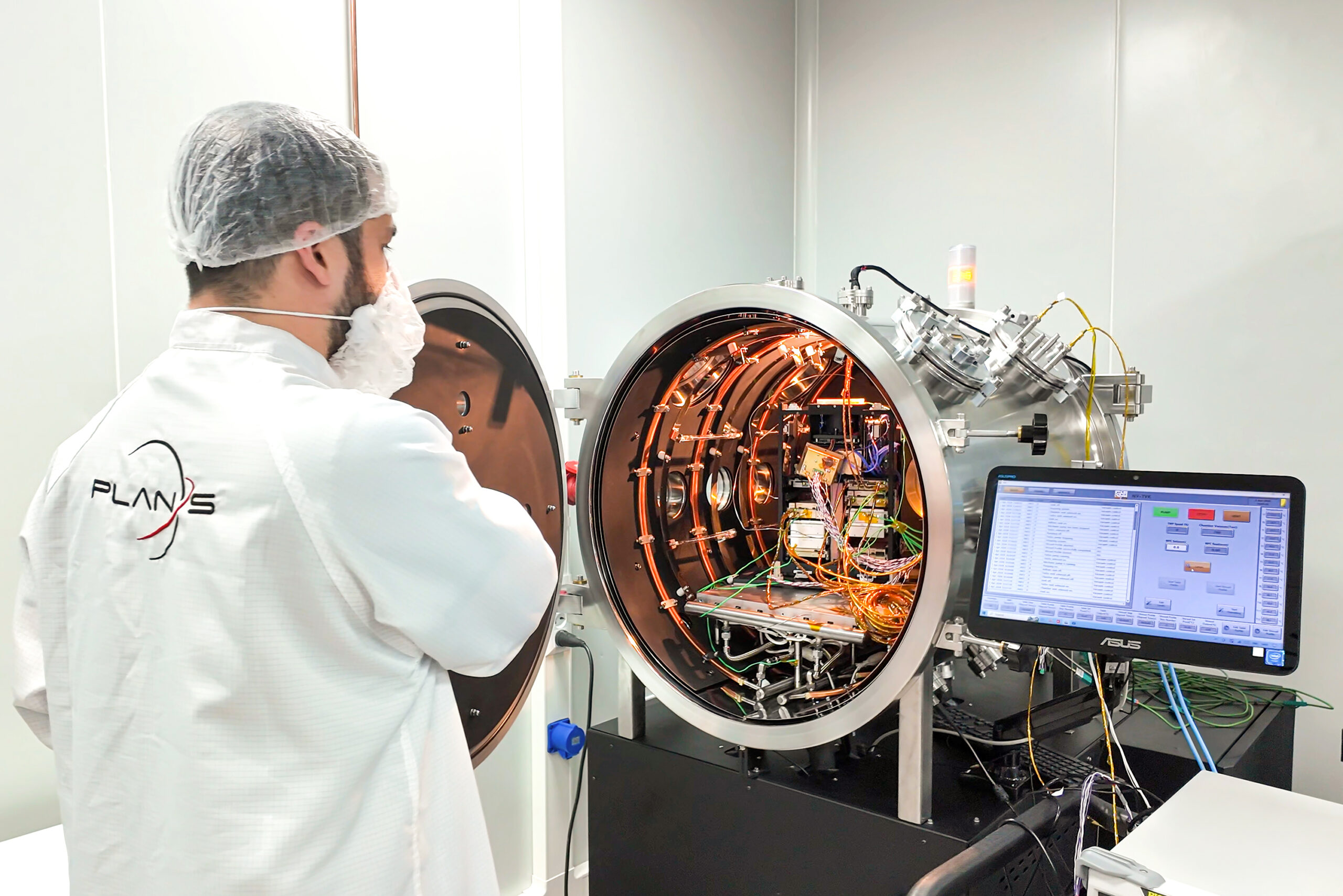
The Role of AIT in Building Reliable Small Satellites
Assembly, Integration, and Testing is one of the most critical phases in building reliable small satellites. By validating subsystems, interfaces, payload compatibility, environmental performance, and operational readiness before launch, AIT helps reduce mission risk and supports more predictable outcomes in orbit.
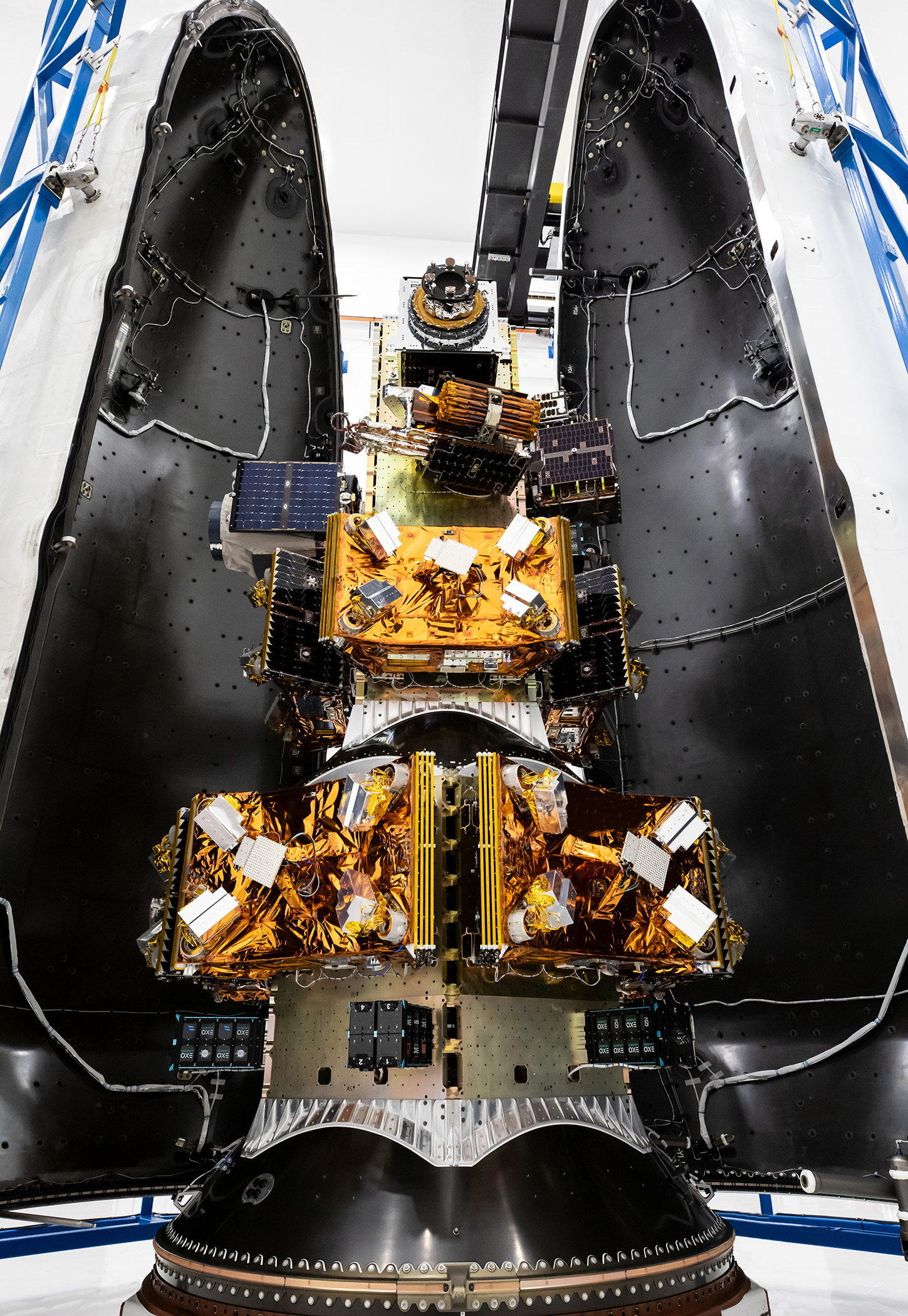
From Mission Concept to Orbit: A Step-by-Step Guide to Small Satellite Missions
A small satellite mission is a coordinated journey from concept definition and mission design to platform development, payload integration, testing, launch, licensing, operations, and data delivery. Through its end-to-end space services capabilities, Plan-S helps organizations transform mission objectives into reliable operational systems in orbit.
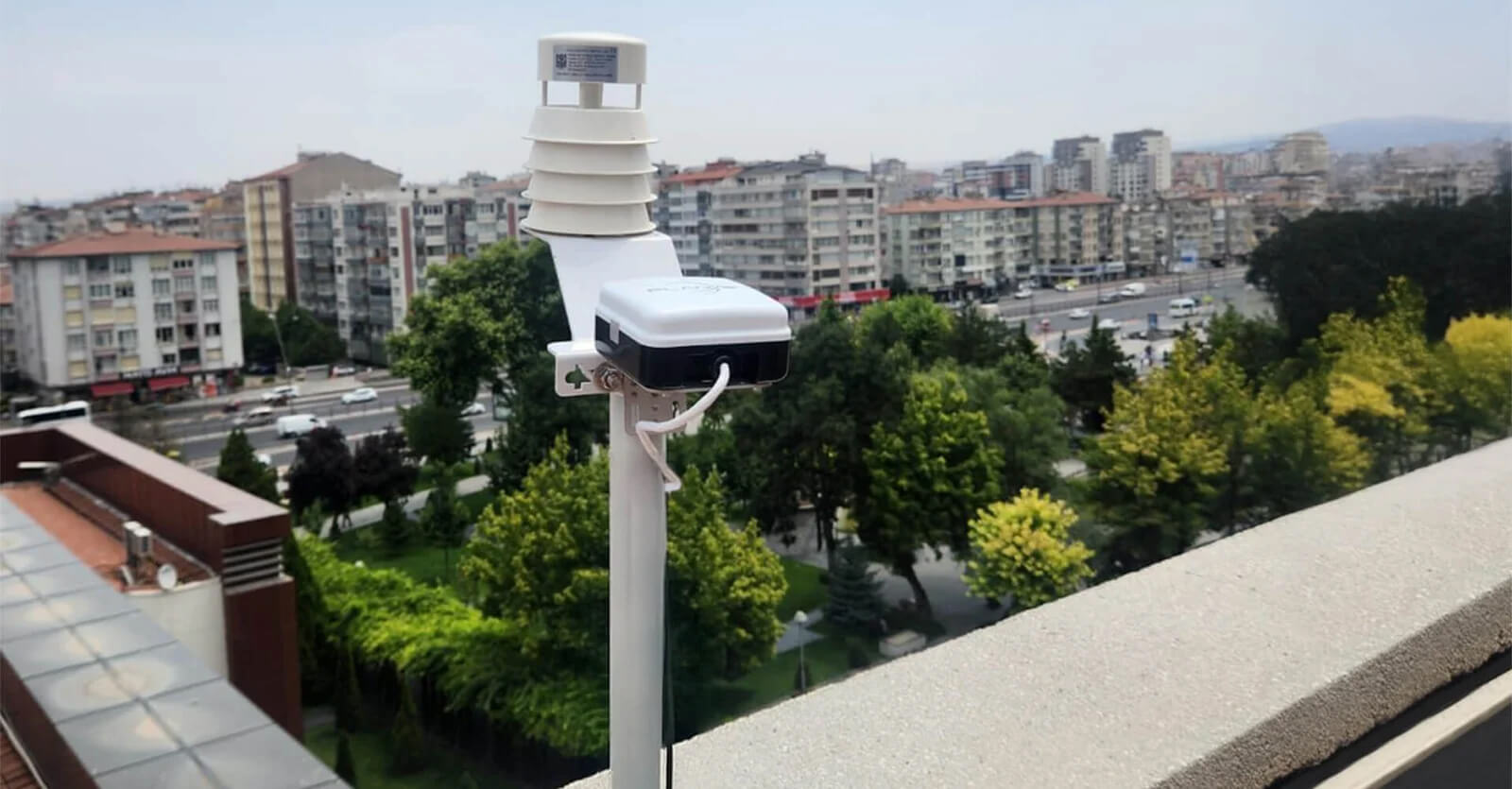
Weather Monitoring in Remote Areas: Keeping Environmental Data Flowing
Satellite IoT helps keep weather and environmental data flowing from remote monitoring points beyond terrestrial network coverage. Through Connecta, Plan-S enables reliable data transmission from distributed sensors and weather stations, supporting better planning, early warning, risk reduction, and long-term environmental visibility.
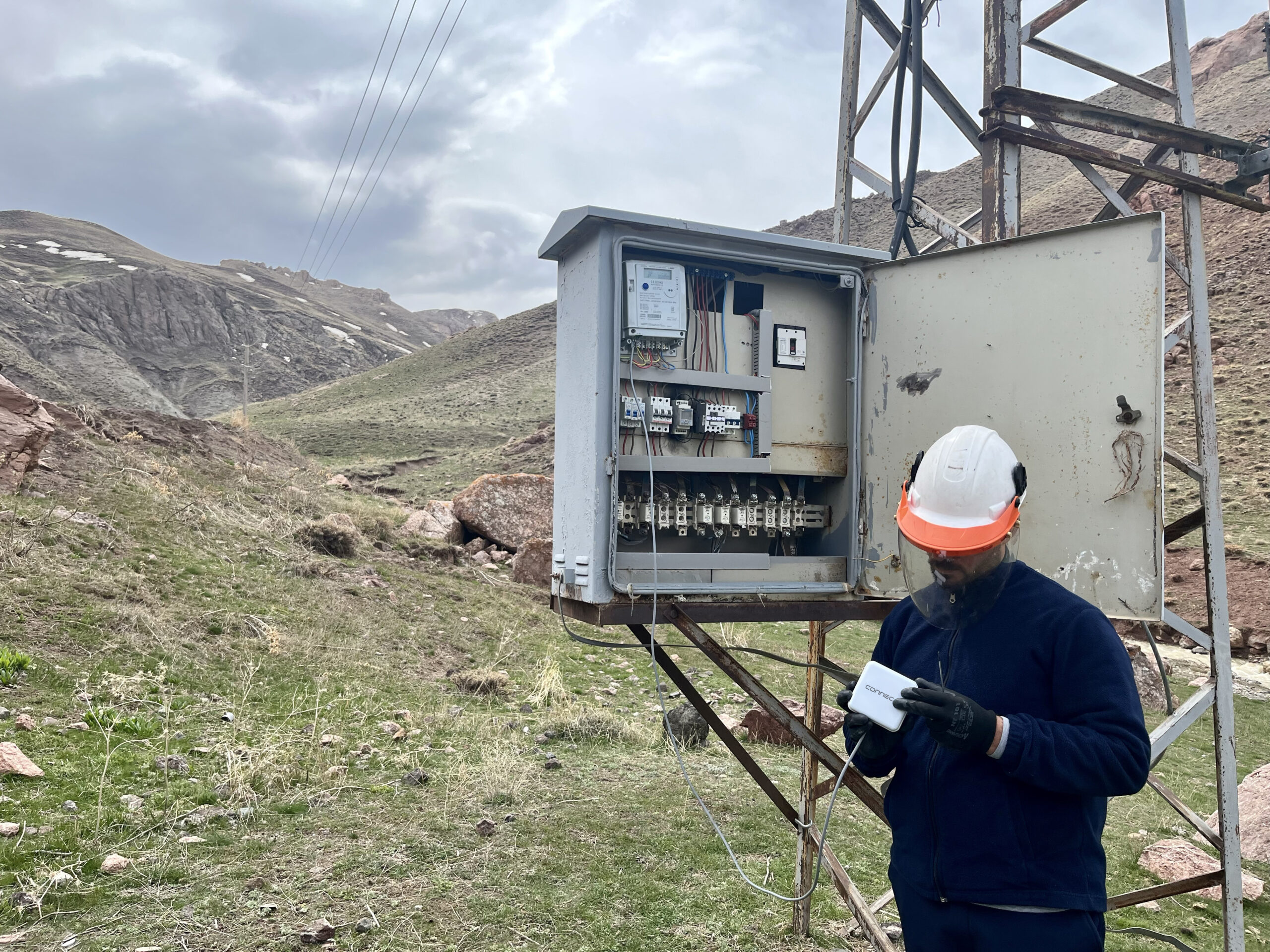
Smart Meter Reading in Remote Areas: How Satellite IoT Reduces Field Visits
Satellite IoT enables utilities to collect smart meter data from remote areas beyond terrestrial network coverage. Through Connecta Smart Meter Reader Modems and the Connecta IoT Network, Plan-S helps utilities reduce unnecessary field visits, improve data continuity, and maintain visibility across distributed service areas.

Satellite IoT for Agriculture: From Soil Data to Smarter Irrigation
Satellite IoT helps agricultural teams collect soil, irrigation, and field data from remote areas beyond terrestrial network coverage. Through Connecta, Plan-S enables smarter irrigation planning, improved resource management, and greater visibility across distributed agricultural operations.

How LoRaWAN-Compatible Satellite IoT Enables Low-Power Data Transmission
LoRaWAN-compatible satellite IoT enables low-power data transmission from remote sensors, meters, trackers, and infrastructure assets operating beyond terrestrial coverage. Through Connecta, Plan-S combines satellite connectivity, IoT hardware, network infrastructure, and operational tools to support efficient, scalable, and long-term remote monitoring.
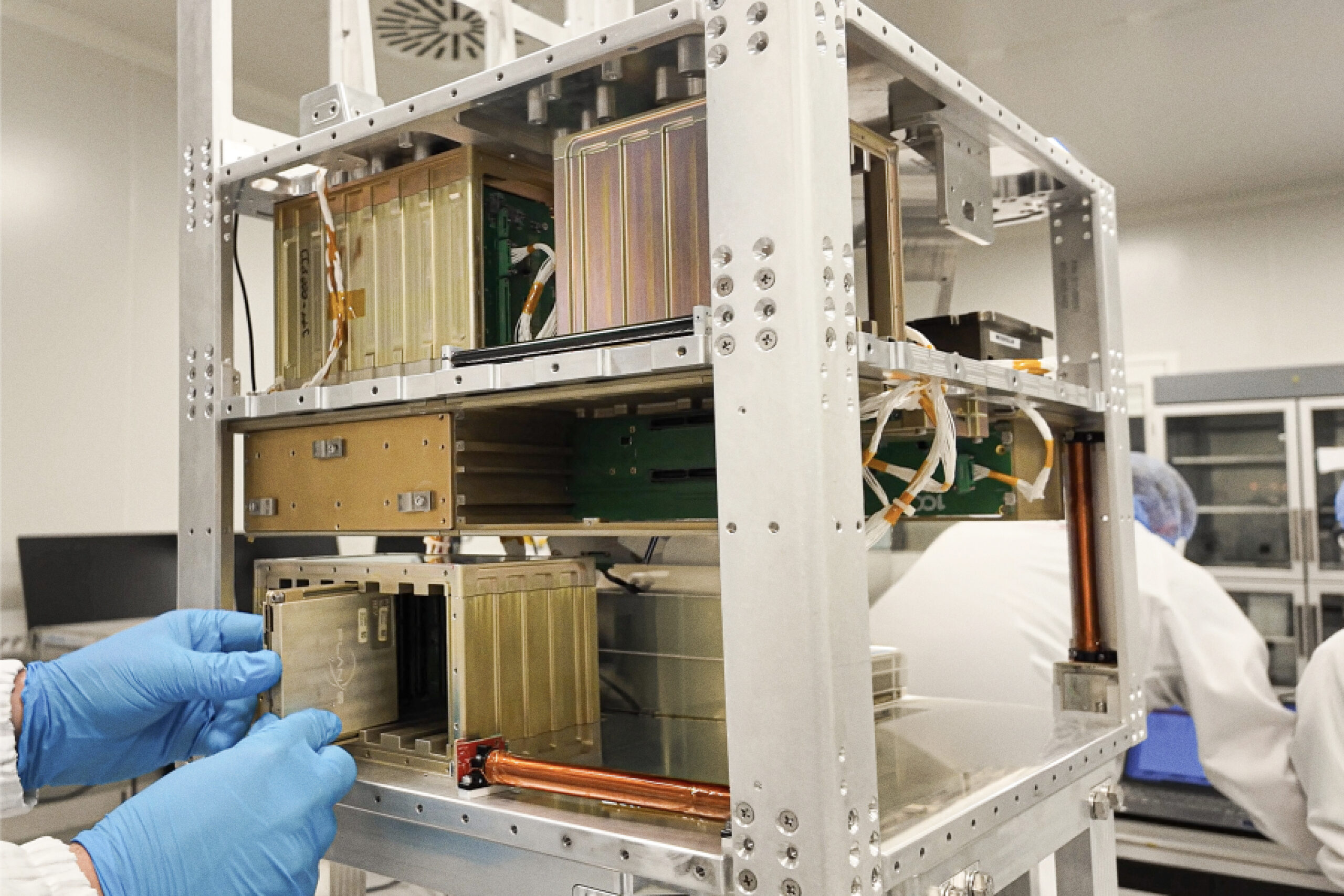
Hosted Payload Missions: A Faster Route to Flight Heritage
Hosted payload missions provide a practical route to in-orbit validation by allowing organizations to test sensors, communication systems, scientific instruments, and experimental payloads on existing spacecraft platforms. By building on Plan-S’ mission heritage and end-to-end space services capabilities, organizations can gain flight heritage while reducing the complexity of developing a dedicated satellite mission.
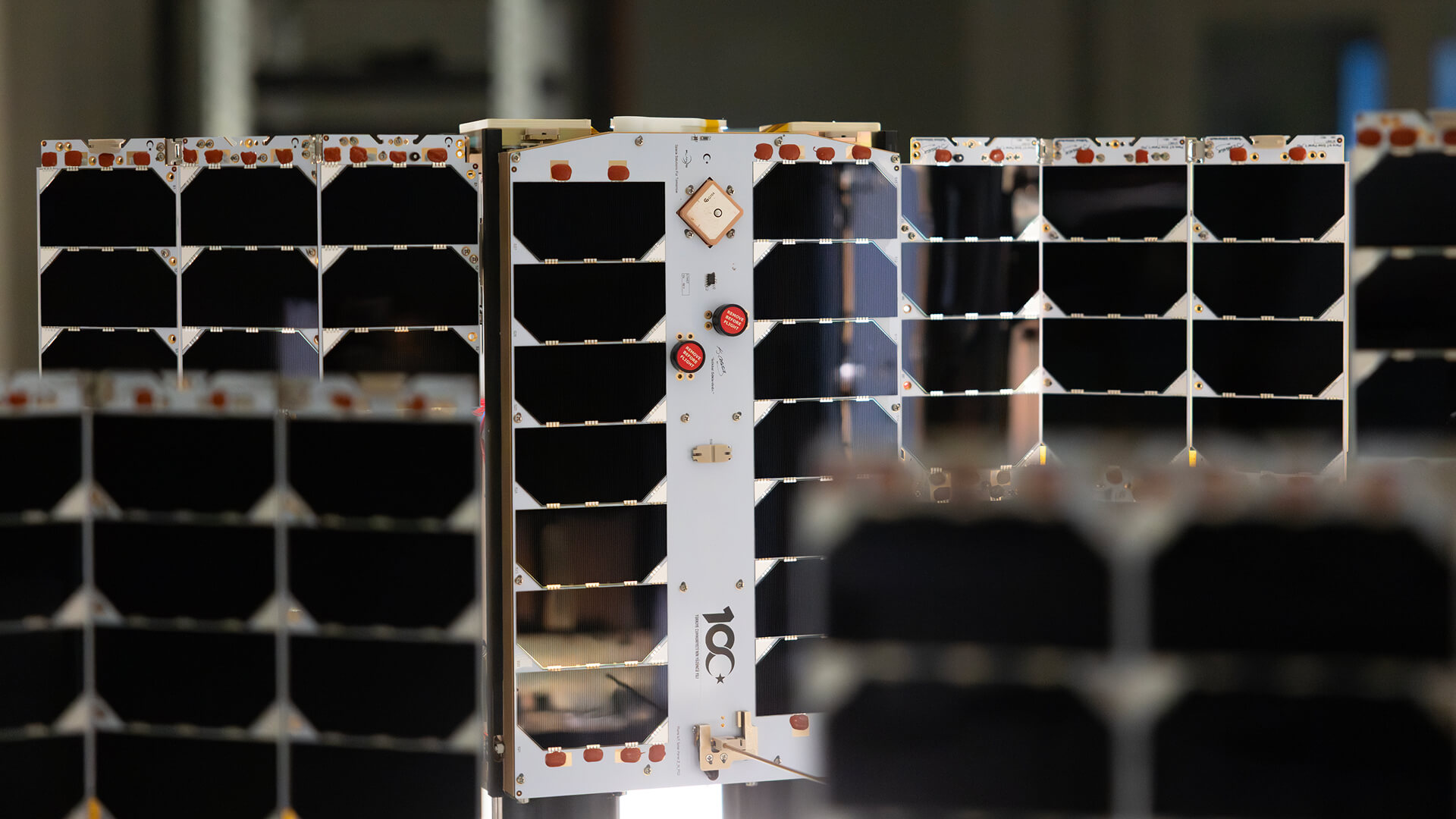
Why Flight Heritage Matters in Small Satellite Missions
Flight heritage gives satellite missions a stronger foundation by turning in-orbit experience into greater reliability, reduced uncertainty, and more mature spacecraft platforms. At Plan-S, each mission contributes to the evolution of flight-proven systems, supporting future missions from concept to orbit and from orbit to operational value.