

Payload Integration for Small Satellites: What Mission Teams Should Know
Payload integration is a system-level process that aligns mechanical, electrical, thermal, data, software, and operational requirements within the spacecraft architecture. For small satellite missions, successful integration helps reduce risk, validate mission readiness, and ensure that the payload can deliver reliable value in orbit.

June 24, 2026

10 minute reading
#cubesat
#microsat
In every satellite mission, the payload defines the purpose.
It may be an imaging system, a communication payload, an IoT module, a scientific instrument, an experimental technology, or a hosted payload designed for in-orbit validation. Whatever the mission objective, the payload is the reason the satellite exists in the first place.
Yet placing a payload into a spacecraft is only the beginning.
Payload integration is not simply a mechanical task. It is a system-level engineering process that connects the payload with every critical layer of the spacecraft, including structure, power, thermal control, onboard computing, data handling, flight software, communications, ground systems, and mission operations.
For small satellite missions, this process is especially important.
Smaller platforms offer speed, flexibility, and cost efficiency, but they also operate within tighter constraints. Volume is limited. Power is shared. Thermal margins are narrower. Data capacity must be planned carefully. Every interface matters.
A payload can only deliver mission value when it is fully aligned with the spacecraft system that supports it.
More Than Physical Placement
Payload integration is often misunderstood as a matter of physical accommodation.
The payload fits inside the satellite structure, mounting points are secured, interfaces are connected, and the task may appear complete. In reality, physical placement is only the visible part of a much deeper process.
A payload that is mechanically stable but electrically incompatible will not operate reliably. A payload that receives sufficient power but overheats during operation may fail to deliver consistent results. A payload that generates valuable data but cannot transfer that data efficiently to onboard systems or ground infrastructure may not create usable mission output.
This is why payload integration must be treated as a coordinated engineering discipline.
It brings together mechanical, electrical, thermal, data, software, and operational requirements into one coherent system. Each layer must be understood not in isolation, but in relation to the full spacecraft architecture.
In small satellite missions, success depends on this alignment.
Mechanical Compatibility and Structural Integrity
Mechanical integration begins with a clear understanding of size, mass, mounting, and structural constraints.
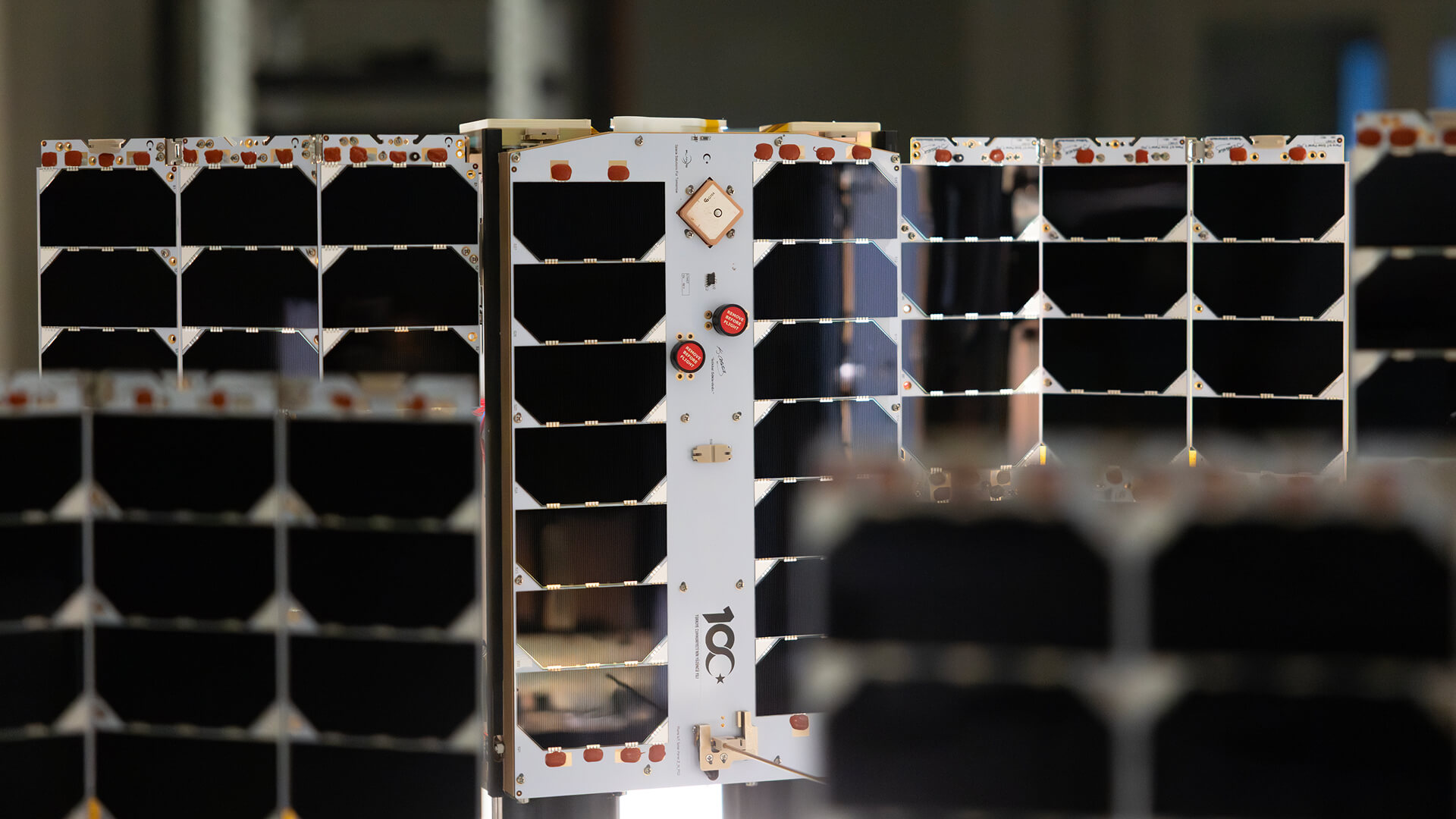
Small satellites operate within strict form factors and mass limits. CubeSat and microsatellite platforms can support highly capable missions, but every payload must be accommodated within the physical boundaries of the spacecraft.
This includes more than ensuring that the payload fits.
Mounting interfaces must be structurally sound. The payload must be able to withstand launch loads, including vibration, shock, and acceleration. Even small misalignments can create stress points that affect payload performance, spacecraft stability, or long-term structural reliability.
Mass distribution is also critical.
The payload’s position affects the satellite’s center of mass, which can influence attitude control, pointing performance, maneuverability, and overall mission behavior in orbit. For missions involving imaging, communications, or precision pointing, these factors become even more important.
Mechanical integration must therefore support both structural safety and mission performance.
Electrical Integration and Power Management
Every payload depends on the spacecraft’s power system.
Voltage levels, current requirements, peak consumption, duty cycles, power stability, and protection mechanisms must all be aligned with the satellite platform. Any mismatch between the payload and spacecraft power architecture can lead to inefficiencies, unexpected shutdowns, degraded performance, or permanent damage to sensitive components.
Power budgeting is especially important in small satellites.
Energy resources are limited and must be shared across all subsystems, including onboard computers, communication modules, attitude control systems, thermal control elements, payloads, and mission-critical electronics.
A payload may perform well in a laboratory environment, but in orbit it must operate within the spacecraft’s total power strategy.
Effective electrical integration ensures that the payload receives reliable power without compromising other onboard functions. It also supports predictable mission planning by defining when the payload can operate, how long it can remain active, and how its power demand affects the rest of the spacecraft.
Thermal Considerations in Space
Space does not forgive thermal miscalculations.
Satellites operate in an environment without atmospheric buffering. Depending on orbital position, solar exposure, eclipse periods, and spacecraft orientation, systems can experience significant temperature variations.
Payloads also generate heat during operation.
Without proper thermal management, heat can accumulate and reduce performance, damage components, or shorten operational lifetime. At the same time, exposure to cold conditions can affect electronics, materials, sensors, and optical systems.
Thermal integration ensures that the payload remains within its defined operating temperature range throughout the mission.
This may involve heat dissipation paths, thermal interface materials, insulation, radiator surfaces, operational duty cycles, and platform-level thermal control strategies.
For payloads with high sensitivity, such as imaging systems, scientific instruments, or communication electronics, thermal stability can directly influence mission quality.
A successful integration process must therefore account for both the payload’s thermal behavior and the spacecraft’s ability to manage it.
Data Interfaces and Communication Flow
A payload that cannot communicate effectively with the rest of the spacecraft is functionally isolated.
Data interfaces define how information moves between the payload, onboard computers, storage systems, communication modules, and ground infrastructure.
This layer is critical because payload data is often the mission’s primary output.
Bandwidth, data formats, latency, synchronization, onboard storage, processing requirements, and downlink strategy must all be considered during integration. A high-resolution imaging payload, for example, may generate large volumes of data that need to be stored, processed, prioritized, and transmitted efficiently. An IoT payload may transmit smaller data packets, but it still requires reliable routing, validation, and delivery.
Data integration ensures that the payload does not only collect information, but that this information can move through the mission architecture without bottlenecks.
The value of a satellite mission depends on data reaching the systems where it can be used.
That path begins with payload integration.
Software Compatibility and Mission Coordination
Modern satellites rely heavily on software.
Flight software manages command execution, subsystem coordination, data handling, fault detection, communication schedules, payload operations, and mission logic. For a payload to function effectively, it must integrate with this software environment.
This includes compatibility with command structures, communication protocols, data handling architectures, timing logic, operational modes, and fault management systems.
A payload that operates independently without proper software coordination can create conflicts within the spacecraft. It may request power at the wrong time, generate data when storage is unavailable, operate during thermal constraints, or interfere with other mission activities.
Seamless software integration allows the payload to function as part of the broader spacecraft system.
It enables the payload to respond to commands, adapt to mission conditions, operate within defined constraints, and contribute to system-level objectives.
For mission teams, this coordination is essential for turning a payload from a standalone technology into an operational mission capability.
Hosted Payload Considerations
Hosted payload missions introduce an additional layer of complexity.
In a hosted payload model, the payload is integrated onto an existing spacecraft platform that may support another primary mission or multiple mission objectives. This allows organizations to gain access to orbit and build flight heritage without developing a dedicated satellite.
However, hosted payload integration requires strict interface definition and careful coordination.
Power usage, data bandwidth, thermal impact, operational timing, pointing requirements, communication windows, and mission priorities must be clearly defined from the beginning. Resource allocation must be managed so that the hosted payload can perform its mission without disrupting the spacecraft’s primary operations.
This is where standardization and coordination become critical.
A successful hosted payload mission depends on clear technical boundaries, defined responsibilities, verified interfaces, and operational planning. The payload provider and platform operator must work within a shared mission framework.
When managed effectively, hosted payload integration can provide a faster and more practical path to in-orbit validation, flight heritage, and future deployment opportunities.
Integration as a Risk Management Strategy
Payload integration is not only a technical requirement.
It is one of the most important methods of reducing mission risk.
Many issues related to compatibility, performance, and system interaction become visible during integration. Mechanical misalignment, electrical interface problems, thermal concerns, data bottlenecks, software conflicts, and operational constraints can all be identified before launch.
This matters because in orbit, intervention is limited.
An issue that can be corrected during integration may become mission-critical after deployment. Every problem identified and resolved on the ground represents a potential failure avoided in space.
Testing and validation are therefore essential parts of payload integration.
The objective is not only to confirm that the payload works in isolation. The objective is to prove that it performs reliably within the full spacecraft system and under mission-relevant conditions.
For customers, investors, operators, and mission stakeholders, this process creates confidence.
It demonstrates that the payload is not only technically promising, but mission-ready.
Payload Integration in Small Satellite Missions
Small satellites have opened new opportunities for organizations seeking faster, more flexible, and more cost-effective access to space.
However, smaller platforms also amplify integration challenges.
There is less room for inefficiency. Less margin for unnecessary mass. Less tolerance for unmanaged heat. Less available power. Less space for redundant interfaces. Less capacity for late-stage redesign.
This does not limit what small satellites can achieve. It means that integration must be handled with discipline from the earliest mission stages.
Payload requirements should be considered during platform selection, mission design, system architecture, testing strategy, and operations planning. The payload cannot be treated as an isolated component added late in the process.
It must be part of the mission architecture from the beginning.
This is especially important for missions involving Earth observation, satellite IoT, communication payloads, scientific instruments, hosted payloads, and technology demonstrations.
In each case, mission success depends on whether the payload can perform reliably within the spacecraft platform and deliver usable results in orbit.
Plan-S’ Payload Integration Capability
At Plan-S, payload integration is approached as part of an end-to-end satellite mission framework.
Plan-S brings together mission design, spacecraft platform development, subsystem engineering, satellite manufacturing, assembly, integration and testing, launch coordination, ground segment infrastructure, and in-orbit operations under one integrated structure.
This allows payload requirements to be evaluated within the full mission context.
Mechanical accommodation can be assessed alongside platform architecture. Power needs can be reviewed against the spacecraft energy budget. Thermal behavior can be considered during system design. Data interfaces can be aligned with onboard computing, communications, ground segment, and user delivery requirements. Software compatibility can be integrated into mission operations planning.
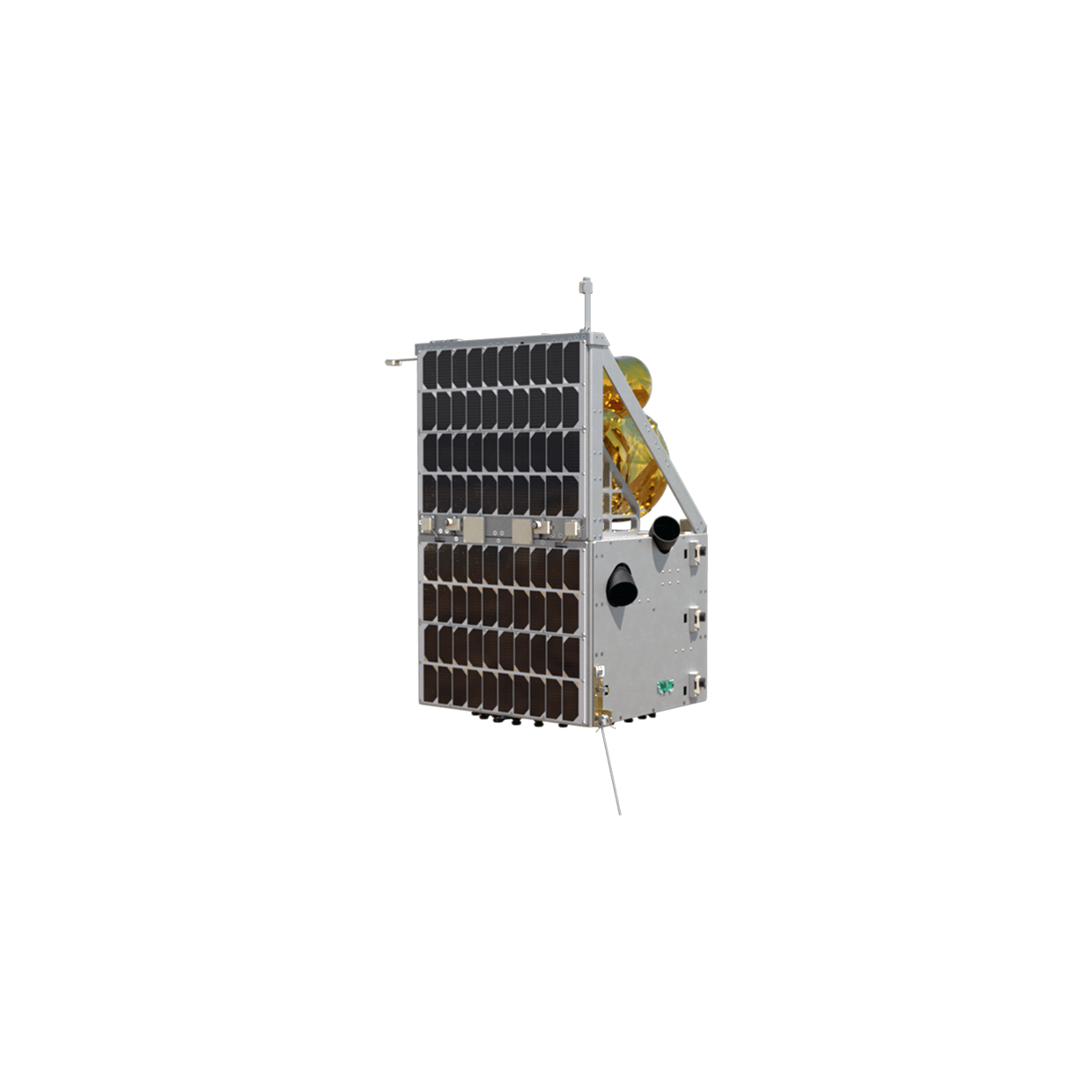
Through scalable spacecraft platforms such as CubeCore and MicroCore, Plan-S supports different payload needs across CubeSat and microsatellite-class missions. This flexibility allows mission teams to select a platform that matches payload size, power demand, data volume, pointing requirements, operational lifetime, and future scalability.
Whether the mission involves a dedicated payload, hosted payload, communication system, IoT application, imaging instrument, or technology demonstration, Plan-S helps transform payload objectives into flight-ready mission architecture.
From Payload Readiness to Mission Value
A payload is only as effective as its integration.
Its value is not defined solely by its technical capability, but by its ability to operate reliably as part of a complete spacecraft system. Every interface, whether mechanical, electrical, thermal, digital, or operational, contributes to the final mission outcome.
When these layers are aligned, the satellite becomes more than a collection of components.
It becomes a mission-ready system capable of delivering consistent, meaningful results in orbit.
For organizations developing new space technologies, payload integration is the bridge between design and deployment. It is where mission assumptions are tested, interfaces are proven, and operational confidence is built.
At Plan-S, this process is supported by in-house engineering, platform development, integration, testing, and operations capabilities designed to reduce complexity and support reliable mission execution.
Because in small satellite missions, the payload defines the purpose.
But integration determines whether that purpose can be achieved in orbit.
BLOG
Related Insights
Explore how space assets and ground infrastructure work together, use cases, architectures, and field results from Plan-S projects.


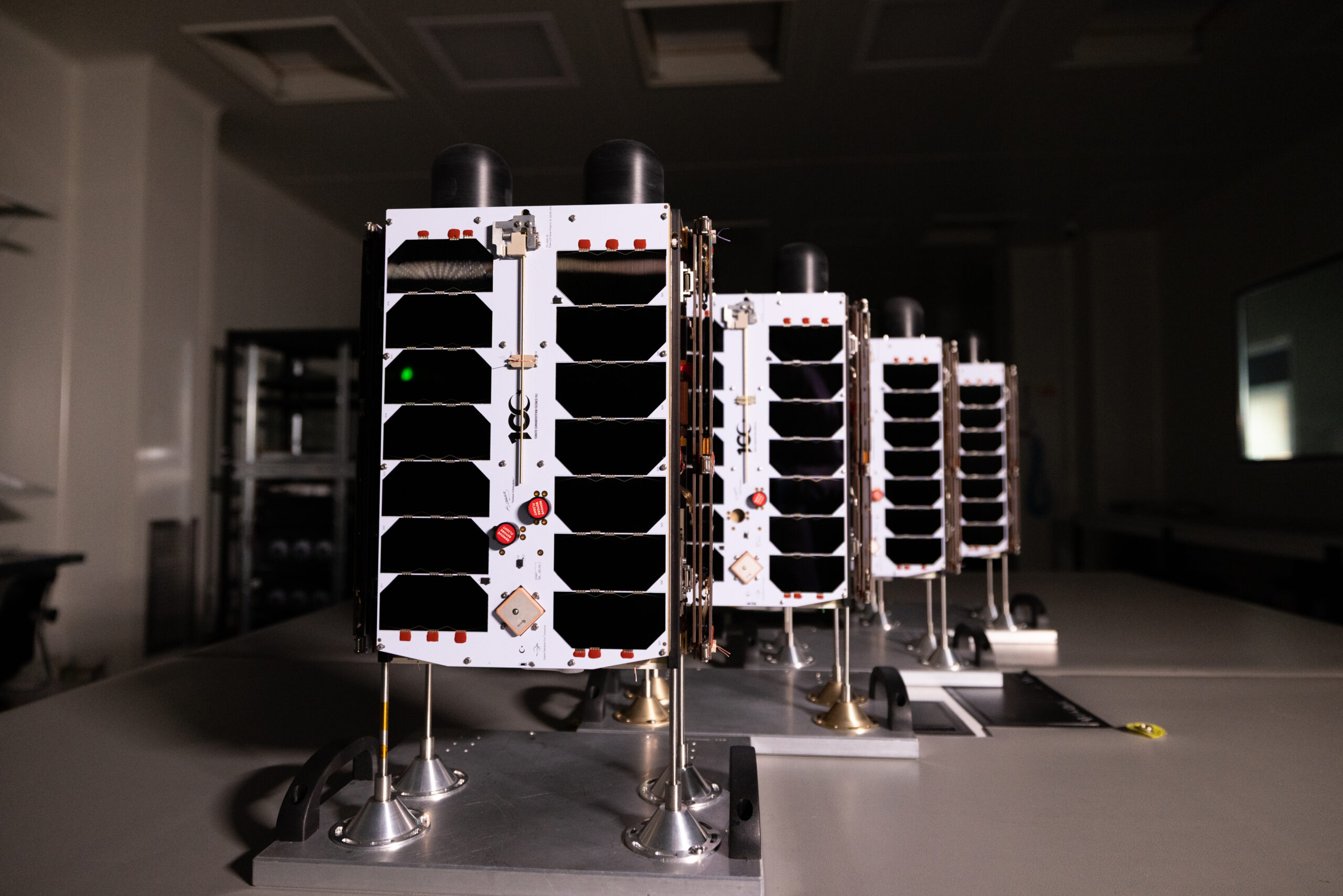
The Role of Systems Engineering in Small Satellite Mission Success
Systems engineering connects payload, power, thermal control, ADCS, communications, software, ground infrastructure, and operations into a coherent mission architecture. For small satellite missions, this system-level approach helps reduce integration risk, improve reliability, and ensure that every subsystem supports the mission objective.

LEOP Explained: What Happens After a Satellite Reaches Orbit?
Launch and Early Orbit Phase, or LEOP, is the critical stage after deployment when a satellite establishes communication, undergoes health checks, activates subsystems, verifies orbit, checks payload performance, and transitions into routine operations. A successful LEOP turns a launched spacecraft into an operational asset capable of delivering mission value.
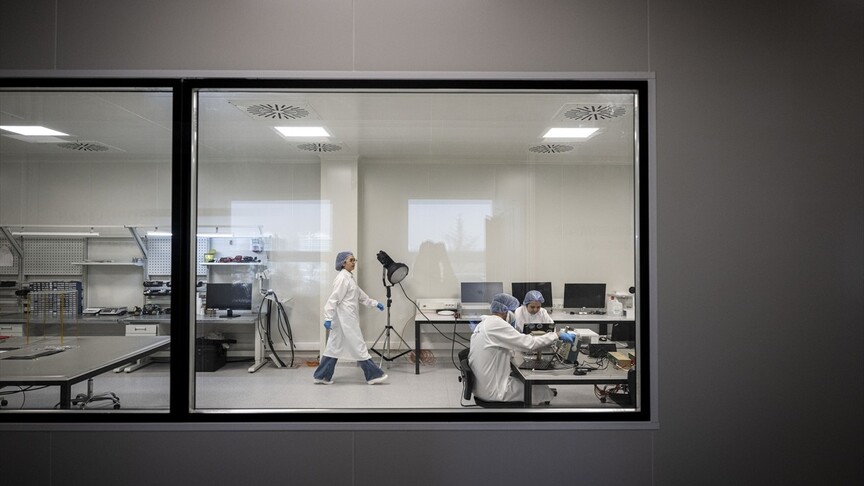
How End-to-End Satellite Services Reduce Mission Complexity
End-to-end satellite services reduce mission complexity by bringing mission design, spacecraft development, payload integration, testing, launch coordination, ground segment, data systems, and in-orbit operations under one integrated framework. With a single accountable mission partner, organizations can move from concept to orbit with greater clarity, control, and operational continuity.
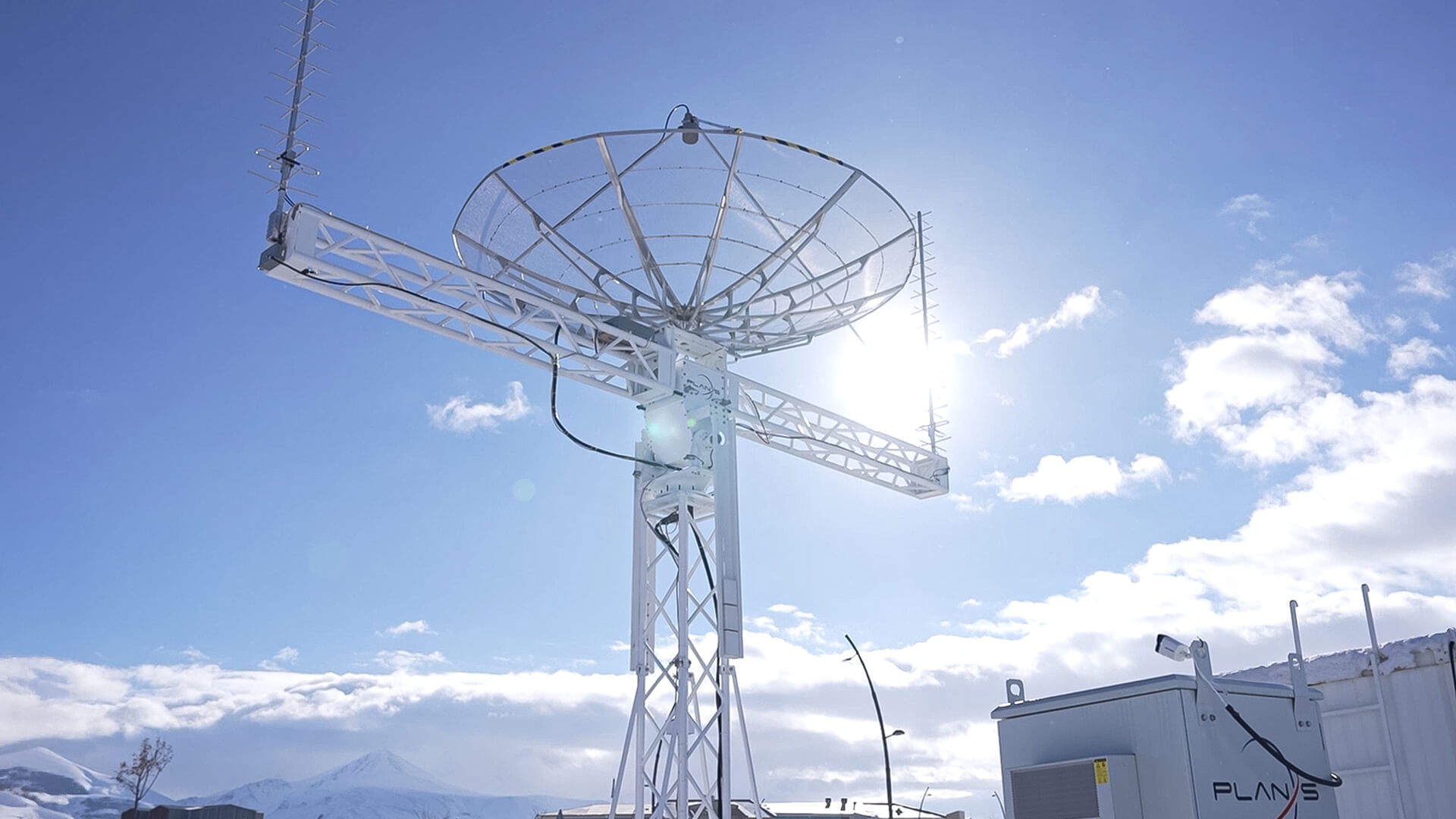
Ground Segment 101: Why Satellites Need More Than Spacecraft to Deliver Value
A satellite alone creates potential, but the ground segment turns that potential into operational value. By connecting spacecraft to mission control, data downlink, processing systems, software platforms, and user applications, the ground segment enables satellites to deliver reliable information, control, and service continuity on Earth.
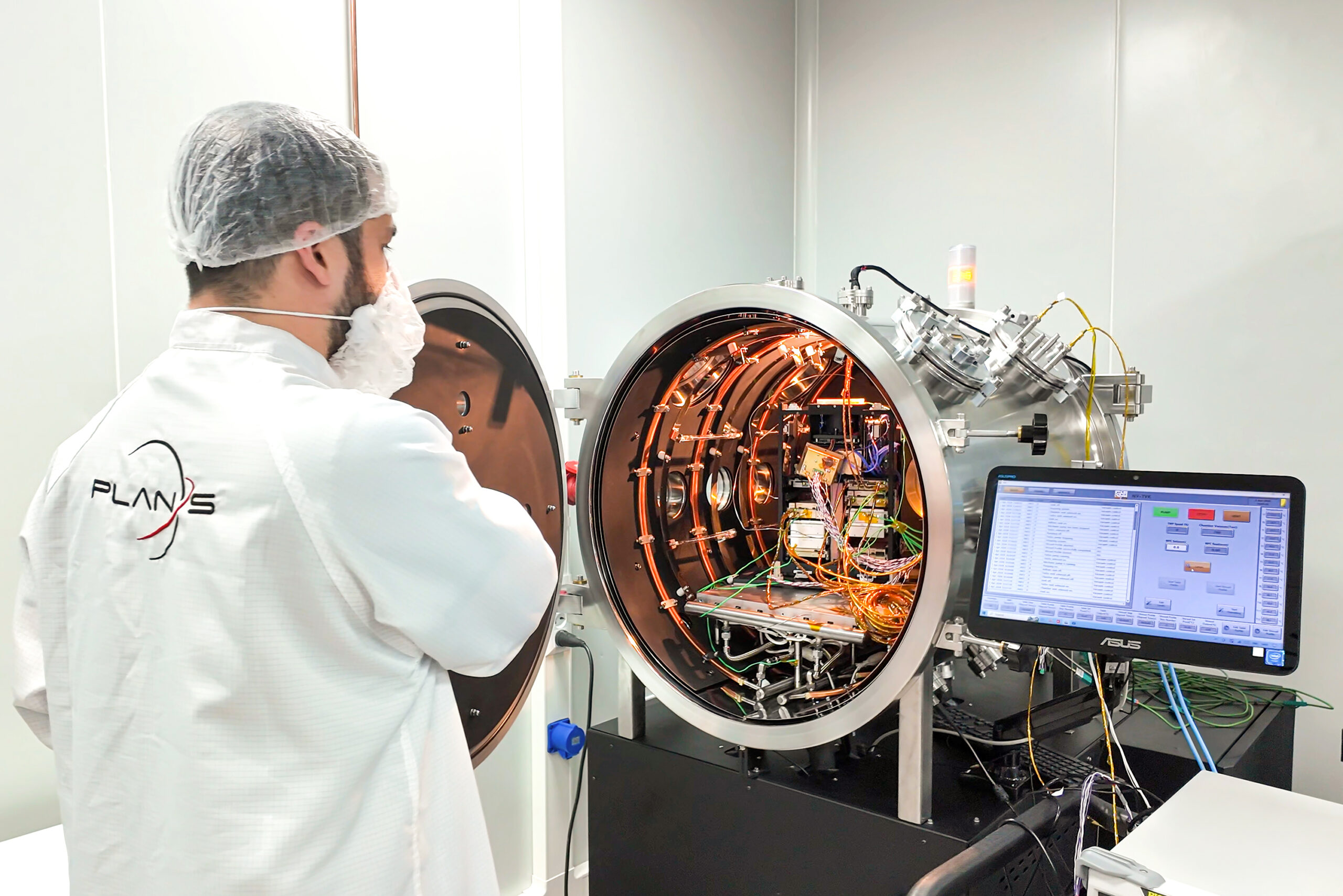
The Role of AIT in Building Reliable Small Satellites
Assembly, Integration, and Testing is one of the most critical phases in building reliable small satellites. By validating subsystems, interfaces, payload compatibility, environmental performance, and operational readiness before launch, AIT helps reduce mission risk and supports more predictable outcomes in orbit.
From Mission Concept to Orbit: A Step-by-Step Guide to Small Satellite Missions
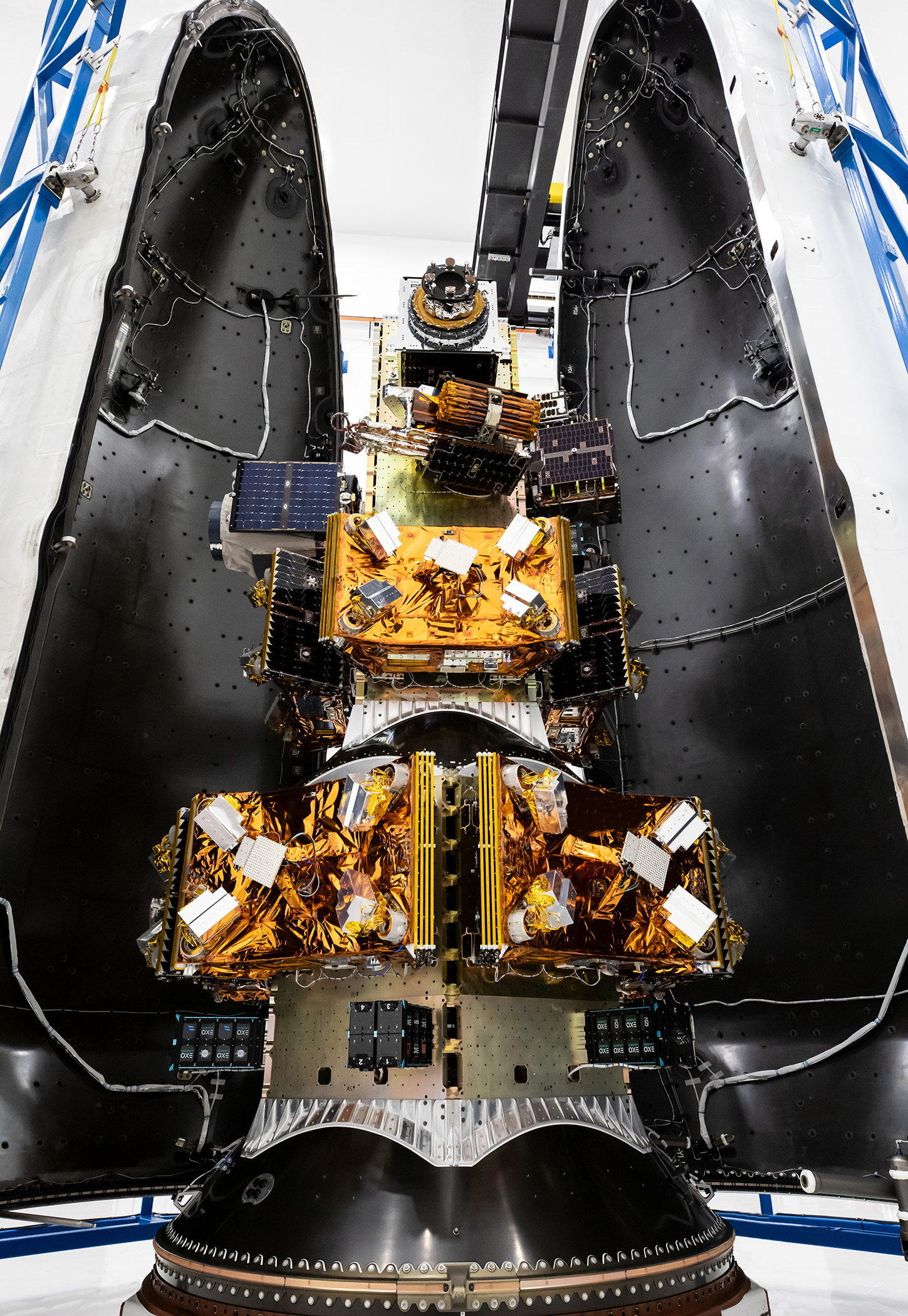
A small satellite mission is a coordinated journey from concept definition and mission design to platform development, payload integration, testing, launch, licensing, operations, and data delivery. Through its end-to-end space services capabilities, Plan-S helps organizations transform mission objectives into reliable operational systems in orbit.
Weather Monitoring in Remote Areas: Keeping Environmental Data Flowing
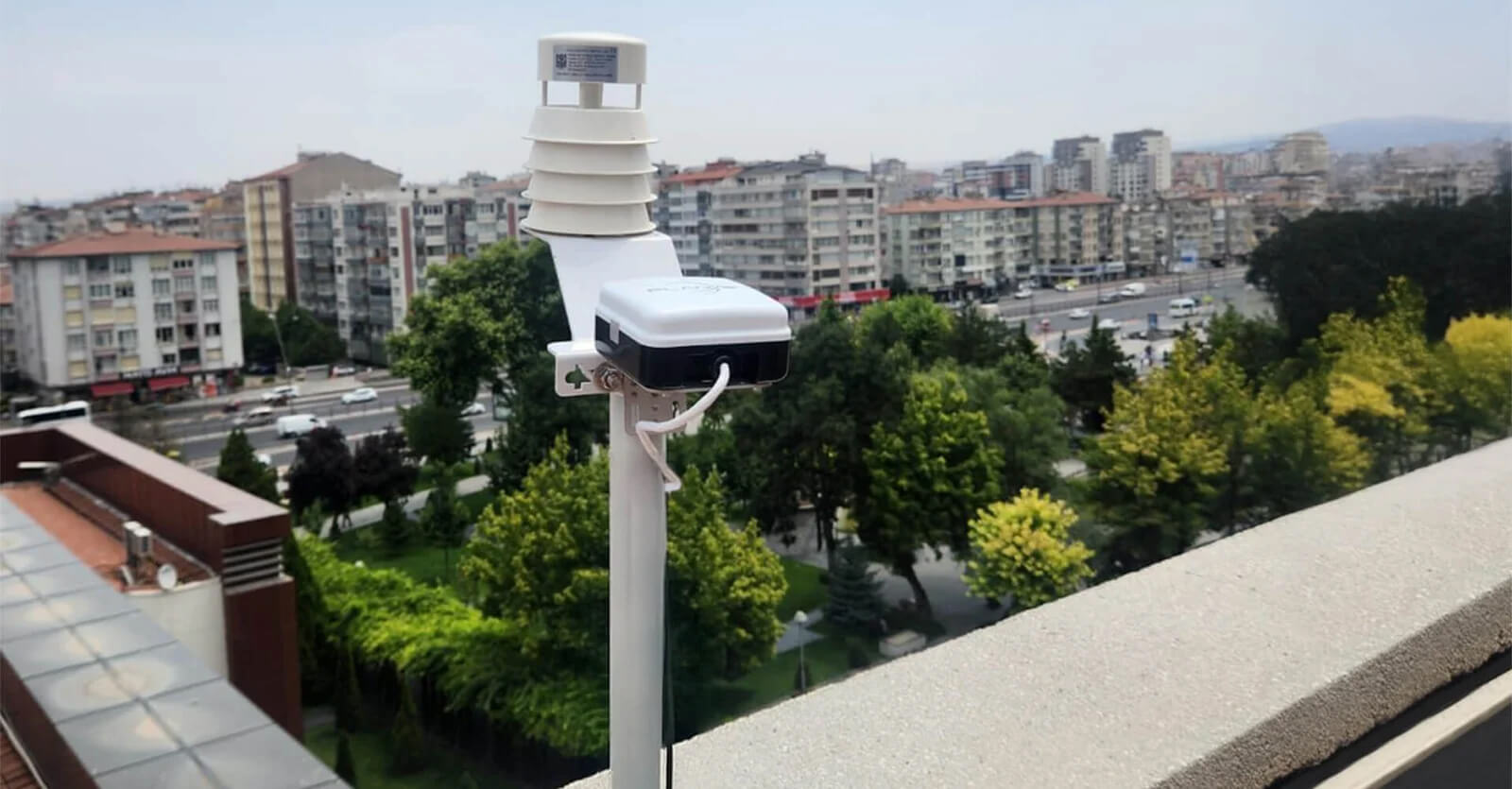
Satellite IoT helps keep weather and environmental data flowing from remote monitoring points beyond terrestrial network coverage. Through Connecta, Plan-S enables reliable data transmission from distributed sensors and weather stations, supporting better planning, early warning, risk reduction, and long-term environmental visibility.
Smart Meter Reading in Remote Areas: How Satellite IoT Reduces Field Visits
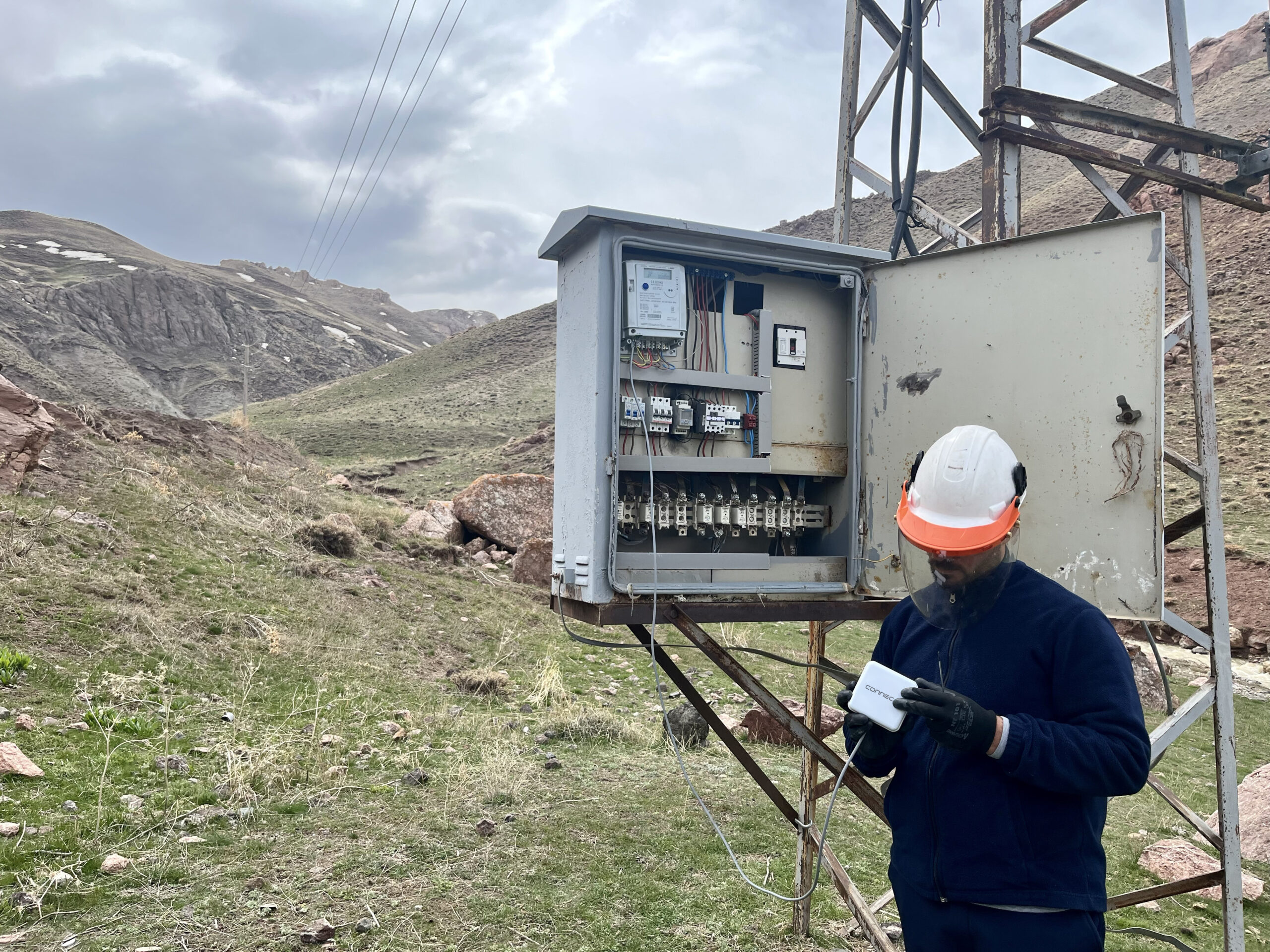
Satellite IoT enables utilities to collect smart meter data from remote areas beyond terrestrial network coverage. Through Connecta Smart Meter Reader Modems and the Connecta IoT Network, Plan-S helps utilities reduce unnecessary field visits, improve data continuity, and maintain visibility across distributed service areas.

Satellite IoT for Agriculture: From Soil Data to Smarter Irrigation
Satellite IoT helps agricultural teams collect soil, irrigation, and field data from remote areas beyond terrestrial network coverage. Through Connecta, Plan-S enables smarter irrigation planning, improved resource management, and greater visibility across distributed agricultural operations.

How LoRaWAN-Compatible Satellite IoT Enables Low-Power Data Transmission
LoRaWAN-compatible satellite IoT enables low-power data transmission from remote sensors, meters, trackers, and infrastructure assets operating beyond terrestrial coverage. Through Connecta, Plan-S combines satellite connectivity, IoT hardware, network infrastructure, and operational tools to support efficient, scalable, and long-term remote monitoring.
Hosted Payload Missions: A Faster Route to Flight Heritage
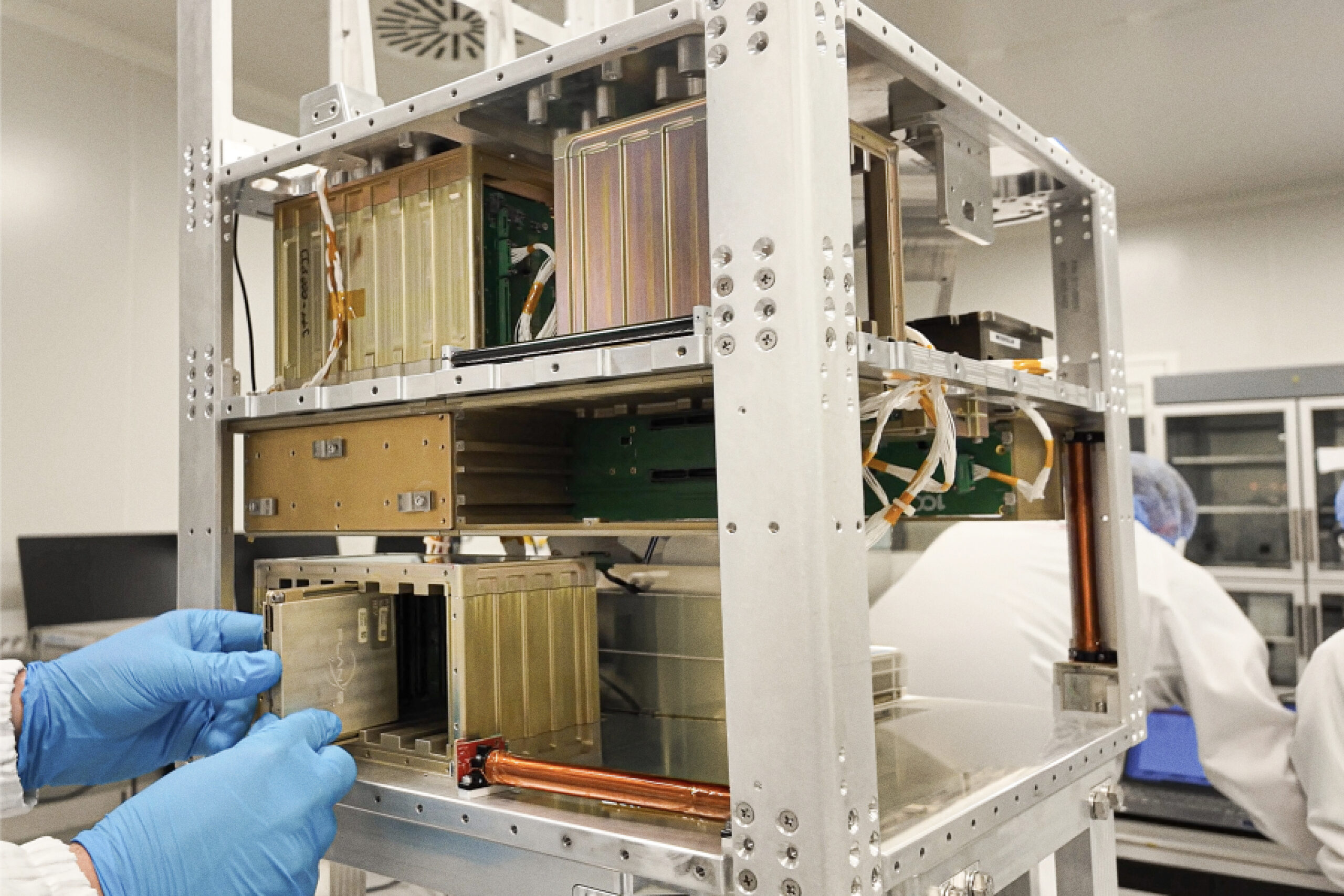
Hosted payload missions provide a practical route to in-orbit validation by allowing organizations to test sensors, communication systems, scientific instruments, and experimental payloads on existing spacecraft platforms. By building on Plan-S’ mission heritage and end-to-end space services capabilities, organizations can gain flight heritage while reducing the complexity of developing a dedicated satellite mission.
Why Flight Heritage Matters in Small Satellite Missions
Flight heritage gives satellite missions a stronger foundation by turning in-orbit experience into greater reliability, reduced uncertainty, and more mature spacecraft platforms. At Plan-S, each mission contributes to the evolution of flight-proven systems, supporting future missions from concept to orbit and from orbit to operational value.